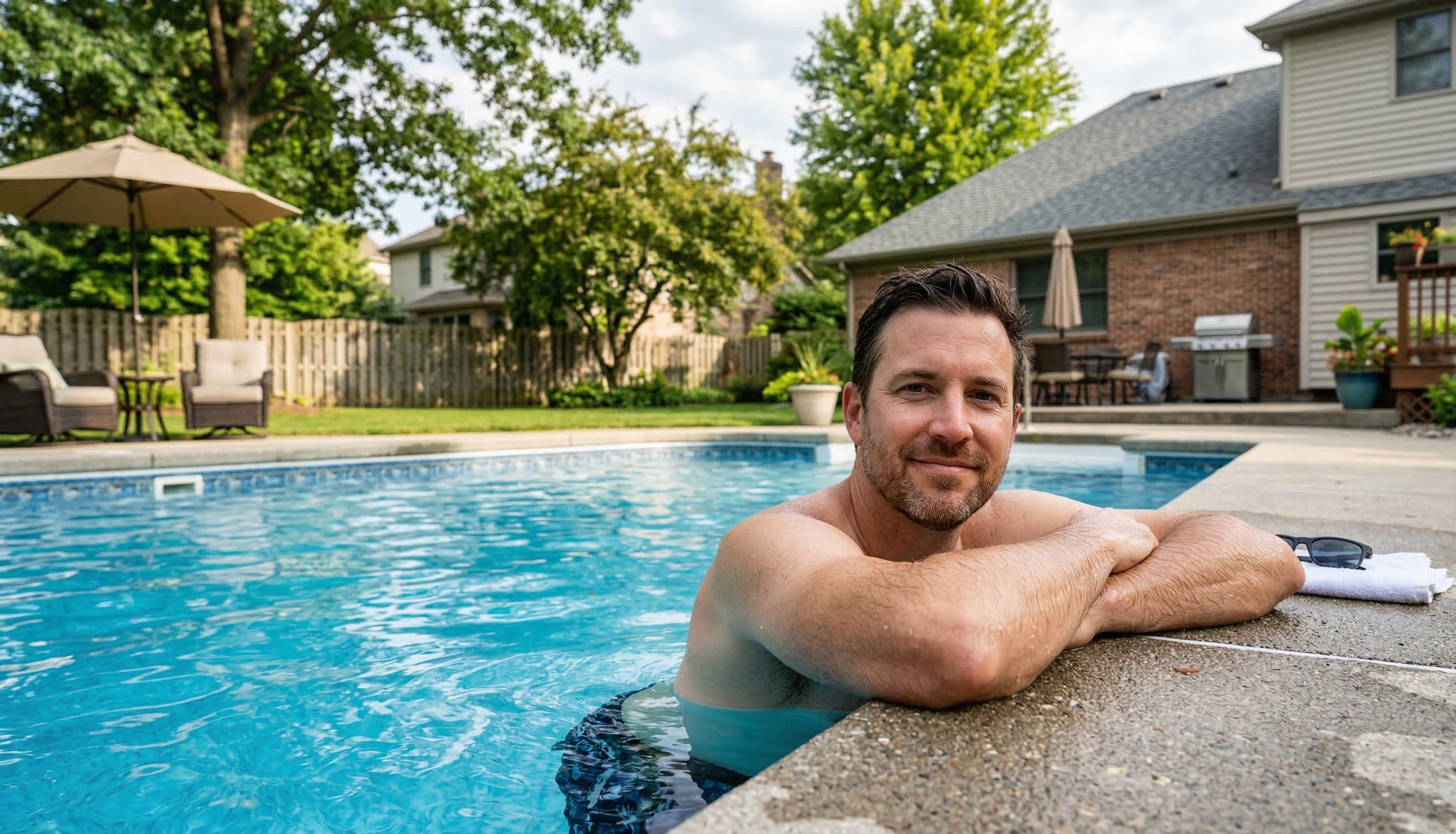
Building a custom backyard pool is one of the most complex residential construction projects a homeowner can take on - and most guys don't realize that until they're already deep into the design process.
What's Your Next Home Improvement Project?
- A concrete pool build runs 3 to 6 months from first conversation to first swim - permits alone can take 3 to 8 weeks depending on your municipality, and that clock doesn't start until the design is finalized and signed.
- A $60,000 pool quote typically excludes the deck, fencing, gas line, electrical circuit, and landscaping - line items that routinely add $15,000 to $30,000 before a single upgrade gets discussed.
- Pool maintenance in the Midwest and Northeast runs $3,000 to $5,000 per year plus $600 to $1,200 in seasonal opening and closing costs - a number that rarely comes up during the sales process.
- Safety fencing, automatic safety covers, and drain standards are design-phase decisions in most municipalities - they need to be spec'd before the permit is filed, not added after final inspection.
- The best time to contact a pool builder is October or November - good builders in most markets are already booked 3 to 6 months out by the time homeowners start calling in spring.
Most guys have had the Clark Griswold moment. The year-end bonus clears, you're watching Christmas Vacation, and Clark's inflatable pool suddenly looks less like a punchline and more like a plan. Dig a hole, drop in a shell, fill it with water. I spent years doing marketing for one of the Midwest's top custom pool builders - and the thing that surprised me most wasn't the $5 million builds with grottos and vanishing edges. It was that the guy building a simple freeform concrete pool had almost identical misconceptions as the guy spending half a million. Same blind spots. Same budget surprises. Same timing problems.
This Is Not a Drop-a-Shell Project
A concrete pool is a construction project with multiple licensed trades, a permit process, soil evaluation, and a series of inspections before anyone gets in the water. The shell is shotcrete or gunite sprayed at high pressure over a steel rebar cage, then cured for weeks before the interior finish goes on.
Soil matters more than most people expect. A 20,000-gallon pool puts roughly 80 tons of pressure on whatever's underneath it. If the ground is unstable, drainage wasn't handled properly, or the excavation wasn't backfilled correctly around the shell, that load creates problems over time. Cracks in shotcrete are almost always traceable to a ground condition that wasn't addressed at the design phase. This is why a credible builder does a site evaluation before quoting you a real number. If someone prices a custom concrete pool without seeing your yard first, that number isn't real.

Beyond Detroit: Best Places In Michigan For A Guys Trip
Discover Michigan's best guys trip destinations, from Grand Rapids' brewery scene to outdoor adventures in Pictured Rocks and Copper Harbor.

Six-Course Whiskey Pairing Dinner at High West's Nelson Cottage
High West's Nelson Cottage delivers six-course prix fixe dinners with expert whiskey pairings in historic Park City home. $110 per person, $80 for elevated pairing. Laid back atmosphere, creative cuisine, exceptional value.
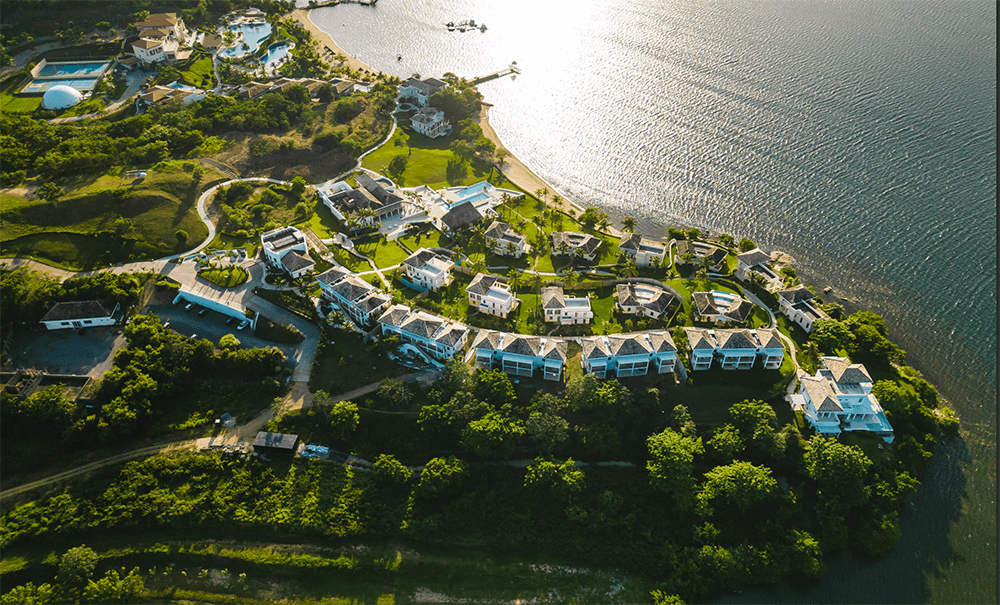
Las Verandas Hotel and Villas
Come stay at the unique Las Verandas Hotel and Villas! Experience the beautiful beaches of Roatan, Honduras, along with exceptional amenities, including an 18-hole golf course.

5-Day Northern Vietnam Tour: Hanoi - Ninh Binh - Halong Bay
Highlights: • Explore the beautiful and ancient capital of Hanoi • Cruise and stay overnight on Bai Tu Long Bay - the calm and beautyfull bay • Discover Ninh Binh where the Hollywood Blockbuster “Kong: Skull Island” was filmed
Promoted by FlowAds

Vinyl liner pools are faster and cheaper upfront - installation runs 2 to 4 weeks post-permit - but liners typically need replacement every 10 to 15 years, and shape customization is limited. If you want specific dimensions, a precise depth profile, or a pool that integrates tightly with surrounding hardscape, you're building in concrete.
Start the Conversation in September, Not March
This is the timing problem I watched cause the most frustration. Good builders - whether you're talking to a concrete pool builder in Lebanon County PA or a custom builder in San Diego - are already 3 to 6 months out on their schedule by the time homeowners start calling in spring. Add the permit process plus 2 to 4 weeks for design, and a guy who wants to swim in July needs to be sitting across from a builder in October.
I was just talking to a window contractor in Michigan who was 12 weeks out for a simple residential job. A custom pool is a different category of complexity entirely.
Man Gear Pick of the Month
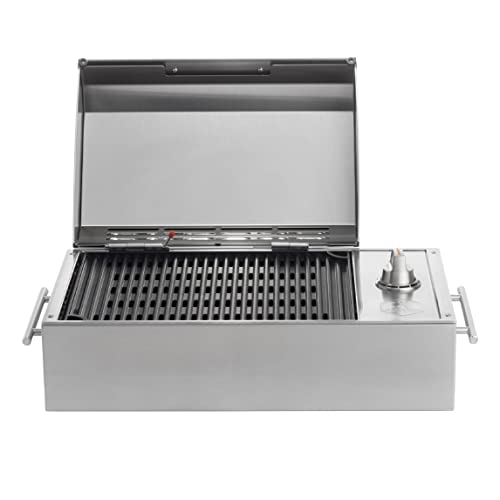
Kenyon City Grill Portable Stainless Steel Electric Grill
Why we picked it: a grill you can actually carry to the campsite, the tailgate or the cabin without borrowing a truck. Stainless, no propane tank to wrestle, and hot enough to cook for four guys rather than reheat for one.
 August's Pick LiberNovo Maxis Electric Big and Tall Ergonomic Office Chair, Graphite 52cm $1,393.00
  July's Pick Powerful Propane Torch Gun, Adjustable Flame Thrower Gun, Kitchen Torch with Detachable Design, Flamethrower Blow Torch for BBQ, Searing Steak, Welding, Camping Charcoal Lighter(Tank Not Included) $42.99
  June's Pick OYASUMI Funny BBQ Man Hot Dog Holders, 4 PCS Reusable Stainless Steel Sausage Stands, Portable Hot Dog Roasters, Barbecue Grill Accessories for Camping & Party Gifts $7.98
 Promoted by FlowAds

The counterintuitive part: November through January is when builders are actively looking for work. You get faster scheduling, more attention, and often 10 to 20 percent better pricing on labor versus calling in April when every contractor in the region is already booked.
How $60,000 Becomes $120,000
Clients would arrive with a ballpark from an ad or a rough estimate. Then the actual project took shape.
A basic 16x32 concrete pool in most markets starts around $50,000 to $65,000 for the shell, equipment, and standard interior finish. That number typically excludes the deck ($3,200 to $6,000), required safety fencing ($2,000 to $6,000), gas and electrical connections ($1,500 to $4,000), and landscaping ($3,000 to $10,000+). Then the upgrades. A tanning ledge adds $3,000 to $8,000. A built-in spa adds $15,000 to $30,000. A vanishing edge adds $10,000 to $20,000. Each one felt obvious once they were already spending that much.
Ask your builder for a number that includes everything before you fall in love with the design. The gap between the first quote and the final contract is where most guys get surprised.
The Real Cost Depends on Where You Live
Guys in Florida, Texas, and Southern California run their pools 10 to 12 months a year. Total annual maintenance runs $3,000 to $5,000 spread across a full year of use.
In Chicago, Michigan, or Pennsylvania, that same $3,000 to $5,000 covers roughly 4 to 5 months of swimming - plus $300 to $600 to professionally close the pool in fall and another $300 to $600 to open it in spring. Skip the professional closing, and a hard freeze can crack the plumbing lines. The repair bill makes the closing fee look trivial.
A variable-speed pump - now required for most new residential builds - cuts energy costs 30 to 50 percent compared to older single-speed units. An automatic safety cover that also winterizes the pool pays for itself in reduced opening and closing costs within a few seasons. These aren't luxury upgrades. They're operational math that only comes up if you ask about it before the equipment package is finalized.
One thing northern pool owners consistently underestimate in that first season: the outdoor environment around the pool itself. Wasps near the water, ants around the deck, and pests around the equipment cabinet can shut down a weekend faster than bad weather. Getting backyard pest control sorted before the first summer is the kind of detail that separates a space people actually want to stay in.
Get to a Builder Before the Bonus Clears
The guys with the smoothest builds - from $50,000 freeform concrete to full personal waterparks - all started the conversation earlier than felt necessary. Not the spending. The conversation.
Get in front of a builder, walk the yard together, and get a number that includes the deck, fence, utilities, and landscaping. Then sit with it for a month before committing to anything. The backyard pool is a legitimate upgrade to your life - the kind of space the guys actually show up to on a Saturday afternoon and nobody wants to leave. It just requires the same approach I've seen work on every major outdoor build: plan in fall, build in spring, and resist every "while we're at it" upgrade until the core project is priced and signed.

Promoted by FlowAds
