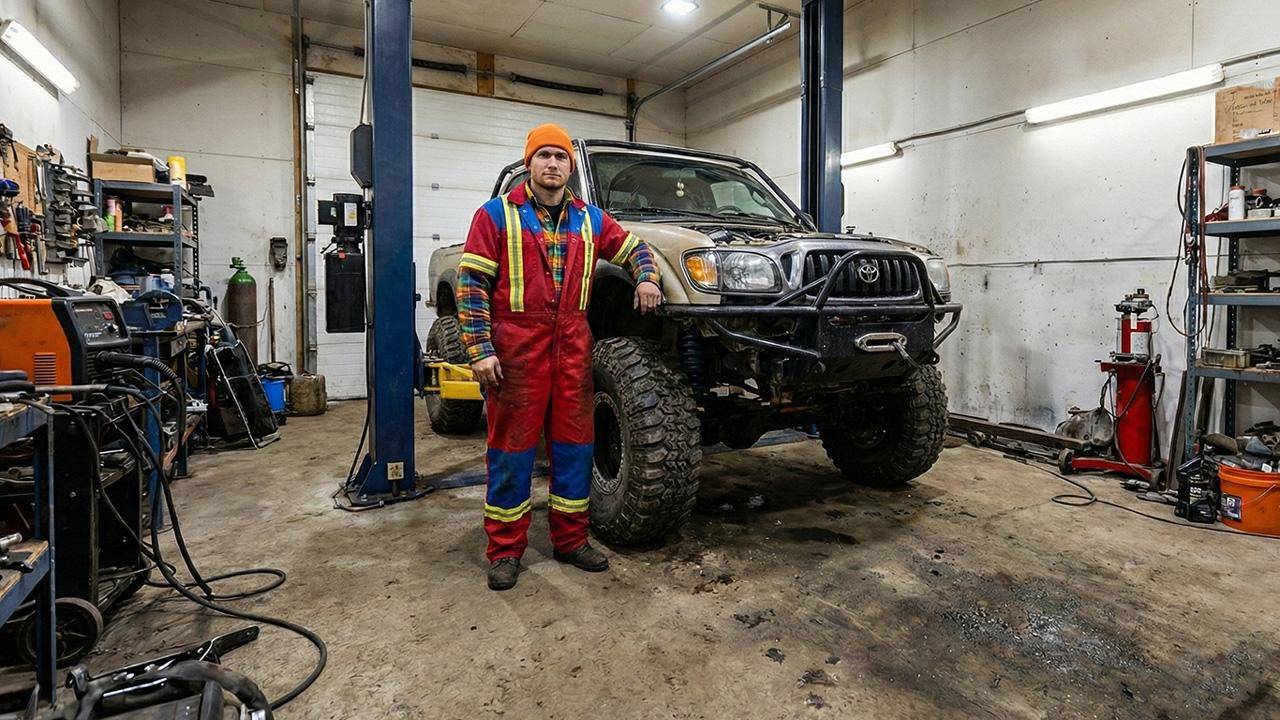
The difference between a garage and a workshop isn't square footage or how many tools hang on the wall. It's whether the space actually functions when you need to wrench on your truck, maintain the boat trailer, or tackle a real project. The upgrades that matter most aren't the exciting ones - they're the infrastructure decisions that make everything else work.
What Do You Call Your "Guys Trips"?
A functional garage workshop pays dividends across every piece of equipment you own and every project you take on.
- Self-reliance means handling your own maintenance on vehicles, trailers, and adventure gear without waiting on shop availability or paying labor rates
- Proper infrastructure eliminates the frustration of extension cords, poor lighting, and inadequate power that turns simple jobs into all-day ordeals
- Smart lift investment lets you work safely and comfortably on trucks, project cars, and equipment that would otherwise require professional shops
- Year-round functionality extends your productive time beyond fair-weather weekends into a space that works in January as well as June
- Social value creates the space where buddies actually want to gather for weekend project sessions and post-ride maintenance
We hear from readers regularly who've dropped serious money on tool chests and workbenches only to realize they can't see what they're doing, don't have enough outlets, or are working on cracked concrete that kills their knees. The questions aren't about which welder to buy or what tool brand is best. They're about why the garage is impossible to work in during summer, why there aren't enough outlets, why everything feels harder than it should. These aren't tool problems - they're infrastructure problems.
Get the Fundamentals Right Before Buying a Single Tool
Flooring, lighting, and electrical capacity form the foundation that determines whether your workshop functions or frustrates. Get these right first and every tool purchase afterward becomes more useful.
Flooring That Survives Real Work
Bare concrete looks fine until you've spent a few hours on your knees or watched oil stains spread into permanent features. Epoxy coatings provide durability and easier cleanup, though they require proper prep to avoid peeling. Interlocking tiles offer a DIY-friendly alternative that handles dropped tools and rolling loads without cracking. Either option beats the fatigue and mess of raw concrete.

10 Ideas for an Awesome San Diego Guys Weekend
ManTripping: Men's Travel and Lifestyle Blog for busy men who love to travel.
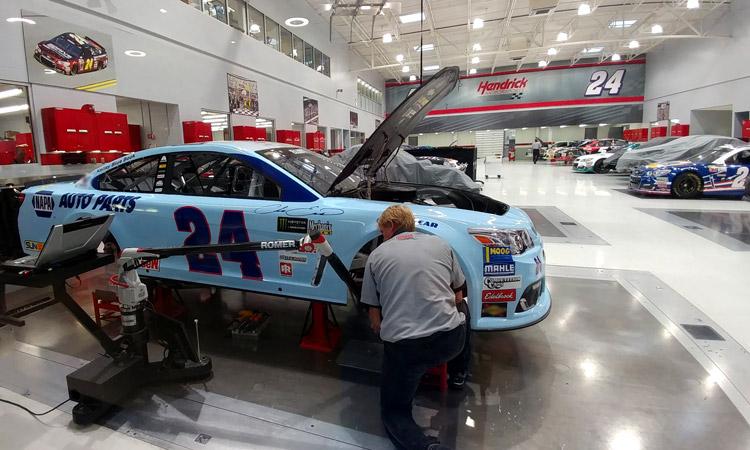
Six NASCAR Sites You Must Visit in Charlotte North Carolina - Where Racing Lives
NASCAR tour of Charlotte - Where Racing Lives. Sites that any race fan will want to visit near Charlotte, North Carolina

3-Day Private Iceland Tour – South Coast & Glacier Lagoon
A private 3-day Iceland tour of the South Coast and Glacier Lagoon, tailored to you and ideal for couples and small groups.

14 days Vietnam bicycling tour
A 14-day guided bicycle tour of Vietnam combining major sights with rural rides and local life. Ideal for travelers who want to explore at their own pace.
Promoted by FlowAds

Lighting Changes Everything
Reader feedback consistently points to lighting as the single upgrade that transforms how a garage feels. The standard single-bulb fixture that came with your house produces maybe 800 lumens - roughly enough to find your car. Serious work requires 5,000+ lumens of overhead LED lighting supplemented by task lighting for detail work. Aim for 50 lumens per square foot minimum, and you'll stop squinting at bolt heads and cross-threading fasteners.
Electrical Capacity for Serious Equipment
Most garage circuits weren't designed for welders, compressors, and multiple power tools running simultaneously. A dedicated subpanel with 220V outlets for heavy equipment eliminates the tripped breakers and underpowered tools that plague stock setups. This is where hiring an electrician makes sense - improper electrical work creates real safety hazards. Plan outlet placement before walls get finished, because you'll never have too many.
Lifts, Air Systems, and Storage Worth the Investment
Once infrastructure is sorted, equipment decisions determine what work you can actually accomplish at home versus what requires a trip to the shop. A quality two-post lift runs $2,000-$4,000 installed, but the savings on brake jobs and suspension work alone can justify that investment within a few years.
Man Gear Pick of the Month
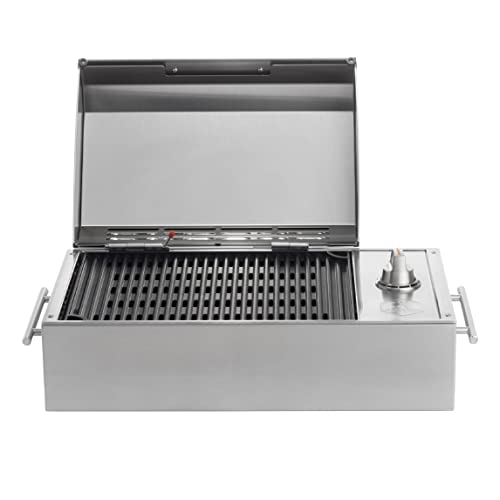
Kenyon City Grill Portable Stainless Steel Electric Grill
Why we picked it: a grill you can actually carry to the campsite, the tailgate or the cabin without borrowing a truck. Stainless, no propane tank to wrestle, and hot enough to cook for four guys rather than reheat for one.
 August's Pick LiberNovo Maxis Electric Big and Tall Ergonomic Office Chair, Graphite 52cm $1,466.00
  July's Pick Powerful Propane Torch Gun, Adjustable Flame Thrower Gun, Kitchen Torch with Detachable Design, Flamethrower Blow Torch for BBQ, Searing Steak, Welding, Camping Charcoal Lighter(Tank Not Included) $41.99
  June's Pick OYASUMI Funny BBQ Man Hot Dog Holders, 4 PCS Reusable Stainless Steel Sausage Stands, Portable Hot Dog Roasters, Barbecue Grill Accessories for Camping & Party Gifts $14.98
 Promoted by FlowAds

Choosing the Right Lift for Your Space
A quality lift separates casual garage users from guys who do real work on their own vehicles. Readers frequently ask which type makes sense, and the answer depends on ceiling height, concrete thickness, and intended use:
- Two-post lifts offer the best access for suspension and brake work but require ceiling height above 11 feet and concrete at least 4 inches thick
- Four-post lifts work for storage and basic maintenance with less demanding installation requirements
- Portable lifts and jack systems suit occasional use and tighter spaces but limit what's practical to accomplish
The lift represents one of the largest single investments in a home workshop, so matching the equipment to your actual use case matters more than buying the most capability you can afford.
Keeping Your Lift Running for Decades
Hydraulic lifts require maintenance that most owners overlook until something fails. Seals wear, cylinders lose pressure, and safety locks need periodic inspection. Small issues like slow rise times or slight fluid weeping signal problems that worsen if ignored. When hydraulic cylinders need professional attention, Cylinder Cyclone specializes in repairs that restore performance without full equipment replacement - a worthwhile resource to bookmark before you need it urgently.
Air Systems and Organization
A properly sized compressor with hard-plumbed lines beats dragging hoses across the floor for every pneumatic tool. Wall-mount units save floor space, while inline moisture traps protect tools from water damage. For storage, modular systems that can expand and reconfigure beat built-in cabinetry that locks you into decisions made before you knew what you'd actually need.
Finding Quality Equipment Without Paying Retail
Here's what experienced workshop builders know: Facebook Marketplace is a goldmine for serious equipment if you're willing to do some legwork. Search in areas with small factories and manufacturing businesses - you'll find commercial-grade lifts, compressors, and welders from business liquidation sales at a fraction of retail. Estate sales offer similar opportunities, since family members often don't recognize what they're selling or whether it still works. If you can move large, bulky equipment yourself, these "barn finds" can cut your build costs dramatically while landing gear that's built heavier than consumer-grade alternatives.
A Smart Workshop Investment Pays for Itself
Building a serious workshop isn't about creating a showroom - it's about assembling a space that handles real work efficiently. The guy with the well-lit, properly powered garage and a functional lift can maintain his own boat trailer, prep the overland rig for Colorado guys trips, and tackle projects that would cost hundreds in shop labor. That's when a workshop stops being a weekend hobby and starts being genuine infrastructure for how you live.