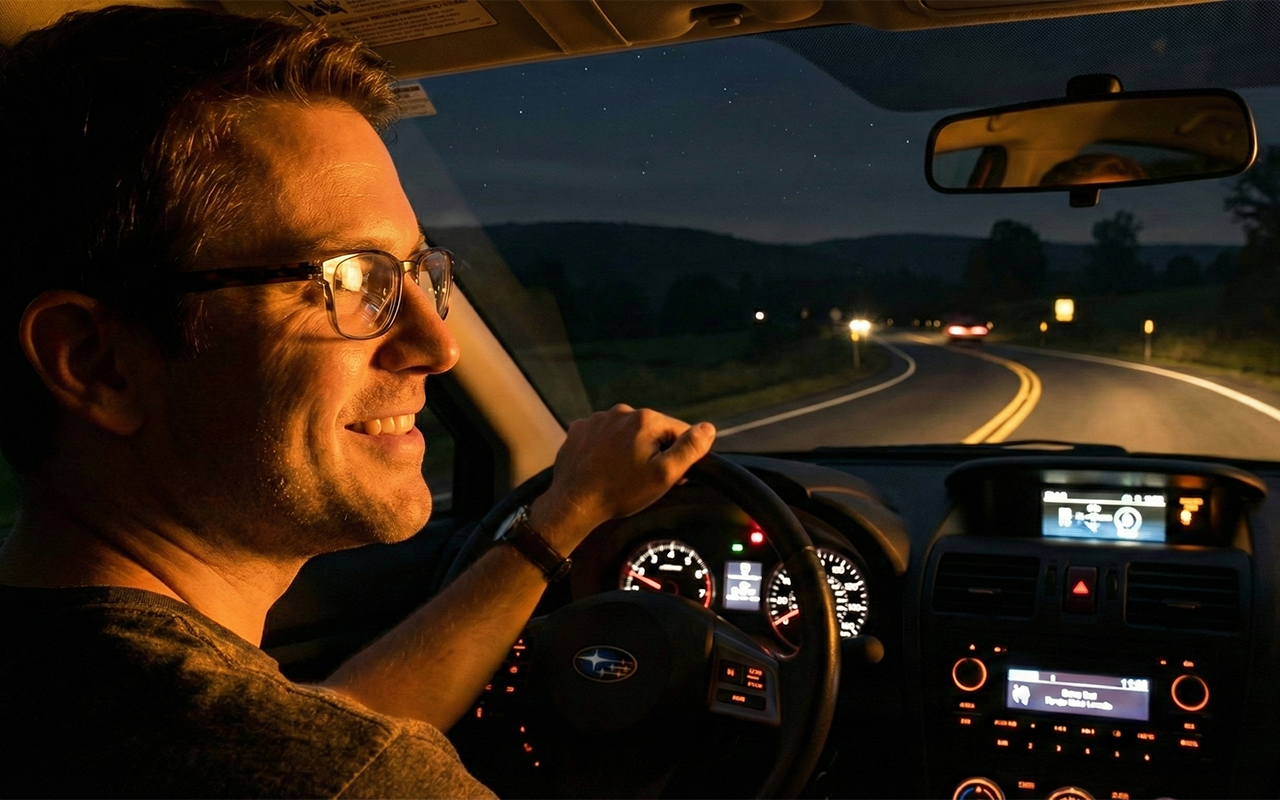
Clear vision isn't optional when you're logging serious miles. Whether you're commuting daily, hauling gear for a fishing trip, or driving cross-country with buddies, your eyes take a beating that most guys never think about until something goes wrong. This isn't about getting fitted for new glasses - it's about protecting the one tool that keeps you safe on the road. Here's what you need to know before your next comprehensive eye exam, plus practical strategies for keeping your vision sharp between appointments.
What Do You Call Your "Guys Trips"?
- A comprehensive ophthalmologist exam checks for glaucoma, macular degeneration, and diabetic eye disease - conditions that develop silently and can end your time behind the wheel permanently if caught too late.
- Night vision typically starts declining in your early 40s, which is why those headlights seem more blinding than they used to - it's not just newer cars with brighter LEDs.
- Pupil dilation during a proper eye exam means you cannot drive yourself home - plan ahead or you're stranded in the parking lot for hours.
- Contact lens wearers need to switch to glasses 24-48 hours before an exam, or the results won't reflect your actual eye health.
- Darker sunglasses don't mean better protection - without proper UV coating, dark lenses actually dilate your pupils and let in more harmful rays.
I didn't used to have any troubles, but now as I get closer to 50, I've discovered that glare and dry eyes bother me more than they did in the past. Even though I don't have diabetes, visiting an actual doctor - not just a guy to fit me for glasses - has helped keep those general health discussions front of mind. Eye health is tied closely to overall health, wellness, and nutrition, and those are topics men need to consider to stay healthy long-term.
Why This Is About Eye Health - Not Just Glasses
There's a difference between getting your vision checked and getting your eyes examined. Most guys conflate the two, and it's a mistake that catches up with you.
An optometrist handles vision correction - determining your prescription, fitting you for glasses or contacts, and screening for basic issues. That's valuable, but it's not comprehensive eye health care. An ophthalmologist is a medical doctor who can diagnose disease, identify conditions you'd never notice on your own, and perform surgery if needed. When you're putting heavy demands on your eyes - long drives, changing light conditions, years of UV exposure - you need someone looking deeper than "can you read line four?"

Galapagos Cruise Adventures: A Bucketlist Guys Getaway Guide
Visiting the Galapagos Islands is a bucket list adventure for many people, here's what you need to know before booking your cruise.

Abu Dhabi Bachelor Party Ideas: Extreme Luxury And Adrenaline
bachelor party ideas for luxury and style in Abu Dhabi

Chiang Rai: Northern Thailand Tour with Golden Triangle
A full-day Chiang Rai tour through tea plantations, hill tribe villages, the Golden Triangle and Mae Sai skywalk, ideal for culture and nature lovers.

Private Tour of Hearst Castle, Big Sur, Monterey & Carmel from San Francisco
A 2-day private coastal tour from San Francisco with Hearst Castle, Big Sur, Monterey and Carmel, ideal for couples, families and nature lovers.
Promoted by FlowAds

Look for a medical practice with experience treating active patients - whether that's an expert ophthalmologist in Long Island, a sports vision specialist in your city, or a clinic that understands the demands drivers and travelers put on their eyes. The goal is finding someone who asks about your lifestyle, not just your symptoms.
How Age Changes the Game
Nobody wants to hear this, but your eyes hit an inflection point in your early to mid-40s. Presbyopia - the gradual loss of your eye's ability to focus on close objects - is essentially universal. That's why guys who never needed glasses suddenly can't read a menu without holding it at arm's length. According to the American Optometric Association, this is among the most common vision problems adults develop between ages 41 and 60.
But the stuff that matters for driving is more subtle. Your pupils don't dilate as quickly in low light, which means transitioning from bright daylight into a tunnel or parking garage takes longer. Night vision declines. Recovery from glare - those few seconds of blindness after an oncoming car hits you with high beams - gets worse. The vitreous gel in your eyes becomes more liquid, causing floaters that weren't there before.
Man Gear Pick of the Month
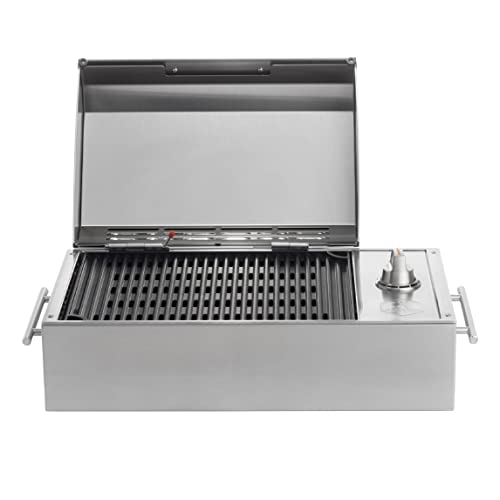
Kenyon City Grill Portable Stainless Steel Electric Grill
Why we picked it: a grill you can actually carry to the campsite, the tailgate or the cabin without borrowing a truck. Stainless, no propane tank to wrestle, and hot enough to cook for four guys rather than reheat for one.
 August's Pick LiberNovo Maxis Electric Big and Tall Ergonomic Office Chair, Graphite 52cm $1,466.00
  July's Pick Powerful Propane Torch Gun, Adjustable Flame Thrower Gun, Kitchen Torch with Detachable Design, Flamethrower Blow Torch for BBQ, Searing Steak, Welding, Camping Charcoal Lighter(Tank Not Included) $41.99
  June's Pick OYASUMI Funny BBQ Man Hot Dog Holders, 4 PCS Reusable Stainless Steel Sausage Stands, Portable Hot Dog Roasters, Barbecue Grill Accessories for Camping & Party Gifts $14.98
 Promoted by FlowAds

After 40, annual comprehensive exams aren't optional. After 50, you should be getting dilated exams every year regardless of whether you've noticed changes. Glaucoma and macular degeneration develop without symptoms until significant damage is done. By the time you notice vision loss, you've already lost ground you can't get back.
Prep Checklist Before Your Appointment
If you show up unprepared, you waste the doctor's time and your money. Here's what actually matters.
Bring Your Current Glasses and Prescriptions
Don't walk in empty-handed if you already use vision correction. The doctor needs to see your current glasses or contact lens boxes to understand how your vision has changed. Knowing your diopter values isn't enough - glasses are also adjusted for astigmatism, pupillary distance, and lens positioning. Bring the physical glasses and any old prescriptions you have on file.
Collect Your Documents
The administrative side goes faster when you come prepared:
- Insurance card for immediate coverage verification
- List of current medications - some drugs affect vision quality and eye pressure
- Past medical records if you've had eye surgeries, serious injuries, or diagnosed conditions
Stop Wearing Contacts in Advance
Lenses temporarily reshape your cornea and can mask underlying issues. Switch to glasses at least 24 hours before a soft lens appointment. Rigid gas permeable lenses require a longer break - sometimes a week or more. Ask your doctor's office when you schedule.
Rest Your Eyes Before the Exam
Tired eyes give inaccurate test results. Don't schedule your appointment after a long drive or a day staring at screens. Give yourself at least a few hours of easy visual work beforehand. And bring sunglasses - your pupils will likely be dilated during the exam, making bright light painful for hours afterward.
Know Your Family History
Eye diseases run in families. Glaucoma, macular degeneration, and retinal detachment all have genetic components. Call your parents or siblings before your appointment and ask specifically about any diagnosed eye conditions - not just "bad eyes" but actual diagnoses like glaucoma, cataracts before age 60, or retinal issues. This information helps your doctor identify risks that aren't visible yet and determine how frequently you need monitoring.
Arrange a Ride Home
This isn't negotiable. The drops that dilate your pupils make vision blurry and extremely light-sensitive for several hours. Driving in that state is dangerous and potentially illegal. Have a buddy pick you up, take a rideshare, or use public transit. Plan this before you schedule the appointment so you're not scrambling in the parking lot.
Keeping Your Eyes Sharp on the Road
What you do between appointments matters as much as the exams themselves. A long haul with the guys or a solo cross-country drive puts real stress on your eyes. Here's how to minimize the damage.
Invest in Quality Sunglasses
Here's something most guys get wrong: darker lenses don't mean better protection. In fact, dark lenses without proper UV coating can actually be worse for your eyes than no sunglasses at all. When you put on very dark shades, your pupils dilate to let in more light. If those lenses aren't blocking UV rays, you've just increased your exposure to the radiation that causes cataracts and macular degeneration.
Look for sunglasses labeled as blocking 99-100% of UVA and UVB rays, or labeled "UV400" - both mean the same thing. Polarization reduces glare from the road surface but doesn't provide UV protection on its own. Many polarized lenses include UV blocking, but check the label to confirm. The American Academy of Ophthalmology notes that drugstore sunglasses labeled 100% UV-blocking are a better choice than expensive designer shades with no protection. Keep a dedicated pair in your vehicle so you're never caught without them.
The same applies to prescription wearers — having an updated pair of prescription glasses online ordered and ready before a long trip removes one less variable on the road.
Paragraph
Use the Right Eye Drops
Air conditioning, wind, and hours of focused staring dry out your eyes faster than you realize. Preservative-free artificial tears are your best bet for frequent use - the preservatives in standard drops can irritate your eyes with repeated application. Lubricating drops aren't the same as drops that "get the red out" - those vasoconstrictors can actually make dryness worse over time. Stick with simple lubricating formulas.
Take Intentional Breaks
The 20-20-20 rule - looking at something 20 feet away for 20 seconds every 20 minutes - is widely recommended by the American Optometric Association and American Academy of Ophthalmology for reducing eye strain. On the road, this means intentionally shifting your focus to distant objects like the horizon or far-off exit signs. Gas station stops every couple hours aren't just for fuel and coffee - use them to give your eyes a genuine break from the focused attention driving requires.
Eat for Your Eyes
Certain nutrients directly support eye health and may help slow age-related decline:
- Omega-3 fatty acids - Found in salmon, mackerel, sardines, and walnuts. Some research suggests omega-3s may help support tear film stability and reduce dry eye symptoms, though results vary.
- Lutein and zeaxanthin - Found in dark leafy greens like spinach and kale. These antioxidants accumulate in your retina and help protect against blue light damage.
- Zinc - Found in oysters, beef, and pumpkin seeds. Helps transport vitamin A to your retina for night vision.
- Vitamin C and E - Found in citrus fruits, bell peppers, nuts, and seeds. Antioxidants that may help slow cataract and macular degeneration progression.
You don't need supplements if you're eating a varied diet, but most guys aren't. A quality multivitamin with eye-supporting nutrients is reasonable insurance.
Stay Hydrated
Dehydration affects your eyes faster than you'd expect. Dry, tired eyes on a long drive often have as much to do with not drinking enough water as with staring at the road. Keep water within reach and actually drink it - coffee and energy drinks don't count the same way.
Know When to Pull Over
Eye fatigue has real warning signs: frequent blinking, difficulty focusing, burning sensations, or seeing halos around lights. When these show up, you're past the point of pushing through. If you're driving the crew back from a long weekend and your eyes start burning, hand off the keys. Nobody wants to be the guy who rear-ended someone because he was too stubborn to admit he couldn't see straight. Pull over, close your eyes for 15-20 minutes, and let them recover before continuing.
Building Eye Health Into Your Routine
Your eyes are doing heavy lifting every time you get behind the wheel - processing speed, distance, and hazards faster than you consciously register. That system deserves real maintenance, not just a quick prescription update when things get blurry. Schedule comprehensive exams annually after 40, protect your eyes during long drives, and don't ignore warning signs hoping they'll resolve on their own. The guys who stay sharp on the road for decades aren't lucky - they're paying attention to the details that matter before problems become permanent.

Promoted by FlowAds
