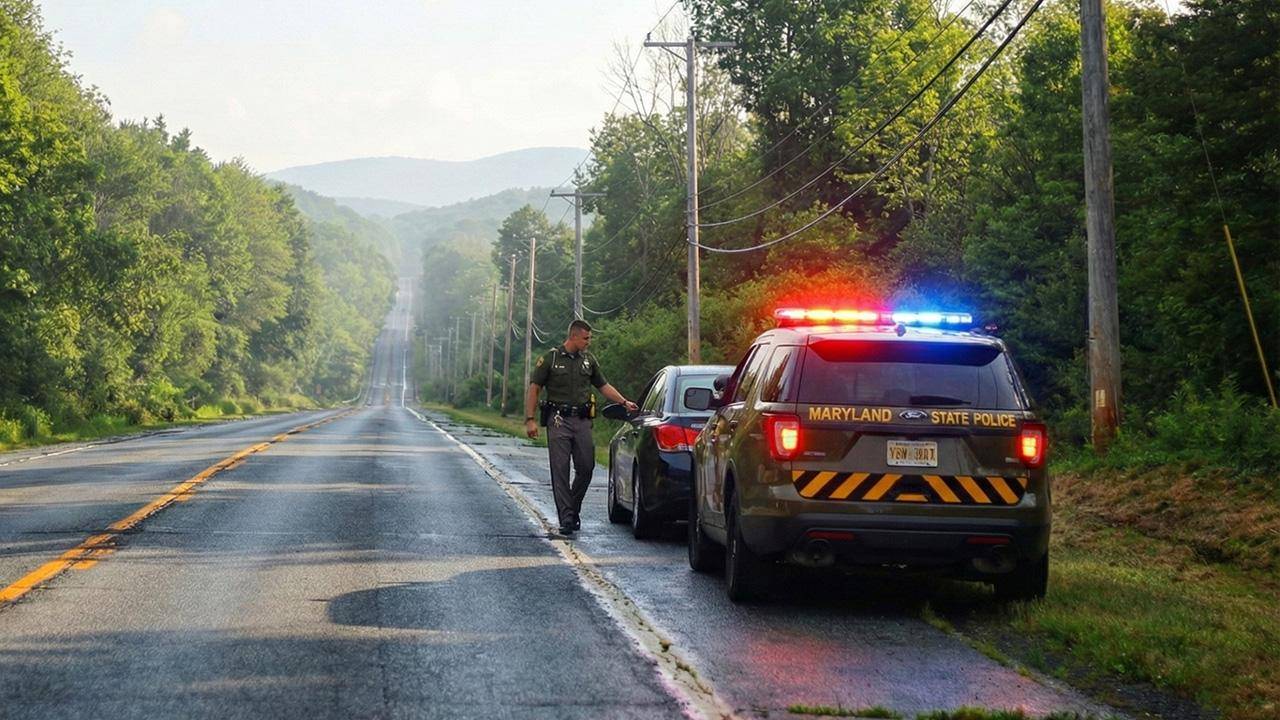
Traffic stops away from home create legal complications that catch most travelers off guard. Whether you're hauling a camper to a fishing spot, driving cross-country to see some friends or taking a scenic route on a guys road trip, understanding interstate ticket enforcement and your rights during a stop keeps a minor inconvenience from becoming a major headache. This checklist covers everything from keeping the right documents within reach to fighting citations from 2,000 miles away.
What Do You Call Your "Guys Trips"?
A traffic ticket in an unfamiliar state can follow you home and suspend your license without warning - even if you never receive notice.
- Protect your license from out-of-state suspension surprises through the Driver's License Compact
- Know exactly what documents to hand over and what questions you can decline
- Understand your Fourth Amendment rights when an officer asks to search your vehicle
- Handle citations remotely through online portals, mail, or local attorneys
- Most drivers don't realize that 46 states share traffic violation data - a forgotten ticket in Arizona can suspend your New York license
Picture this: You're three days into an East Coast road trip to explore some great rail trails in Western MD, mountain bikes strapped to the roof, when you see those flashing lights in the rearview. The officer asks for your registration and suddenly you're digging through the glove box like you're searching for buried treasure. That fumbling around? It makes the stop take longer and can give an officer reasonable suspicion to extend the interaction. A Maryland lawyer specializing in suspended licenses once told me that the way you handle the first 60 seconds of a traffic stop often determines whether you drive away with a warning or a court date.
Build a Go-Bag Before You Leave
Your first line of defense sits in a folder you prepare before the trip starts. Keep these documents in a pouch or envelope within arm's reach of the driver's seat - not buried in the center console or stuffed in the glove box behind the owner's manual.
Essential Documents
- Physical driver's license - digital versions on your phone aren't accepted everywhere
- Current vehicle registration - check the expiration date before you leave
- Proof of insurance - a paper copy, though most states now accept digital
- Proof of ownership - especially important if you're driving someone else's vehicle
For Trucks Towing Trailers or RVs
- Trailer registration - separate from your vehicle registration
- Weight documentation - gross vehicle weight rating matters for some states
- Modification paperwork - if you've made legal modifications to the RV
Having everything organized signals to the officer that you're a prepared traveler, not someone worth investigating further.
What to Do the Moment You See Lights
The actions you take in the first 30 seconds set the tone for the entire interaction. Officers approach every stop with uncertainty about who they're dealing with, so your job is to communicate "routine traffic stop" through your behavior.
Signal immediately and pull to the nearest safe, wide shoulder. If you're on a narrow mountain road or there's no good spot, slow down, put on your hazard lights, and proceed slowly until you find somewhere safe - officers understand this. Put the vehicle in park and shut off the engine. Turn off the radio and anything else running. At night, switch on your interior dome light so the officer can see inside.
Roll down your window and place both hands on the steering wheel where they're visible. If you're wearing sunglasses, take them off. Don't start digging for documents until the officer asks for them - sudden movements toward the glove box or center console make officers nervous.
Handling the Face-to-Face Conversation
Wait for the officer's instructions before speaking or moving. When they ask for your license and registration, tell them where you're reaching before you reach there. "My license is in my back pocket" or "Registration is in the glove box" keeps everyone calm.
Answer direct questions about your identity, vehicle, and travel briefly and honestly. You're not required to answer questions about where you're going, where you've been, or what you're doing - though refusing to answer casual conversation questions can extend the stop.
Here's what most guys don't realize: this vehicle is your temporary home during a road trip, and you have Fourth Amendment protections against unreasonable searches. If an officer asks for consent to search your vehicle, you have the right to politely decline. A simple "I don't consent to searches, but I'm happy to cooperate with whatever you need for the traffic stop" is direct without being confrontational.
According to the American Civil Liberties Union, you're never required to consent to a search of your vehicle, your belongings, or your person during a routine traffic stop. Officers may still conduct a search if they have probable cause, but declining consent preserves your legal options later.
If You Get a Ticket
Accepting a citation isn't an admission of guilt - it's acknowledgment that you received it. Sign the ticket (refusal to sign can result in arrest in some states), then take these steps before the officer leaves.
Ask the officer to clarify the exact charge. Is it a moving violation? An equipment violation? Something specific to towing regulations? Understanding what you're charged with determines your next steps. Note the officer's name and badge number, the time, the exact location, and any relevant conditions - hidden speed limit signs, confusing construction zones, or weather that affected visibility.
After the officer leaves, document everything while it's fresh. Keep a small notebook in your go-bag for exactly this purpose. Details you record in the moment become critical if you decide to contest the ticket later.
How Out-of-State Tickets Follow You Home
The Driver's License Compact connects 46 states plus the District of Columbia in a system that shares traffic violation information across state lines. Only Georgia, Massachusetts, Michigan, Tennessee, and Wisconsin remain outside the compact, though they often participate in similar information-sharing agreements.
What this means for Texas guys trips or California road trip adventures: a speeding ticket you receive in Nevada doesn't wait for your next visit to Nevada. The violation gets reported to your home state's DMV, which treats it as if it happened under your own jurisdiction. Ignore the ticket, and your home state can suspend your license.
The complication for travelers is notification. If your mail goes to a forwarding service or a relative's house that you don't check regularly, you might not learn about a license suspension until your next traffic stop - when a routine speeding ticket becomes a driving-on-suspended-license charge.
State laws vary dramatically on reinstatement procedures. Clearing a suspension triggered by an out-of-state violation often requires working with an attorney licensed in your home state, not the state where you received the original ticket.
Fighting a Ticket From 2,000 Miles Away
Distance doesn't eliminate your options for contesting a citation. Most jurisdictions now offer multiple paths for handling tickets remotely.
Online Payment and Plea Portals
Many courts maintain online systems where you can pay fines, request driving school (to avoid points), or enter a plea. Search for the county court website listed on your citation. This option works best for minor violations where you're willing to accept responsibility but want to minimize the impact on your driving record.
Contest by Mail
Some courts allow written statements in lieu of a personal appearance. You submit your version of events, any evidence (photos of obscured signs, for example), and the judge reviews the case without you present. Success rates vary, but it's an option when the alternative is ignoring the ticket entirely.
Hire Local Counsel
For more serious charges, or when protecting your driving record matters for professional reasons, a traffic attorney in the county where you were cited can appear on your behalf. Local attorneys know which prosecutors negotiate, which judges are lenient, and what arguments work in that specific court. For guys who drive professionally or carry CDLs, this investment often pays for itself by preventing points that affect employment.
Your Annual License Check-Up
Make checking your driver's license status part of your annual routine - like vehicle registration renewal or oil changes before a long trip. Don't rely on mailed notices reaching you.
Most state DMVs offer online license status checks. Run one before any major road trip and once a year regardless. Catching a problem before it escalates beats learning about a suspension at 11 PM on a dark highway in the middle of nowhere.
While you're at it, verify that your insurance policy covers your actual travel patterns. Standard policies sometimes exclude extended trips or certain vehicle types. A quick call to your agent confirms coverage before you need it.
Keep the Trip Rolling Without Legal Complications
Traffic stops don't have to derail your road trip when you approach them as procedural interactions rather than personal confrontations. Preparation handles most of the stress - the go-bag takes five minutes to assemble and saves twenty minutes of fumbling when it matters. Calm communication keeps the interaction short. Diligent follow-up on any citations prevents small problems from becoming license-threatening surprises months later. The one detail most travelers miss: set a calendar reminder to check your citation status 30 days after receiving a ticket, because court systems move slowly and payment confirmation can take weeks to process.