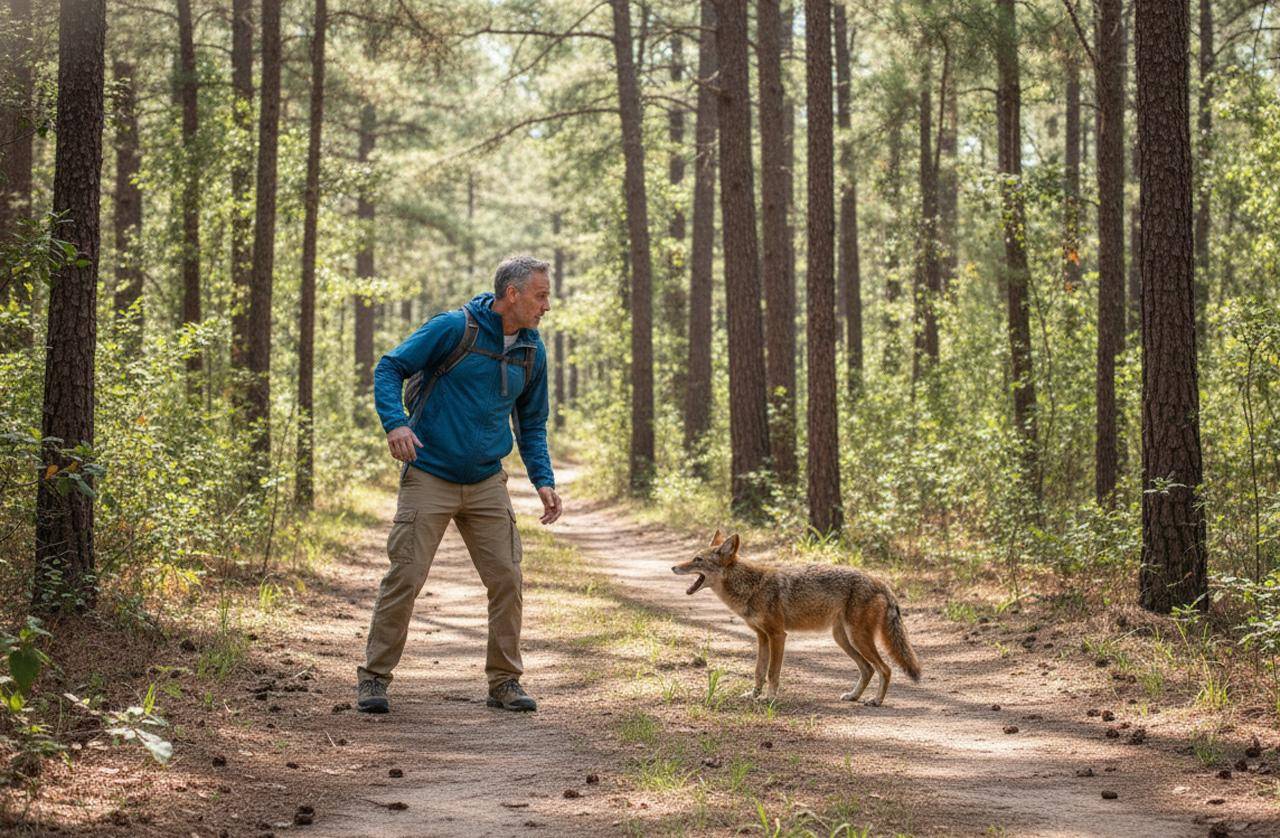
Animal encounters can turn a solo camping trip into a medical emergency faster than you'd expect - whether it's a rattlesnake under a log, ticks hitching a ride on your boots, or another camper's dog that decides you look like a threat. When you're traveling alone, there's no buddy to drive you to urgent care or help document an incident. Knowing how to read animal behavior and respond to bites becomes essential when you're your own backup. Here's what experienced solo travelers know about staying safe when wildlife gets too close.
Spotting Trouble Before It Finds You: Warning Signs and Prevention
Most encounters go sideways because someone missed the early warning signs - not because the animal attacked without reason. When you're on a solo trip, that awareness matters even more.
Reading Animal Body Language
Animals rarely attack without warning. Dogs telegraph aggression through stiff posture, pinned-back ears, and raised hackles. Wildlife freezes, bares teeth, or retreats into cover. Snakes coil up or flatten their bodies when stressed.
When you spot these signals, stop moving. Create distance slowly. That two-second pause to read the situation often prevents the bite entirely.

Which Great Lakes Cruise Line Fits You Best? A Real Comparison
What's included in your Great Lakes cruise: Real comparison of Viking Octantis, Victory, and Pearl Mist all-inclusive packages. First-hand insights on alcohol policies, excursions, and hidden costs. P

Interview with Vegas VIP Host Manny Kess
Manny Kess is a Vegas VIP host who can help plan the ultimate Las Vegas bachelor party or guys weekend.

Cruise Plus - Cellular At Sea
Seamless mobile data service for your entire cruise at sea, in port, and at destinations all for one low price.

North Thailand Motorcycle Tour to Conquer the Mountains of Mist
A 12-day guided motorcycle tour through Northern Thailand's misty mountains and hill tribe villages, ideal for riders seeking adventure and comfort.
Promoted by FlowAds

Trail Habits That Prevent Most Encounters
When planning an epic solo camping trip, pack protective boots, quality bug spray, and a comprehensive first aid kit - not the bare-bones version you'd bring with a group. Stay alert for movement and sounds around camp, especially at dawn and dusk.
Keep your distance from animal dens and burrows. Never approach wildlife for photos. Tuck pants into boots and check exposed skin hourly on the trail. When lifting logs or reaching into brush, use a stick first. Solo hikers don't have the luxury of a second set of eyes watching the trail.
Responding to Bites, Stings, and Dog Attacks
When prevention fails, quick action minimizes damage. According to the CDC, dog bites alone send over 300,000 Americans to emergency rooms annually - and solo travelers face the added challenge of managing their own care and documentation simultaneously.
Man Gear Pick of the Month
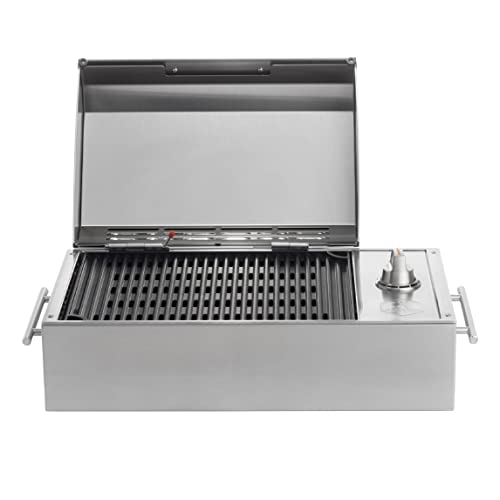
Kenyon City Grill Portable Stainless Steel Electric Grill
Why we picked it: a grill you can actually carry to the campsite, the tailgate or the cabin without borrowing a truck. Stainless, no propane tank to wrestle, and hot enough to cook for four guys rather than reheat for one.
 August's Pick LiberNovo Maxis Electric Big and Tall Ergonomic Office Chair, Graphite 52cm $1,283.00
  July's Pick Powerful Propane Torch Gun, Adjustable Flame Thrower Gun, Kitchen Torch with Detachable Design, Flamethrower Blow Torch for BBQ, Searing Steak, Welding, Camping Charcoal Lighter(Tank Not Included) $42.99
  June's Pick OYASUMI Funny BBQ Man Hot Dog Holders, 4 PCS Reusable Stainless Steel Sausage Stands, Portable Hot Dog Roasters, Barbecue Grill Accessories for Camping & Party Gifts $6.98
 Promoted by FlowAds

First Aid for Wildlife Bites and Stings
Not all bites require the same response. Snake bites may need the pressure immobilization technique to slow venom spread through your system.
For most animal bites: rinse the wound with clean water, immobilize the affected limb, and get medical help - especially if you notice swelling, numbness, or feel suddenly ill. Infection risk from animal bites runs higher than most guys realize, so even minor wounds deserve attention.
Handling Dog Bites at Campgrounds
Dog bites create immediate problems - physical injury, potential infection, and the question of who's liable. Beyond the pain, you're looking at possible time off work and medical bills that stack up fast.
Document everything immediately. Notify campground staff, photograph injuries and the location, and get contact information from witnesses. If you're camping somewhere like Canyon Creek RV Park in Tulsa where dogs are allowed, know that Oklahoma has specific liability laws. The team at DM Injury Law in Tulsa recommends consulting a local attorney quickly to understand your options for compensation.
Building a Solid Case: Evidence Collection and Incident Reporting
Incomplete documentation sinks otherwise solid insurance and legal claims. File incident reports with park rangers or campground management before you leave. Photograph injuries daily for the first week - swelling and bruising often peak around day three, which strengthens your case.
For serious injuries involving negligence, gather thorough evidence: save all medical records and document communications with staff or animal owners. Ask witnesses for written statements and contact details. When you're traveling solo, this self-documentation habit is your only record of what happened.
Why Solo Travelers Can't Afford to Skip Wildlife Prep
The difference between a great solo Oklahoma adventure and one that ends in urgent care comes down to self-reliance. Spot the warning signs before animals escalate. Act fast with proper first aid when bites happen. Document everything thoroughly since you're your only witness. That preparation lets you enjoy the freedom of traveling alone - knowing you can handle whatever the trail throws at you without backup.