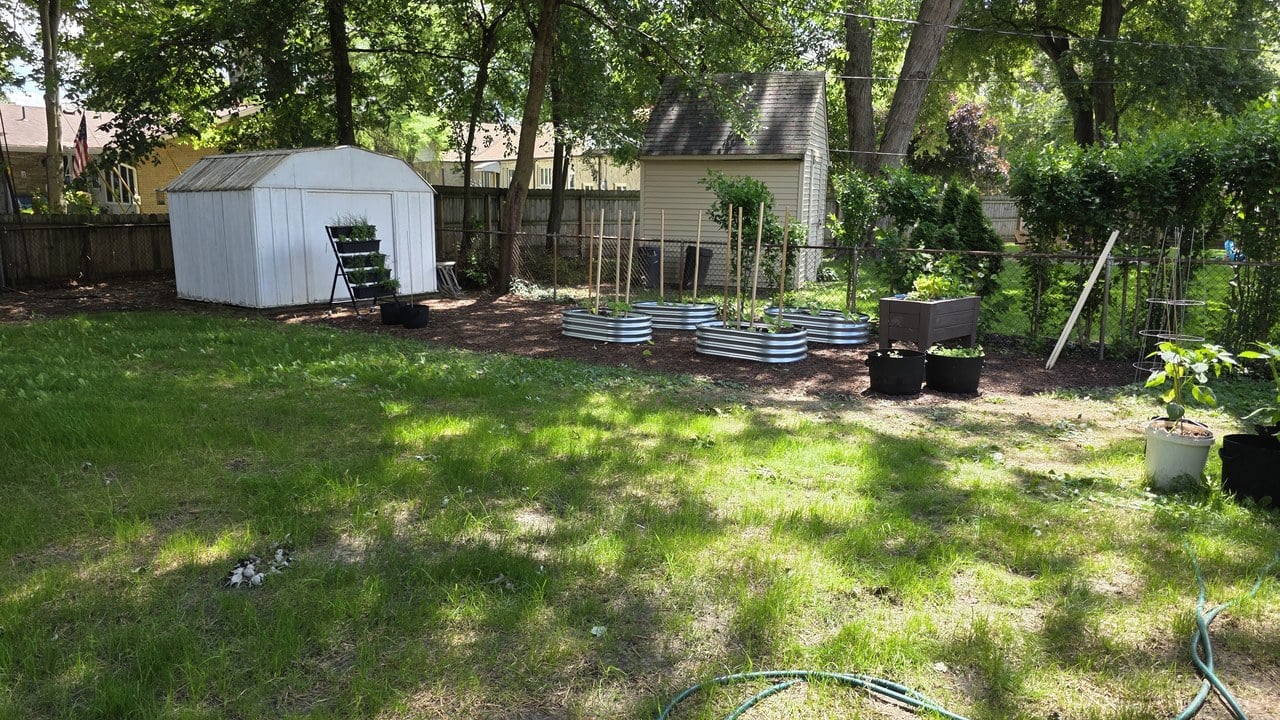
The first water-wise garden that stopped me cold was on a neighborhood garden walk in Tucson - someone had turned a strip of Sonoran desert into a living, layered landscape without running a sprinkler all afternoon. In the desert Southwest, water-wise gardening isn't a feel-good gesture. It's survival. So when I traded San Diego for the Great Lakes, sitting on top of roughly a fifth of the world's fresh surface water, I figured I could leave the whole idea back in Arizona. Then I learned what happened to Toledo's tap water in 2014, and changed my mind.
What Do You Call Your "Guys Trips"?
Water-wise gardening reads like a desert problem, but in the rain-fed Midwest it pays off in lower bills, less yard work, and cleaner lakes. Here's what this guide gets into.
- The biggest water user in most Midwest yards isn't the flower bed - it's the lawn, and you can shrink that demand without paving everything over.
- Why over-watering near the Great Lakes is a pollution problem, not just a waste problem - the same nutrient runoff that greens your grass feeds Lake Erie's algae blooms.
- Midwest-native plants - coneflower, switchgrass, prairie dropseed - that live on rainfall and shrug off a dry August.
- How a rain garden turns the soggy low spot in your yard into the hardest-working hundred square feet on the property.
- A watering schedule that builds deeper roots and a tougher lawn while using less water than the every-evening habit.
Here's the deal: the techniques that keep a Tucson garden alive on eight inches of rain a year are the same ones that make a Toledo or Grand Rapids yard cheaper, healthier, and easier to keep up - even though we measure our rainfall in feet, not inches. Water-wise gardening in the Midwest isn't about scarcity. It's about not wasting a resource we're lucky enough to take for granted, and not sending the excess straight into the water we swim in, fish, and drink.
What Toledo's Water Shutdown Has to Do With Your Lawn
In August 2014, the city of Toledo told roughly 400,000 people not to drink their tap water. A harmful algal bloom had formed over the city's water intake in Lake Erie, and the toxin it produced - microcystin - was slipping through treatment. The National Guard handed out bottled water for days, and the cleanup and lost business ran an estimated $65 million.
Those blooms are fed by phosphorus, and a big share of that phosphorus is runoff - nutrients washed off farm fields, but also off lawns and gardens in every suburb that drains toward the lake. When you over-water and over-fertilize, the surplus doesn't disappear. It runs down the storm drain, into a creek, and eventually into the same Lake Erie that supplies drinking water to roughly 11 million people.

Gorilla Carts 2-Wheel Poly Dump Cart with Foldable Handle
A 4 cu ft poly dump cart that hauls up to 300 lb, ideal for gardeners who want easy dumping and storage.
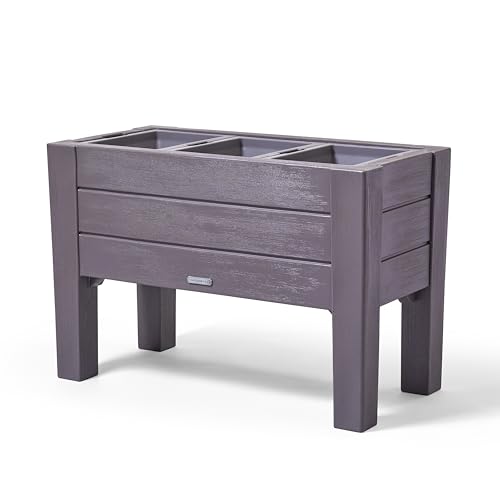
Step2 Lakewood Raised Planter Box
Step2 Lakewood raised planter box, a sturdy garden bed that suits gardeners wanting easier planting at a comfortable height.

Gorilla Carts Heavy Duty Garden Wheelbarrow, 1200 Lb, Yellow
A heavy duty all terrain garden cart that hauls up to 1200 lb, ideal for yard, lawn, and outdoor work.
Promoted by FlowAds

That's the part that reframed gardening for me. Conserving water in the Midwest isn't about running the well dry - it's about keeping what we put on our yards out of the lake. Every gallon you don't waste, and every pound of fertilizer that stays in your soil instead of the storm sewer, is a small vote for cleaner water.
Plant for the Midwest, Not the Mojave
The old water-wise playbook is full of cactus and gravel because it was written for Phoenix. In the Midwest, the move isn't desert plants - it's native plants. A coneflower, black-eyed Susan, or stand of little bluestem grew up on this rainfall and these clay soils, so once it's established it rarely needs the hose at all.
Natives also send roots down deep. Prairie species like switchgrass and prairie dropseed can root four feet or more, which lets them pull moisture from well below the surface during a dry stretch. That root depth is why they sail through a Midwest drought year like 2012 while the annuals from the garden center wilt by July.
Man Gear Pick of the Month
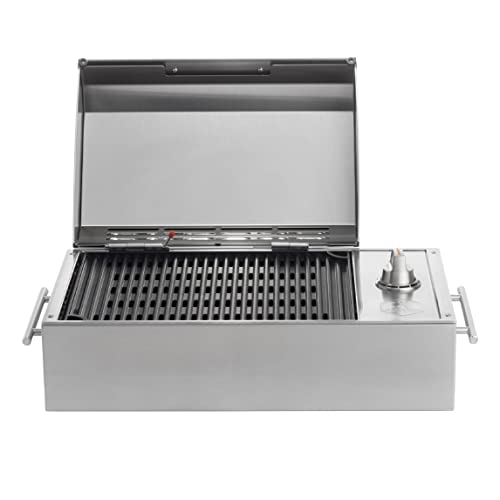
Kenyon City Grill Portable Stainless Steel Electric Grill
Why we picked it: a grill you can actually carry to the campsite, the tailgate or the cabin without borrowing a truck. Stainless, no propane tank to wrestle, and hot enough to cook for four guys rather than reheat for one.
 August's Pick LiberNovo Maxis Electric Big and Tall Ergonomic Office Chair, Graphite 52cm $1,466.00
  July's Pick Powerful Propane Torch Gun, Adjustable Flame Thrower Gun, Kitchen Torch with Detachable Design, Flamethrower Blow Torch for BBQ, Searing Steak, Welding, Camping Charcoal Lighter(Tank Not Included) $41.99
  June's Pick OYASUMI Funny BBQ Man Hot Dog Holders, 4 PCS Reusable Stainless Steel Sausage Stands, Portable Hot Dog Roasters, Barbecue Grill Accessories for Camping & Party Gifts $14.98
 Promoted by FlowAds

If you do live somewhere arid, the principle is identical and only the palette changes: succulents like echeveria and aloe, or Mediterranean herbs like rosemary, thyme, and sage, store water to ride out the dry season. Match the plant to the place and the watering mostly takes care of itself.
Build Soil That Holds the Rain
Most water complaints in a Midwest yard come down to soil. Heavy clay sheds water before it can soak in; sandy spots let it drain straight past the roots. The fix for both is the same: organic matter. Work compost or aged manure into your beds and the structure opens up, holding moisture longer and letting roots breathe.
Then mulch on top of it. A two-to-three-inch layer of wood chips, shredded leaves, or straw keeps the soil cool, slows evaporation, and smothers the weeds that would otherwise compete with your plants for water. Shredded leaves are free in October and break down into exactly what your beds want by spring.
Compost does double duty here - it mulches and feeds at the same time, which is the kind of two-for-one that keeps a garden low-maintenance. Before you amend anything, run a soil test so you're adding what your yard actually lacks instead of guessing.
Put the Runoff to Work With a Rain Garden
Every yard has a spot where water pools after a storm - the low corner, the base of a downspout, the edge of the driveway. In the desert that's a missed opportunity. In the Midwest it's the best argument for a rain garden.
A rain garden is a shallow, planted depression positioned to catch runoff and let it soak into the ground instead of rushing down the storm drain. It does two jobs at once: it waters a bed of native plants for free, and it filters out the lawn chemicals and sediment that would otherwise end up in the nearest creek. Cities across Michigan and Ohio actively encourage rain gardens for exactly that reason - they ease the load on storm sewers and keep pollutants out of the watershed.
The same thinking scales down to how you lay out the rest of the yard. Group plants by how thirsty they are - a practice called hydrozoning - so the few that want regular water are together and easy to reach, and the drought-tough natives aren't getting soaked just because they share a line. Swales and berms can steer runoff where you want it, turning a drainage headache into your irrigation.
Water Deep, Not Often
The most common watering mistake is a light sprinkle every evening. It trains roots to stay shallow and sets up disease. Water deeply and less often instead, and do it early in the morning so less burns off to evaporation before the plants can use it. The goal is to soak the root zone, not the leaves.
Stick a finger a couple of inches into the soil before you reach for the hose - if it's still damp down there, wait. A cheap moisture meter from the hardware store does the same job. Here's how that plays out across the yard:
| Area of Yard | Water-Wise Irrigation Practices |
|---|---|
| Lawn | - Water deeply but infrequently to encourage deep root growth. - Water early in the morning when temperatures are cooler. - Avoid overwatering to prevent disease and fungus. |
| Trees | - Water deeply and slowly to reach the entire root zone. - Use a soaker hose or drip line for efficient watering. - Keep water off the leaves to prevent disease. |
| Shrubs | - Water at the base of the shrub, not the leaves. - Use a drip system for efficient watering. - Water deeply but infrequently to encourage deep roots. |
| Flowers | - Water in the early morning to minimize evaporation. - Use a soaker hose or drip line to reach the root zone directly. - Avoid overwatering; most flowers prefer slightly dry conditions. |
| Vegetable Garden | - Water in the early morning or evening to minimize evaporation. - Use a soaker hose or drip line for efficient watering. - Water deeply to encourage deep roots and healthy plants. |
Adjust with the weather. Plants need far less in cool, cloudy, or rainy stretches, and in a normal Midwest summer the sky handles a good share of the watering for you - your job is mostly to not pile more on top of it.
Reduce the Lawn You Don't Use
A lawn is the thirstiest, highest-maintenance thing in most yards, and a lot of it never gets used - it just gets mowed and watered out of habit. You don't have to rip it all out. Shrinking the part you never walk on, and being smarter about the part you keep, does most of the work.
Lower-water options for the areas you're willing to convert:
- Native plant beds - adapted to local rainfall, they need far less water and care than turf once established.
- Rock gardens - rock plus small, drought-tough plants for a spot that's hard to mow anyway.
- Mulch beds - around trees and shrubs, mulch holds moisture and ends the string-trimming.
- Permeable paving - for a path or patio, it lets rain soak in instead of sheeting off toward the drain.
- Rain garden - that soggy corner, put to work as above.
For the grass you keep, a few habits make it tougher and more drought-proof: water early, mow a little higher so the blades shade their own roots, let the clippings fall to feed the soil, and aerate compacted spots so rain soaks in instead of running off. A rain barrel under one downspout will cover a surprising amount of it.
Catch the Rain Before It Leaves
The cheapest water in the Midwest falls out of the sky for free, and most of it runs off your roof and down the street. A rain barrel at the bottom of a downspout catches it - a single barrel fills fast in a Great Lakes thunderstorm - and gives you chlorine-free water that plants actually prefer. For a bigger yard, a cistern or a small lined pond holds more.
You're not collecting it because you'll run short. You're collecting it because the alternative is sending it, and whatever it picked up off your roof and lawn, straight into the storm system. Keep the barrel covered so it doesn't breed mosquitoes, and use what you catch on the garden, the car, or the patio.
Water-Wise Goes Beyond Just Using Less, It's Using Your Water Smarter!
A water-wise garden in Arizona is a survival strategy. A water-wise garden in Michigan or Ohio is something better: a choice. We've got more fresh water in our backyard than almost anyone on earth, and the way we keep it clean is one yard at a time - less runoff, less fertilizer in the storm drain, more rain soaking into the ground where it fell.
If you do one thing this weekend, make it a soil test. Your county extension office - MSU Extension in Michigan, OSU Extension in Ohio - will test it for around twenty-five dollars, sometimes free, and tell you exactly what your yard needs, which is almost always less water and fertilizer than you've been giving it. Build from there, and the garden gets easier, the bills get smaller, and the lake you grill next to in July stays the kind of place you want to be near.

Promoted by FlowAds
