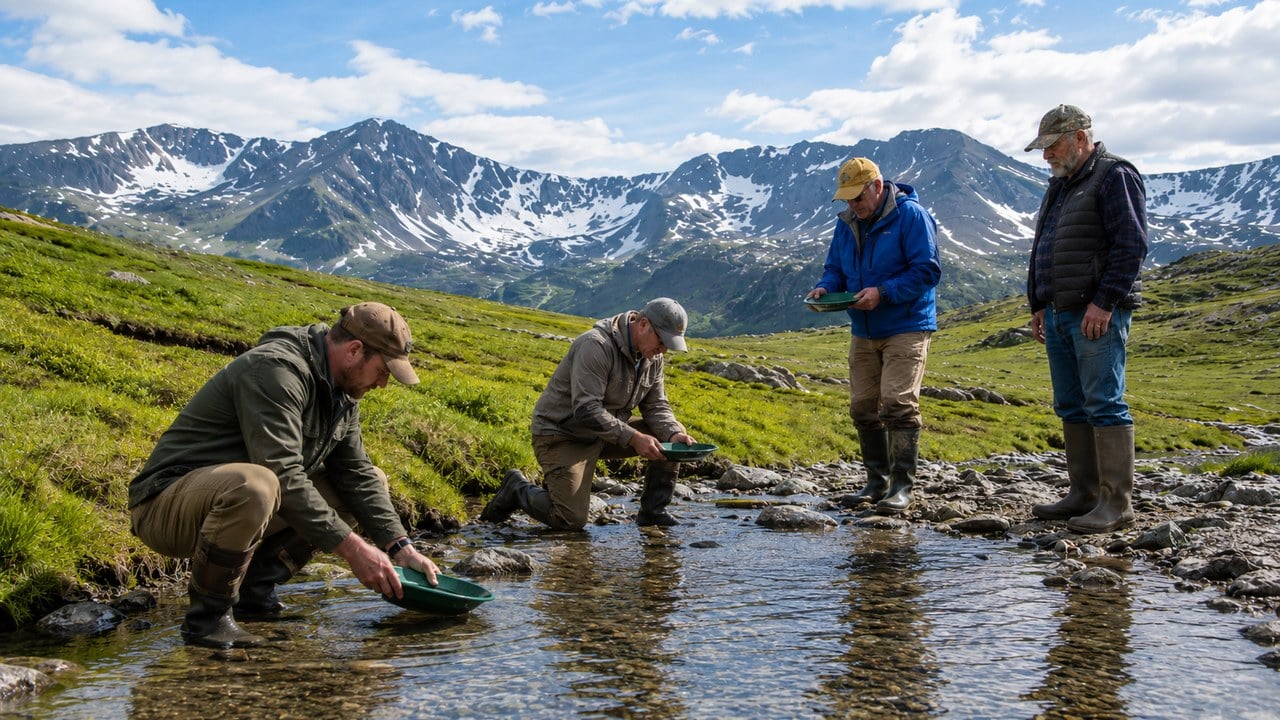
Most guys plan an Alaska road trip like a road rally - rent an SUV, book three towns, and spend half the vacation watching the highway scroll past the windshield. There's a better way and one that I'm looking forward to visiting one day is Hatcher Pass Castle. This is an off-grid lodge in the Talkeetna Mountains, a couple of hours north of Anchorage.
What Do You Call Your "Guys Trips"?
A lodge-first Alaska trip trades windshield time and logistics for guided days and one comfortable place to come back to. Here is what that actually gets you.
- All-inclusive lodges fold food, lodging, transport, and guided excursions into one price, so nobody is nickel-and-diming the group at 9 p.m.
- A local guide reads weather, wildlife, and trail conditions you cannot Google from the lower 48, which is most of the value on day one.
- Off-grid properties kill cell service on purpose, and the disconnection is the feature, not a glitch to fix.
- The Talkeetna Mountains sit under one of the Mat-Su Valley's best aurora windows, viewable on clear, dark nights from late August into April.
- Booking a single basecamp means you unpack once and spend your days outside instead of in a parking lot loading duffels.
Not all Alaska lodges are created equal, and frankly, you'll want to pick one that offers exactly what you're looking for. As an example, if you are focused on salmon fishing or hunting or even just relaxing quietly, then there are plenty of options that are perfect for those pursuits. On the other hand, places like Hatcher Pass Castle offer something I didn't quite expect to find up here - a general-purpose adventure basecamp that offers fishing, ATV tours, hiking, even a chance to go pan for gold.
So, if you are looking to book a wilderness lodge in Alaska as your basecamp, Hatcher Pass Castle is a great choice for a guys getaway since it is an all-inclusive lodge set off-grid in the Talkeetna Mountains about two hours north of Anchorage. They offer private rooms, meals, and even operate in winter for guys chasing an opportunity to view the northern lights showing up right outside the window on clear nights.
Whether your a guy that's been to the state a few times on an Alaska cruise and looking for something new or this is your first time ... I strongly encourage you to book a stay in a lodge like this if you're looking to experience "real Alaska" and save the epic road trip for a future adventure.
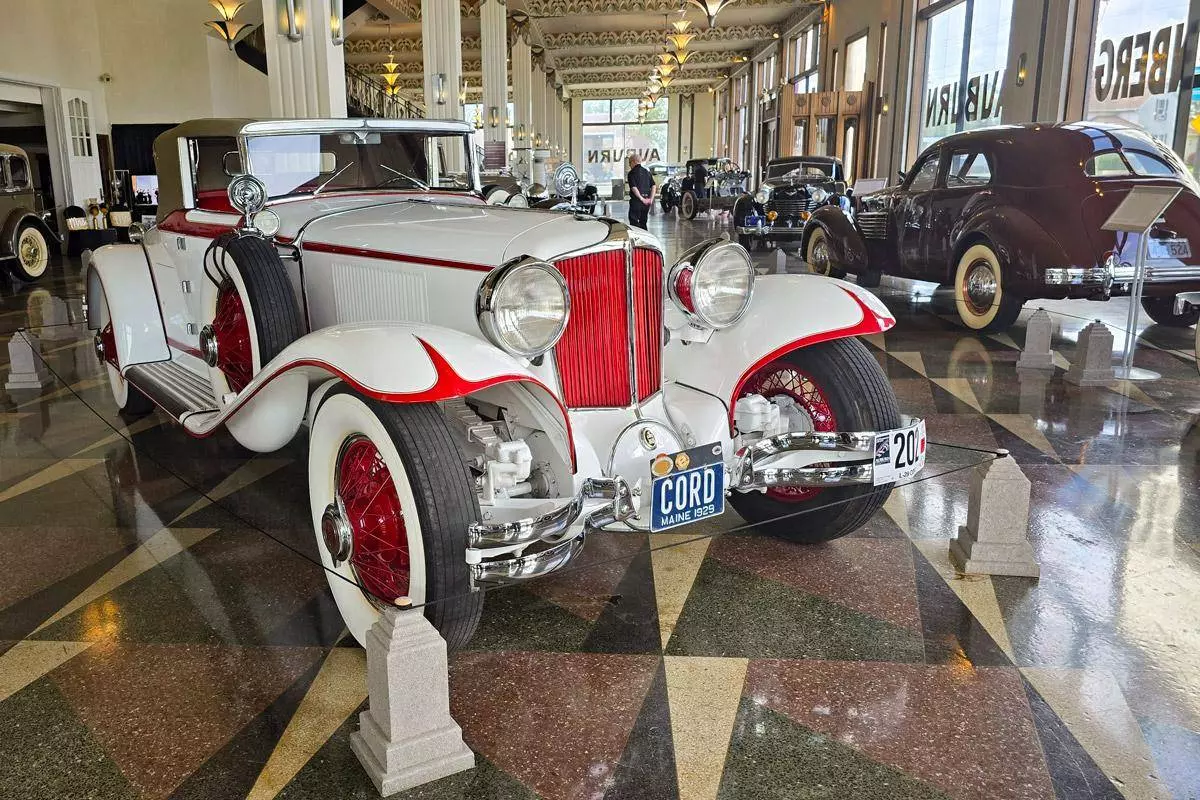
Fort Wayne Indiana Is A Great Guys Getaway Destination
Fort Wayne Indiana is a great destination for a guys trip since it has great food, awesome car museums, and tons of other stuff for men to do.
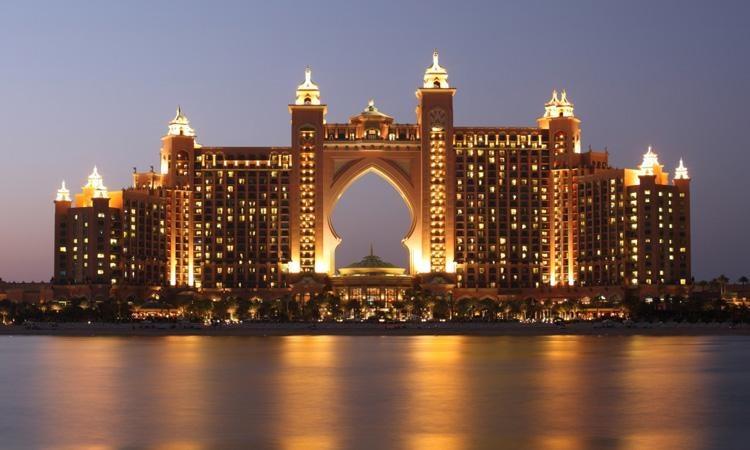
Dubai Solo Travel Guide: 12 Reasons This City is Perfect for Your Next Solo Adventure
Dubai solo travel guide: Exceptional safety meets luxury experiences. Navigate world-class dining, sophisticated nightlife and cultural immersion. Perfect for independent male travelers in this cosmopolitan city.

Social influencer and Travel Blogger Adventure on Kauai
A customizable Kauai tour with a private photographer, ideal for social influencers who love food, hiking and scenic photo spots.

5 Day Private Tour Sri Lanka
• Visit main historical attractions • Discover green highlands with tea trails • Fall in love with the ancient cities
Promoted by FlowAds

Why Picking A Basecamp Beats a Road-Trip Itinerary
Alaska is enormous, and that scale fools people into over-planning. A typical first attempt at planning an Alaska road trip has the group sleeping in a different bed every night and burning daylight on transfers. By the time you reach the good stuff, half the group is mentally and physical exhausted from driving and nobody agrees on dinner.
A fly-in basecamp flips the script. You give up the freedom to chase the whole state and you get back time, focus, and a group that is actually rested enough to enjoy a 10-mile day. The Talkeetna Mountains are built for this kind of guys' trip: alpine ridges, old mining country, glacier-fed water, and enough room that you rarely share a trail. One good lodge in the middle of it does more for the trip than three mediocre towns ever will.
Fishing, Bears, Glaciers, or the Aurora - Match the Lodge to the Goal
If salmon or trout is the whole point, you'll want a lodge sitting on a productive river, and many of those are genuinely remote fly-in operations. If it is wild bears, the famous viewing happens at fly-in spots like Katmai and Lake Clark, not on a road system. If your group is after alpine hiking, glacier country, gold-rush history, and the northern lights, a Talkeetna Mountains basecamp like Hatcher Pass Castle is squarely in that lane. It leans into glacier and high-country days, panning for gold in the creeks, wildlife, and aurora over fishing charters. Be honest with the guys about which of those buckets you are in before anyone puts down a deposit, because a lodge that nails one of them is rarely the one that nails all four.
Man Gear Pick of the Month
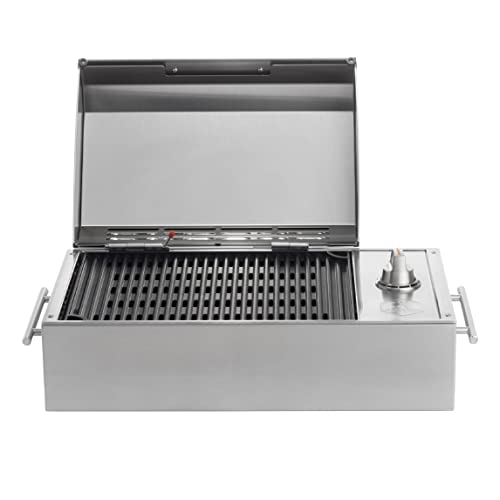
Kenyon City Grill Portable Stainless Steel Electric Grill
Why we picked it: a grill you can actually carry to the campsite, the tailgate or the cabin without borrowing a truck. Stainless, no propane tank to wrestle, and hot enough to cook for four guys rather than reheat for one.
 August's Pick LiberNovo Maxis Electric Big and Tall Ergonomic Office Chair, Graphite 52cm $1,466.00
  July's Pick Powerful Propane Torch Gun, Adjustable Flame Thrower Gun, Kitchen Torch with Detachable Design, Flamethrower Blow Torch for BBQ, Searing Steak, Welding, Camping Charcoal Lighter(Tank Not Included) $41.99
  June's Pick OYASUMI Funny BBQ Man Hot Dog Holders, 4 PCS Reusable Stainless Steel Sausage Stands, Portable Hot Dog Roasters, Barbecue Grill Accessories for Camping & Party Gifts $14.98
 Promoted by FlowAds

The Case for Going Off-Grid
The off-grid thing reads like a downside until you live it for three days. No bars means no work email creeping into dinner, no doomscrolling at the trailhead, and a group that actually talks. The better lodges keep just enough WiFi to text home and pull a weather forecast, then leave the rest of your phone useless on purpose.
That disconnection is the part guys remember. It is also the part that makes a wilderness lodge worth the premium over a hotel near the airport - you are paying to be somewhere your phone cannot follow you.
When to Go, and What Each Season Offers
There is no single best season, only the right one for what you want. Summer, roughly June through August, hands you long days, open trails, peak hiking and glacier access, and the easiest travel conditions for a first Alaska trip. The tradeoff is no aurora, because the sky never gets fully dark.
The cold months flip the script on this pattern. Aurora season runs from late August into April, with the longest, darkest, most reliable nights landing between December and March, and Hatcher Pass is named again and again as one of the Mat-Su Valley's top viewing spots. Winter also opens snowmobiling and that glassy, snowed-in quiet. Some ATV operators in Hatcher Pass also transition their ATVs to "snow cats" by replacing the tires with treads, so that's a pretty cool adventure option here in winter. My advice for a first lodge trip with the guys: go in summer for the easy logistics, or commit to a shoulder window like September when you can still hike and have a real shot at the lights on the same trip.
Getting There: How Remote Is Remote?
Almost every Alaska lodge trip starts in Anchorage, since that is where the flights and the rental fleet are. From there, "remote" splits into two camps. True fly-in lodges put you on a bush plane or floatplane for the last leg, which is unforgettable and expensive and weather-dependent. Drive-in lodges keep you on the road system, which is cheaper, more flexible, and far easier to pull off on a first trip.
Hatcher Pass Castle is the drive-in type: take the Glenn Highway north out of Anchorage toward Palmer, then climb Hatcher Pass Road into the Talkeetna Mountains, a run of roughly two hours. Heads up on that last stretch - the pass tops out near 3,900 feet and the upper road turns to gravel, so a higher-clearance vehicle earns its keep, especially after rain. Confirm the lodge's exact pickup or transfer plan when you book, since several lodges handle that leg for you.
Booking The Perfect Alaska Wilderness Adventure Getaway Without Getting Burned
The best way to choose an Alaska lodge for a guys trip is to compare the full trip cost, not just the nightly rate. Before anyone sends a deposit, make sure the package, group capacity, transportation, and cancellation terms are clear in writing.
- Compare all-inclusive vs. a la carte pricing. All-inclusive lodges usually bundle lodging, meals, transportation, and guided excursions, which makes the bill easier to split across the group. A la carte lodges may look cheaper up front, but the total can climb fast once you add guides, meals, gear, transfers, and premium activities.
- Confirm the group fit and logistics. Ask how many adult guests the lodge comfortably sleeps, how the beds are configured, and whether your group will have private space. Also confirm transportation details, since some lodges include pickup from a major city or regional airport while others require separate bush plane, boat, or rental car arrangements.
- Know exactly what is included. Get the activity list in writing so you know which excursions are part of the base package and which are paid add-ons. Big-ticket experiences like flightseeing, glacier landings, guided fishing, or in-lodge extras can add hundreds of dollars per person.
- Lock down payment terms, weather policies, and timing. Alaska lodge trips often require meaningful deposits, and weather can disrupt floatplanes, fishing, boat trips, glacier tours, and aurora viewing. Clarify cancellation rules, backup plans, rescheduling policies, and book early because the best summer dates and prime aurora weekends can fill months ahead.
The goal is not just to find the cheapest Alaska lodge, but to avoid unexpected costs and ensure the experience your group expects is the one you actually booked.
What First-Timers Get Wrong
The number one mistake is over-scheduling. Guys see the menu of glacier hikes, gold panning, wildlife, and aurora nights and try to cram all of it into four days. Pick two anchor activities a day and leave margin, because Alaska weather will cancel something and you want the room to roll with it.
The rest of the list is predictable and avoidable. Pack layers and real rain gear instead of cotton and optimism. Treat the lodge like the wilderness outpost it is, not a hotel with room service. Expect your phone to be a camera and nothing else. Budget for the add-ons before you arrive instead of getting surprised at checkout. And do not book the trip a month out and expect the calendar to cooperate.
A Guys Trip Adventure Is About Doing What Other Guys Only Dream Of
The trips guys still talk about years later are almost never the ones that covered the most ground. They are the ones with one good basecamp, a couple of hard days outside, and a night the whole group stood in the cold watching the sky move. Build in one true buffer day for weather so a single bad forecast does not torch the itinerary, and if the aurora is on your list, check the University of Alaska Fairbanks Geophysical Institute forecast each night before you commit to a late session. Book the lodge, pick your two things a day, and let Alaska handle the rest.
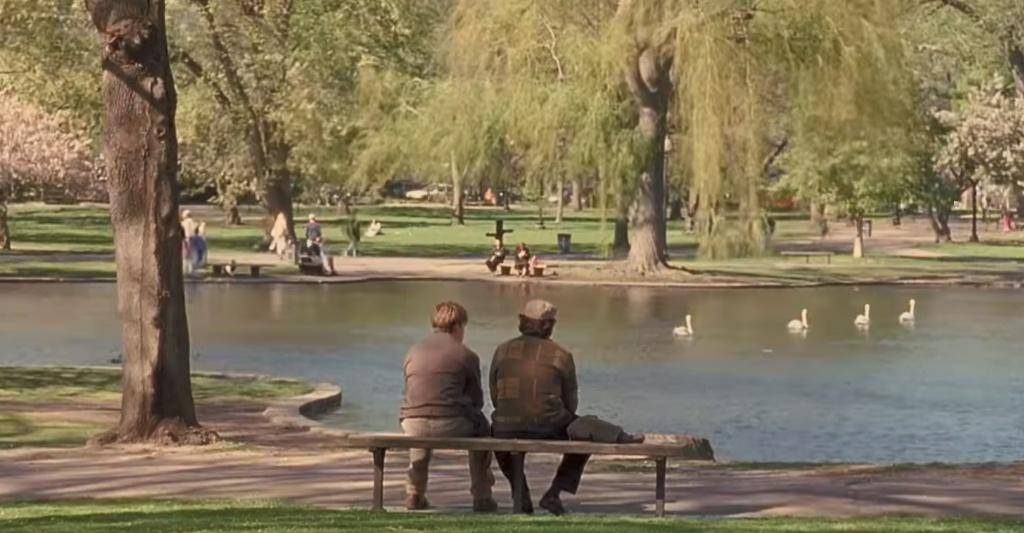
Good Will Hunting to The Departed: A Guys Film Tour of Boston
Boston film locations guys weekend: walk the real spots from Good Will Hunting, The Departed, The Town, and Spotlight. L Street Tavern, the Public Garden bench, and Charlestown — every neighborhood tells a story.
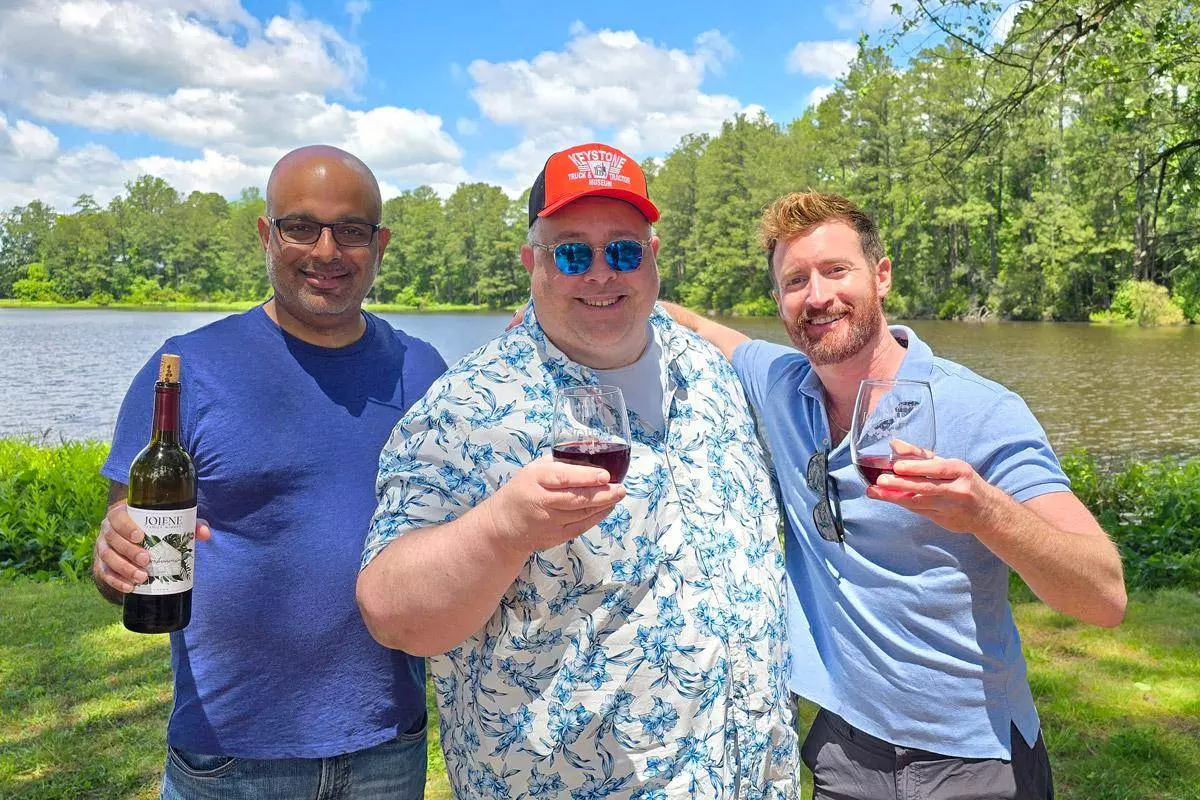
Why Richmond Virginia Is An Awesome Place For A Guys Trip
Richmond Virginia is a great destination for an awesome guys weekend getaway.
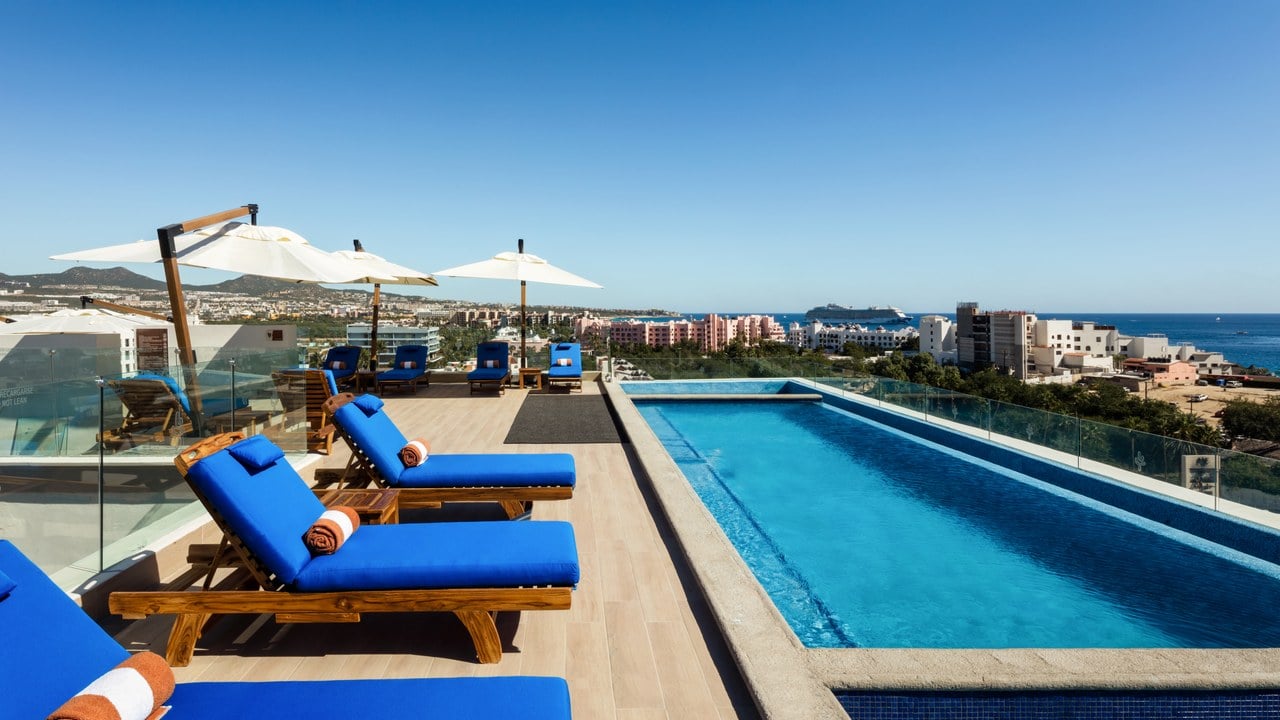
Our Picks For 28 of the Best Resorts for a Father-Son Getaway
28 resorts for a father-son getaway - from a downtown Cabo all-inclusive to a Wisconsin golf pilgrimage to an Alaska fish camp. Find the trip that fits the two of you.
Promoted by FlowAds
