Standing in a Kona coffee plantation on the Big Island wasn't in the original itinerary - but watching the harvest and processing on-site at Hula Daddy Kona Coffee was one of those moments that changes how you think about a simple cup of joe. The coffee you're drinking came from somewhere specific, grown at a specific altitude, processed in a specific way and cultivated by a unique group of people with their own culture. I picked these destinations because they are perfect for guys who love to explore coffee culture through travel, the same way they do wine, whiskey, or rum!.
What Do You Call Your "Guys Trips"?
A great coffee trip isn't just a destination - it's how you build the experiences around it. These are the elements worth planning before you book.
- Book a cupping session before any farm tour - learning to identify flavor profiles (acidity, body, finish) makes every tasting that follows significantly more interesting.
- Look for coffee cooking classes at your destination - coffee-rubbed meats, coffee-braised short ribs, and espresso-based desserts show up in regional cuisine in ways most travelers miss entirely.
- Seek out coffee cocktail bars separately from the farm circuit - cold brew negronis, espresso martini variations, and locally distilled coffee liqueurs are worth a dedicated evening.
- Ask specifically about wet versus dry processing when touring a farm - the flavor difference is dramatic and most guides will walk you through a side-by-side taste if you ask.
- Ship beans home directly from the estate rather than buying at the airport - estate shipping preserves freshness and guarantees provenance in a way shrink-wrapped airport bags never do.
These are the sacred coffee rituals worth planning a trip around - places where the preparation, the origin, or the culture makes the coffee worth going out of your way for.
Ethiopia Invented Coffee. The Jebena Buna Ceremony Proves It.
Ethiopia is the geographic origin of Coffea arabica, and the Jebena Buna is arguably the oldest coffee ritual still practiced at scale anywhere in the world. Raw green beans are roasted over an open flame in front of guests, the pan passed around so everyone can inhale the smoke as a mark of welcome. Beans are ground by hand in a mortar called a mukecha and brewed in a rounded clay pot - the jebena - while incense burns throughout.
Coffee comes in three rounds: abol, tona, and baraka ("blessing"). Declining one is considered impolite. The full ceremony runs two hours or more. In Addis Ababa and in Jimma - a town deep in the Oromia coffee-growing region - families and coffee houses regularly welcome visitors. Ethiopia has been pursuing UNESCO recognition for the ceremony, and Turkish coffee already holds that designation. The Ethiopian case is strong.
Quick Ways To Make Great Coffee On The Road
tips and advice for making great coffee while traveling on a road trip

WACACO Nanopresso Portable Espresso Machine
WACACO Nanopresso portable espresso machine for brewing espresso anywhere. Suits travelers, campers and coffee lovers on the go.
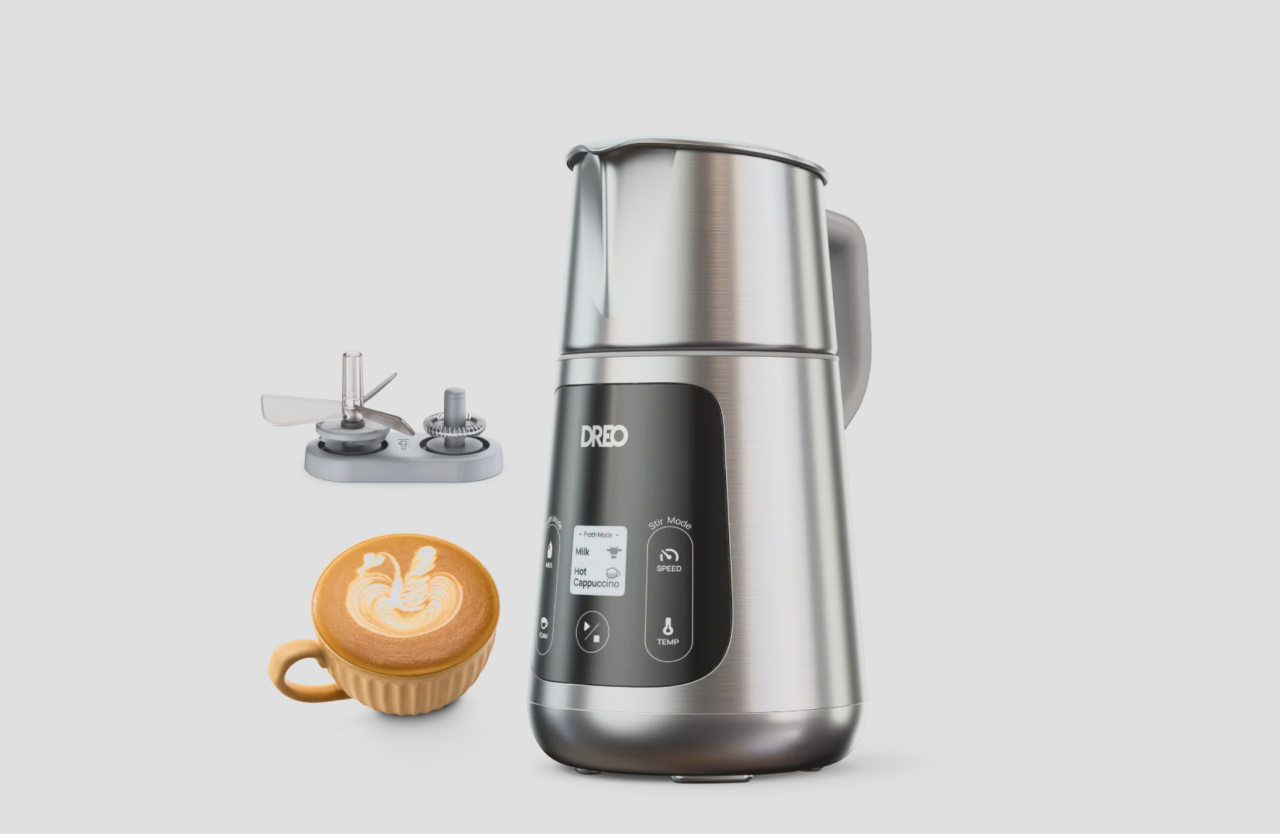
Dreo Barista Maker Milk Frother Review: Elevating Home Coffee Beyond Basic Brewing
Dreo BaristaMaker milk frother review: professional microfoam quality, versatile hot/cold functions, and multi-purpose design for coffee drinks, cocktails, and protein shakes at home.

WACACO PIXAPRESSO, Coffee Machine Electric & Portable
The Wacaco PixaPresso is an electric portable coffee machine, ideal for making coffee anywhere at home or on the go.

Wacaco Picopresso Portable Espresso Maker with Case
A manually operated travel espresso maker for pro-level specialty coffee, bundled with a protective case. Suits coffee lovers on the go.
Promoted by FlowAds

The Istanbul Coffee Tradition That Comes With a Fortune Reading
Turkey doesn't grow coffee - it imports everything - but what it does with the cup earned a UNESCO designation, and the preparation alone makes the case. Finely ground coffee simmers in a small copper pot called a cezve, never boiling, just frothing, then poured unfiltered alongside water to clear the palate first.
After drinking, tradition calls for inverting the cup onto the saucer, letting it cool, and reading the grounds - a practice called tasseography that has been part of Turkish social life for centuries. In Istanbul's Beyoğlu and Balat neighborhoods, the teahouse culture runs deeper than the tourist circuit suggests. Sit in the right place long enough and someone will offer to read your cup.
Colombia's Coffee Triangle: Pick It, Process It, Drink It the Same Day
The Colombian coffee region - the Eje Cafetero, covering Quindío, Risaralda, and Caldas - is one of the most accessible farm-to-cup experiences in the world. Salento is the entry point: hike the Valle de Cocora in the morning, pick coffee on a working finca in the afternoon, watch those beans processed at a cooperative mill before dark. Finca El Ocaso, a few kilometers outside Salento, runs daily tours and takes overnight guests - stays run roughly $50 to $80 per person and put you in the middle of the growing fields at sunrise.
Man Gear Pick of the Month
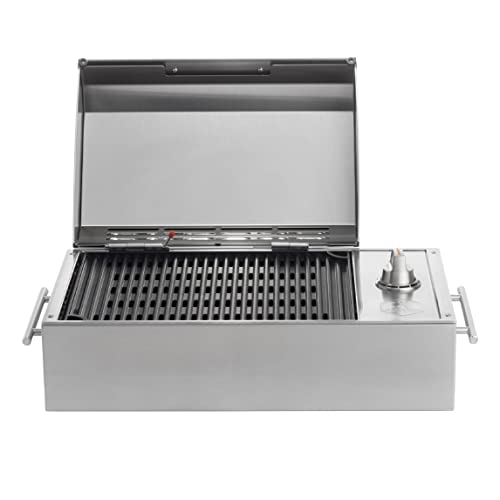
Kenyon City Grill Portable Stainless Steel Electric Grill
Why we picked it: a grill you can actually carry to the campsite, the tailgate or the cabin without borrowing a truck. Stainless, no propane tank to wrestle, and hot enough to cook for four guys rather than reheat for one.
 August's Pick LiberNovo Maxis Electric Big and Tall Ergonomic Office Chair, Graphite 52cm $1,283.00
  July's Pick Powerful Propane Torch Gun, Adjustable Flame Thrower Gun, Kitchen Torch with Detachable Design, Flamethrower Blow Torch for BBQ, Searing Steak, Welding, Camping Charcoal Lighter(Tank Not Included) $42.99
  June's Pick OYASUMI Funny BBQ Man Hot Dog Holders, 4 PCS Reusable Stainless Steel Sausage Stands, Portable Hot Dog Roasters, Barbecue Grill Accessories for Camping & Party Gifts $6.98
 Promoted by FlowAds

Colombian coffee grows between 1,200 and 2,000 meters above sea level. The altitude produces the clean brightness the country is known for. A long weekend in Salento with the guys works as a standalone trip or as a leg of a wider Colombia itinerary - Medellín is three hours by road and opens up a full city experience if the group wants it.
Hanoi's Two Coffee Preparations Have No Equivalent Anywhere Else
Vietnam is the world's second-largest coffee producer, and Hanoi has developed two preparations that don't exist anywhere else. Cà phê trứng - egg coffee - is strong Robusta topped with whipped egg yolk, condensed milk, and sugar, served hot or cold. The texture sits somewhere between a tiramisu and a latte. Cà phê chồn - weasel coffee, sometimes marketed as cat coffee - comes from beans processed through Asian palm civets. The fermentation reduces bitterness and smooths the body considerably.
Order both in the same sitting. It costs almost nothing and tells you more about Vietnamese coffee culture than an hour of reading. Café Giang in the Old Quarter has been serving egg coffee since the 1940s and is the standard reference point.
Hawaii Grows Coffee. Most Guys Don't Know That Until They're Already There.
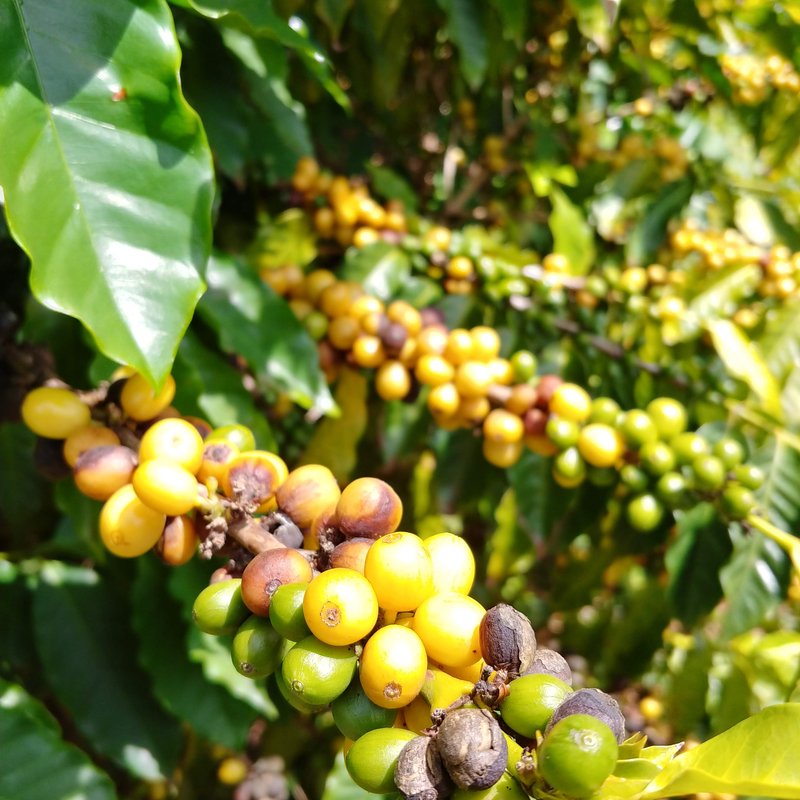
That plantation visit at Hula Daddy Kona Coffee on the Big Island reframed the whole trip. Watching the cherry harvest, the pulping, the drying racks - it made clear how much goes into the cup before it ever reaches a roaster. Hawaii is the only US state that produces coffee at commercial scale, and if you're interested in the full agricultural picture beyond coffee - cattle ranches, pineapple farms, sugarcane operations - there's a lot more to explore across the islands through ranches, farms, and plantations in the Hawaiian Islands.
Kona grows on the Big Island's western slopes between Kailua-Kona and Honaunau. Volcanic soil and afternoon cloud cover produce a clean, mild cup. Genuine 100% Kona runs $30 to $60 per pound retail - Hula Daddy offers orchard tours by reservation and daily tastings at their visitor center. The Kona Coffee Living History Farm near Honaunau is the more authentic option if you want the full historical context rather than a commercial tasting experience. Skip anything labeled "Kona blend" in tourist shops; by Hawaii state law, those products can contain as little as 10% actual Kona beans.
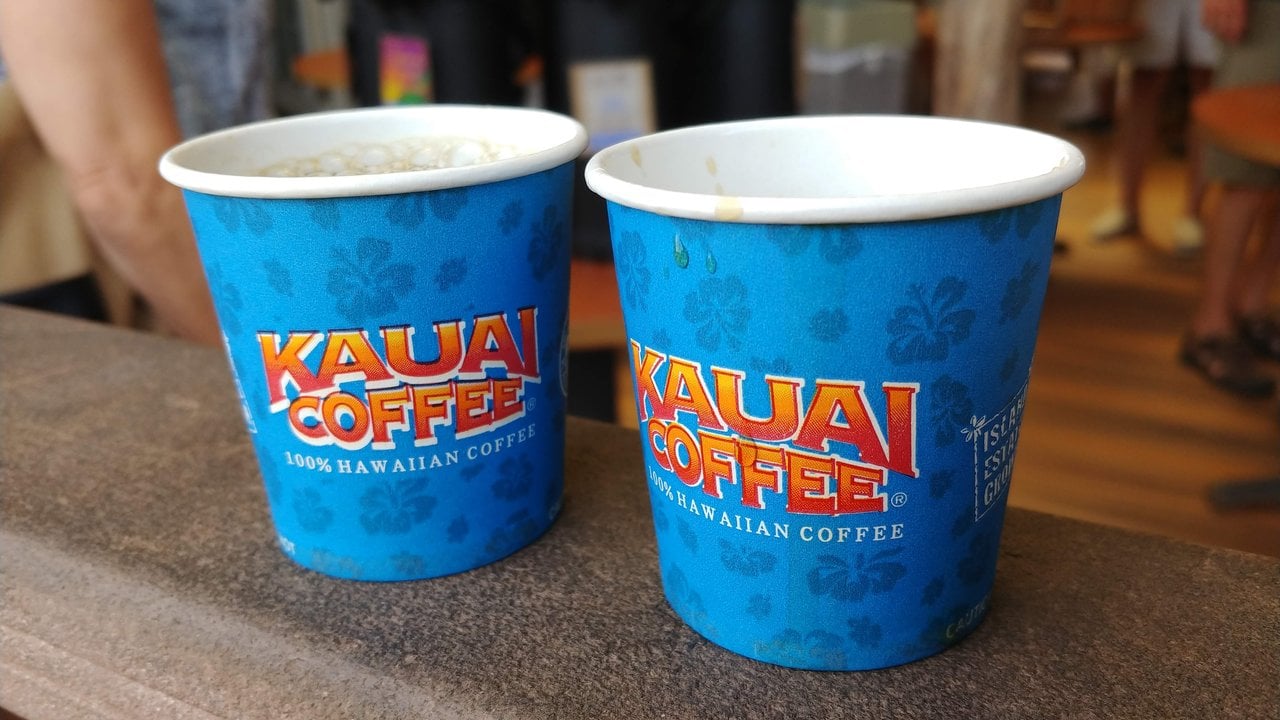
Kauai Coffee Estate in Kalaheo runs a self-guided tour and tasting bar open daily, with multiple varietals grown on-site so you can compare processing methods side by side. Most guys doing a Kauai trip for fishing or hiking don't know it exists until someone in the group mentions it.
Japan Buys Most of Jamaica's Blue Mountain Coffee. Here's How to Beat Them to It.
Jamaica's Blue Mountain coffee grows between 3,000 and 5,500 feet in the eastern parishes of St. Andrew, St. Thomas, and Portland - conditions that slow development and concentrate flavor in a way lowland growing can't replicate. Mavis Bank Coffee Factory, operating since 1923, offers tours of the full wet processing from cherry to parchment. Old Tavern Estate does smaller tours by appointment, with the owners walking you through their specific methods.
Japan has historically purchased the majority of Jamaica's Blue Mountain production - commonly cited at around 80%, though the current figure varies by year. The US market gets what's left, which means buying directly from an estate on the mountain is the most reliable way to get the real thing. The drive up from Kingston takes about 90 minutes - arrange a local guide for the road conditions.
Come Home a Better Coffee Enthusiast
The guys who do these trips - Hawaii, Colombia, Jamaica - tend to come home as different coffee buyers. Once you've stood in a growing region and watched the process, you start paying attention to origin, altitude, and processing method the way you'd pay attention to a whiskey's distillery and age statement.
Understanding the health benefits of coffee is worth adding to that picture. Start with single-origin beans from the region you visited and one consistent brew method. The Specialty Coffee Association maintains a global directory for travelers mapping regional coffee culture before they book. Book the Hula Daddy orchard tour, taste the day's roast on-site, and ship a bag home before you leave the island - that's the one move that turns a good Hawaii trip into a great one.

Promoted by FlowAds
