
Hotel safety has less to do with brand reputation and security cameras than most travelers assume. According to research from the U.S. Department of Justice, the factors that actually protect guests - room location, personal vigilance, and knowing when to report incidents - rarely match the shortcuts people rely on when checking in tired after a long flight. Whether you're traveling for a work conference, a bachelor party weekend, or a guys trip with old college buddies, these eight myths could leave you more exposed than you realize.
What Do You Call Your "Guys Trips"?
The flight is over. You roll your suitcase into the lobby, breathe out, and let the warm lighting and soft music convince you the hard part is done. Your brain switches into vacation mode the moment you get that keycard. But a lot of what makes a hotel feel safe has nothing to do with what actually keeps you safe.
Hotel Safety Myths That Leave You Exposed
Most travelers check in and assume everything is already handled. The brand name is familiar, the lobby looks sharp, and cameras dot every hallway. But these assumptions create blind spots that experienced travelers - and unfortunately, experienced criminals - know all too well.
A Big Brand Name Guarantees Your Safety
A familiar logo makes it easy to trust a property, but each building runs differently. Safety depends on how well the local staff handle things like elevator access, broken locks, dim hallways, and how quickly they respond when a guest reports a concern. Even high-end hotels can have problems if a manager dismisses complaints or maintenance falls behind.
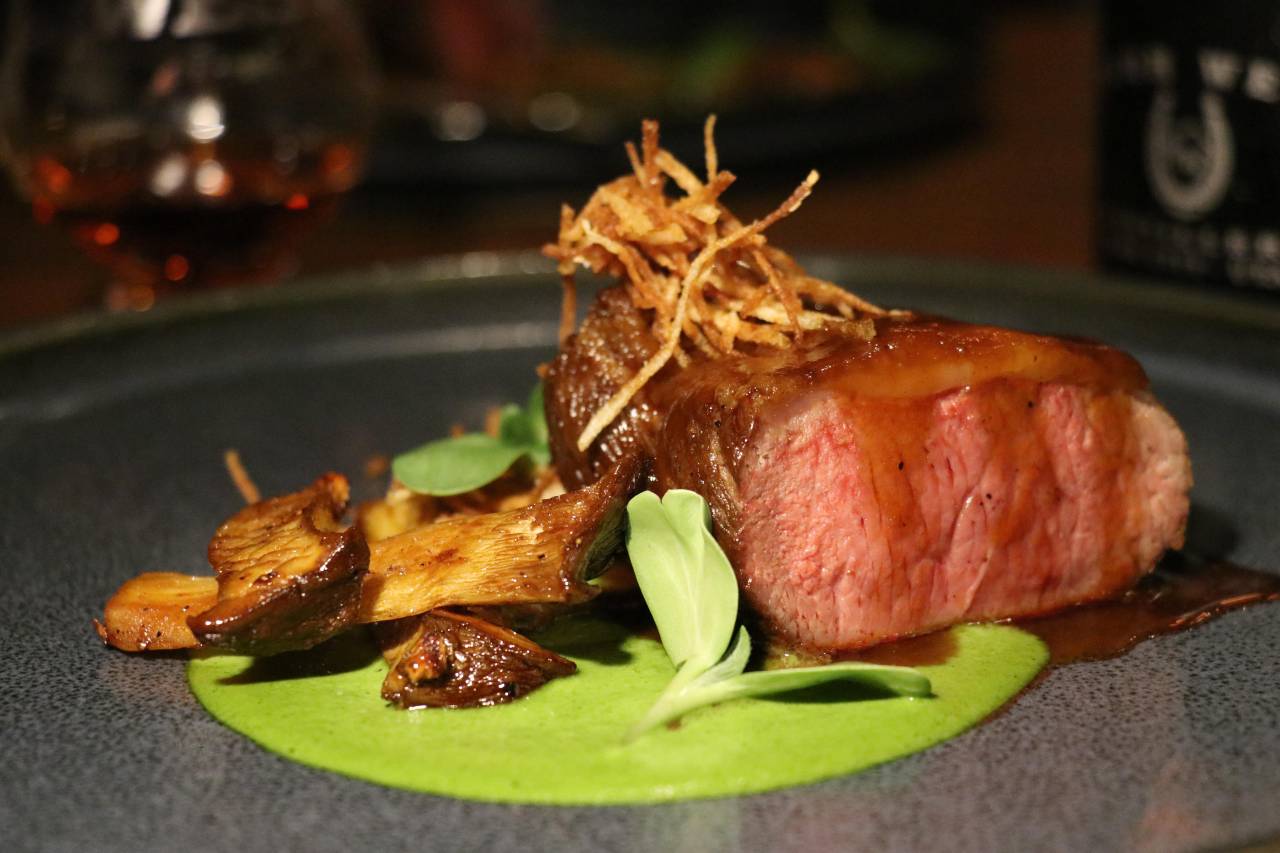
Six-Course Whiskey Pairing Dinner at High West's Nelson Cottage
High West's Nelson Cottage delivers six-course prix fixe dinners with expert whiskey pairings in historic Park City home. $110 per person, $80 for elevated pairing. Laid back atmosphere, creative cuisine, exceptional value.

How to Get Kicked Off a Cruise Ship in 2026: Behaviors That End Your Vacation Early
Cruise lines removed dozens of passengers in 2024 and 2025 for fights, drugs, and dangerous stunts. Learn what triggers immediate removal, lifetime bans, and how to protect your vacation investment be

6 Days Vietnam Essential Tour
Tour Vietnam's highlights from Saigon to Hanoi, with the Cu Chi tunnels, Mekong Delta and an overnight Halong Bay cruise. Ideal for first-time visitors.

Glaciers, Salmon, Bears and More on an Alaska Cruise
An Alaska cruise is a bucket-list experience for many people. Here's what to expect.
Promoted by FlowAds

When you're booking accommodations for a work trip or coordinating lodging for Colorado guys trips or Arizona golf outings, the brand matters less than the specific property's track record. Check recent reviews for security complaints before booking.
Protect yourself: Test your space when you arrive. Verify the deadbolt and chain work properly, confirm the phone connects to the front desk, and locate your nearest exit before you unpack. If anything is broken, request a room change immediately.
Only Women Need to Worry About Personal Safety
Hotel safety advice often focuses exclusively on female travelers, but men face significant risks too - and they're far less likely to take precautions or report incidents when something goes wrong.
Man Gear Pick of the Month
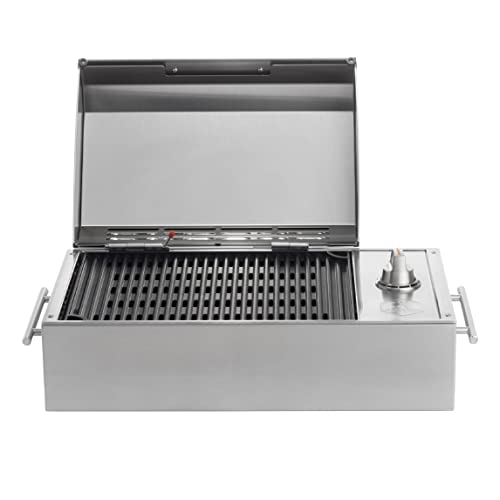
Kenyon City Grill Portable Stainless Steel Electric Grill
Why we picked it: a grill you can actually carry to the campsite, the tailgate or the cabin without borrowing a truck. Stainless, no propane tank to wrestle, and hot enough to cook for four guys rather than reheat for one.
 August's Pick LiberNovo Maxis Electric Big and Tall Ergonomic Office Chair, Graphite 52cm $1,283.00
  July's Pick Powerful Propane Torch Gun, Adjustable Flame Thrower Gun, Kitchen Torch with Detachable Design, Flamethrower Blow Torch for BBQ, Searing Steak, Welding, Camping Charcoal Lighter(Tank Not Included) $42.99
  June's Pick OYASUMI Funny BBQ Man Hot Dog Holders, 4 PCS Reusable Stainless Steel Sausage Stands, Portable Hot Dog Roasters, Barbecue Grill Accessories for Camping & Party Gifts $6.98
 Promoted by FlowAds

According to the Bureau of Justice Statistics, men experience robbery at more than twice the rate of women - 21 victimizations per 1,000 males compared to 9 per 1,000 females. When it comes to violent crime overall, 2022 statistics show nearly equal numbers of male and female victims at approximately 1.75 million each. Tourists of any gender are lucrative targets because they typically carry cash, are on unfamiliar ground, and are less likely to report crimes or return to testify.
Sexual assault affects men more than most people realize. According to the CDC's National Intimate Partner and Sexual Violence Survey, nearly 1 in 4 men in the U.S. have experienced some form of contact sexual violence in their lifetime. Research published in the American Journal of Public Health indicates that 90-95% of male sexual assaults go unreported due to stigma, disbelief, and cultural expectations about masculinity.
Protect yourself: The same principles apply regardless of gender. Stay aware of your surroundings, avoid isolated areas after dark, watch your drink at the hotel bar, and don't dismiss gut feelings just because you think you're supposed to handle anything. When traveling with buddies, look out for each other - if someone seems too intoxicated or is being led somewhere by a stranger, intervene.
Reporting an Incident Will Only Make Things Worse
Many guests hesitate to report something serious because they're worried nobody will believe them, or they don't want to answer questions when they're already shaken. But reporting creates an official record that matters whether you pursue the situation further or not.
Consider something as serious as sexual assault. There have been numerous hotel sexual assault claims in Illinois, Florida, Arizona, New York, California - every state deals with these cases. Men and women alike face both medical and legal emergencies in these situations. Sexual assault can cause internal injuries, risk of STIs and pregnancy, acute trauma responses, and memory distortion.
Physical evidence deteriorates rapidly within a 24-72 hour window. Even if you're not ready to decide what to do next - which is completely understandable - documenting what happened preserves your options.
Protect yourself: Get medical care first, then document everything with photos, notes, and witness names. For men specifically, the stigma around male victimization is real, but so is your right to medical care and legal recourse. Resources like 1in6.org exist specifically to support male survivors. Whatever you decide later, having documentation keeps your choices open.
Security Cameras Mean Someone Is Always Watching
Cameras make people feel like there's constant protection following them around the property. According to a hospitality industry survey, 95% of hotels have invested in surveillance systems - but most properties don't have someone monitoring feeds in real time. Staff typically review footage only after something happens.
Coverage also varies significantly. Side stairwells, isolated parking spots, and secondary exits often have limited or no camera coverage. According to research backed by the U.S. Department of Justice, CCTV has the biggest crime-deterrent impact in parking areas - one of a hotel's most vulnerable spots - but the deterrent effect depends on cameras being visible and well-maintained.
Protect yourself: Don't rely on the system. Stick to brighter, busier hallways and stay alert when walking to your room, especially late at night. If something feels off, skip the shortcut through the empty corridor. When returning from a guys night out, take the main route even if it's longer.
Higher Floors Are Always the Safest Option
Being high up does put distance between you and street-level access, but it creates other vulnerabilities. Evacuation during an emergency takes longer, and if elevators shut down, crowded stairwells can become smoky and chaotic during a fire.
According to safety experts and the U.S. Department of State, the ideal range is between floors 2 and 6 - high enough to deter break-ins through windows, but low enough to evacuate quickly and within reach of most fire engine ladders. Security consultant and former intelligence officer Jonathan Bancroft recommends floors 2-4 specifically, noting he never requests the top floor.
What matters more than floor number is how the hotel controls access. Keycard-restricted elevators and locked stairwell doors provide meaningful protection. A well-secured third floor beats an unsecured penthouse.
Protect yourself: Request a room between floors 2 and 6 when booking or at check-in. Once you drop your bags, take 10 seconds to locate the nearest exit and count the doors between your room and the stairwell. Walk the route once so you could find it in the dark or smoke.
The Front Desk Would Never Call Asking for Your Credit Card
Actually, they wouldn't - but scammers will. The fake front desk call is one of the most common hotel scams, and it specifically targets business travelers and tourists who are tired and off-guard.
Here's how it works: a scammer calls the hotel and asks to be transferred to a random room number. When you answer, they claim to be from the front desk and say there's a problem with your credit card on file. They need you to "re-verify" your card number, expiration date, and CVV. According to the Better Business Bureau, these calls often come late at night or early in the morning when you're groggy and more likely to comply without thinking.
The reality: if there's actually a problem with your card, the hotel knows before you finish checking in. A legitimate front desk will never call your room asking for credit card information over the phone.
Protect yourself: Hang up immediately on any call requesting payment information. Then call the front desk yourself using the number on the hotel phone or directory - not any number the caller gave you - and report the attempted scam. The Massachusetts Office of Consumer Affairs specifically warns travelers to handle all financial business face-to-face at the front desk. Also verify any food delivery menus slipped under your door before calling those numbers.
The Hotel Wi-Fi Is Safe Because It Requires a Password
That password-protected network might not be what it seems. Cybersecurity experts have found that approximately 1 in 6 hotels in busy urban areas have at least one rogue network nearby using names designed to look legitimate - things like "HotelGuest_Free" or "Marriott_Lobby_WiFi."
Once you connect to a fake network, hackers can intercept data packets and steal passwords or payment details within seconds. The risk increases when you're checking email, logging into banking apps, or making purchases.
Protect yourself: Before connecting, ask the front desk for the exact network name and password. Use a VPN for anything sensitive - most cost under $10/month and take seconds to activate. Avoid logging into financial accounts or accessing sensitive work documents on public Wi-Fi entirely. If you need to check your bank balance, switch to cellular data first.
If Something Feels Off, You're Probably Overreacting
It's common to talk yourself out of your own instincts. You don't want to be rude or dramatic, so you brush off that twist in your stomach. But according to neuroscience research, your body notices and processes threats before you consciously recognize them. Someone pacing near your door, a stranger with a vague excuse for being in the hallway, a door that shouldn't be open - your brain flags these patterns faster than you can articulate why.
Trust your instincts. It doesn't make you paranoid.
Protect yourself: Change elevators if someone gives you a bad feeling. Ask for a different room if something seems wrong. Walk back to the lobby and tell the front desk you're uncomfortable. You need zero proof to take care of yourself. When traveling with buddies, take those gut feelings seriously rather than giving each other grief for being cautious - that five minutes of awkwardness beats the alternative.
The Parking Lot Problem Nobody Talks About
Research consistently identifies hotel parking areas as one of the highest-risk zones on the property. According to the National Insurance Crime Bureau, 932,329 vehicles were reported stolen in 2021 - and hotel parking lots are prime hunting grounds because guests often leave valuables visible and the areas are poorly monitored after dark.
Beyond vehicle theft, parking structures and lots are where many robberies and assaults occur. They're often poorly lit, have limited camera coverage, and provide easy escape routes for criminals.
Protect yourself: Have your keys ready before you reach the car. Park in well-lit areas near entrances when possible. Don't leave valuables visible - even an empty bag can tempt a smash-and-grab. If you're returning late after Nevada guys trips or Florida bachelor parties, walk with your group rather than splitting up. Stay off your phone while walking so you can see what's around you.
Smart Habits That Actually Protect You
Real hotel security comes down to habits you control, not assumptions about the property. The 2023 State of the Hotel Industry report from the American Hotel and Lodging Association found that 45% of Americans rank cleanliness and safety protocols among their top three booking factors - but few travelers take the simple steps that matter most once they arrive.
Build a 30-second arrival routine: test the locks, check the phone, locate the exit, close the curtains. Keep the "Do Not Disturb" sign up when you're out to discourage entry. Use the room safe for valuables and passport. Leave the TV on at low volume when you leave - according to security professionals, this simple trick creates the impression someone is inside and costs nothing.
One more tip that experienced travelers swear by: text a friend your hotel name and room number when you arrive somewhere unfamiliar. It takes 30 seconds and creates a safety net if something goes wrong. That small habit has made a real difference for people who needed it.
The goal isn't paranoia - it's awareness that lets you relax and enjoy your trip because you've already handled the basics.

Promoted by FlowAds
