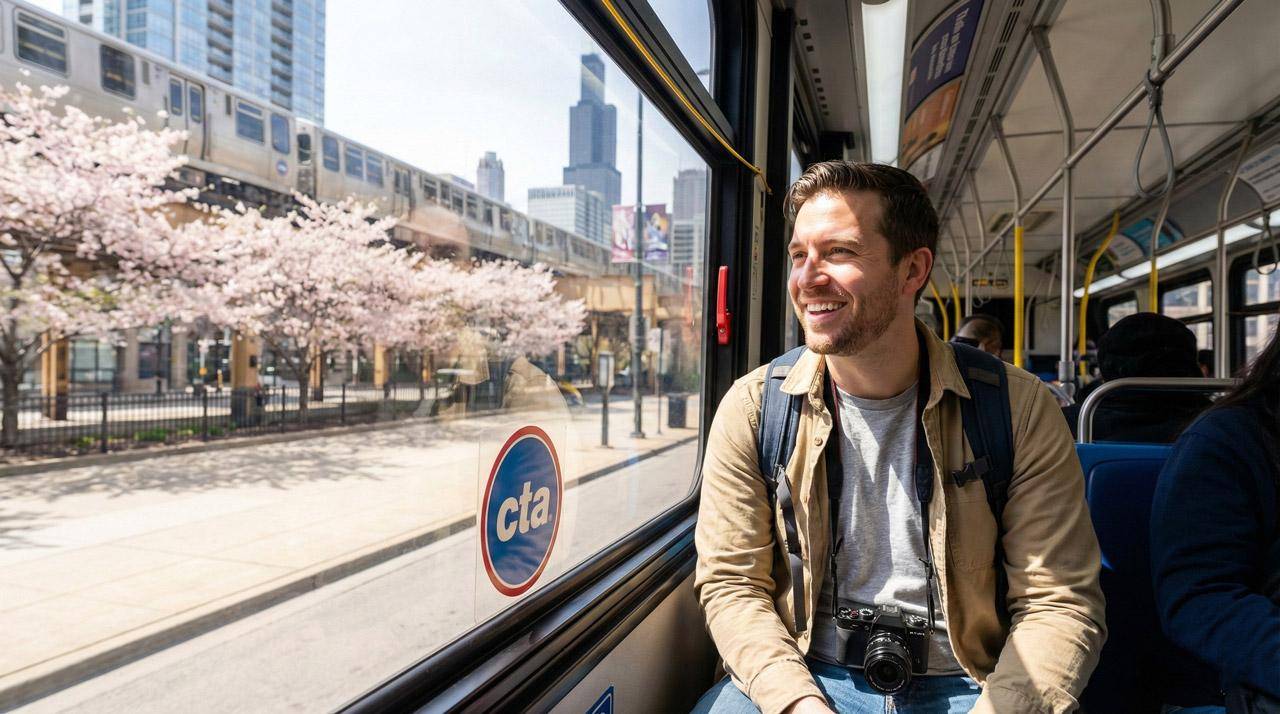
City buses in the United States have a reputation problem. They feel grimy, unpredictable, and vaguely unsafe - the kind of transportation you use when you don't have better options. That perception doesn't match reality, but it does keep a lot of solo travelers from using one of the most practical ways to see a city on a budget.
What Do You Call Your "Guys Trips"?
- Bus systems in major cities carry millions of passengers daily with incident rates far lower than driving, but awareness still matters when you're traveling solo.
- Standing passengers absorb most of the impact during sudden stops - positioning and grip technique reduce your risk of getting thrown around.
- Timing your rides strategically lets you avoid peak crowding and the pickpocket activity that comes with it.
- Knowing local transit rules before you board prevents the confusion that marks you as an easy target.
- International bus systems often run more reliably than American ones, but each city has its own unwritten rules worth learning.
The actual public transit safety data shows that buses are statistically quite safe. Serious incidents are rare relative to the volume of passengers moved daily. But "statistically safe" and "feeling safe" are different things, especially when you're traveling alone in an unfamiliar city. Here's how to ride smart.
Know the System Before You Board
Every city's bus system has its own rhythm, and learning it before you need it prevents the fumbling that makes you look like a tourist. Research fare payment methods in advance - some cities have gone entirely cashless, others require exact change, and many now use tap-to-pay or mobile apps.
In Chicago, the Ventra card works across CTA buses and trains. Boston's MBTA uses the CharlieCard. New York's MTA has shifted toward OMNY contactless payment. Showing up without the right payment method creates delays and draws attention.

Beyond Detroit: Best Places In Michigan For A Guys Trip
Discover Michigan's best guys trip destinations, from Grand Rapids' brewery scene to outdoor adventures in Pictured Rocks and Copper Harbor.

Bachelor Party Ideas In Dubai
Men's guide to Dubai bachelor parties: Ultimate luxury experiences from desert safaris to yacht charters. Experience skydiving and exotic car racing. Perfect for groups seeking premium adventures in this opulent destination.

Vietnam and Thailand Adventure in 16 Days
A 16-day Vietnam and Thailand adventure covering Ho Chi Minh, Hoi An, Hue, Halong Bay, Bangkok and Chiang Mai, ideal for culture and nature lovers.

Explore Alaska with Virgin Voyages: Adventure Awaits on the 2026 Alaskan Itineraries
Virgin Voyages brings adults-only style to Alaska in summer 2026 with adventure-focused itineraries aboard Brilliant Lady.
Promoted by FlowAds

Beyond payment, understand the route structure. Download the local transit app or save offline maps before you arrive. Knowing which bus goes where - and approximately how long it takes - means you're not constantly checking your phone or asking drivers for directions.
Position Yourself Strategically
Where you stand or sit on a bus affects both your safety and comfort. If you're standing, the middle of the bus typically offers more stability than the front or rear, where acceleration and braking forces hit hardest.
Keep a wide stance and maintain one hand on a pole or overhead bar at all times. Your grip doesn't need to be death-tight - what matters is having something to grab when the driver brakes suddenly. Those sudden stops are the most common cause of minor injuries on buses, and standing passengers take the brunt of it.
Man Gear Pick of the Month
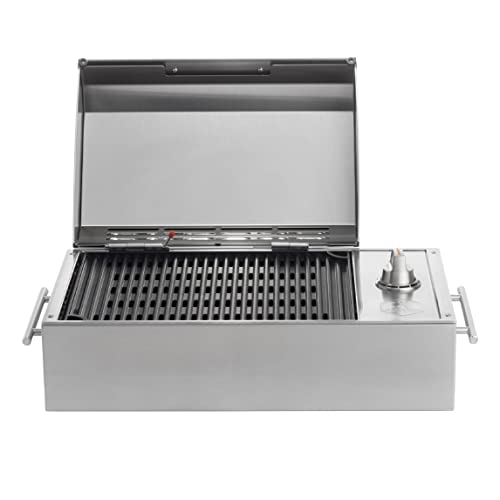
Kenyon City Grill Portable Stainless Steel Electric Grill
Why we picked it: a grill you can actually carry to the campsite, the tailgate or the cabin without borrowing a truck. Stainless, no propane tank to wrestle, and hot enough to cook for four guys rather than reheat for one.
 August's Pick LiberNovo Maxis Electric Big and Tall Ergonomic Office Chair, Graphite 52cm $1,283.00
  July's Pick Powerful Propane Torch Gun, Adjustable Flame Thrower Gun, Kitchen Torch with Detachable Design, Flamethrower Blow Torch for BBQ, Searing Steak, Welding, Camping Charcoal Lighter(Tank Not Included) $42.99
  June's Pick OYASUMI Funny BBQ Man Hot Dog Holders, 4 PCS Reusable Stainless Steel Sausage Stands, Portable Hot Dog Roasters, Barbecue Grill Accessories for Camping & Party Gifts $6.98
 Promoted by FlowAds

If seats are available, facing forward reduces the whiplash effect during hard stops. Aisle seats give you more exit options if something feels off. Window seats offer more protection from jostling but limit your mobility.
Stay Aware Without Looking Paranoid
Solo travelers benefit from a specific kind of alertness - aware of surroundings without broadcasting anxiety. Keep your phone accessible but not constantly visible. Earbuds are fine for longer rides, but consider keeping one ear free so you can hear announcements and ambient noise.
Watch for the usual signs of trouble: anyone paying too much attention to you or your belongings, unexpected crowding that forces physical contact, or people who seem to be timing their movements to yours. These situations are rare, but recognizing them early gives you options.
Your bags stay in contact with your body. Backpacks come around to your front in crowded conditions. Nothing goes in easily accessible pockets.
Timing Matters
Rush hour buses are packed, which creates its own set of issues - limited visibility, forced proximity to strangers, and opportunities for pickpockets. Late-night buses run less frequently and carry a different crowd.
The sweet spot for solo travelers is usually mid-morning or mid-afternoon. Buses run regularly enough that you're not waiting long, but ridership is manageable. You can find a seat, keep your belongings close, and maintain awareness of who's around you.
Weekend schedules often differ from weekdays, so verify service times if you're planning to rely on buses for getting around.
What To Do If Something Goes Wrong
Most bus rides are uneventful. But if you do end up in a situation - whether it's a hard stop that leaves you with a sore neck or something more serious - how you respond matters.
For minor injuries from sudden stops or turns, pay attention to how you feel over the next several hours. Soft tissue injuries often don't announce themselves immediately. If something seems off the next day, get it checked out rather than assuming it'll resolve on its own.
Report incidents to the driver before leaving if possible. Bus systems document what happens on their vehicles, and that paper trail matters if you need it later. Take photos of the bus number, your location, and any visible injuries.
Transit injury claims vary significantly by jurisdiction. If you're injured on a CTA bus in Chicago, for example, the process for addressing that involves specific local requirements. Those who find themselves dealing with a significant injury may want to hire a Chicago CTA bus accident lawyer who understands the system rather than navigating it alone.
City-Specific Considerations
Different cities present different dynamics. The skills you develop traveling alone - handling what's in front of you, staying alert without being tense - apply everywhere, but local knowledge helps. Here's what solo travelers should know about a few key systems:
Chicago - The CTA is extensive and generally reliable. Bus routes complement the L train system well for reaching neighborhoods the trains don't serve. Rush hour on popular routes like Michigan Avenue can get extremely crowded.
Boston - The MBTA bus network fills gaps between subway lines. Some routes through Cambridge and Somerville are efficient alternatives to transfers. Service frequency varies significantly by route.
New York - NYC buses are often overlooked in favor of the subway, but crosstown routes in Manhattan can be faster than walking. The Select Bus Service routes offer limited stops and faster travel times.
Toronto - The TTC runs an integrated bus and streetcar network that's clean and well-organized by North American standards. Presto cards work across all transit modes.
London - Buses are often more practical than the Tube for seeing the city, and the double-deckers offer great views from the upper front seats. Contactless payment has made boarding seamless. I've spent entire afternoons on London's upper decks just watching the city pass by.
Amsterdam - Buses connect areas the trams and metro don't reach. The GVB system is efficient and well-signed. Night buses run until early morning on weekends.
Berlin - The BVG network is extensive and runs frequently. Bus schedules coordinate with U-Bahn and S-Bahn connections.
The Mindset That Helps
City buses are part of urban travel. They're practical, affordable, and often the fastest way to cover ground that doesn't line up with train routes. The occasional rough ride comes with the territory.
What separates a good bus experience from a bad one is usually preparation and awareness. You handle what's in front of you, stay alert without being tense, and don't ignore signals that something's off.
For guys exploring cities solo - whether it's a Texas guys trip or a European mancation - buses offer access to neighborhoods and experiences that taxi-only travelers miss. The slight edge of unpredictability is part of what makes the travel interesting. Just ride smart about it.

Promoted by FlowAds
