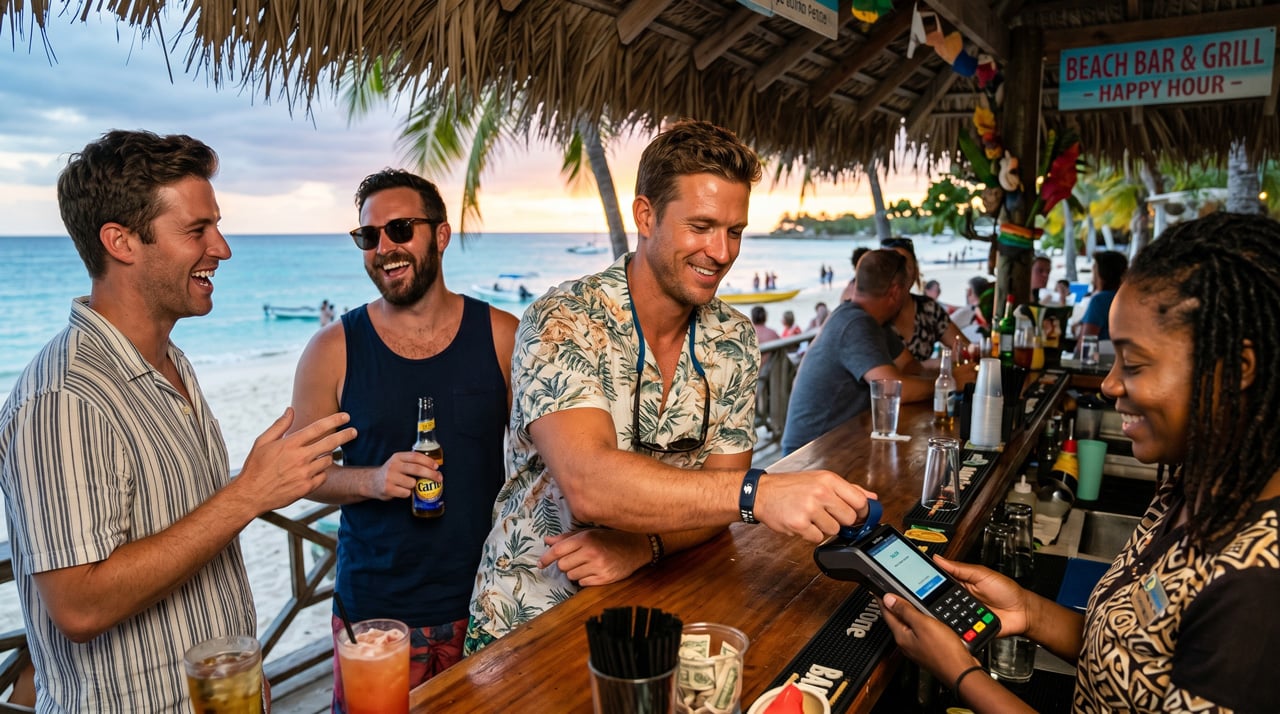
Remember when you'd hit Vegas with a money clip full of twenties and an extra credit card stashed in the hotel safe? That guy doesn't exist anymore. The average guys trip in 2026 runs entirely off a phone — rideshare from the airport, room check-in, ballgame tickets, bar tab, poker buy-in, nightcap, late-night food run. The back-pocket wallet is a relic. Payment tech has quietly rebuilt every part of the travel and entertainment experience around a single idea: the transaction should disappear.
That shift matters for anyone planning a trip, a bachelor party, or just a weekend where the whole point is to not think about logistics. Whether you're booking a cruise ship casino trip with the guys or just trying to order another round without fumbling for your card, the rails underneath are doing work you never see. Here's what's actually happening in the payment tech that's reshaping how we drink, gamble, travel, and watch sports.
Blockchain and Crypto: The New Rails Under the Casino Floor
The online casino industry got to the crypto party years before most other entertainment sectors. If you've ever tried to withdraw winnings from a legacy online poker site, you know the pain: three to five business days, paperwork, pending holds, sometimes a check in the mail like it's 1998. Blockchain killed that model.
Crypto transactions settle on an immutable ledger, which means no bank sits in the middle asking questions. For operators, that solves fraud and chargebacks. For players, it means actual money movement at the speed you'd expect from a phone in your hand.

12 Epic Ideas for an Awesome Dubai Guys Trip
Men's guide to Dubai: 12 epic luxury experiences including supercar rentals, hidden speakeasies, desert adventures, and Arabian Gulf cruises. Perfect for guys trips seeking premium thrills in this exclusive destination.
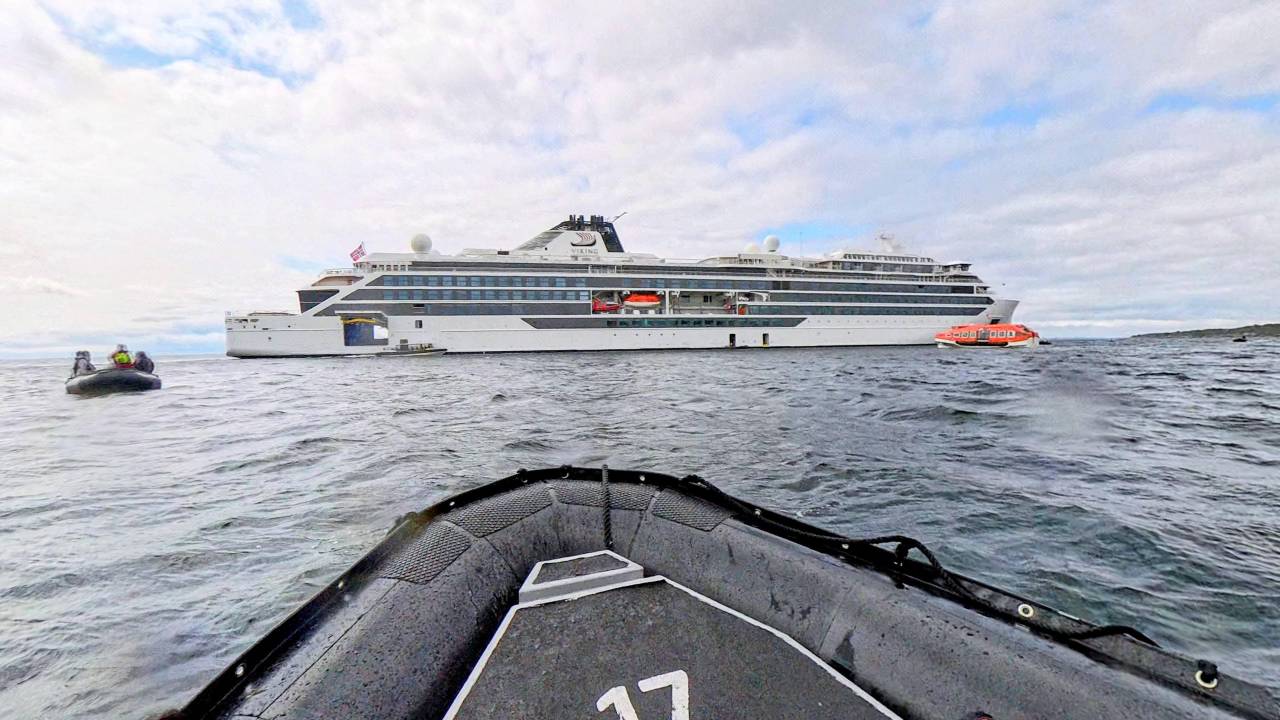
Viking Expeditions vs Victory: Which Great Lakes Cruise Is Right for You?
Viking vs Victory Great Lakes cruises: Compare expedition features, port access, and guest experiences. First-hand insights on tender operations vs direct docking. Perfect for choosing your ideal crui

Amazing Vietnam, Cambodia and Thailand 16 Days
A 16-day tour of Vietnam, Cambodia and Thailand covering Hoi An, Halong Bay, Angkor temples and Phuket beaches, ideal for culture and beach lovers.

Loreto Mexico Hotels Guide: All-Inclusive to Boutique
Hotels in Loreto Mexico for any budget from All Inclusive Resorts to Boutique hotels and Budget hotels.
Promoted by FlowAds

CardPlayer explains crypto casino payments are appealing to players since transaction speeds are much faster, costs are lower, and transactions are more secure than traditional banking methods. That's the core pitch: near-instant withdrawals, better privacy, no banking middleman skimming a cut of every cross-border transaction. It's a standard that traditional payment rails are now scrambling to match.
The Phone (and the Wristband) as the Wallet: Why Your Back Pocket Is Empty
The second shift is the one you feel on every trip: digital wallets. Apple Pay, Google Pay, PayPal, Venmo, Cash App — whatever flavor you run on your phone, the result is the same. Card data lives on the device, biometrics unlock it, and you tap to pay. No swipes, no signatures, no handing your plastic across a bar top.
And it's not just phones anymore. The wallet has spread to your wrist. Apple Watch, Garmin Pay, and Fitbit Pay put the same tap-to-pay capability on whatever you're already wearing. Cruise lines took it even further — embarkation day hands you an RFID wristband or medallion (Royal Caribbean's WOW Band, MSC's for Me wristband, Princess's Ocean Medallion) that runs your stateroom door, your bar tab, your excursion bookings, and the casino floor without ever reaching for a card. All-inclusive resorts across the Caribbean and Mexico use the same playbook with color-coded wristbands. Even festival wristbands now top up with credit and handle the whole weekend's food and drinks.
Man Gear Pick of the Month
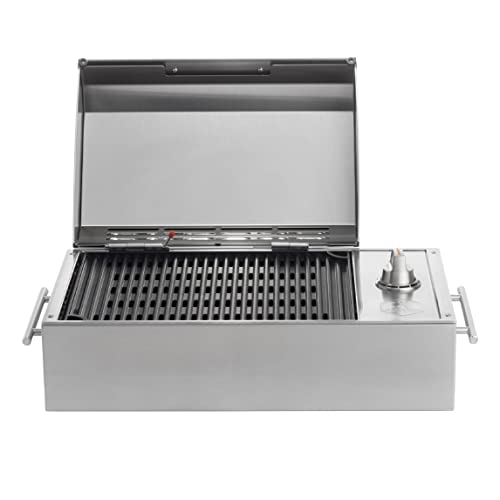
Kenyon City Grill Portable Stainless Steel Electric Grill
Why we picked it: a grill you can actually carry to the campsite, the tailgate or the cabin without borrowing a truck. Stainless, no propane tank to wrestle, and hot enough to cook for four guys rather than reheat for one.
 August's Pick LiberNovo Maxis Electric Big and Tall Ergonomic Office Chair, Graphite 52cm $1,393.00
  July's Pick Powerful Propane Torch Gun, Adjustable Flame Thrower Gun, Kitchen Torch with Detachable Design, Flamethrower Blow Torch for BBQ, Searing Steak, Welding, Camping Charcoal Lighter(Tank Not Included) $42.99
  June's Pick OYASUMI Funny BBQ Man Hot Dog Holders, 4 PCS Reusable Stainless Steel Sausage Stands, Portable Hot Dog Roasters, Barbecue Grill Accessories for Camping & Party Gifts $7.98
 Promoted by FlowAds

Digital wallet services are projected to generate $220 billion in global revenue in 2024, which is what happens when an entire generation of travelers decides their phone — or their wrist — is their everything.
On a typical guys trip, that stack now handles:
- Boarding passes and mobile hotel room keys
- Rideshares, scooters, and airport parking
- Sportsbook deposits and live in-game betting
- Bar tabs — including picking up the round and splitting it later
- In-app casino buy-ins, video game micro-transactions, streaming subscriptions for the hotel room
- Cruise ship and all-inclusive resort wristbands that tie your whole folio to one device
That's not convenience. That's infrastructure. Every one of those transactions used to require a separate interaction with a card, a counter, or a human. Now they all run through whatever you're already wearing or holding. The businesses that figured this out early — airlines, rideshare apps, sportsbooks, casinos, cruise lines — have eaten enormous market share from the ones still asking you to "please insert your card."
Where This All Heads: Invisible Payments
The next stage is already rolling out, and the industry word for it is "invisible payments." You walk into a stadium, the turnstile reads your phone, you never touch anything. You sit at a slot machine on a cruise ship and your player ID handles the whole session. You check out of a hotel without checking out — the door closes, the folio clears, and you're in your Uber home.
The digital payment market size is valued to increase by USD 304.95 billion at a CAGR of 25.5% from 2024 to 2029. That's a serious capital commitment to an idea that basically boils down to "the transaction should disappear."
For guys who plan real trips — not just the long weekend, but the annual bachelor party, the once-a-decade group cruise, the Super Bowl run — the practical upside is simple. Less time managing logistics, fewer moments where someone has to break away from the group to deal with a declined card, and more time actually doing the thing you came to do. Whether that's a sportsbook, a poker room, a beach bar, or a blackjack table on a ship somewhere off the coast of Mexico, the money stuff is supposed to be the part you don't notice.
The guys who get ahead of it are the ones who stop carrying a wallet at all.