
Self-care during addiction recovery reduces relapse risk and builds the foundation for lasting sobriety. According to the National Institute on Drug Abuse, substance use disorders have a 40-60% relapse rate - comparable to other chronic conditions like diabetes and hypertension. The five strategies below work because they address the specific challenges men face: processing difficult emotions, building accountability, and staying mentally and physically engaged during the recovery process.
What Do You Call Your "Guys Trips"?
Daily self-care practices give you tools to manage stress, process emotions, and stay grounded when recovery gets difficult.
- Mindfulness practices help you process difficult emotions without reacting impulsively
- Consistent daily routines eliminate the unstructured time that breeds temptation
- Physical activity releases natural endorphins that directly counter cravings
- Strong boundaries protect your sobriety without cutting you off from social life
- Investing in sober friendships breaks the isolation patterns that worsen recovery outcomes for men
The stereotype that self-care belongs exclusively to women has kept too many guys from using the tools that actually work. According to the Anxiety and Depression Association of America, nearly one in ten men experiences depression or anxiety, but less than half receive treatment. That gap gets even more dangerous during recovery, when emotional regulation and stress management become survival skills. Whether you're in early recovery or maintaining long-term sobriety, these self-care strategies provide practical structure that fits into a busy life.
Five Self-Care Strategies That Support Long-Term Sobriety
Building a sustainable recovery means developing habits that address your physical health, mental well-being, and social connections. Each strategy below targets a specific aspect of recovery that men often overlook or struggle with.
Practice Mindfulness Daily
Mindfulness means being present and aware of your thoughts and emotions without judgment. For men who have spent years suppressing feelings or avoiding difficult conversations, this practice provides a way to process emotions without acting on them impulsively. Start with five minutes of focused breathing each morning before checking your phone. Apps like Headspace or Calm offer structured programs, but you can also simply sit quietly and pay attention to your breath. The goal isn't to clear your mind completely - it's to notice what's happening internally so you can respond thoughtfully instead of reacting automatically.

What To Expect If It Snows On Your Cruise Vacation?
Learn how cruise ships handle snowfall, from activity changes to safety measures, ensuring passengers stay comfortable and entertained during winter weather.

7 Ways to Experience Vietnam: From River Cruises to Motorcycle Adventures
Seven ways to explore Vietnam on a guys trip, including Mekong river cruises, Ha Giang motorcycle adventures, Phu Quoc beach resorts, war history tours, and Ha Long Bay cruises. Seven ways to experience Southeast Asia's most compelling destination.

7 Days Trip Discover Northern Thailand
A 7 day guided journey through northern Thailand covering Chiangmai, Mae Sariang, Mae Hong Son, Pai, Thaton and Chiangrai, ideal for culture lovers.

Sandos Caracol Eco Resort
Immerse yourself in nature and ancient Maya history at our truly unique all-inclusive resort in Playa del Carmen, Mexico.
Promoted by FlowAds

Build A Daily Self-Care Routine
Structure creates stability during recovery. According to research from the Substance Abuse and Mental Health Services Administration (SAMHSA), people who complete longer treatment programs and maintain consistent routines show significantly lower relapse rates. Too much unstructured time leads to boredom and rumination - both dangerous during recovery. Build a routine that includes these daily self-care practices:
- Wake up at the same time each day to regulate your body's internal clock
- Start mornings with 5-10 minutes of meditation or breathing exercises
- Write in a journal or practice gratitude to process emotions
- Eat regular, nutritious meals rather than skipping or grabbing junk food
- Schedule exercise as a non-negotiable appointment
- Create an evening wind-down ritual - no screens, light reading, or stretching
- Maintain consistent sleep and wake times to protect your mental health
The routine should match your natural rhythm and professional obligations, whether that means early morning workouts before dad life kicks in or late-night journaling after everyone else is asleep.
Make Time For Sober Social Connection
Men often isolate when they're struggling, which makes recovery harder. The Pew Charitable Trusts reports that men with suicidal ideation are significantly less likely than women to receive mental health care - only 39.3% compared to 54.9% for women. Breaking this pattern means actively building connections with people who support your sobriety. That might mean reconnecting with family members, joining a recovery group, or finding new friends who don't center their social lives around drinking. If your old crew spent every guys night at the bar, you'll need to build new traditions - poker nights at someone's house, weekend golf outings, or planning a guys getaway where alcohol isn't the focus. Some recovery centers now organize group activities specifically designed for men, from fishing trips to hiking groups, recognizing that many guys connect better through shared activities than sitting in a circle talking. Even life milestones like bachelor parties can be planned sober and still be memorable.
Man Gear Pick of the Month
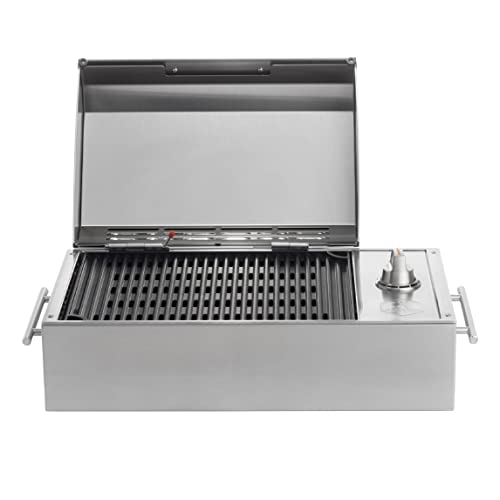
Kenyon City Grill Portable Stainless Steel Electric Grill
Why we picked it: a grill you can actually carry to the campsite, the tailgate or the cabin without borrowing a truck. Stainless, no propane tank to wrestle, and hot enough to cook for four guys rather than reheat for one.
 August's Pick LiberNovo Maxis Electric Big and Tall Ergonomic Office Chair, Graphite 52cm $1,393.00
  July's Pick Powerful Propane Torch Gun, Adjustable Flame Thrower Gun, Kitchen Torch with Detachable Design, Flamethrower Blow Torch for BBQ, Searing Steak, Welding, Camping Charcoal Lighter(Tank Not Included) $42.99
  June's Pick OYASUMI Funny BBQ Man Hot Dog Holders, 4 PCS Reusable Stainless Steel Sausage Stands, Portable Hot Dog Roasters, Barbecue Grill Accessories for Camping & Party Gifts $7.98
 Promoted by FlowAds

Set Clear Boundaries And Defend Them
Recovery requires boundaries that protect your sobriety without cutting you off from life entirely. Let friends know you're committed to staying sober. Avoid situations where heavy drinking is the main activity - at least in early recovery. This doesn't mean skipping every social event; it means having a plan for how you'll handle pressure. Some guys bring their own drinks to parties. Others commit to leaving by a certain time. Learning strategies to enjoy parties sober makes navigating these situations easier over time. Work colleagues may need clear communication about after-hours drinks without detailed explanations - "I'm cutting back" works fine. The boundaries you set now create space for the relationships and activities that actually support the life you're building.
Make Physical Activity Non-Negotiable
Exercise releases endorphins that naturally improve mood and reduce stress - exactly what your brain needs during recovery. Regular physical activity also provides measurable progress that builds confidence and self-worth during a time when those feelings can be in short supply. You don't need to train for Colorado guys trips to remote wilderness areas; consistent activity matters more than intensity. Walking, swimming, lifting weights, or joining a recreational sports league all provide benefits. The key is scheduling exercise like any other appointment. According to the American Psychological Association, regular physical activity helps manage anxiety and depression symptoms - both common during recovery and both risk factors for relapse.
Building Habits That Last Beyond Recovery
Recovery isn't a destination you reach and forget about - it's a set of daily practices that become your normal way of living. The strategies above work because they address the whole person: your emotional health through mindfulness, your need for structure through routine, your social connections through relationships and boundaries, and your physical well-being through exercise. According to the Recovery Research Institute, relapse risk drops to approximately 15% after five years of continuous recovery - roughly the same as the general population. The habits you build now aren't just getting you through a difficult period; they're creating the foundation for decades of healthy living. When you're ready to reward your progress, consider alcohol-free vacation ideas that let you celebrate without compromising your sobriety. One often-overlooked factor: sleep. Poor sleep significantly increases relapse risk and emotional dysregulation. If you're doing everything else right but still struggling, look at your sleep habits as the missing piece.