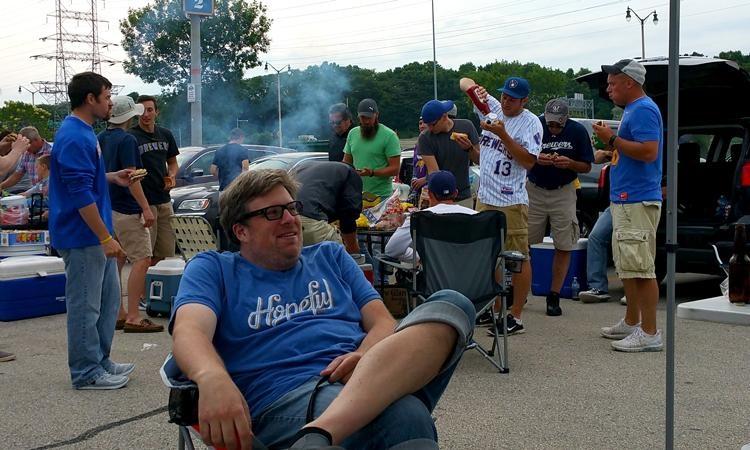
A reliable power source turns a good tailgate or campsite into a great one. Whether you're running a TV and blender in a stadium parking lot or keeping the lights and coffee maker going at a remote campsite, choosing the right generator comes down to matching your actual power needs with the right combination of output, noise level, and portability.
What Do You Call Your "Guys Trips"?
- Running wattage and starting wattage are two different numbers, and confusing them is the most common mistake when sizing a generator for tailgating or camping.
- Noise levels vary dramatically between generator types - a conventional model can hit 75 dB while a quality inverter generator sits around 53-58 dB at quarter load.
- Portable power stations have changed the equation entirely, offering silent operation and zero emissions for setups that don't need heavy wattage.
- Fuel efficiency matters more at a campsite than a parking lot - a generator that burns through a tank in four hours means midnight refueling runs nobody wants.
- Parallel capability lets you start small and scale up later, connecting two smaller units for more power without buying a single heavy generator you'll regret carrying.
There's a particular satisfaction in being the guy at the tailgate with cold drinks, a working TV, and enough outlets for everyone's phone. Same goes for a weekend at a cabin with the guys or a camping trip where the coffee's hot by sunrise. But getting there means understanding a few fundamentals before you spend money on the wrong unit.
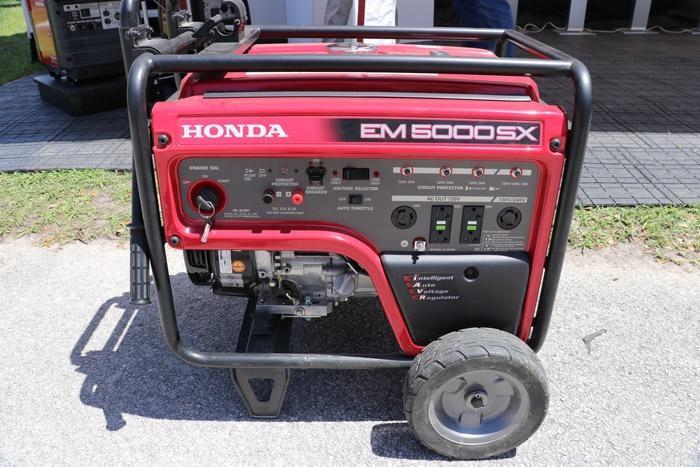
Features to look out for
When shopping for a generator for camping purposes, the following features matter most:

Egypt's Red Sea Resorts: Dive, Golf, and Desert Thrills for a Guys Trip
Men's guide to Egypt beach resorts: Red Sea adventures, luxury all-inclusive stays, and desert excursions. Experience championship golf and nightlife in Sharm El Sheikh. Perfect for groups seeking adventure and relaxation.

Why You Should Consider Michigan For Your Next Guys Weekend Getaway
Michigan guys weekend getaway

Casa Velas
On Puerto Vallarta's coast, Casa Velas is an exclusive adults-only boutique retreat on Mexico's Pacific Riviera. Enjoy a luxury escape with gourmet dining.

Glaciers, Salmon, Bears and More on an Alaska Cruise
An Alaska cruise is a bucket-list experience for many people. Here's what to expect.
Promoted by FlowAds

Noise Level
Some manufacturers choose to omit this crucial detail. However, if there is any one feature a camper needs to pay attention to, it is the noise level. Settle for a dealer who is willing to demonstrate running a generator. Credible dealer showrooms are ready to test run a generator for you. If you there are RV and camping show, take advantage of the opportunity to find out the noise levels of different generators. They provide an exciting setting, to establish the noise generators produce and see new outdoor recreation products.
Benchmark
Since normal conversation is rated 65 Decibels (dB), any generator whose noise level is less than 65 dB or even around that figure will not disrupt regular discussions. Sound effect reduces with distance. So, if it will be possible to position your generator some 10 meters from your camping site, you can still use a generator of; say 68 dB, noise levels.
Power Output
A generator’s power output refers to the wattage rating, usually given in two production levels, maximum and Rated power. Maximum wattage indicates the maximum output a generator can generate and is typically available for a maxi
Figure Out Your Actual Wattage First
Every appliance draws a specific amount of power, and your generator needs to handle all of them running simultaneously. The catch is that many devices draw a brief surge of higher wattage when they first start - called starting wattage - before settling into their running wattage.
A typical tailgate setup tells the story. A flat screen TV pulls about 120 watts, a blender hits 600-800 watts running but can surge past 1,200 watts on startup, and an electric grill draws around 1,650 watts. Add a phone charger and portable speaker and you're looking at roughly 2,500-2,700 running watts with startup surges that can push well past 3,500.
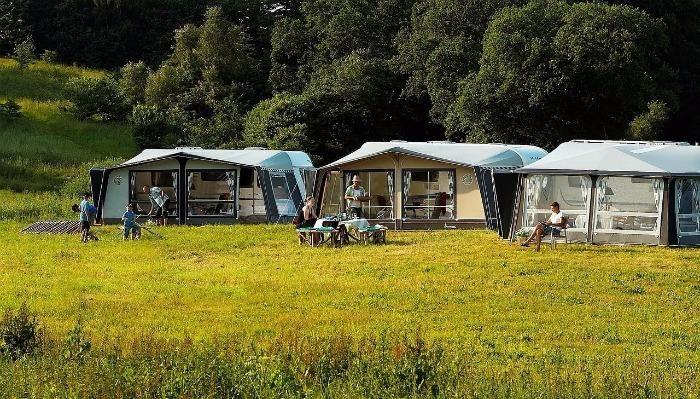
For camping, the math shifts. You're more likely running lights, a portable fan, a coffee maker, and maybe a small heater. That's a lighter load - often 1,000 to 1,500 watts - but you need it running longer, which makes fuel efficiency and runtime the priority over raw power.
Noise Is Where Most Guys Get It Wrong
Nothing kills a tailgate faster than a generator drowning out conversation, and nothing gets you sideways with neighboring campers quicker than a loud unit running at 6 AM. Normal conversation sits around 60-65 decibels, so anything at or below that level lets you talk without shouting.
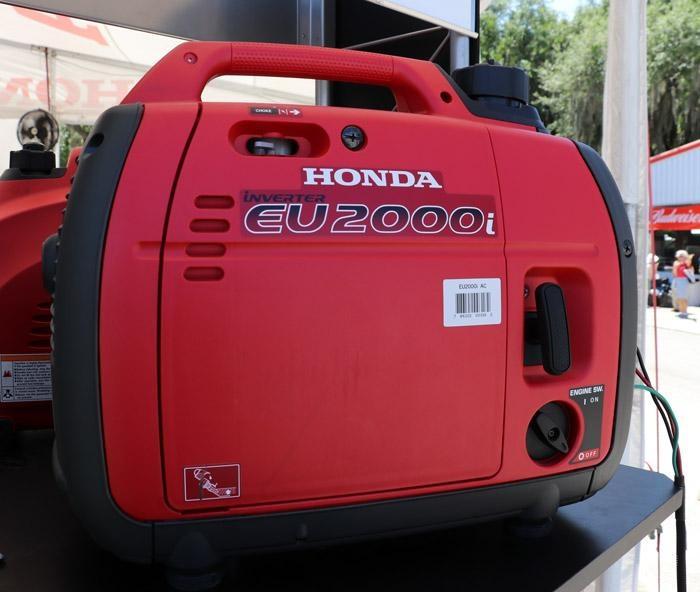
Conventional generators often run 70-80 dB. Inverter generators - the ones worth buying for recreational use - typically operate between 50-65 dB depending on load. That difference sounds modest on paper but it's significant in practice. At 10 meters distance, a quality inverter generator running at quarter load is essentially background noise.
If you're shopping for a portable generator and noise isn't listed in the specs, move on. Any manufacturer worth buying from publishes decibel ratings at both quarter and full load.
Gas Inverters vs. Portable Power Stations
The generator landscape has changed significantly. Traditional gas-powered inverter generators remain the go-to for extended runtime and higher wattage needs, but portable power stations - essentially large lithium battery packs with built-in inverters - have carved out a serious niche.
Gas inverter generators excel when you need sustained power over many hours and don't mind the weight, fuel management, and maintenance. They're the right call for full-day tailgates with heavy loads or multi-day camping trips far from any outlet.
Portable power stations make sense for lighter setups where silent operation and zero exhaust matter. They're also significantly lighter and require zero maintenance. The tradeoff is capacity - most mid-range units top out around 1,000-2,000 watt-hours, which means careful power budgeting on longer trips. They recharge via wall outlet, car adapter, or solar panels, making them increasingly practical for weekend camping.
For something like a birthday weekend at a cabin where you've got wall outlets but want backup power for outdoor setups, a portable power station handles the job cleanly without the noise or fumes of a gas unit.
Sizing It Right
After hauling a few different units to tailgates and campsites over the years, the sizing question comes down to three practical categories.
Under 1,000 watts covers basic charging, lighting, and small electronics. These are the most portable options - often under 30 pounds - and work well as supplemental power or for minimalist camping setups.
1,000 to 2,000 watts handles most tailgating and camping scenarios. You can run a TV, charge devices, power a fan, and operate a coffee maker without issues. This is the sweet spot for most guys, and units in this range typically weigh 40-55 pounds.
2,000 to 3,000+ watts supports heavy loads like electric grills, space heaters, or multiple high-draw appliances simultaneously. These are heavier - 60 pounds and up - but they're what you need if your tailgate setup runs deep or you're powering a full campsite kitchen.
Features Worth Paying For
A few features separate a good purchase from a regrettable one. Parallel capability lets you link two smaller generators for combined output, which is smart if you want portability most of the time but occasionally need more power for a guys weekend with a bigger crew. A low oil shutoff protects the engine automatically. Fuel efficiency ratings tell you how long you'll actually run before refueling - look for runtime at 25% load, not just full load, since that's closer to real-world use.
If you camp in dry regions, a spark arrestor is non-negotiable. And USB ports built directly into the unit save you from burning an AC outlet on phone chargers.
Matching the Generator to the Weekend
The right generator depends entirely on how you use it. A stadium parking lot tailgate with a TV, grill, and blender needs different power than a quiet camping weekend where you just want coffee and charged phones. Start with your actual wattage needs, prioritize noise levels that won't make you the least popular person in the lot, and decide whether gas runtime or battery convenience fits your style. Get that equation right and you'll have reliable power for every weekend that matters.
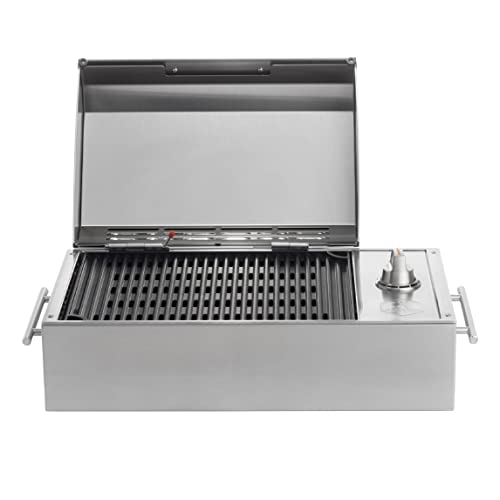
Kenyon City Grill Portable Stainless Steel Electric Grill
Why we picked it: a grill you can actually carry to the campsite, the tailgate or the cabin without borrowing a truck. Stainless, no propane tank to wrestle, and hot enough to cook for four guys rather than reheat for one.


Promoted by FlowAds
