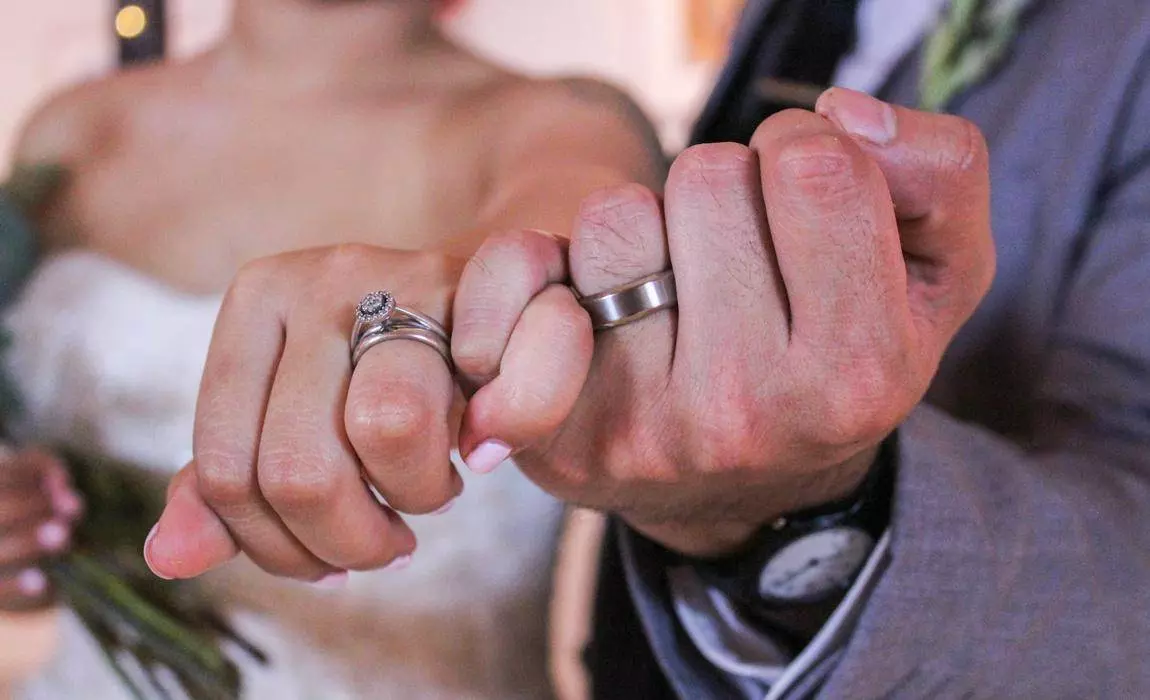
Gold is the default for a wedding band, but it's far from the only option - and for a lot of guys, it isn't the best one. The metal you pick is a daily-wear decision: it rides on your hand through work, the gym, and everything else for decades, so durability, comfort, your budget, and whether you even like wearing jewelry matter more than tradition. Here's how the realistic choices stack up.
What Do You Call Your "Guys Trips"?
The differences that matter aren't about looks - they're about how the metal lives on your hand for the next few decades. Here's the short version.
- Platinum and gold scratch and need the occasional polish, but they can be resized and repaired for life.
- Tungsten and ceramic are nearly scratch-proof but brittle - they can crack, and they can't be resized.
- Titanium, zirconium, and carbon fiber also can't be resized, so the fit has to be right the first time.
- Silicone is the band for the gym or the job site, where a snagged metal ring can deglove a finger.
- Palladium gives you the white-gold look without the nickel that sets off sensitive skin.
I've worn the same plain platinum band for 20 years, and it taught me most of what I know about ring metals. Heather and I wanted to avoid gold, and two decades ago the alternatives were thin, so platinum it was. Here's what nobody tells you: platinum scratches almost immediately. I panicked at first - then realized the scratches blend into a soft patina we both came to love, and because the metal is soft, a jeweler can buff it back to new whenever I want. That's the real lesson with ring materials - "scratch-resistant" and "damaged" aren't the same thing, and the trade-offs only show up after years on your hand.
With that in mind, here's how the common - and not-so-common - wedding band materials compare:
| Material | Strengths | Weaknesses | Relative Cost | Scratch Resistance |
|---|---|---|---|---|
| Gold | Traditional, various colors, malleable, timeless | Prone to scratches, may deform | High | Low |
| Platinum | Dense, durable, prestigious, hypoallergenic | Can scratch, heavy, expensive | Very High | Moderate/High |
| Palladium | Lightweight, naturally white, hypoallergenic, non-tarnishing | Less common, fewer styles | Moderate | High |
| Titanium | Durable, lightweight, hypoallergenic, corrosion-resistant | Difficult to resize, limited designs | Moderate | High |
| Tungsten | Scratch-resistant, heavy, retains polish | Can shatter, not resizable | Moderate/Low | Very High |
| Cobalt | Strong, malleable, hypoallergenic, shiny | Less scratch-resistant than tungsten | Moderate | Moderate/High |
| Zirconium | Durable, hypoallergenic, unique color when heated | Black layer can wear, revealing silver | Moderate | High |
| Stainless Steel | Affordable, durable, low maintenance, hypoallergenic | Less prestigious, can scratch | Low | Moderate |
| Rhodium | Reflective, shiny, durable, corrosion-resistant | Used as plating which can wear off, expensive | High | Very High |
| Silicone Rubber | Affordable, flexible, comfortable, colorful | Not traditional, less durable | Very Low | Very Low |
| Polished Wood | Unique, natural look, lightweight | Can be damaged by water, less durable | Variable | Low |
| Carbon Fiber | Lightweight, modern look, durable | Not resizable, limited designs | Moderate | High |
A few things the chart can't fully capture. Tungsten carbide barely scratches - it's a 9 on the Mohs scale to titanium's 6 - but that same hardness makes it brittle, so a hard knock can crack it. The upside: in an emergency, a tungsten ring cracks off with pliers instead of needing to be cut. Zirconium's black color comes from heat-oxidizing the surface rather than plating it, but that dark layer can still wear at the edges over the years and show lighter metal underneath.

Drinking Our Way Through 150 Years Of Holland America Line History At Half Moon Bar
Half Moon Bar on Holland American Line Rotterdam celebrates 150 years of maritime history.
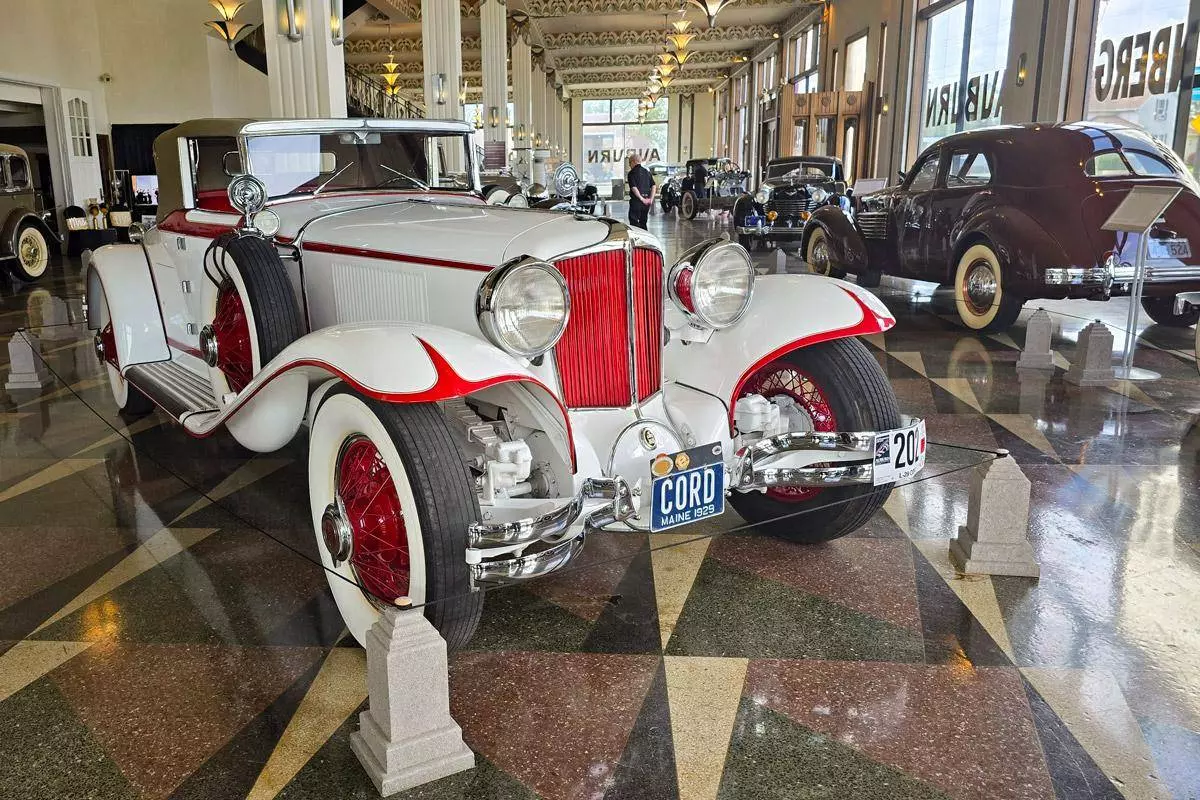
Fort Wayne Indiana Is A Great Guys Getaway Destination
Fort Wayne Indiana is a great destination for a guys trip since it has great food, awesome car museums, and tons of other stuff for men to do.

The "Classic" National Park Tour
A guided van tour from Gatlinburg through Great Smoky Mountains history, scenic overlooks, and Newfound Gap, ideal for history and nature lovers.
Sandos Caracol Eco Resort
Immerse yourself in nature and ancient Maya history at our truly unique all-inclusive resort in Playa del Carmen, Mexico.
Promoted by FlowAds

The Traditional Metals: Gold, Platinum, and Palladium
These are the precious-metal lifers - the ones a jeweler can size, repair, and pass down. Gold is the classic for a reason: it comes in yellow, white, and rose, it's relatively affordable, and a quality band lasts generations. The catches are that it's soft enough to scratch and dent, and white gold is a gold-and-nickel alloy that can bother sensitive skin and needs its rhodium plating refreshed over time.
Platinum is the upgrade - denser, more durable, naturally white, and hypoallergenic. One thing worth correcting: a platinum ring costs more than a gold one even though gold now trades higher per ounce. It's not the metal price - it's that a platinum band is nearly pure and much denser, so it takes more material and more labor. Palladium is the value play of the three: the same naturally white, nickel-free look as platinum or white gold, lighter on the hand, and easier on the wallet.
The Tough, Modern Metals: Titanium, Tungsten, Cobalt, Zirconium, and Steel
If you work with your hands or just don't want to baby a ring, the modern metals are built for it. Titanium is light, gray, hypoallergenic, and tough enough to shrug off impacts that would dent gold - the trade-off is that it, like most of this group, can't be resized. Tungsten carbide is the scratch-resistance champion and holds its mirror polish, but it's the brittle one, so think of it as crack-and-replace rather than resize-and-repair.
Man Gear Pick of the Month
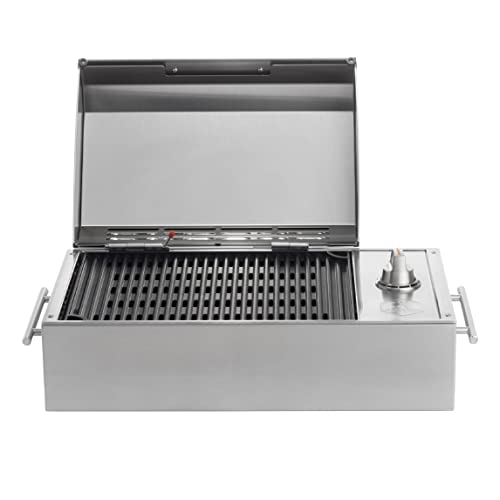
Kenyon City Grill Portable Stainless Steel Electric Grill
Why we picked it: a grill you can actually carry to the campsite, the tailgate or the cabin without borrowing a truck. Stainless, no propane tank to wrestle, and hot enough to cook for four guys rather than reheat for one.
 August's Pick LiberNovo Maxis Electric Big and Tall Ergonomic Office Chair, Graphite 52cm $1,393.00
  July's Pick Powerful Propane Torch Gun, Adjustable Flame Thrower Gun, Kitchen Torch with Detachable Design, Flamethrower Blow Torch for BBQ, Searing Steak, Welding, Camping Charcoal Lighter(Tank Not Included) $42.99
  June's Pick OYASUMI Funny BBQ Man Hot Dog Holders, 4 PCS Reusable Stainless Steel Sausage Stands, Portable Hot Dog Roasters, Barbecue Grill Accessories for Camping & Party Gifts $7.98
 Promoted by FlowAds

Cobalt chrome splits the difference: it has platinum's bright white look at a fraction of the price, with more give than tungsten. Zirconium is the dark-horse pick for a near-black ring without plating. And stainless steel is the budget workhorse - cheap, durable, hypoallergenic, and unbothered by daily abuse, even if it doesn't carry the prestige of the precious metals.
The Unconventional Picks: Silicone, Wood, Carbon Fiber, and Meteorite
Not every band has to be metal. Silicone is the smartest second ring you can own - a few dollars, comfortable, and the one to wear at the gym, on a ladder, or anywhere a metal band could catch and deglove a finger, which is a real injury and not a scare story. Wood bands in maple, koa, or sandalwood look genuinely distinctive, though they're less durable and don't love water; if you're weighing one, we broke down wood versus metal bands separately.
Carbon fiber is the lightweight, matte-black, hyper-masculine option for the guy who'd rather not wear anything shiny. And meteorite bands set actual nickel-iron space rock into a metal like tungsten, so no two patterns are alike. Most space rock burns up before it ever reaches the ground, which is part of why a genuine meteorite ring isn't cheap - so ask for a certificate of authenticity before you pay for one.
Match the Ring to the Hands That Wear It
The right material comes down to honest self-assessment: how hard you are on your hands, whether you care about resizing and repair down the road, what your skin tolerates, and what you want to spend. A surgeon, a welder, and an accountant shouldn't all be wearing the same ring. If there's one move I'd push, it's this - whatever you choose for the daily band, buy a $20 silicone one too. It saves the real ring, and your finger, on the days you're doing something a ring has no business being near. And if you're still sorting out her ring, remember the diamond's cut and shape change the look more than the carat size does.