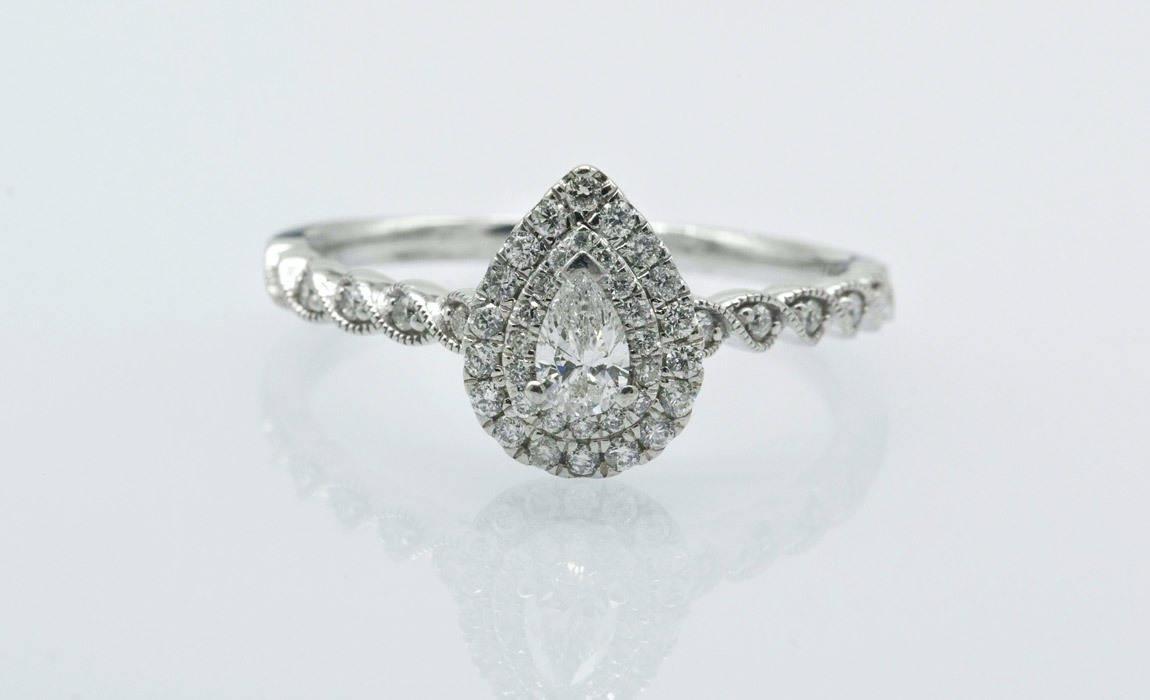
Engagement-ring shopping is one of the few big purchases most guys walk into having never bought jewelry before. The first time around, with a young budget and a pounding heart, plenty of us just grab the ring that looks good and clears the price tag. If you're doing it again - an upgrade, a vow renewal, or a second marriage - you've got the time and the perspective to get it right, and the cut of the diamond is where a ring stops looking like everyone else's.
What Do You Call Your "Guys Trips"?
The shape you choose changes how big the stone looks, how much sparkle it throws, and how far your budget stretches. Here's the quick read before the details.
- Elongated cuts like marquise, oval, and pear cover more finger and look bigger than a round diamond of the same carat weight.
- Step cuts - emerald and Asscher - trade sparkle for a clean, vintage flash, but they show every flaw, so you pay up for clarity.
- Round brilliant is the most popular cut, which is exactly why it costs the most per carat.
- Pear and marquise points chip easily, so a V-prong setting is what keeps them protected.
- A lab-grown stone in any of these shapes runs a fraction of a mined one, which is where a lot of guys find their upgrade.
About two million couples get married in the U.S. every year, and a huge share of those rings are the same round solitaire. Diamonds have been the go-to engagement stone for generations, and the shape of the stone is the easiest place to break from the pack. What I've seen is that the guys who stress least are the ones who settle the cut first and let the setting, metal, and budget fall in behind it.
Round Brilliant: The Cut You're Trying to Beat
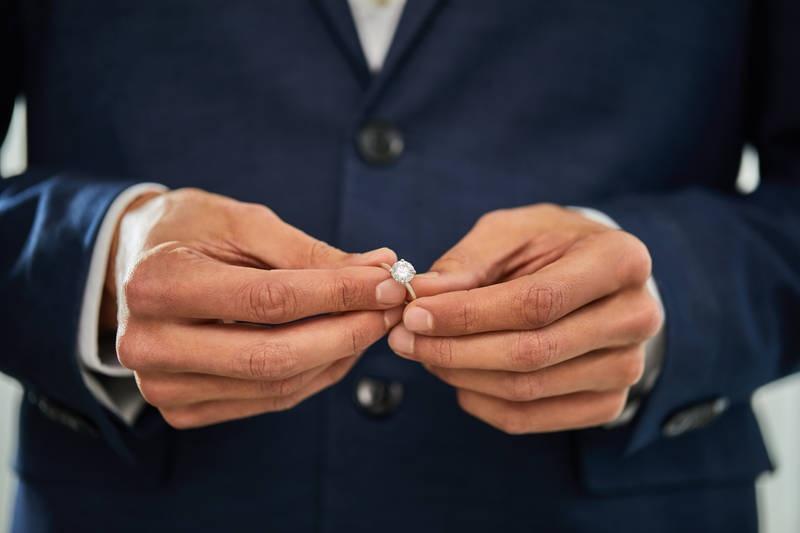
Round is where most rings land, and it's the benchmark every other shape gets measured against. A round brilliant carries 58 facets engineered to throw maximum sparkle, which is why it outsells every other shape. That popularity is the catch: round commands the highest price per carat, both because demand is highest and because more of the rough crystal gets ground away to create it. If you love the classic look, buy it with confidence - just know you're paying a premium for the most common choice on the block.

Eight Dangers To Avoid On A Mexican All-Inclusive Resort Guys Getaway
Discover essential safety tips for your Mexican all-inclusive resort vacation. Learn how to avoid common dangers while maximizing fun at top destinations in Cancun, Cabo, and beyond.

Why Men Should Pick A Dominican Republic All-Inclusive Resort For A Caribbean Guys Trip
Reasons men should consider an all-inclusive resort in the Dominican Republic for their next guys trip.

South Thailand: See it All in 12 Days, 1st Class Custom Tours
A 12-day first class custom tour of South Thailand with elephant bathing, island boat trips, kayaking, cooking classes and more, ideal for active travelers.

2 Days Cappadocia Tour from Antalya
A 2-day Cappadocia tour from Antalya, ideal for holidaymakers wanting to explore a UNESCO World Heritage site.
Promoted by FlowAds

Marquise Cut
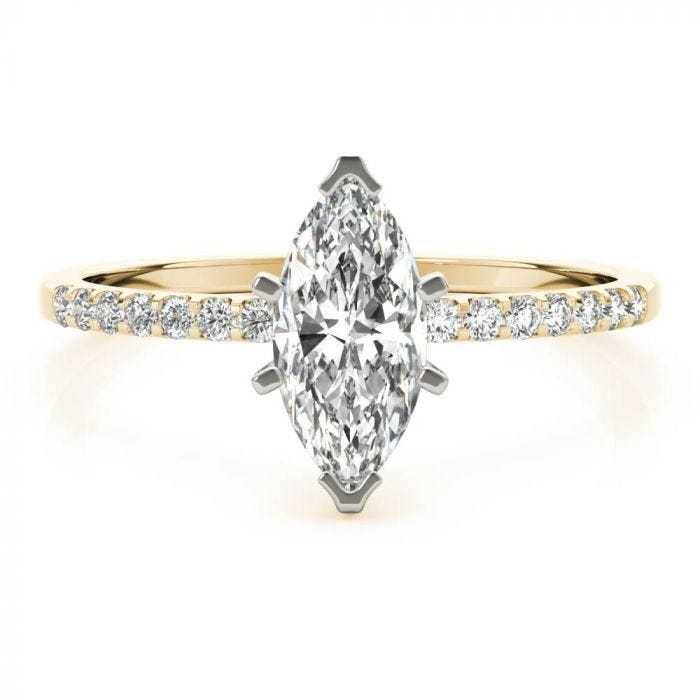
The marquise is the shape to beat if your only goal is making a diamond look as large as possible. Its long, pointed "boat" outline carries one of the biggest face-up surfaces of any cut, so it reads larger than its carat weight and stretches the finger. The story goes that King Louis XV commissioned it to mirror the lips of his mistress, the Marquise de Pompadour - true or not, it has carried an air of old-world status ever since. Two cautions: a poorly cut marquise shows a dark "bow-tie" across the center, and its two points need a setting that guards them.
Pear Cut
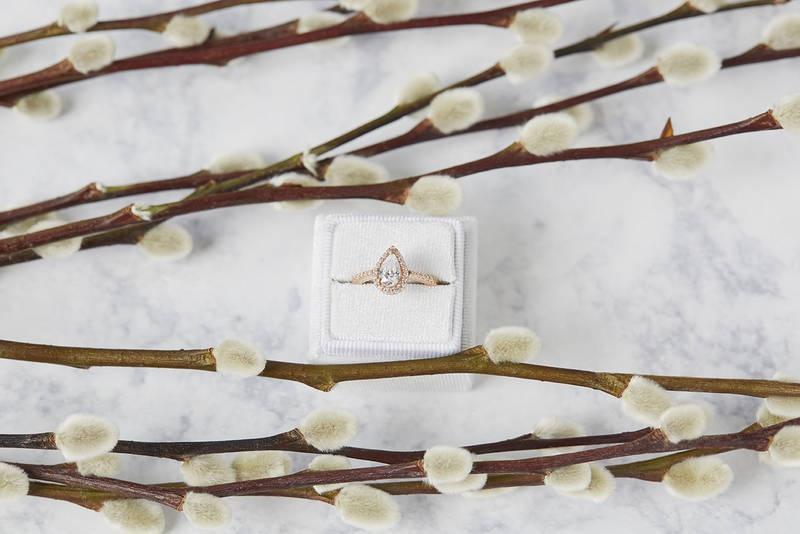
A pear - or teardrop - is half round brilliant and half marquise: one rounded end, one point. It's less common than round or oval, which is exactly the appeal, and the elongated shape flatters the finger the same way. Two things to know before you buy. Color tends to gather at the point, so step up a grade if you're sensitive to warmth in the stone, and that point will chip if it isn't protected - a V-prong setting is the standard fix. Pears also hide inclusions better than most shapes, so you can often spend less on clarity.
Oval Cut
An oval is a round brilliant that's been stretched, and that one change does a lot of work. It keeps the fire and sparkle of a round but spreads it over a longer footprint, so the same carat weight looks noticeably bigger and lengthens the finger. Ovals have been one of the fastest-rising shapes of the last few years, which puts them in a sweet spot - distinctive without being obscure. Watch for the same bow-tie a marquise can show; a well-cut stone keeps it faint.
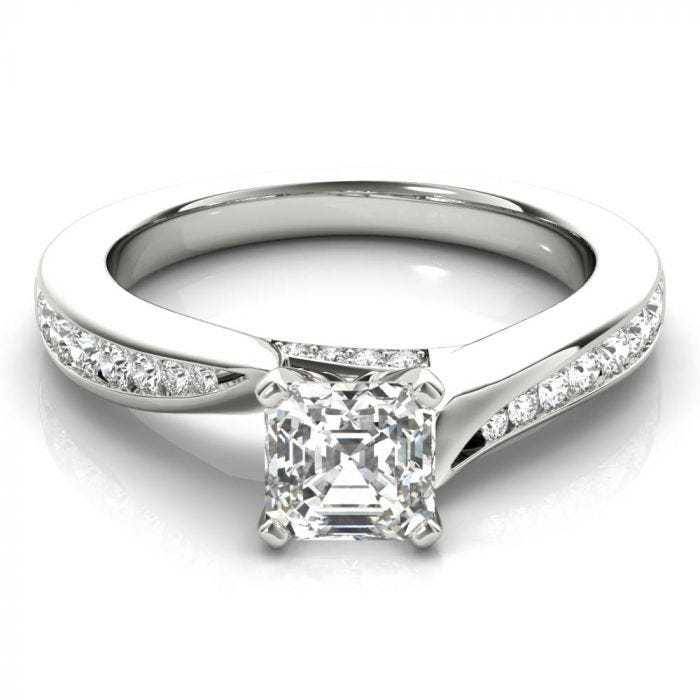
Asscher Cut
The Asscher was the world's first patented diamond cut, developed in 1902 by Joseph Asscher and made famous during the Art Deco period that followed. It's a square step cut with a deep, hypnotic "windmill" of facets at the center. The original carries 58 step-cut facets; the modern Royal Asscher adds sixteen more for extra brightness. Like any step cut, it puts clarity and color on full display, so buy a cleaner stone to do the shape justice.
Emerald Cut
The emerald cut trades sparkle for something different - long, straight step facets that flash like a hall of mirrors instead of throwing fire. Its open, rectangular table makes a stone look big for its weight and gives it a clean, architectural look that has been back in style for years. The trade-off is honesty: that open table hides nothing, so inclusions and color show. Plan to buy a higher clarity grade here than you would for a sparkly brilliant cut.
Cushion Cut
A cushion cut is a square or rectangle with rounded corners - picture a pillow, which is where the name comes from. It descends from the old mine cuts of the 1800s, so it carries real vintage character, but brilliant-style faceting still throws plenty of fire. Cushions read softer and more romantic than a sharp-cornered princess or emerald, they hide color and inclusions reasonably well, and they usually cost less per carat than a round. It's the easy pick if you want "antique" without hunting down an actual antique.
The Stone Is Only Half the Ring
Once you've settled on a shape, the metal it sits in changes the whole look and how well it holds up. White metals like platinum and white gold play up a colorless stone, while yellow and rose gold add warmth and can mask a little color in the diamond. If you're weighing the band itself - especially your own - we broke down what men need to know about wedding band materials beyond gold separately, because the metal matters as much for the ring you'll wear every day as the cut does for hers.
Pick the Shape, Then Build the Ring Around It
If you take one rule into the store, make it this: a diamond's shape changes how it looks on a hand far more than half a carat of size does, so look at the cut on a real finger before you fixate on the number. The other lever is the stone itself - a lab-grown diamond in any of these shapes runs well below a mined one of the same size and grade, which is how a lot of guys turn the same budget into a more distinctive ring. Decide whether you're buying her the classic she has always pictured or the shape nobody else in her circle has, then put the savings into the cut quality that actually makes a diamond come alive.
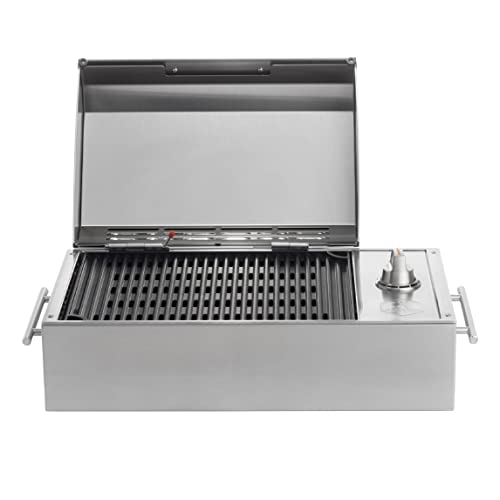
Kenyon City Grill Portable Stainless Steel Electric Grill
Why we picked it: a grill you can actually carry to the campsite, the tailgate or the cabin without borrowing a truck. Stainless, no propane tank to wrestle, and hot enough to cook for four guys rather than reheat for one.



Promoted by FlowAds
