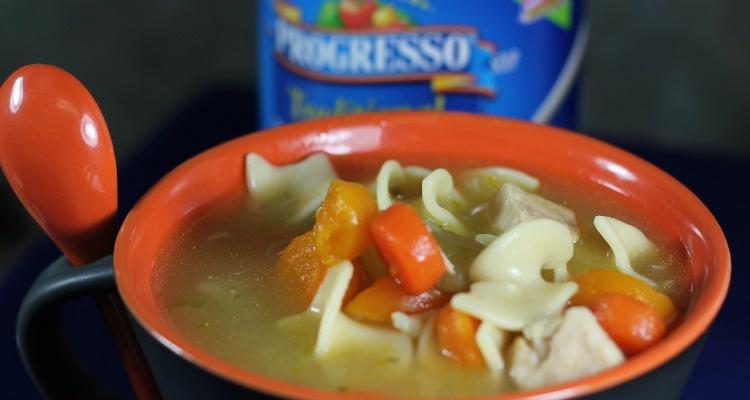
Some people swear by folk remedies, and I am typically skeptical of most of them. Chicken soup is the exception, because somebody took it into a lab and measured it. One study found it slows the immune cells that drive your cold symptoms, though that happened in a dish rather than in a person. Another measured how much faster a hot bowl gets your nose clearing, and that one was measured in people. Neither is a cure, and what follows is the honest version of both.
What Do You Call Your "Guys Trips"?
- Hot enough to steam - the measured nasal effect came from heat and vapor as much as from anything in the broth.
- Sip it, skip the straw - sipping outperformed drinking through a straw in the lab, which points at steam doing part of the job.
- Canned counts - the Nebraska lab tested supermarket soups alongside a homemade recipe and most of them slowed the cells too.
- Time it, do not stockpile it - the nasal effect faded inside 30 minutes, so when you drink it matters more than how much.
- Right before bed is the best window - congestion is what keeps you up, and this buys you half an hour of clear breathing.
Chicken soup is one of the few folk remedies that got tested properly, and the results are narrower and more interesting than the wellness internet makes them sound. Nothing here cures a cold. What the research found is that soup changes how bad the cold feels while you have it, which is a smaller claim and a far more useful one.
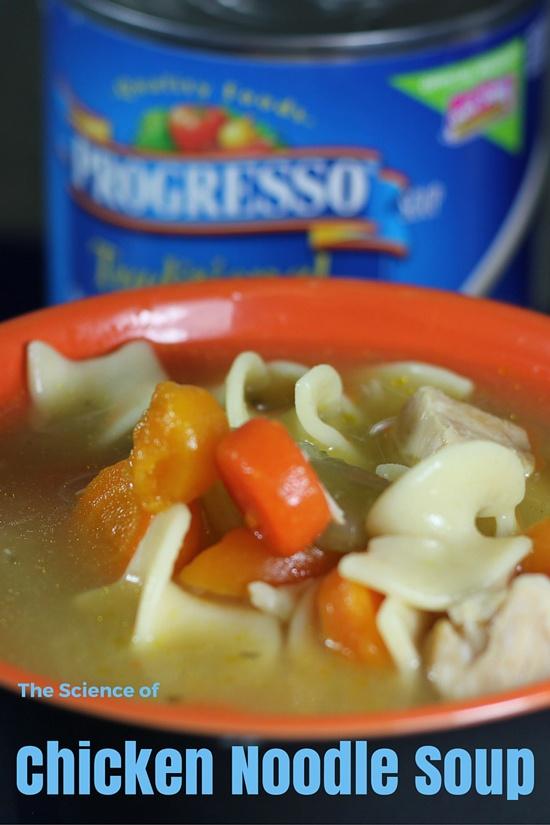
How Does Chicken Soup Help With Colds?
Chicken soup is a comfort food with real value and some surprising medical value too. However, it's more than just an old wives tale, so let's look into it more deeply and learn about how it works to kick colds to the curb.
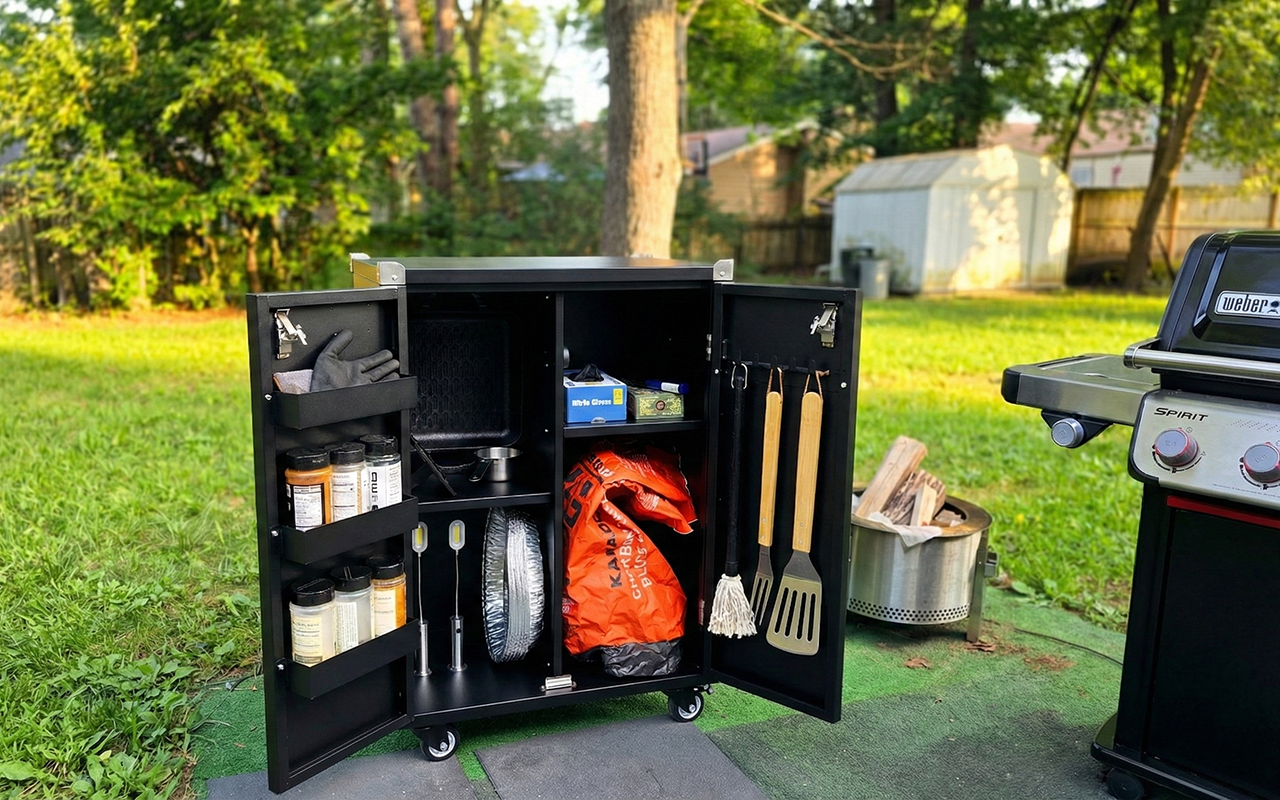
GrillBox 2.0 Review: Solid Build, Assembly Frustrations, and Why I Still Recommend It
The GrillBox 2.0 keeps grilling gear organized and protected year-round. 18-gauge steel construction, adjustable storage, and 360-degree wheels. Honest take on assembly and pricing considerations.
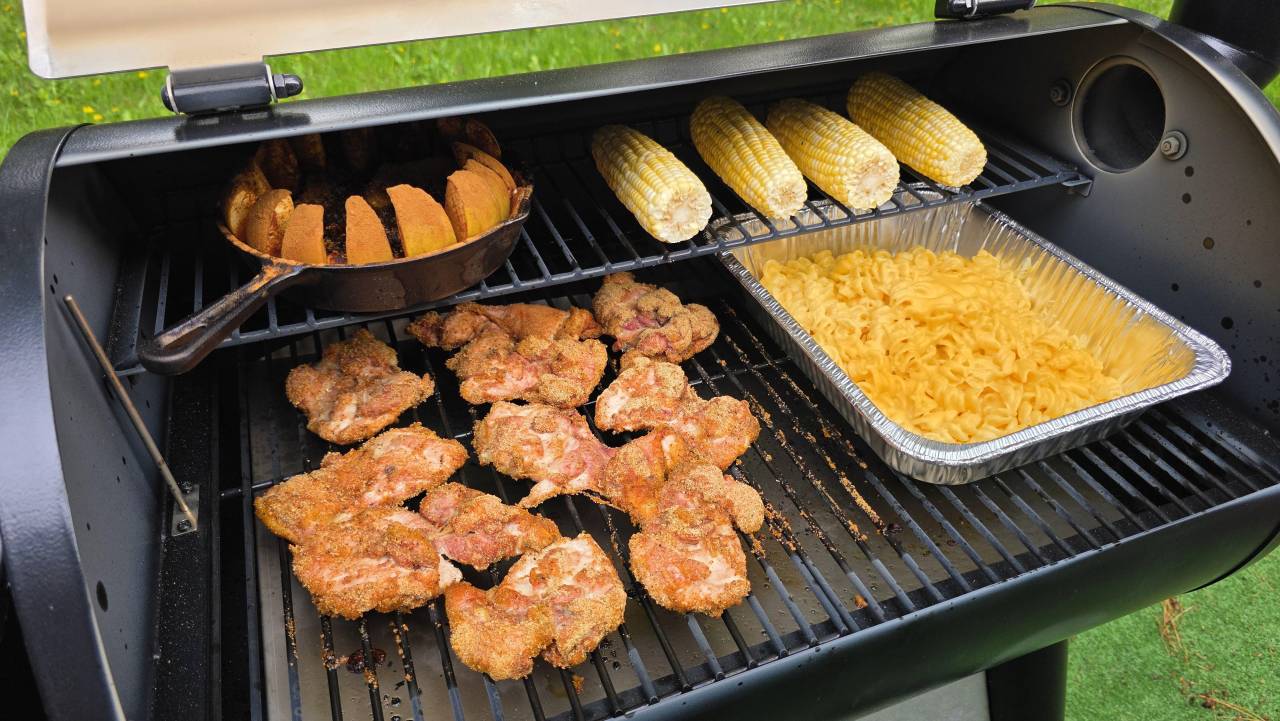
Finding Your Flame: Every Man's Guide to Mastering Different Grill Types
Explore the ultimate backyard grilling guide comparing gas, charcoal, pellet, and wood grills. Learn which type suits your cooking style, maintenance preferences, and flavor profile desires for creati
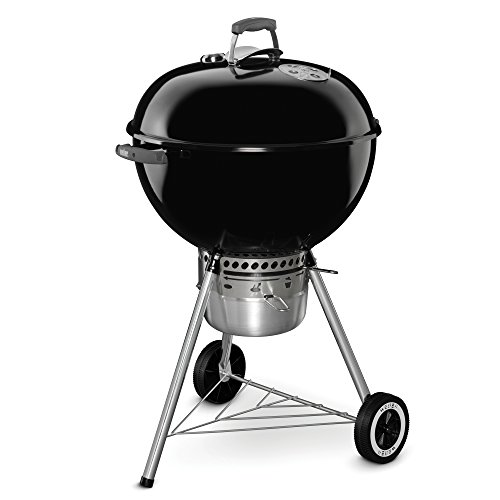
Weber Original Kettle Premium Charcoal Grill, 22-Inch
The Weber 22-Inch Original Kettle Premium charcoal grill suits backyard cooks, with easy ash cleanup, hinged grate, and heat-retaining porcelain-enameled build.
Sponsored
Chicken Soup Slows The Cells That Drive Your Cough
A team led by Dr. Stephen Rennard at the Nebraska Medical Center in Omaha put this one in a lab. Their study, published in the journal Chest in October 2000, isolated neutrophils - the white blood cells that flood into your airway during a cold and drive the coughing and congestion - and measured how far they traveled with and without chicken soup in the dish. The soup slowed them down, and it did so in proportion to how much was added.
They started with a real family recipe, then bought a shelf of commercial soups at a local supermarket and ran the same test. Most of those slowed the cells too, though the effect varied noticeably from brand to brand.
Here is the part the lab was honest about, and almost nobody quotes it: nobody has identified what in the soup is doing the work. Whatever it is appears to be water soluble, and recipes with the vegetable solids strained out still showed the effect, so it is not simply the vegetables.
One caution on how far to carry this. What got measured was the inflammation behind cold symptoms, in a dish, not systemic inflammation in your body. Soup is not an anti-inflammatory supplement, and the researchers never claimed it was.
Hot Soup Speeds Up How Fast Your Nose Clears
This one got measured too, and 22 years earlier. A 1978 study in the same journal tracked nasal mucus velocity, or how fast your nose clears itself out, in 15 subjects before and after they drank something hot.
Hot chicken soup moved it from 6.9 to 9.2 mm per minute. Plain hot water helped almost as much, which is the tell that heat is doing most of this. Cold water made it measurably worse, dropping from 7.3 down to 4.5.
Two practical things fall out of that. Sipping beat drinking through a straw, which suggests the steam is doing part of the work rather than the liquid alone. And the hot readings were back to baseline at the 30 minute mark, so a bowl of soup is a short window of relief rather than something that accumulates over the day.
The Placebo Effect Is Real But Narrow
Calling something a placebo is usually a way of dismissing it. The honest answer here is more complicated than either camp wants it to be.
Researchers at the University of Wisconsin ran a randomized trial published in the Annals of Family Medicine that split cold sufferers four ways: no pills at all, a blinded placebo, blinded echinacea, and echinacea handed over openly. Across the full group the differences were small and did not reach statistical significance. The authors put their own conclusion bluntly, and it is not the one the wellness internet quotes: the results do not support a powerful placebo effect in the common cold.
One subgroup did stand out. Among people who already believed echinacea works, the ones handed a placebo pill got over their colds about 2.6 days faster than the ones given nothing at all. Their symptoms were not measurably milder, only shorter.
So belief is not doing the heavy lifting, and anyone selling you soup as mind over matter is overstating it. What the data supports is narrower and more human than that. If you already trust the remedy, going through the ritual of taking it appears to be worth something, which is a fair description of most guys and a pot of chicken soup.
Why A Bowl Before Bed Beats A Bowl At Lunch
Put the two measured effects next to a third fact and something useful falls out.
Nasal congestion is a documented sleep wrecker, and research on congestion ties it directly to worse sleep, worse mood, and lower productivity the following day. The mechanics are unglamorous. You mouth-breathe, you shift position, you snore, and you rack up brief wakings you never remember but absolutely feel the next morning.
Now recall the 30 minute window. Soup buys you roughly half an hour of a clearer nose and then it is gone. Drinking it at noon spends that window on an afternoon you were going to get through anyway. Drinking it in the half hour before you lie down spends it on the part of the day congestion ruins.
That is not soup making you sleepy, and any article telling you the tryptophan in chicken is sedating you is overselling it. It is soup clearing the thing that keeps waking you up, at the one moment that matters.
Keep Soup Packets In Your Travel Kit
Colds do not check your calendar, and getting sick on the road is worse than getting sick at home for one simple reason: you have no kitchen. A dry soup packet solves that, and it weighs nothing.
Powdered soup and bouillon clear airport security without a second look. Liquid soup does not, because it falls under the same 3.4 ounce limit as everything else in your quart bag. A few flat packets in your dopp kit take up less room than a pair of socks and cost a couple of dollars.
After that it is only a question of hot water, and you can usually find hot water for tea without much effort:
- An in-room kettle - standard in most of the world, still uncommon in American hotels. If you have one, this is the easy answer.
- The lobby coffee and tea station - the hot water spigot next to the coffee urn is there for tea, and nobody has ever questioned a guy filling a cup at it.
- An in-room microwave - common in extended-stay and mid-tier properties, and it will get water plenty hot.
Be honest with yourself about what this is. A packet is not a real bowl of homemade chicken and dumplings, and it is not the hot bowl of pho you would go hunt down if you were home and functional. But look at which mechanism you are actually buying. The nasal effect ran mostly on heat and steam, and a packet delivers those. The neutrophil effect was measured on real soup, not on a powdered packet, so treat that half as unproven.
The one real cost is sodium. Instant cups and canned chicken noodle commonly run 800 to 1,200 mg per serving against a 2,300 mg daily limit, and plenty of cans are two servings rather than one. When you are running a fever and sweating it out, that salt is doing you a favor. If you are already managing blood pressure, read the panel before this becomes a nightly habit on a long trip.
Sip It Hot, But Still Call The Doctor For A Complete Assessment
If you are going to lean on the science, lean on the parts that actually got measured. Get it hot enough to steam. Sip it rather than pulling it through a straw. Have it in the half hour before bed rather than at lunch. And do not talk yourself out of the canned stuff, because the lab tested that too.
None of this makes soup a treatment. Every study here measured a symptom, not a cure. None of them touched the infection itself. This is exactly where guys get themselves in trouble, because the Cleveland Clinic's MENtion It survey found that 72 percent of men would rather do household chores than go to the doctor, and only half consider an annual check-up a regular part of taking care of themselves. A bowl of soup is a very easy thing to hide behind.
So use the real line. A fever that will not break, a cough that settles into your chest, or anything still hanging on past a week is a phone call, not a second bowl. Soup is what makes being sick bearable while your body does the actual work.
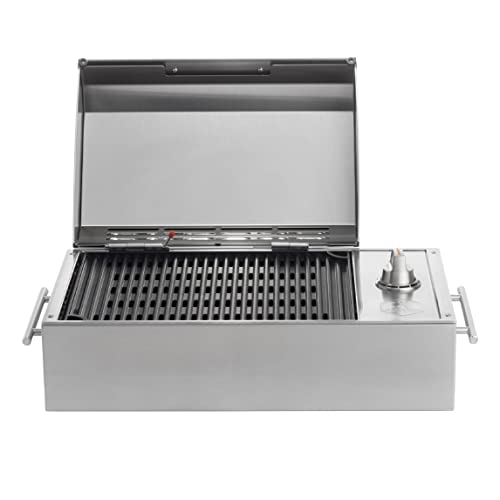
Kenyon City Grill Portable Stainless Steel Electric Grill
Why we picked it: a grill you can actually carry to the campsite, the tailgate or the cabin without borrowing a truck. Stainless, no propane tank to wrestle, and hot enough to cook for four guys rather than reheat for one.


Sponsored