Fishing is one of the most fun sports that I can think of. It’s a great way to enjoy nature and time away from technology while bonding with our brothers and testing our skills against nature. Unfortunately, as people travel farther and farther to enjoy new locations, we are taking invasive species with us. When introduced in new environments, these invaders can wreak havoc on their new environment and potentially lead to the destruction of what once made that area great. Luckily, there are things you can do to help limit their spread and preserve waterways such as Montana’s streams, rivers and lakes for generations to come.
While we’re sponsored today on behalf of Montana Fish, Wildlife and Parks – this is more than a Montana issue. Limiting the spread of Aquatic Invasive Species is something of great importance for all waterways. That’s why it’s critical that you not only be aware of the potential of contaminating Montana’s waterways … but do what you can to prevent bringing anything back from Montana that might affect your home streams and lakes too!
Join us as we talk Tim from Gunaxin and Russ Hartzell from Montana Fish, Wildlife & Parks about Fishing in Montana and the importance of helping to prevent the introduction of invasive species into the waterways.
Posted by ManTripping on Tuesday, May 29, 2018
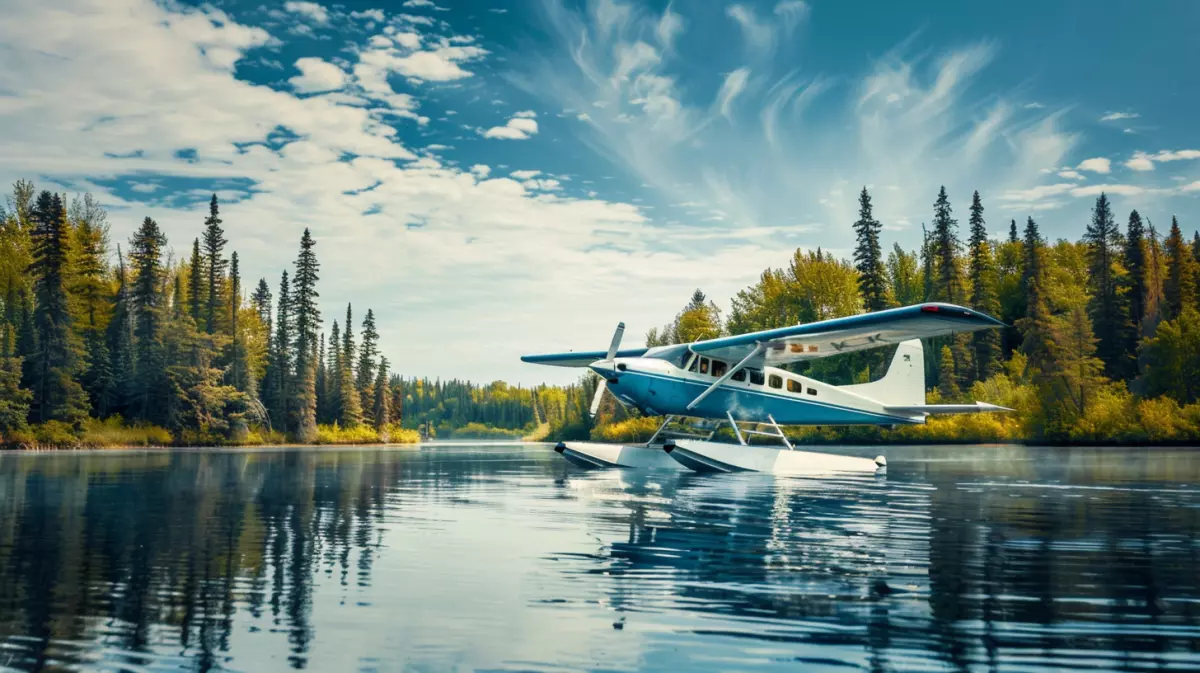
Manitoba Fly-In Trophy Fishing: Pike, Walleye, Grayling
Manitoba fly-in fishing: Trophy pike, walleye & rare Arctic grayling. Experience Canada's pristine wilderness fishing. Perfect for accomplished anglers seeking exclusive trophy experiences in this legendary destination.

Fish of Michigan Field Guide (Fish Identification Guides)
Fish of Michigan field guide for identifying fish species. A handy reference for anglers and nature lovers in Michigan.
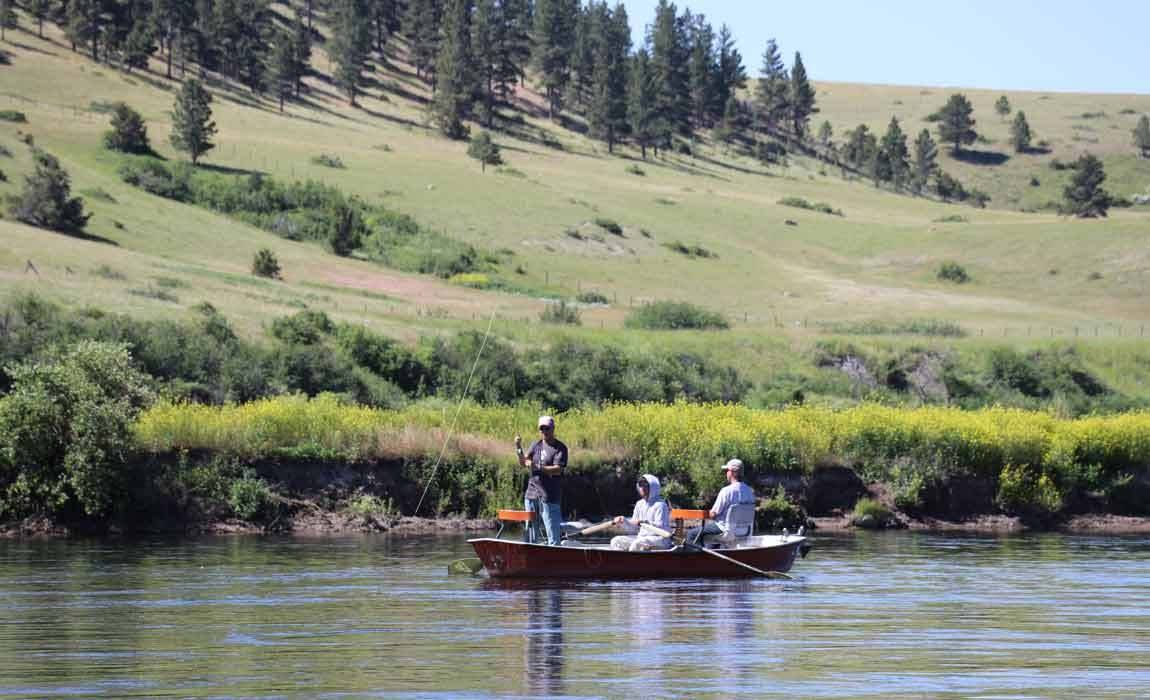
Here Are The Best Fly Fishing Destinations In The United States
Blog post about the best places to go fly fishing in the United States
Promoted by FlowAds

What are Invasive Species?
Simply put – it is any non-native species that has been introduced into a new environment and has the potential to spread. In the case of Aquatic Invasive Species or AIS, this ranges from microscopic pathogens that can lead to fish getting sick to plants such as Curly Leaf Pond Weed and larger items such as New Zealand Mud Snails or Zebra Mussels.
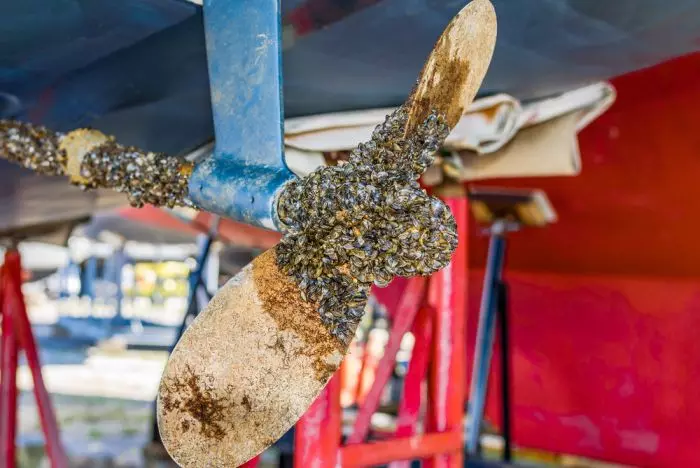
How Can You Help Prevent The Spread of Aquatic Invasive Species?
While nothing is perfect, to eliminate most of the risk, it is as simple as – Clean, Drain, Dry.
Man Gear Pick of the Month
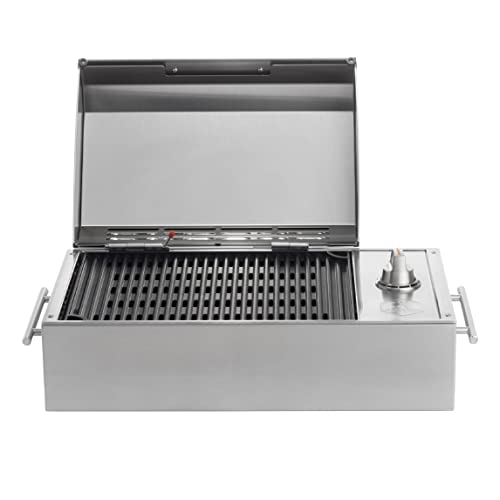
Kenyon City Grill Portable Stainless Steel Electric Grill
Why we picked it: a grill you can actually carry to the campsite, the tailgate or the cabin without borrowing a truck. Stainless, no propane tank to wrestle, and hot enough to cook for four guys rather than reheat for one.
 August's Pick LiberNovo Maxis Electric Big and Tall Ergonomic Office Chair, Graphite 52cm $1,466.00
  July's Pick Powerful Propane Torch Gun, Adjustable Flame Thrower Gun, Kitchen Torch with Detachable Design, Flamethrower Blow Torch for BBQ, Searing Steak, Welding, Camping Charcoal Lighter(Tank Not Included) $41.99
  June's Pick OYASUMI Funny BBQ Man Hot Dog Holders, 4 PCS Reusable Stainless Steel Sausage Stands, Portable Hot Dog Roasters, Barbecue Grill Accessories for Camping & Party Gifts $14.98
 Promoted by FlowAds

- CLEAN: Before leaving the access area (boat launch / ramp etc.) completely remove all mud, water, and vegetation.
- DRAIN: Make sure that all water wells are completely drained. This includes bait wells, coolers, and niches in your boat or trailer that might hold water during the launch process.
- DRY: Take care to dry all of your equipment including not just watercraft but also waders, boots, and other items that might have entered the water.
Most Aquatic Invasive Species cannot survive in a clean, dry environment so if you eliminate their habitat it is unlikely that you’ll accidentally transport them to new homes.
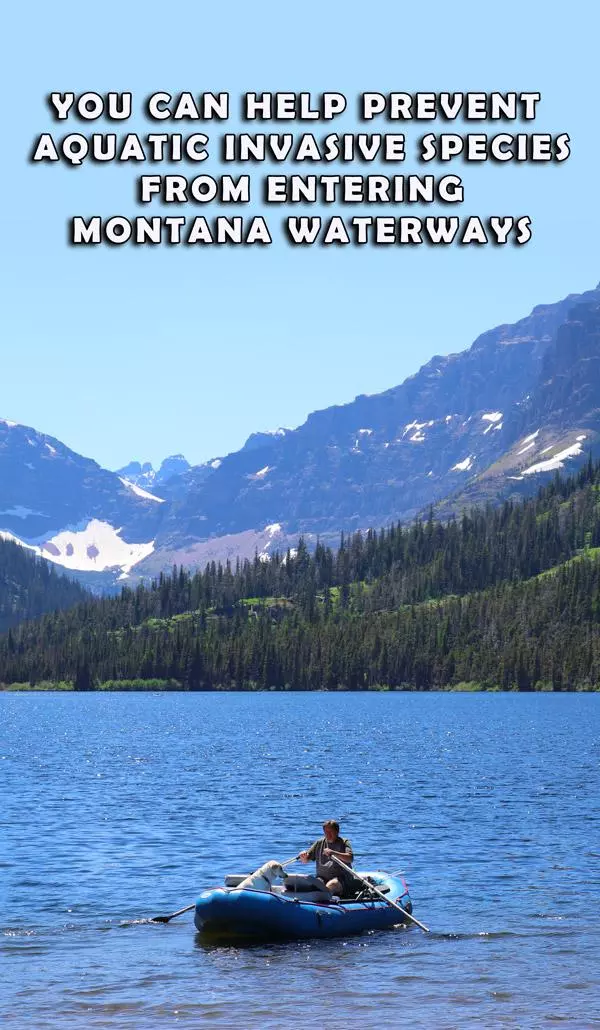
Make Sure To Stop at Any and All Check Areas and Follow All Regulations
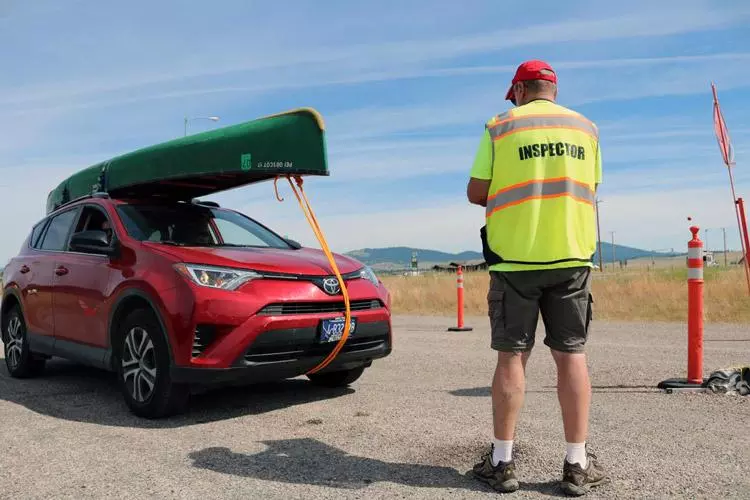
The inspectors from Montana Fish, Wildlife, and Parks are there to help protect the environment that you’ve traveled there to enjoy. Pay attention to their advice and follow all regulations. That includes stopping at Watercraft Inspection stations to ensure that your boats are safe.
Montana law requires that anyone transporting watercraft (motorized or nonmotorized) stop at these inspection stations. This obviously includes fishing boats – but also rafts, drift boats, canoes, kayaks, paddleboards, pontoon boats, and sail boats.
For more information about how you can help protect Montana’s waterways, make sure to visit their website, CleanDrainDryMT.com for more information. You can also ask question on their Facebook page.