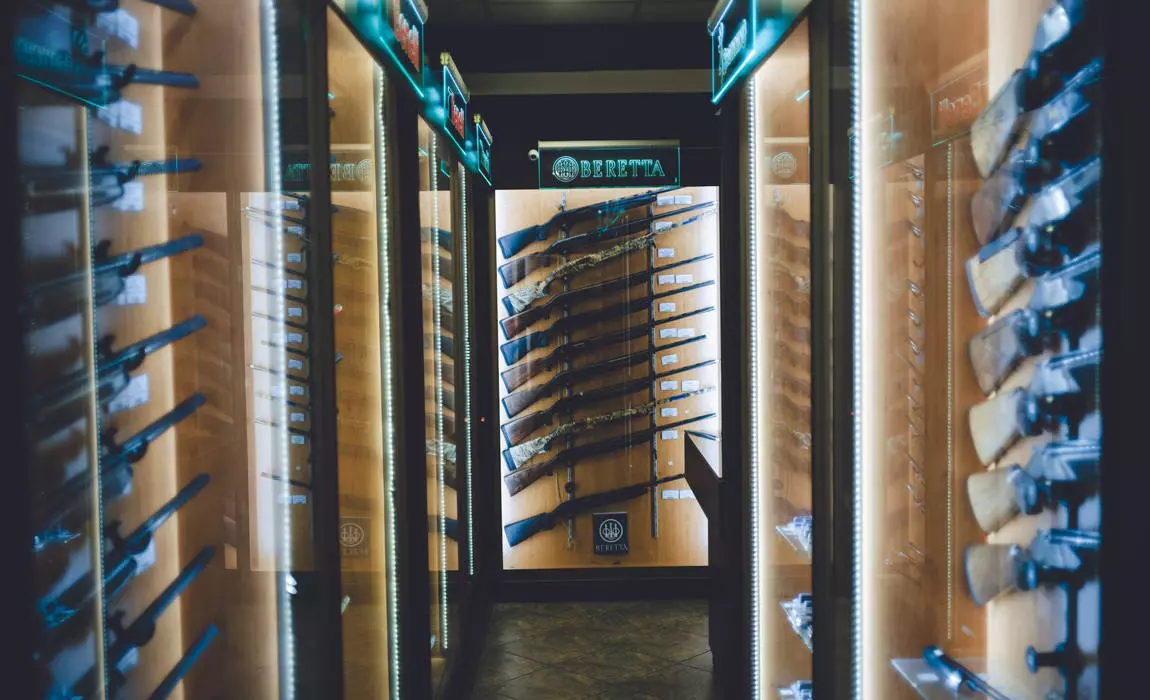
If you own guns, you already know the basics — keep them away from kids, lock them up, don't be stupid. But proper firearms storage goes deeper than that, and most gun owners don't think about it until something goes wrong. A good storage setup protects your family, protects your investment, and keeps your guns ready when you actually need them.
Kids Aren't the Only Reason to Lock It Up
The obvious reason to store your firearms properly is keeping unauthorized hands off them — especially children. But that's only one piece of it. A loaded pistol propped in a closet can fall, discharge, and ruin someone's day in a way nobody intended. An unlocked collection sitting in humidity is slowly corroding barrels and actions. And if your guns aren't secured during a break-in, you've just armed a criminal with your own weapons.
Proper storage also protects you in a moment of anger or despair. Having a barrier between impulse and access — even if it's just a trigger lock — introduces the pause that can prevent a tragedy. This isn't about questioning your judgment. It's about respecting the reality that everyone has bad days, and a 3-second delay can change an outcome.
What to Actually Put Your Guns In
The right storage solution depends on what you own, how quickly you need access, and how much space you've got. A guy with a single 9mm for home defense has different needs than someone with a dozen rifles and a reloading bench.
From Carnival to Norwegian: Cruise Hacks We Love That Cruise Lines Keep Trying to Ban
Cruise hacks for power strips, radios, door decorations, and more - plus which lines allow them and which don't. Real tips from 30+ cruises on Carnival, Norwegian, Royal Caribbean, and Disney.

Cruising Alaska with Norwegian Cruise Line on NCL Jewel
What to expect when on an Alaska cruise with Norwegian Cruise Lines, based on our sailing on NCL Jewel.

GigSky Cruise+ Data-Only eSim
Explore the beautiful regions of the Americas and the Caribbean with our special eSIM data plans designed for cruise travelers.

Fantastic Thailand 9 Day Tour
A 9-day Thailand tour from Bangkok's temples to Chiang Mai, Chiang Rai and the Phi Phi Islands, suited to travelers of all ages.
Promoted by FlowAds

Gun Safes
A quality gun safe is the gold standard for long-term storage. Fire-rated models from brands like Liberty Safe protect against fire, water damage, and theft. For a collection of rifles or a mix of handguns and long guns, a full-size safe bolted to the floor is the most secure option. The trade-off is speed — a combination lock takes time to open, which matters if you're reaching for a home defense weapon at 3 AM. Biometric safes split the difference, but the good ones aren't cheap.
Bedside and Quick-Access Safes
If your primary gun is for home defense, a quick-access safe on or near your nightstand is the practical move. These use biometric readers, keypads, or RFID tags to get the door open in under two seconds. They keep the gun secured from kids and guests while still being accessible when it matters. If you're choosing a home defense weapon, factor in the safe you'll keep it in — a full-size 1911 won't fit in every quick-access box.
Gun Cabinets
A gun cabinet lets you display your collection behind glass while keeping it locked. They look good in an office or den, and they work well for rifles and shotguns you want visible but not accessible. The downside is security — most cabinets can be broken into with a pry bar faster than a safe. Think of a cabinet as a deterrent and an organizational tool, not a vault.
Man Gear Pick of the Month
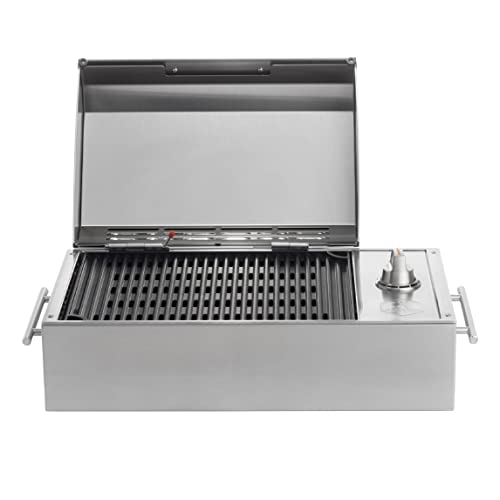
Kenyon City Grill Portable Stainless Steel Electric Grill
Why we picked it: a grill you can actually carry to the campsite, the tailgate or the cabin without borrowing a truck. Stainless, no propane tank to wrestle, and hot enough to cook for four guys rather than reheat for one.
 August's Pick LiberNovo Maxis Electric Big and Tall Ergonomic Office Chair, Graphite 52cm $1,393.00
  July's Pick Powerful Propane Torch Gun, Adjustable Flame Thrower Gun, Kitchen Torch with Detachable Design, Flamethrower Blow Torch for BBQ, Searing Steak, Welding, Camping Charcoal Lighter(Tank Not Included) $42.99
  June's Pick OYASUMI Funny BBQ Man Hot Dog Holders, 4 PCS Reusable Stainless Steel Sausage Stands, Portable Hot Dog Roasters, Barbecue Grill Accessories for Camping & Party Gifts $7.98
 Promoted by FlowAds

Trigger Locks and Cable Locks
Trigger locks are the minimum viable option. They prevent a gun from being fired but don't prevent theft. Cable locks thread through the action and are often included free with a firearm purchase. If you're traveling with a gun — which has its own set of rules — a cable lock plus a hard case is the baseline for transport.
Gun Cases
A hard case is essential for transport and useful for seasonal storage — hunting rifles that come out in November and go back in December. Soft cases work for the range bag but don't offer much protection from impact or moisture. For long-term case storage, toss in a desiccant pack to keep humidity from doing its work on your steel.
Your Safe Is Also Your Gun's Best Friend
Storage and maintenance are connected. A gun sitting in an open closet collects dust in the action, moisture in the barrel, and fingerprint oils on the finish. A good safe with a dehumidifier rod (a Golden Rod or similar) keeps the interior climate controlled and your guns in the condition they were in when you put them away. If you're spending money on quality firearms, spending a few hundred on proper storage protects that investment for decades.
The Safe Doesn't Work If You Don't Use It
The best safe in the world doesn't help if you leave a gun on the kitchen counter because you were cleaning it and got distracted. Storage is a habit, not a purchase. Every time the gun comes out, it goes back. Every time you're done at the range, the guns get cleaned, locked, and stored before you crack a beer. The discipline matters more than the hardware.
If you're still figuring out what you need, start with a good gun store — the ones with knowledgeable staff will walk you through storage options for your specific situation. And if you're new to firearms, gun safety education is just as important as the safe you buy.