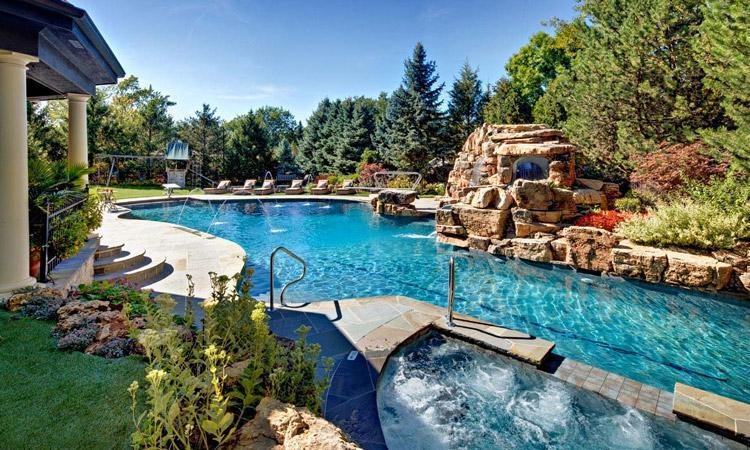
A skin infection I picked up from a spa pool in Palm Springs changed the way I think about swimming. The water looked clean. The resort was nice. Didn't matter. Since then I've been a lot more deliberate about pool water quality - and the honest conclusion is that a home pool, managed right, is dramatically cleaner and healthier than anything you'll swim in at a hotel, resort, or community facility. You control the inputs. You know who's been in it. You set the standards.
Here's how to make that advantage count.
What Do You Call Your "Guys Trips"?
- Saltwater, UV, and ozone systems can significantly reduce the chemical load of traditional chlorine pools while keeping the water just as safe and dramatically better-feeling.
- pH levels between 7.2 and 7.6 are the sweet spot for both sanitizer effectiveness and swimmer comfort - off by even a fraction and neither works right.
- Robotic pool cleaners like the Polaris 9650iQ Sport automate the scrubbing and vacuuming so your pool stays clean between your weekly checks, not just when you get around to it.
- Bird droppings introduce nitrates that feed algae - moving feeders and birdbaths away from the pool area is one of the most overlooked steps in keeping the water balanced.
- A quick rinse before getting in removes body oils, sunscreen, and contaminants that throw off water chemistry faster than most people realize.
Most public pools - hotel pools especially - manage water chemistry based on bather load and liability, not your comfort. That means aggressive chlorine levels, inconsistent pH, and water that's technically "safe" but far from clean. Your backyard pool doesn't have those constraints. A little diligence and the right gear changes what swimming actually feels like.
If you're still in the planning phase, check out what nobody tells you before you build a backyard pool - the maintenance decisions start at the design stage.

Fort Wayne Indiana Is A Great Guys Getaway Destination
Fort Wayne Indiana is a great destination for a guys trip since it has great food, awesome car museums, and tons of other stuff for men to do.

12 Epic Ideas for an Awesome Dubai Guys Trip
Men's guide to Dubai: 12 epic luxury experiences including supercar rentals, hidden speakeasies, desert adventures, and Arabian Gulf cruises. Perfect for guys trips seeking premium thrills in this exclusive destination.

7 Days Trip Discover Northern Thailand
A 7 day guided journey through northern Thailand covering Chiangmai, Mae Sariang, Mae Hong Son, Pai, Thaton and Chiangrai, ideal for culture lovers.

10 Day Explore Sri Lanka
A 10 day Sri Lanka tour offering a unique, tradition and culture focused experience suited to travelers seeking a remarkable holiday.
Promoted by FlowAds

Beyond Chlorine: Building a Healthier Pool System
The chlorine-only approach works, but it's a blunt instrument - and you can do a lot better. A well-managed home pool can run with dramatically lower chemical loads while actually being cleaner than anything you'll find at a public facility. The key is layering systems that each handle a different part of the problem.
Saltwater systems are the most common upgrade and worth doing. They convert salt to chlorine through electrolysis, producing a softer, gentler sanitizer that doesn't leave the harsh residue traditional chlorine does. The upfront cost runs $800 to $2,500 depending on pool size and system quality, but long-term chemical costs drop and the water feels noticeably better - less eye irritation, no chemical smell, skin that doesn't feel stripped after a swim.
UV sanitizers add another layer by using ultraviolet light to neutralize bacteria, viruses, and chlorine-resistant organisms that chemical treatments sometimes miss. They don't replace chlorine, but they let you run lower levels and still keep the water safe. Particularly useful in warmer climates where algae pressure is higher and the pool gets heavier use.
Man Gear Pick of the Month
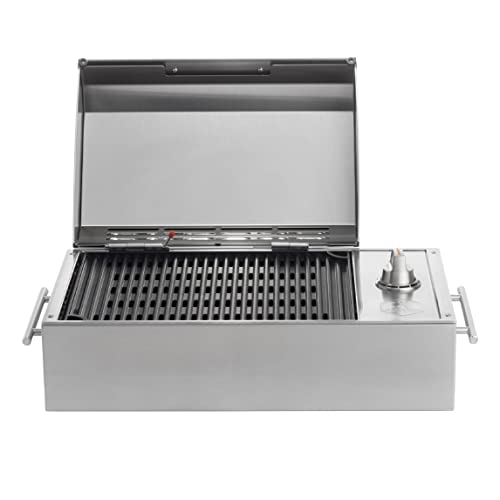
Kenyon City Grill Portable Stainless Steel Electric Grill
Why we picked it: a grill you can actually carry to the campsite, the tailgate or the cabin without borrowing a truck. Stainless, no propane tank to wrestle, and hot enough to cook for four guys rather than reheat for one.
 August's Pick LiberNovo Maxis Electric Big and Tall Ergonomic Office Chair, Graphite 52cm $1,163.00
  July's Pick Powerful Propane Torch Gun, Adjustable Flame Thrower Gun, Kitchen Torch with Detachable Design, Flamethrower Blow Torch for BBQ, Searing Steak, Welding, Camping Charcoal Lighter(Tank Not Included) $37.14
  June's Pick OYASUMI Funny BBQ Man Hot Dog Holders, 4 PCS Reusable Stainless Steel Sausage Stands, Portable Hot Dog Roasters, Barbecue Grill Accessories for Camping & Party Gifts $7.98
 Promoted by FlowAds

Ozone systems work similarly - ozone is one of the most powerful oxidizers available and destroys organic contaminants before chlorine even has to touch them. Pair ozone with a saltwater system and you're running a genuinely low-chemical pool. The systems require professional installation but are common enough in residential builds that most pool contractors know them well.
Mineral and ionization systems - products like the Nature2 mineral cartridge use copper and silver ions to suppress algae and bacteria growth. These don't sanitize completely on their own, but they reduce chlorine demand significantly. It's a simple add-on that makes a measurable difference without major equipment changes.
Enzyme treatments are the most underrated tool in this category. Enzymes break down body oils, sunscreen, and organic waste that conventional sanitizers struggle with - and which consume chlorine rapidly. When your chlorine is fighting oils and sunscreen instead of bacteria, your water chemistry goes sideways fast. A weekly enzyme treatment removes that burden from your sanitizer and keeps the water noticeably clearer.
Phosphate removers round out the toolkit. Phosphates enter the pool from debris, fertilizers, and tap water, and they're the primary food source for algae. Removing them before algae can use them is a proactive approach that reduces how often you're fighting blooms in the first place.
pH is the foundation all of this sits on. Keep it between 7.2 and 7.6. Below 7.0 the water turns acidic and starts corroding equipment. Above 7.8, chlorine and most other sanitizers drop off sharply in effectiveness. I check pH weekly - it's a two-minute test that catches problems before they compound into something expensive.
Pool Automation and the Zodiac iAqualink System
The biggest reason residential pools fall behind isn't negligence - it's inconsistency. You get busy, skip a week, and by the time you get back to it the bottom has a film and the walls are starting to show algae. Automation solves that.
Zodiac's iAqualink system is one of the better residential pool management platforms available. It connects your pump, heater, lights, and compatible equipment to an app on your phone, giving you real-time monitoring and scheduling for everything in one place. You can check water temperature, run your pump on a schedule, and track what's happening with your pool without going outside. For guys who have set up smart home systems elsewhere, it fits right into that same mindset.
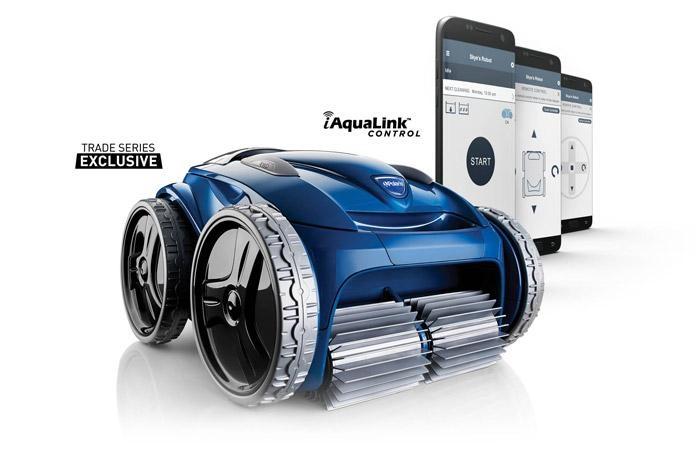
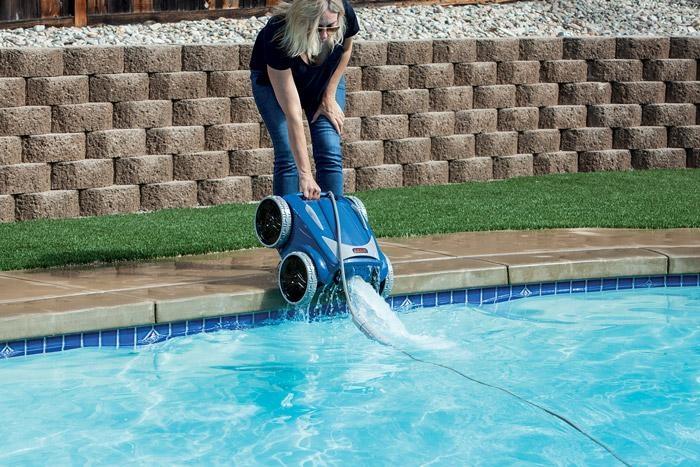
The Polaris 9650iQ Sport is the robotic cleaner built to integrate with that ecosystem. It connects to your home Wi-Fi and runs through the iAquaLink app on iOS or Android. You set a 7-day cleaning schedule, monitor it remotely, and steer it manually if you need it to focus on a specific area. It handles in-ground pools up to 60 feet, cleans floor, walls, and waterline, and runs on 4WD rubber wheels that navigate raised drains and steps without getting stuck. The 5-liter canister includes a dirty canister indicator in the app - no guessing when it needs emptying.
The Easy Lift feature is a small detail that makes it better to live with day-to-day: tap a button in the app and the cleaner drives itself to the pool edge so you can lift it out without hunting for it with the cord. It's 21 pounds when wet, but the auto-expel drains most of the water before you pull it.

Polaris 9650iQ Sport Robotic Cleaner, Automatic Vacuum for InGround Pools
 Beatbot AquaSense 2 Cordless Robotic Pool Vacuum (2025 Upgrade) $799.00
  Polaris PCX 868 iQ Robotic Pool Cleaner with App Control $1,149.00
 Promoted by FlowAds

This unit was introduced several years ago, and the owner community is consistently positive - particularly on cleaning performance and the app control. The one recurring note is that the navigation pattern isn't as methodically systematic as some competing Dolphin models, so it occasionally revisits a section. For most residential pools it covers everything regardless. If you're already using iAqualink to manage other pool equipment, it integrates cleanly and is the obvious choice. If you're starting fresh, it's worth comparing to the Dolphin Quantum at a similar price point.
Weekly Pool Maintenance: The 20-Minute Routine
Automation handles the heavy cleaning, but a short weekly checklist keeps everything running:
Water level - too low and the skimmer pulls air instead of debris, which can damage the pump. Too high after rain and the skimmer loses effectiveness at the surface.
pH and sanitizer levels - a two-minute test strip check. Record the result. Trends matter more than single readings, and catching a drift early is far easier than correcting a crash.
Visual plumbing inspection - listen for unusual pump sounds, look for water pooling anywhere it shouldn't be. A small leak caught early is a minor repair. Left alone, it isn't.
Skim the surface - robotic cleaners handle the bottom and walls; you still need to pull leaves and debris off the surface before they sink and add to the organic load. Five minutes.
Inspect tile and decking - small cracks in coping or tile can let water intrude and cause larger structural issues. A quick visual pass every few weeks is enough to catch things before they escalate.
If you're building out the full backyard setup, the outdoor kitchen budgeting guide is worth reading alongside this - the pool and the cooking area are often planned together and the decisions interact more than most people expect.
What Gets Into Your Pool When You're Not Looking
A few environmental factors that are easy to overlook:
Yard chemicals - fertilizers, herbicides, and even grass seed can wreak havoc on pool chemistry if they migrate into the water. Fill spreaders and do any lawn treatment well away from the pool area. Even a small spill matters.
Bird feeders and birdbaths - bird droppings introduce nitrates that act as fertilizer for algae. Keep feeders at least 20 feet from the pool and consider moving birdbaths to the front yard entirely. It sounds minor until you're fighting an algae bloom in late August.
Desert and subtropical climates - if you're in Southern California, Arizona, or South Florida, warmer water temperatures accelerate bacteria growth and algae pressure is higher year-round. Regular checks matter more, and the pool tends to attract uninvited guests. Check your filters before reaching in.
Clean Water Starts Before You Jump In
Your pool chemistry and equipment are only part of the picture. What goes into the pool matters just as much.
A quick rinse before swimming - even 30 seconds with a hose or outdoor shower - removes body oils, sunscreen, and sweat that consume sanitizer and throw off water chemistry. It's the single most effective habit swimmers can build and the one most people skip. When you've got a group over for the weekend, that adds up fast.
Keep animals out when you can. Dogs introduce bacteria and oils that add significant chemical load, particularly with heavy pool use. If the dog swims, test your chemistry and run a cleaning cycle afterward.
And shower after swimming too - it matters for your personal health as much as anything else. Even a well-maintained pool carries residual sanitizers and whatever was in the water. A rinse takes 60 seconds and keeps your skin in better shape across the season.
Your Home Pool Wins If You Treat It Like a System
The difference between a resort pool and a well-managed home pool isn't money - it's intention. Resorts chlorinate based on bather load and liability. You can actually manage for quality.
Layer your sanitization, automate the cleaning, stay on top of the weekly checks, and build a few habits around what goes into the water. A backyard pool managed this way will beat most of what you'll swim in anywhere else - and with a lot less chemical smell to prove it.

Promoted by FlowAds
