
As a bigger guy, I've learned the hard way that a shirt either works with your body or fights you all night. When it fits right, you forget you're wearing it - you're shaking hands, closing a deal over drinks, or actually in the conversation instead of tugging the hem down over your gut every five minutes. When it fits wrong, you spend the night hiding instead of leaning in. These ten tips are the ones I keep coming back to for finding shirts that fit a big frame and still look sharp.
Why Shirts Fail Big Guys in the First Place
Shirts are hard for big men because there's extra meat in places a designer scaling up from a size-medium fit model never accounted for. Most of us still end up at specialty retailers, though more online shops now cut tees for "dad bods," and a handful of brands like Sunday Swagger run sizes up to 4XL.
Men's fashion is still years behind the way women's lines have embraced "plus-sized" and "curvy." I'm not asking for fat acceptance. I just think it's a missed opportunity that so many designers ignore the big dudes who want to look good and feel confident in their clothes.
Measure Your Neck, Chest, and Sleeves Before You Buy
Knowing your real numbers saves you the returns pile and gets you sharp the first time. Start with the essentials: neck circumference, shoulder width, chest, waist, and sleeve length.
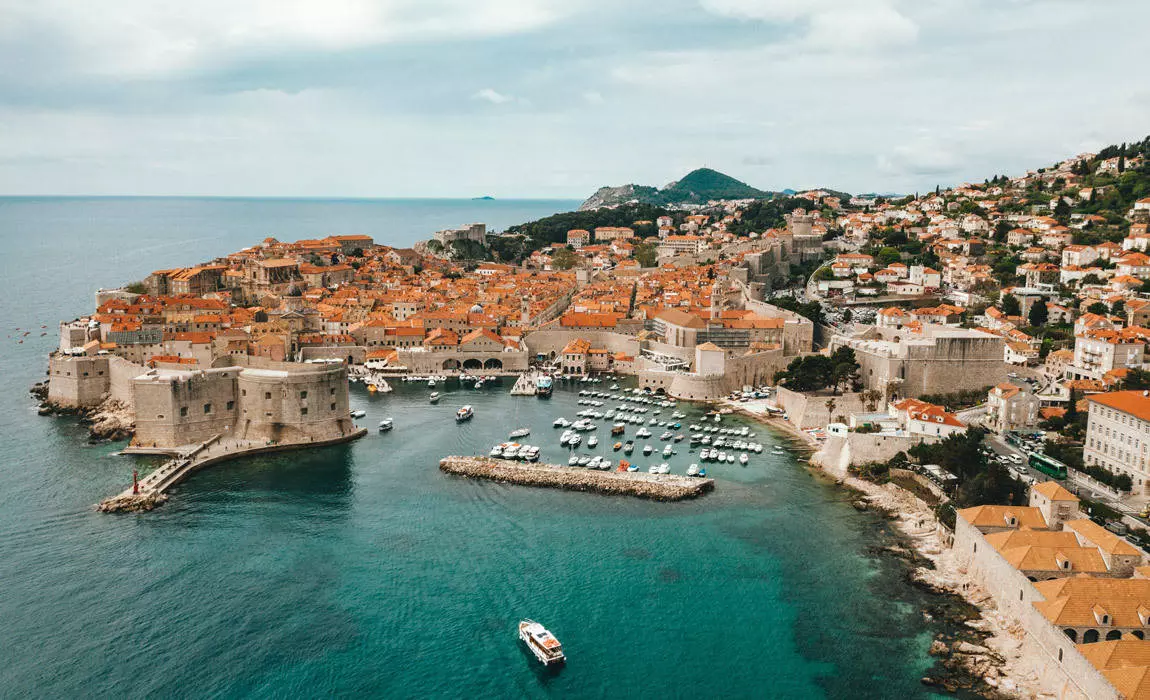
Adriatic Cruising: Why Croatia's Islands Are Perfect for Your Next Mancation
Experience Croatia's Adriatic Sea through luxury yacht charters, cruise adventures, and island hopping. Discover Hvar's nightlife, Kornati's wilderness, and Mljet's pristine forests on the ultimate gu

Hard Rock Punta Cana Guys Getaway All-Inclusive Resort
Experience the ultimate guys getaway at Hard Rock Punta Cana with all-inclusive dining, massive casino, luxury suites, and vibrant nightlife options.

7 Days Private Guided Tour in Sri Lanka
A 7 day private guided tour of Sri Lanka weaving history, culture and adventure with hidden gems, ideal for curious travelers.

12 Day Explore Sri Lanka
A 12 day Sri Lanka tour focused on local tradition and culture, ideal for travelers seeking a unique and remarkable holiday experience.
Promoted by FlowAds

Then use those numbers against each brand's chart, because sizing is all over the map. Say your neck measures 18 inches: one brand's XL might list a 17-18 inch neck while another's XLT runs 19. Take the XLT - the extra room beats a collar you can't button.
Read the Reviews From Guys Built Like You
Reviews are the closest thing to trying a shirt on without leaving the couch. Look for reviewers with a similar build and read what they say about fit, not just color.
Big and tall forums are gold here. You'll find out which brands run small, which fabrics have real stretch, and which "relaxed fit" shirts are still cut for a guy half your size - before you spend a dime.
Man Gear Pick of the Month
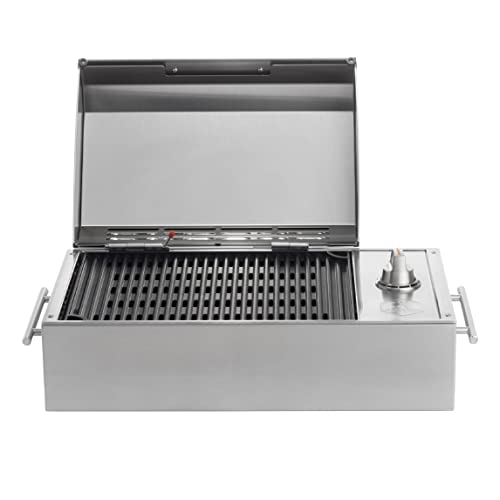
Kenyon City Grill Portable Stainless Steel Electric Grill
Why we picked it: a grill you can actually carry to the campsite, the tailgate or the cabin without borrowing a truck. Stainless, no propane tank to wrestle, and hot enough to cook for four guys rather than reheat for one.
 August's Pick LiberNovo Maxis Electric Big and Tall Ergonomic Office Chair, Graphite 52cm $1,393.00
  July's Pick Powerful Propane Torch Gun, Adjustable Flame Thrower Gun, Kitchen Torch with Detachable Design, Flamethrower Blow Torch for BBQ, Searing Steak, Welding, Camping Charcoal Lighter(Tank Not Included) $42.99
  June's Pick OYASUMI Funny BBQ Man Hot Dog Holders, 4 PCS Reusable Stainless Steel Sausage Stands, Portable Hot Dog Roasters, Barbecue Grill Accessories for Camping & Party Gifts $7.98
 Promoted by FlowAds

Pick Fabrics With Stretch and Some Weight
The right fabric flatters; the wrong one clings. Lightweight materials with a little give - woven knits, heavier cottons - fit better and skim the stomach instead of grabbing it.
Linen is great in summer for breathability, but buy versions blended with a touch of elastane so it moves with you. A little performance polyester in the blend goes a long way too.
Match the Collar to Your Neck and Face Shape
The collar frames your face, so its height, spread, and point length should work with your proportions. If you've got a rounder face or a wider neck, a spread or cutaway collar helps elongate the frame.
If you wear ties, leave enough room between the top button and the collar points for a proper knot - a collar that's choking you reads worse than no tie at all.
Use Vertical Stripes to Your Advantage
A shirt with vertical stripes pulls the eye up and down instead of side to side, which streamlines your upper body - one of the easiest wins on this list. Pair it with dark trousers or jeans and you'll read taller and leaner without trying.
Pattern is personal, so try a few until something clicks. Just skip the wide horizontal stripes - they do the opposite of what you want.
Let Darker Colors Do Some of the Work
Darker shades - navy, charcoal, black - hide bulk better than light ones, and a solid reads cleaner than a busy print. That's the easy default.
But don't bury yourself in black if a brighter color actually fits your personality. A deep green or a rich blue can be just as slimming and a lot more you. Dress for the guy you are, not the one the rules say you should be.
Know the Difference Between XL and XLT
XL adds room through the chest and waist. XLT adds length - longer body and sleeves - for taller guys who hate the untucked-by-accident look. Mix them up and you'll either swim in fabric or flash your stomach reaching for the top shelf.
It gets murkier once "tall" and "long" enter the mix, so it's worth knowing the difference between tall and long shirt sizes before you order. As always, the tag is a suggestion, not a promise - check the actual measurements every time.
Put Comfort Ahead of Everything Else
If a shirt isn't comfortable, you won't wear it twice - doesn't matter how good it looks on the hanger. Lean on breathable, lightweight fabrics that don't trap heat, and collars that fit your neck without a fight.
Get It Tailored - Even Off-the-Rack Shirts
This is the move most big guys skip, and it's the one that changes everything. A tailor can take in a billowing waist, shorten sleeves, and trim a boxy body so a shirt follows your shape instead of hanging off it.
You don't need bespoke. Taking the side seams in on a shirt you already own usually runs $15-25 and makes a department-store shirt look like it was made for you. Do it once and you'll stop buying shirts you only half-wear.
Pay More for Fewer, Better Shirts
Cheap shirts lose their shape after a handful of washes; good ones hold up for years. Buying fewer, better shirts costs less over time, and you always have something sharp to grab.
A solid cotton or cotton-linen blend breathes, holds its shape, and looks right tucked or untucked. Whether it's a Nashville guys' weekend, a buddy's wedding, or a Monday at the office, the shirt you reach for first is almost always the one that fit and felt right - that's worth paying for.
If You Only Fix One Thing, Fix the Fit
You don't have to overhaul your closet this weekend. Nail your real measurements, then find a tailor and have the seams on your two or three best shirts taken in - that single move does more than any new purchase.
From there it's just stacking small wins: the right collar, vertical stripes, fabric with some give, a darker base. Dress for yourself, buy for comfort, and stop letting a badly cut shirt decide how your night goes.

Promoted by FlowAds
