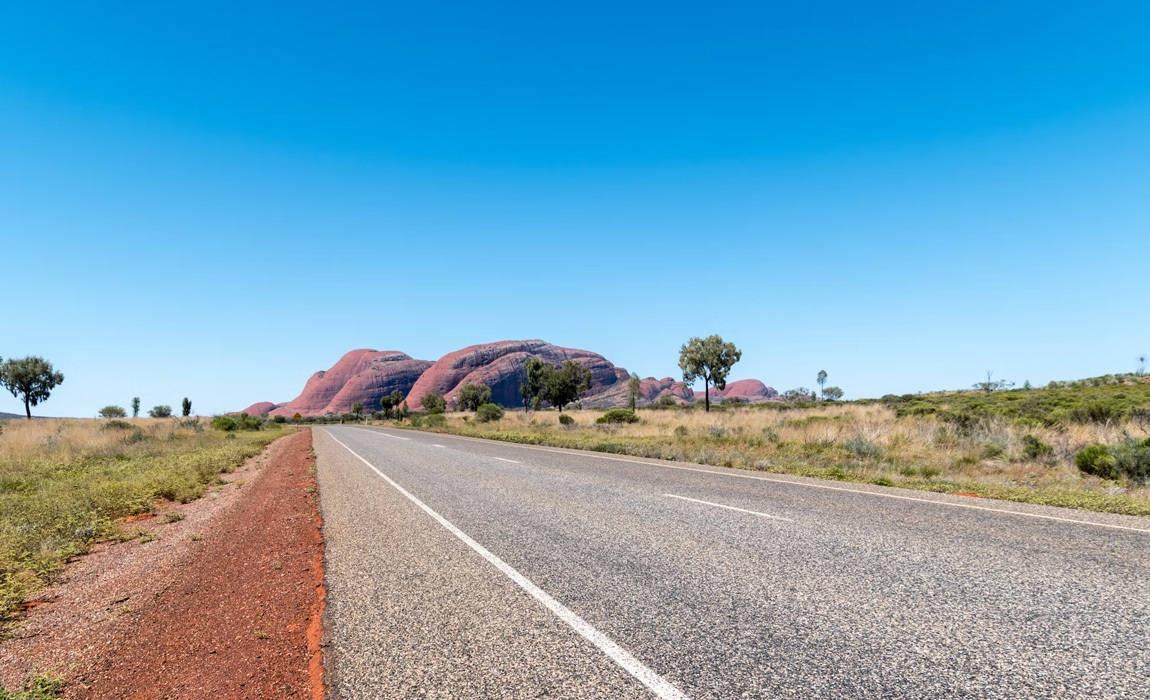
Australia sits on the bucket list of most guys who've ever seriously thought about a major international trip - and then usually stays there. The road trip format is the one worth finally committing to: it's how you move from recognizing the postcard shots to understanding why this country belongs in a category of its own.
What Do You Call Your "Guys Trips"?
- Australia is roughly the size of the contiguous United States, which means Sydney to Melbourne is a 9-hour drive and Sydney to Cairns runs closer to 29 - plan accordingly or you'll spend the whole trip behind the wheel.
- Camper vans and caravans are the default vehicle for a reason: when the next town is 200 kilometers away, having your accommodation with you stops being a quirk and starts being practical.
- Wildlife is a genuine road hazard - kangaroos, wombats, and emus are most active at dawn and dusk, and hitting one at highway speed does serious damage to the vehicle and potentially worse to the schedule.
- Australia's seasons run opposite to the Northern Hemisphere, which means December through February is brutal Outback heat, while June through October is prime time for the interior and the Great Barrier Reef.
- For guys who want Australia without 1,000 kilometers between stops, Australia and New Zealand cruise itineraries cover the coastal highlights - Sydney, the Queensland coast, New Zealand's fjords - in a single trip worth considering as a first look before the full road trip commitment.
A Country That Refuses to Be Rushed
The instinct when planning an Australia trip is to treat it like Europe - hop between cities, knock out a few highlights, fly home satisfied. That instinct is wrong. What makes Australia worth the 20-hour flight is everything between the cities: the Outback, the Great Ocean Road, the Kimberley, the stretches of coast that go for hundreds of kilometers without a resort in sight. Those are accessible by vehicle, and almost nothing else.
The guys who come back from Australia guys trips talking about it for years aren't the ones who stayed in Sydney. They're the ones who drove the Nullarbor, camped near Uluru, or worked their way up the coast from Melbourne to Cairns.
The Vehicle Decision Shapes the Whole Trip
The first planning choice determines everything else. Camper vans and caravans are the classic move - they combine transport and accommodation, which matters enormously when you're in the Outback and the next town is two hours away. Rental options range from basic pop-top vans suited to coastal routes to fully equipped 4WD caravans built for rough interior tracks.
Dubai Solo Travel Guide: 12 Reasons This City is Perfect for Your Next Solo Adventure
Dubai solo travel guide: Exceptional safety meets luxury experiences. Navigate world-class dining, sophisticated nightlife and cultural immersion. Perfect for independent male travelers in this cosmopolitan city.

Ways To Learn About Indigenous Cultures And Traditions On An Alaska Cruise
Learn about Alaska Native cultures through village tours, traditional performances, art workshops, authentic cuisine, and local festivals.

9-Day Cambodia and Thailand Private Sightseeing Tour
A 9-day private tour of Angkor, Chiang Mai and Bangkok with guides, temples and canal boat rides, ideal for culture-loving luxury travelers.

10-Day Charming Vietnam Tour I Many Options I Best 2026
A 10-day guided Vietnam tour from Hanoi to the Mekong Delta, ideal for travelers seeking culture, cruises and history in one trip.
Promoted by FlowAds

For groups after more comfort with less camping, a quality rental car paired with regional lodges and boutique properties hits a different balance. Think scenic coastal drives with proper dinners and beds at the end of the day rather than campsite setups. There are also premium rail and air options worth knowing about if the road doesn't have to be the point - the full breakdown lives in the five luxurious ways to see Australia companion guide.
Distances That Derail First-Time Planners
The single thing most Americans consistently underestimate: how far apart everything actually is.
Sydney to Melbourne is roughly a 9-hour drive. Melbourne to Adelaide is another 7 to 8 hours. Alice Springs - the gateway to Uluru - sits roughly 1,500 kilometers from Adelaide and 1,500 from Darwin. If the itinerary has you visiting the Great Barrier Reef, Sydney, and the Outback in 10 days, most of that time goes to driving or domestic flights.
Man Gear Pick of the Month
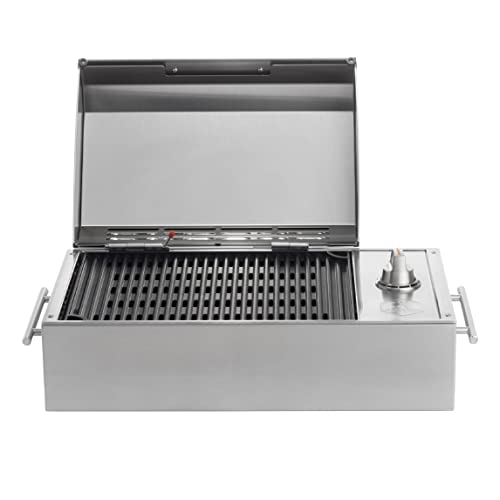
Kenyon City Grill Portable Stainless Steel Electric Grill
Why we picked it: a grill you can actually carry to the campsite, the tailgate or the cabin without borrowing a truck. Stainless, no propane tank to wrestle, and hot enough to cook for four guys rather than reheat for one.
 August's Pick LiberNovo Maxis Electric Big and Tall Ergonomic Office Chair, Graphite 52cm $1,393.00
  July's Pick Powerful Propane Torch Gun, Adjustable Flame Thrower Gun, Kitchen Torch with Detachable Design, Flamethrower Blow Torch for BBQ, Searing Steak, Welding, Camping Charcoal Lighter(Tank Not Included) $42.99
  June's Pick OYASUMI Funny BBQ Man Hot Dog Holders, 4 PCS Reusable Stainless Steel Sausage Stands, Portable Hot Dog Roasters, Barbecue Grill Accessories for Camping & Party Gifts $7.98
 Promoted by FlowAds

The fix: pick a region, commit to it, and accept that Australia is going to require a return trip. The five road trips worth planning in Australia are each strong enough to anchor a full two-week trip without crossing the continent.
Rules That Actually Catch Americans Off Guard
Left-side driving is the obvious adjustment, and most guys adapt within a day or two - the real trouble spots are intersections and roundabouts, not highway straightaways. What tends to surprise people more:
Fuel gaps in the Outback. Remote stretches of the Stuart and Eyre Highways have service stations separated by 200 to 300 kilometers. Treating fuel planning casually is how you end up stranded. Standard practice is to fill the tank completely before leaving any regional town regardless of current levels.
Wildlife timing. Kangaroos and wombats move most actively at dawn and dusk. Most experienced Outback drivers simply don't drive those hours on remote roads - it's not overcautious, it's how things are done.
Speed enforcement. Australia uses speed cameras extensively, and fines are significant. Limits drop sharply entering towns, and the cameras catch it regardless of whether you noticed the sign.
Timing Your Trip Around the Region, Not the Calendar
Australia doesn't have one universal best season - it depends entirely on where you're going.
The tropical north (Cairns, Darwin, the Kimberley) is best May through September, when the dry season keeps humidity and daily downpours manageable. The Outback and Red Centre share the same window - summer interior temperatures regularly hit 45°C, which isn't compatible with outdoor activities or comfortable driving. The southern coasts, including Melbourne, the Great Ocean Road, and Tasmania, stay temperate year-round, with summer actually working well for coastal drives and beach access.
The Food and Drink Scene Worth Detour-Planning
Australian cities punch well above their international food reputation. Sydney's fish markets at Pyrmont are worth an early-morning stop for seafood that hasn't traveled far. Melbourne's restaurant and café scene rivals any comparable city globally - its approach to coffee alone is genuinely notable. Yarra Valley wine country sits an hour east of Melbourne and offers a relaxed alternative to the more commercial wine regions you might be used to.
The whisky angle is newer but worth knowing: Australian whisky has earned serious international recognition, with Tasmanian distilleries collecting awards that once went exclusively to Scotland and Japan. It's a legitimate stop for guys who care about that category.
When a Cruise Makes More Sense Than the Drive
The honest case: if the window is two weeks or less and the goal is to see Sydney, the Queensland coast, and New Zealand in the same trip, an Australia and New Zealand cruise handles the logistics in a way no road trip can. Princess, Celebrity, and Royal Caribbean all run seasonal itineraries through the region, typically departing from Sydney or Auckland. For a first look at the country before committing to the full road trip on a return visit, it's a strong way to build the case.
Australia Is A Destination For Adventure That Deserves To Be Explored
Most places that sit on a bucket list for years turn out to be good - not transformative. Australia tends to be the exception. Book a minimum of two weeks. Pick a region and commit to it fully. Get a vehicle suited to where you're actually going. Australia guys trips produce the kind of stories that come up ten years later because the country rewards the guys who stopped waiting and actually booked it.

Promoted by FlowAds
