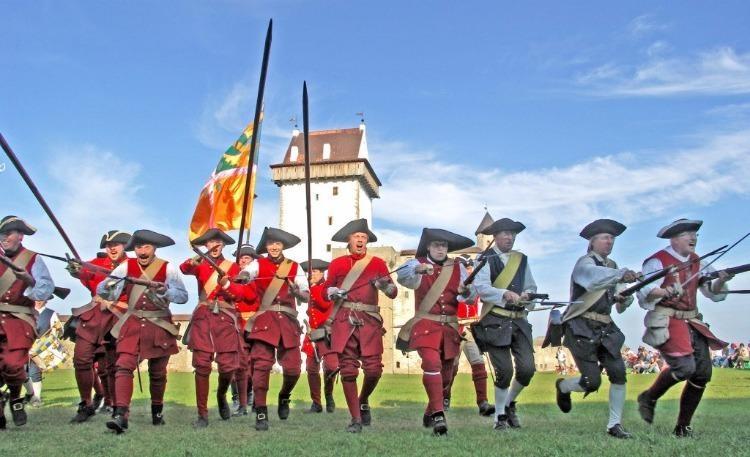
Tallinn's old town is a UNESCO World Heritage site, a pint inside its medieval walls runs about two euros twenty, and three hours south of the capital there is a sauna tradition UNESCO listed separately in 2014. Estonia is the European guys trip almost nobody in your group has taken, and the price is the least interesting reason to go.
What Do You Call Your "Guys Trips"?
Five things that catch visiting groups out, none of them obvious from a flight search.
- Headlights stay on all year - Estonia requires dipped headlights at every hour of the day, in every season, and winter tyres are a legal requirement from 1 December to 1 March.
- Drink driving is effectively zero tolerance - whoever drives to the sauna or the island ferry is not drinking that day, and there is no negotiating it at breakfast.
- Shops stop selling alcohol at ten at night - retail sales run from 10:00 to 22:00 by law, so anything you want back at the house gets bought before dinner.
- Budget for a car - the bogs, the manor houses and the island ferries all sit outside the range of Estonian public transport.
- English gets you through - Estonia is in the EU and on the euro, and English is common enough in Tallinn that nobody has to translate anything.
When we ranked European stag do destinations, Tallinn landed on the shortlist rather than the main list, and the reason was that its stag infrastructure is thinner than Prague's. That is the argument for going. Several European cities have spent the last few years legislating against visiting groups, and Estonia has done none of it.
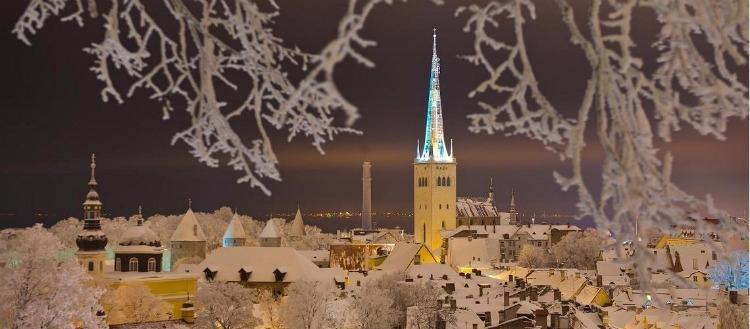
Tallinn's Old Town Has Been UNESCO-Listed Since 1997
Tallinn Old Town went onto the UNESCO World Heritage list in 1997, cited as an exceptionally complete and well-preserved medieval northern European trading city. The Lower Town and Toompea Hill above it survived the fires and wars that flattened most of the Hanseatic ports, so the street plan you walk today is the one merchants used in the fourteenth century.

How to Plan a Vegas Bachelor Party (and not piss off the bride)
Tips and advice on how to plan the perfect Las Vegas Bachelor Party, without pissing off the bride to be.
Hotel Casa Velas All-Inclusive Golf Resort in Puerto Vallarta
Casa Velas is a boutique luxury all-inclusive resort located just minutes from downtown Puerto Vallarta that offers free unlimited golf at three different golf courses.

7 Days Private Guided Tour in Sri Lanka
A 7 day private guided tour of Sri Lanka weaving history, culture and adventure with hidden gems, ideal for curious travelers.

Amazing Vietnam, Cambodia and Thailand 16 Days
A 16-day tour of Vietnam, Cambodia and Thailand covering Hoi An, Halong Bay, Angkor temples and Phuket beaches, ideal for culture and beach lovers.
Sponsored

Everything sits inside the walls, which is what makes it work for a dozen guys. There is no transit to figure out and no cab argument at one in the morning. The Danes, the Swedes, the Germans and the Russians all held this city at some point, and each of them left buildings behind rather than knocking the last owner's down.
The other half of the appeal is arithmetic. Those old-town prices undercut Prague, and Prague is the city most groups reach for first.
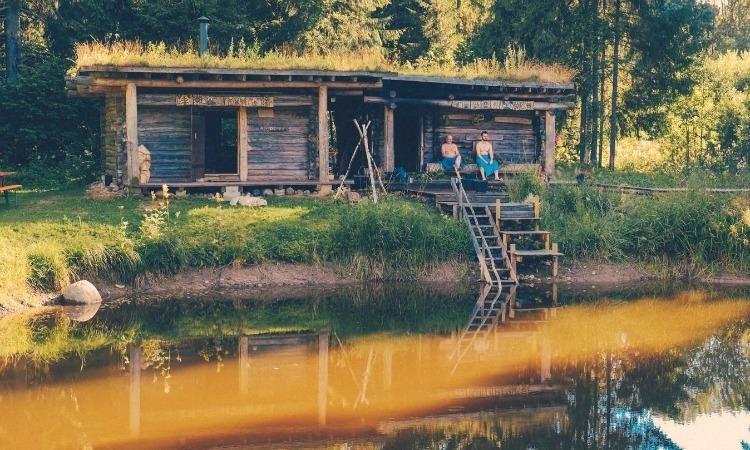
Estonia's Smoke Sauna Tradition Is UNESCO-Listed Too
The smoke sauna tradition of Võromaa in southeastern Estonia went onto the UNESCO Representative List of the Intangible Cultural Heritage of Humanity in 2014, on its own, separately from Tallinn. It is not a spa treatment with a Nordic label on it.
A smoke sauna has no chimney. The fire heats the stones for hours, the smoke fills the room and is then vented, and the walls are left black. At Mooska Farm in Haanja, in Võru County, Eda Veeroja runs sessions that last a minimum of three hours and take eight people, covering the bath whisks, the whisking itself, the sauna words, and meat smoked in the same building. Three hours is the format rather than an upper limit, and sessions have to be booked in advance.
Kiviõli Built A Motocross Course On A Soviet Ash Hill
Between 1922 and 1967, oil shale processing at Kiviõli in northeastern Estonia piled up 6.2 million tonnes of industrial waste into an artificial hill ninety meters high. In 2013 somebody opened an adventure resort on it.
The hill is split down the middle. One half holds Estonia's first world championship motocross course, 1,950 meters long with 26 meters of height difference, and the two-day Kiviõli Motocross Festival is the biggest thing that happens there all summer. The other half runs downhill tracks, a bike park and a 700-meter zip line once the snow is gone.
The summer park operates on a fixed season rather than year-round, so confirm the dates before building an Estonia guys trip around it.
Soomaa's Bogs And The Ferry Out To Saaremaa
Estonia has 2,222 islands in the sea and 2,355 counting the ones in lakes, a number that jumped by several hundred in 2012 when the Land Board resurveyed the coast with aerial photography and laser scanning. Forest covers 51.5 percent of the country, and lynx, brown bear, wolf and wild boar all live in it.
The distinctive way to see that country is bog walking. Guided tours in Soomaa National Park strap you into bog shoes, which spread your weight enough to cross wetland that will not otherwise hold a person.
For the islands, Saaremaa is the one to aim at. It is a two to two and a half hour drive from Tallinn to the ferry port at Virtsu, then a twenty-five minute crossing to Kuivastu on Muhu, which connects to Saaremaa by causeway. TS Laevad runs at least nineteen crossings a day year-round. Book the car on in advance for a weekend.
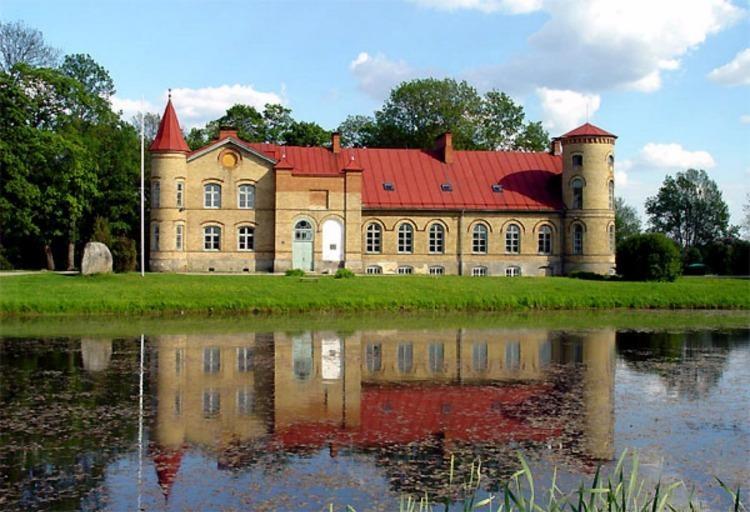
Manor Houses Give The Group Its Own Building
Estonia has more than a thousand historic manor houses, most of them built for Baltic German landowners, and roughly a third of the total survives in some form. About 414 have been restored, and around a hundred of those are in good enough condition to work as homes, schools, museums, restaurants and hotels.
That last category is the useful one. Vihula Manor Country Club and Spa sits inside Lahemaa National Park on a sixteenth-century estate with two main buildings, twenty-five other historic structures and roughly 124 acres around them, plus a spa, a pool and a sauna center. Pädaste Manor out on Muhu island is a five-star property with 24 rooms running from the coach house up to the manor itself.
Accommodation is the one booking that can refuse you, which is the practical case for a manor: you are renting a building on its own grounds rather than a block of hotel rooms with a front desk between you and the noise you are making.

Põhjala Made Tallinn A Craft Beer City
Four Estonian friends started Põhjala in Tallinn at the end of 2011, brewed on other people's kit for a couple of years, built their own brewhouse in the Nõmme district in 2014, and moved into Port Noblessner at the end of 2018. It is now the largest craft brewery in the Baltic states.
The Noblessner tap room runs 24 taps alongside a Texas barbecue kitchen, in a nineteenth-century stone building inside a former submarine shipyard on the Tallinn waterfront. The beers to order are the Forest Series, brewed with wild ingredients foraged out of the Estonian woods.
Põhja Konn opened in 2022 as a bar carrying Estonian craft beer specifically, which is the second stop if you want to see past one brewery. If the trip is being planned around drinking rather than around Estonia, our roundup of European cities for bars and pubs covers the other options.
Fly Into Helsinki, Then Take the Ferry to Tallinn
Estonia is often described as sitting across the Baltic from Sweden, which is geographically accurate but not especially useful when you are planning the trip. The city that matters is Helsinki, about eighty kilometers north of Tallinn across the Gulf of Finland.
Tallink Silja, Viking Line and Eckerö Line run roughly eighty-eight sailings a week between them. Tallink and Viking make the crossing in about two hours, while Eckerö takes around three and a half. Passenger fares start in the high teens of euros and rise depending on the season and sailing time. Tallink Silja runs up to seven crossings a day, Eckerö up to six, and Viking twice on weekdays with additional weekend sailings.
For a group coming from the US, Helsinki-Vantaa also gives you far more flight options than flying directly into Tallinn. With a crossing this short, the ferry can feel like the beginning of the trip rather than another connection you have to endure. Estonia's national tourism board keeps the operator listings current.
Book the Smoke Sauna First
The Mooska smoke sauna is the part of this trip that determines the schedule. There are eight seats, sessions run a minimum of three hours, advance booking is required, and getting there means driving about three hours south from Tallinn.
Most of the other stops can accommodate whatever number of guys ends up coming. The sauna cannot, so settle on that date first. Once you know which weekend works and who has one of those eight seats, the rest of the itinerary can fall into place around it.
And if nobody can agree on a summer date, Kiviõli gives you another option. The same ash mountain has a winter side, with a ski slope, snowboard park and snowtubing course once the season turns. That means one of the more unusual stops on this itinerary can work in February as well as July, while Tallinn's old town does not depend on a particular season.
Tallinn by itself is enough to put Estonia on our roundup of European destinations worth saving for. The bogs, manors, islands and smoke sauna are what make it feel like a full week in Estonia rather than a city break.
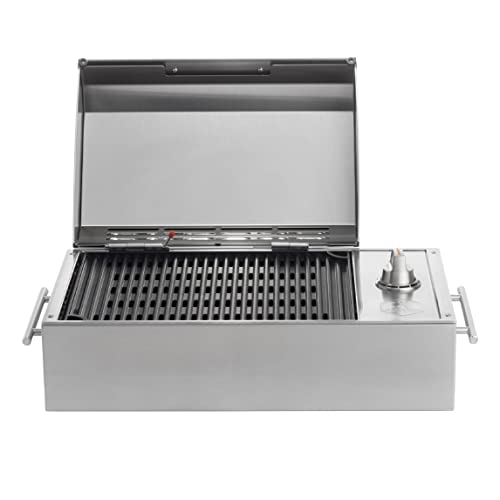
Kenyon City Grill Portable Stainless Steel Electric Grill
Why we picked it: a grill you can actually carry to the campsite, the tailgate or the cabin without borrowing a truck. Stainless, no propane tank to wrestle, and hot enough to cook for four guys rather than reheat for one.



Sponsored
