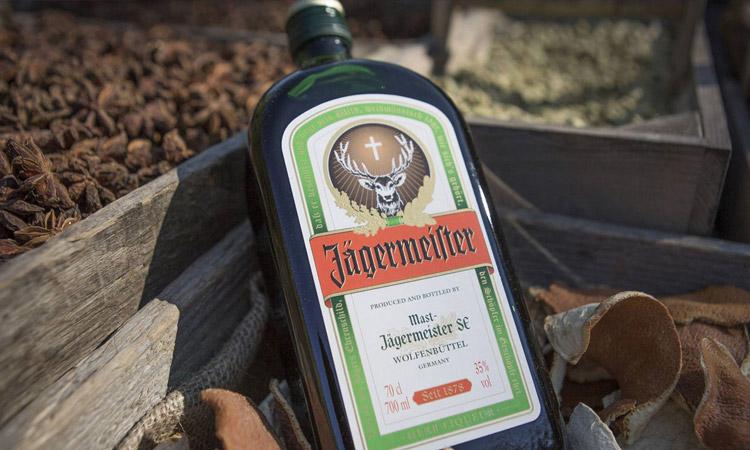
How much you know about Jägermeister's history and origins? Let's find out more about this unique spirit ...
Who Started Jägermeister?
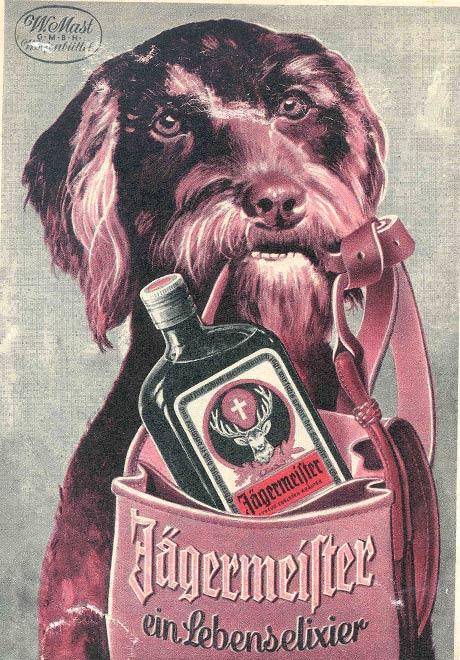
There are two answers to this - Wilhelm Mast founded Jägermeister in 1878 as a wine wholesaler and vinegar factory, but Wilhelm's son - Curt Mast developed the recipe for the Jägermeister we enjoy today as an herbal liqueur in 1934 and introduced it to the world in 1935.
Jagermeister Started In a Vinegar Factory!
Yes, that's right - it began in a vinegar factory, but outgrew that home in 1958 and has just recently moved into an ultra-modern corporate office. However, it's all still made in Wolfenbuttel Germany.
What does the name Jägermeister mean?
The name itself is a literal translation for the German word "Master Hunter" and is also the title for the political official in Germany that oversee hunting matters.

Planning An Alaskan Cruise Mancation? Here's What You Need to Know
An Alaska Cruise is a fantastic mancation idea, here are some tips to make it an amazing experience.
I Went Walleye Fishing for the First Time on Lake Erie - Here's What I Learned
A first-timer's guide to catching walleye on Lake Erie out of Port Clinton - book the right charter, fish the chop, and plan around the mayfly hatch.

Cruise Plus - Cellular At Sea
Seamless mobile data service for your entire cruise at sea, in port, and at destinations all for one low price.

Highlights Of Thailand In 10 Days
A 10-day Thailand tour covering Bangkok temples, a floating market, an elephant sanctuary and Phuket beach, ideal for culture and beach lovers.
Promoted by FlowAds

Where did Jägermeister get its iconic logo from?
The famous logo depicting a cross between the antlers of a stag is a reference to the patron saints of hunters, Saint Hubertus, who had a vision in which they saw a glowing cross between the antlers of a stag while out hunting and turned to a life of good.
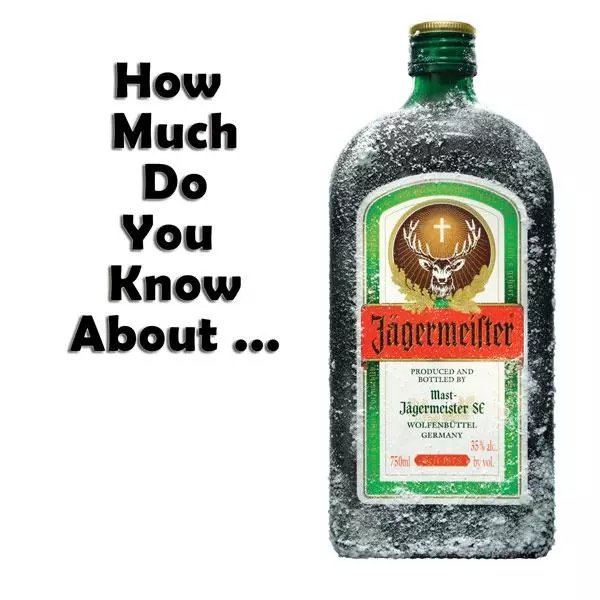
What Proof is Jägermeister?
Standard proof of Jägermeister is 70 proof or 35% alcohol, slightly less than a typical vodka or scotch. This makes Jäger shots a bit easier to enjoy as a shot compared to other spirits.
Man Gear Pick of the Month
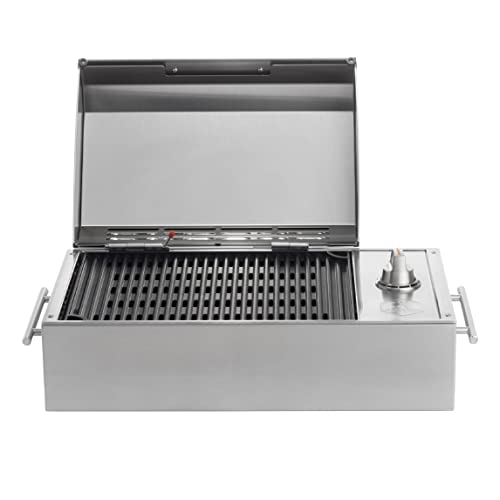
Kenyon City Grill Portable Stainless Steel Electric Grill
Why we picked it: a grill you can actually carry to the campsite, the tailgate or the cabin without borrowing a truck. Stainless, no propane tank to wrestle, and hot enough to cook for four guys rather than reheat for one.
 August's Pick LiberNovo Maxis Electric Big and Tall Ergonomic Office Chair, Graphite 52cm $1,466.00
  July's Pick Powerful Propane Torch Gun, Adjustable Flame Thrower Gun, Kitchen Torch with Detachable Design, Flamethrower Blow Torch for BBQ, Searing Steak, Welding, Camping Charcoal Lighter(Tank Not Included) $41.99
  June's Pick OYASUMI Funny BBQ Man Hot Dog Holders, 4 PCS Reusable Stainless Steel Sausage Stands, Portable Hot Dog Roasters, Barbecue Grill Accessories for Camping & Party Gifts $14.98
 Promoted by FlowAds

Where is the Jägermeister Distillery Located?
Jägermeister's distillery is located in Wolfenbuttel Germany, about 200 km west of Berlin. A Guided Jägermeister distillery tour of the city plus factory are available. Tour lasts 4.5 hours and includes 1.5 hours in town, lunch, and then 1.5 hour Jägermeister factory tour. Tickets are 19.50 Euro for groups of 10-30 people.
Individual tours are available on the first of each month starting at 10:30 at the tourist information center in the Wolfenbuttel town market.
True or False - Jägermeister contains elk blood?
False - there is no evidence that it contains deer or elk blood, but it is still a great way to celebrate accomplishments and a lot less messy than drinking the blood of a deer to celebrate a victory over nature. Jagermeister's mysterious and unique taste does come from the proprietary blend of 56 carefully selected herbs, blossoms, roots, and fruits. That's pretty special in its self!
Besides, drinking blood is pretty gross, so we don't recommend that.
What are the ingredients of Jägermeister?
Hah - they aren't going to reveal that, but a good source tells us that ever since Jägermeister was invented almost 80 years ago, it has been based on a secret recipe. 56 different herbs, blossoms, roots and fruits from across the world are used in the production, among them star anise, cinnamon and ginger roots as well as a set of secret herbs.
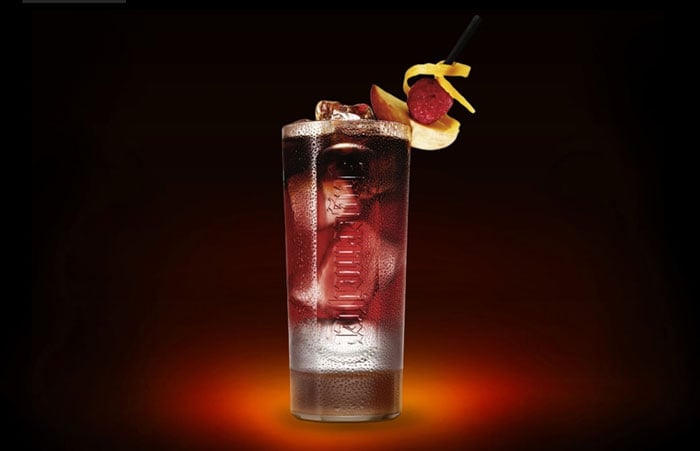
You Can Enjoy Jägermeister as More than Just a "Shot" or "Bomb"
People around the world enjoy Jägermeister in a variety of ways from sipping it after dinner to using it recipes. However, we think it's best as part of a Jägermeister cocktail!
How long is Jägermeister aged?
Jägermeister is aged for one year in oak casks before it is blended a second time with alcohol, sugar, caramel, and water to create the spirit we know and love.
What year was Jägermeister first introduced?
Jägermeister was launched in 1935 and the bottle and recipe has stayed essentially the same since then.
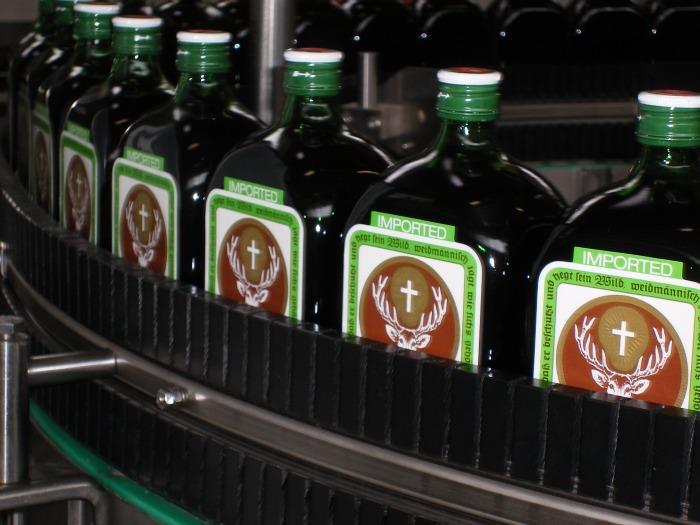
Jägermeister One of the World's Best Selling Liquor Brand
Despite having only one location and around 500 employees, the spirit has worldwide recognition. It is currently sold in more than 80 countries, with most of the 80 million bottles being sold outside of Germany.
What does the Poem on the Jägermeister label mean?
The poem on the Jäger label translates to:
It is the Hunter's honor that he
Protects and preserves his game,
Hunts sportsmanlike, honors the
Creator in his creatures.
Jägermeister is a Digestif
While most Americans know Jager as a shot or a cocktail from the clubs, bars, and frat parties, in Germany it is referred to as "leberkleister" or Liver Glue. This is because sipped after dinner or heavy meals, it can help improve digestion.
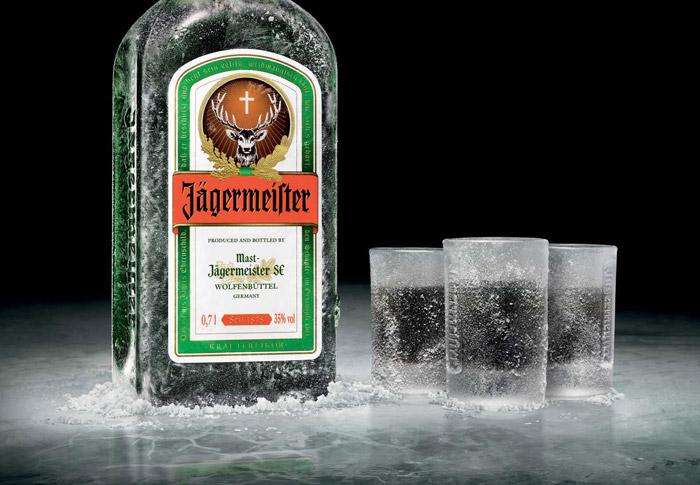
The Jägermeister Bottle Doesn't Just Look Strong - It Was Designed that Way
Curt Mast, Wilhelm's son and creator of the current Jägermeister recipe tested several designs for the bottle by dropping them on his kitchen floor. The design that proved to be the most resilient is what we know today as the Jägermeister bottle.
Bees and Other Insects Love Jägermeister too!
Germans are known to use Jägermeister in their insect traps, especially for catching wasps and flies since they seem to be attracted to the spirit.

Promoted by FlowAds
