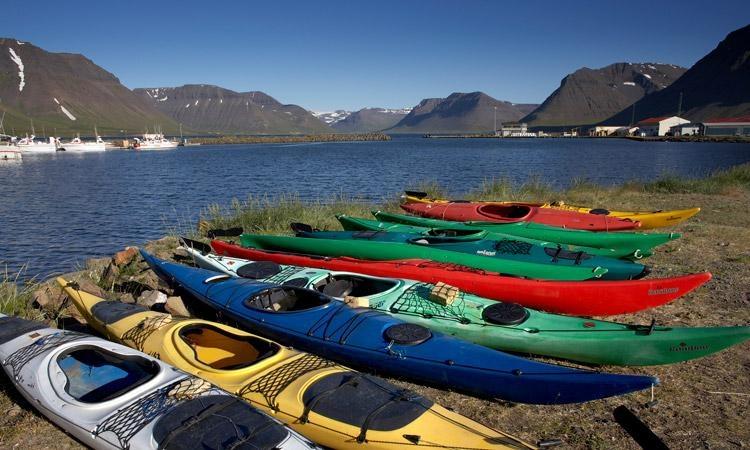
Iceland has transformed from a remote North Atlantic outpost into one of the most accessible adventure destinations on Earth - whether you're stopping on a cruise to Iceland, planning an Iceland bachelor party, or organizing a full week with the guys. Affordable transatlantic flights and cruise itineraries now put 24-hour summer golf, spring-fed fly fishing, and volcanic distilleries within easy reach. The Golden Circle road trip serves as most visitors' introduction, but spending a week driving the 828-mile Ring Road reveals why roughly 12% of Iceland's 384,000 residents play golf and why the country boasts more courses per capita than anywhere else on the planet.
What Do You Call Your "Guys Trips"?
- Affordable flights and cruise itineraries make this once-prohibitively-expensive destination accessible for any group
- 65 golf courses offer midnight tee times under perpetual summer daylight - something you genuinely cannot experience anywhere else
- Three craft distilleries produce spirits using ingredients found nowhere else on Earth, from volcanic-soil barley to Icelandic birch
- Whale watching tours boast 97% success rates in spotting humpbacks, minkes, and even the occasional blue whale
- The food and museum scene ranges from world-class to wonderfully weird, giving your crew stories to tell for years
Whether you're planning an extended layover en route to Europe or a full week with the guys, Iceland rewards those who venture beyond the tourist buses. The best time for road trips runs from May through September when roads stay clear and daylight stretches long enough to squeeze in an extra round of golf at 11 PM. Winter visitors trade the midnight sun for Northern Lights and the surreal experience of soaking in geothermal pools while green curtains dance overhead.
Golf Under the Midnight Sun
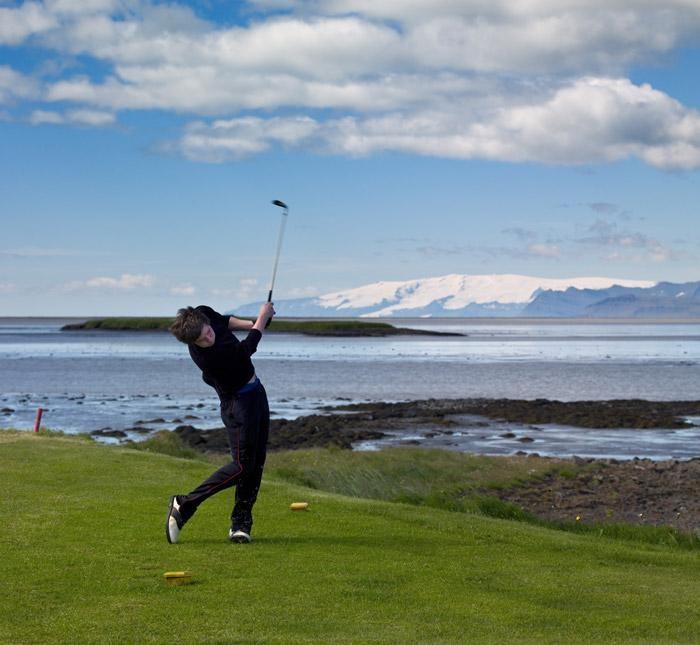
Iceland may not be the first country you think about when planning a European golf trip, but it absolutely should be on your radar. With over 65 courses scattered across the island - roughly one course for every 5,000 residents - the country takes its golf seriously. The real draw happens between early June and mid-July when 24 hours of daylight means you can legitimately tee off at midnight with full visibility.
Iceland's Northern Lights: Strategic Planning Tips To Unlock An Epic Arctic Guys Trip
Iceland northern lights: Master 6 planning challenges for premium Arctic adventures. Experience reliable aurora viewing and luxury thermal spas. Perfect for sophisticated travelers seeking authentic winter escapes.

Katla Ice Cave & South Coast Small-Group Day Tour from Reykjavik
Small-group day tour from Reykjavik to the Katla Ice Cave and South Coast waterfalls, ideal for travelers seeking an easy glacier adventure.

3-Day Private Iceland Tour – South Coast & Glacier Lagoon
A private 3-day Iceland tour of the South Coast and Glacier Lagoon, tailored to you and ideal for couples and small groups.
Promoted by FlowAds

Brautarholt Golf Course, just 30 minutes from Reykjavik, ranks among the top 100 courses in the world according to Golfscape and offers seaside cliff views that make your home course look pedestrian. The annual Arctic Open at Akureyri Golf Club draws golfers from around the world each June for a tournament played under perpetual daylight - finish your round, soak in the Akureyri Thermal Pool at 6 AM, and grab breakfast before doing it all again. According to Golf Digest, Iceland's combination of dramatic volcanic landscapes, challenging weather, and the novelty of midnight rounds creates an experience unlike anywhere else.
The Westman Islands Golf Course sits between an extinct volcano and the Atlantic Ocean, with puffins often spotted along the cliffs during your round. Getting there requires a 40-minute ferry ride, but the course dates back to 1938 and includes some of the oldest golf holes in Iceland. If you're organizing an Iceland guys trip focused on golf, plan for June when temperatures hover in the mid-50s and the midnight sun phenomenon peaks.
Man Gear Pick of the Month
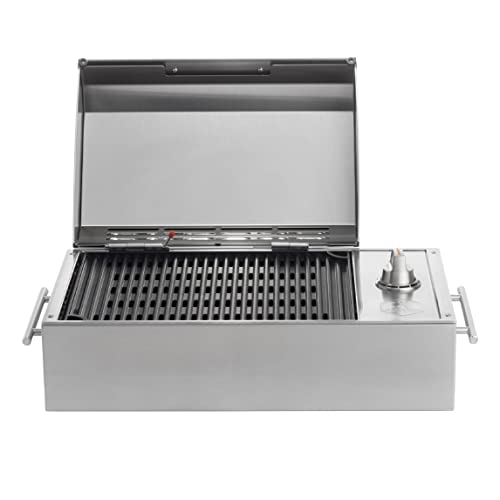
Kenyon City Grill Portable Stainless Steel Electric Grill
Why we picked it: a grill you can actually carry to the campsite, the tailgate or the cabin without borrowing a truck. Stainless, no propane tank to wrestle, and hot enough to cook for four guys rather than reheat for one.
 August's Pick LiberNovo Maxis Electric Big and Tall Ergonomic Office Chair, Graphite 52cm $1,393.00
  July's Pick Powerful Propane Torch Gun, Adjustable Flame Thrower Gun, Kitchen Torch with Detachable Design, Flamethrower Blow Torch for BBQ, Searing Steak, Welding, Camping Charcoal Lighter(Tank Not Included) $42.99
  June's Pick OYASUMI Funny BBQ Man Hot Dog Holders, 4 PCS Reusable Stainless Steel Sausage Stands, Portable Hot Dog Roasters, Barbecue Grill Accessories for Camping & Party Gifts $7.98
 Promoted by FlowAds

Fishing Rivers and Epic Coastlines
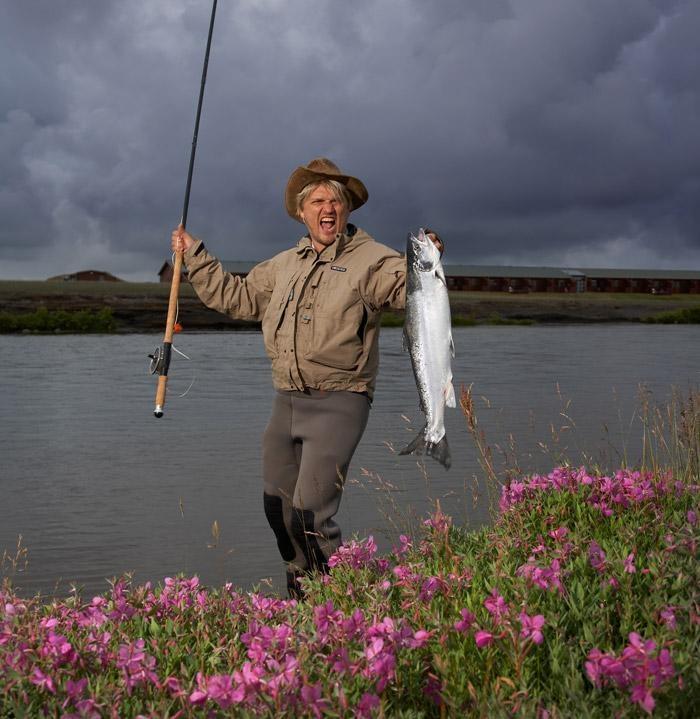
As an island surrounded by some of the North Atlantic's most productive waters, Iceland delivers serious fishing for anyone willing to venture beyond the resort pool. Saltwater charters target cod and haddock off the coast, while the interior rivers and spring-fed creeks offer fly fishing for brown trout, sea trout, Arctic char, and Atlantic salmon.
Rivers are privately owned and access requires advance booking - sometimes a year or more ahead for the most productive beats. The upside is that limited pressure keeps fish populations healthy and average sizes impressive. Salmon season runs from June through September, with July and August typically producing the best action. For a more casual approach, several operators near Reykjavik offer half-day trout fishing that works well for groups splitting time between multiple activities.
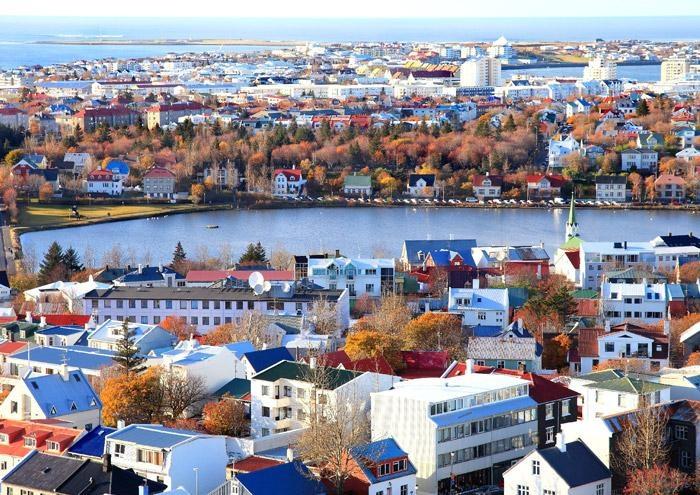
Reykjavik After Hours: Distilleries, Pubs, and Wonderfully Weird Museums
While Iceland's natural wonders rightfully draw most visitors, Reykjavik's cultural scene deserves dedicated attention - especially for bachelor parties or guys nights looking for something beyond the standard bar crawl.
Three distilleries showcase ingredients you won't find anywhere else. 64° Reykjavik Distillery features local berries including blueberries, crowberry, and rhubarb. Eimverk Distillery produces Floki malt whiskey from barley grown in volcanic soil found only on the island. Foss Distillery creates spirits from Icelandic birch. The pub scene comes alive on weekends - start early, pace yourself through Manhattan-level prices, and you'll find Icelanders genuinely friendly once conversations get rolling.
For museums, Iceland has approximately one for every 1,000 residents, and many lean wonderfully weird. The Icelandic Phallological Museum houses over 300 specimens from every land and sea mammal found in Iceland, including a sperm whale's six-foot member and casts from the Icelandic National Handball Team. The Icelandic Punk Museum occupies a renovated public bathroom - appropriately anti-establishment for a movement that birthed Björk. In the Westfjords, the Museum of Sorcery and Witchcraft features the infamous necropants made from a dead man's leg skin.
No visit is complete without sampling hákarl - fermented shark that Anthony Bourdain called "the single worst, most disgusting and terrible tasting thing" he ever ate. The ammonia smell hits harder than the taste. Hold your nose, chase it with Brennivín (the caraway schnapps known as "Black Death"), and earn your bragging rights. The Bjarnarhöfn Shark Museum on the Snæfellsnes Peninsula produces most of Iceland's supply and offers tastings.
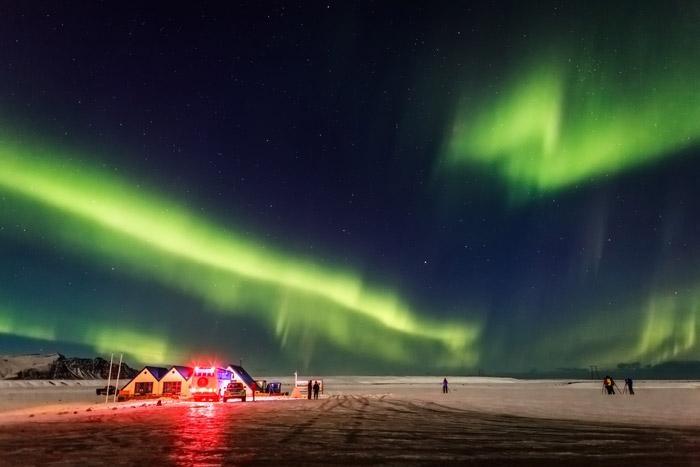
Northern Lights Viewing
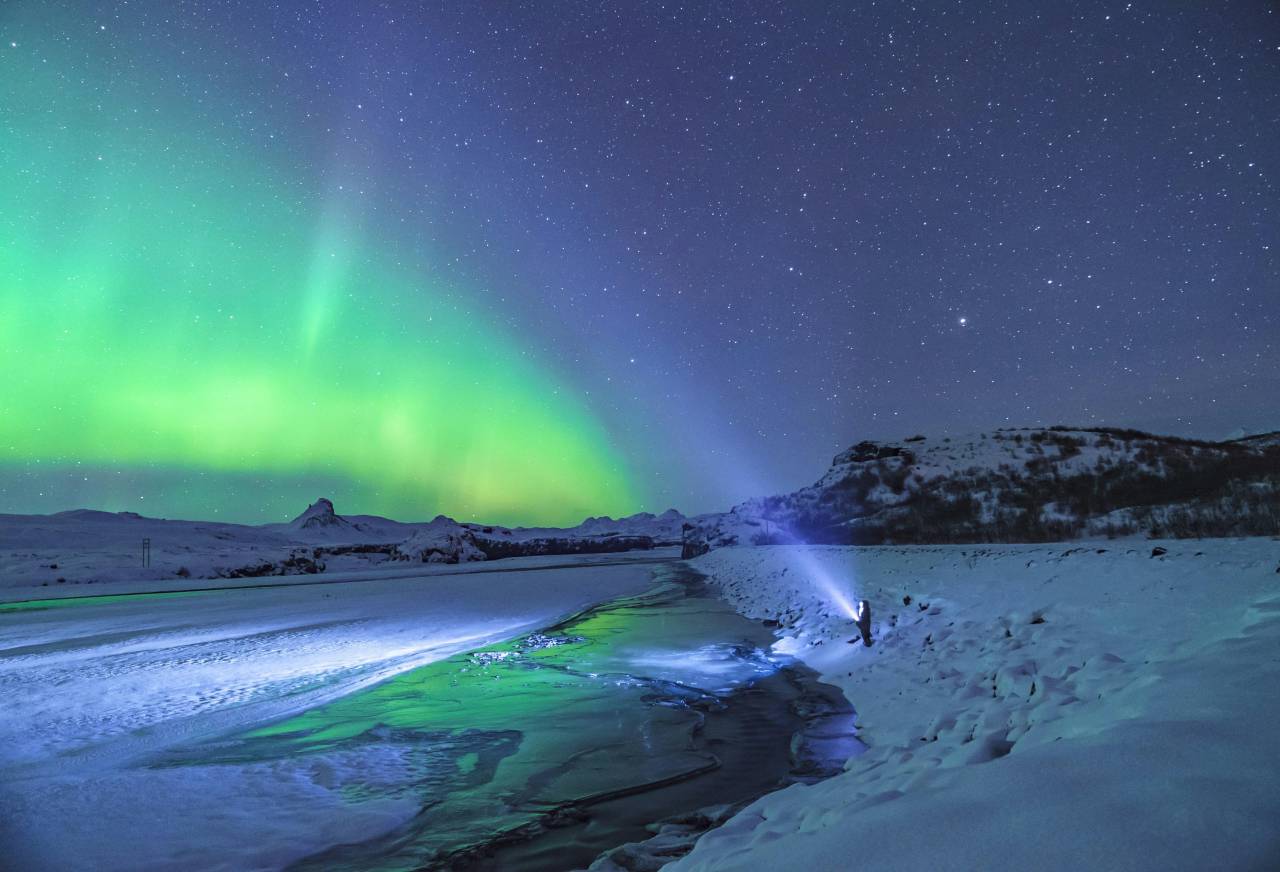
The Northern Lights season runs from September through mid-April when nights grow dark enough to see the aurora clearly - summer visitors trade this for midnight sun. Getting away from Reykjavik's light pollution dramatically improves the experience; tour operators offer evening excursions or you can rent a car and chase clear skies independently. The GeoSea Geothermal Baths in Husavik offer infinity pool views over Skjálfandi Bay where you might spot whales by day and auroras at night - one of those bucket-list combinations worth planning around.
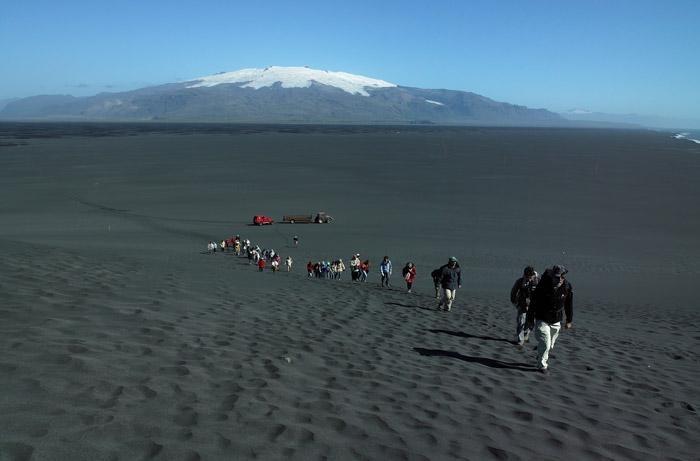
Hiking, Biking, and Horseback Riding
You need to get out of the car at some point. Guided mountain biking tours tackle lava fields and black sand beaches, while hiking options range from casual waterfall walks to multi-day highland treks. Winter opens up snowmobile access to glaciers off-limits during warmer months.
The Icelandic horse - genetically isolated since Vikings brought their ancestors over 1,000 years ago - offers a unique way to cover ground. These compact, sure-footed animals perform a smooth gait called the tölt that's comfortable even for inexperienced riders. The real spectacle happens each fall during the annual réttir (roundup) when farmers gather free-roaming horses from the highlands - equal parts rodeo and giant party with plenty of eating and drinking.
For hikers, Thingvellir National Park on the Golden Circle lets you walk where North American and Eurasian tectonic plates visibly diverge - literally standing with one foot on each continent.
Geysers, Hot Springs, and Thermal Features
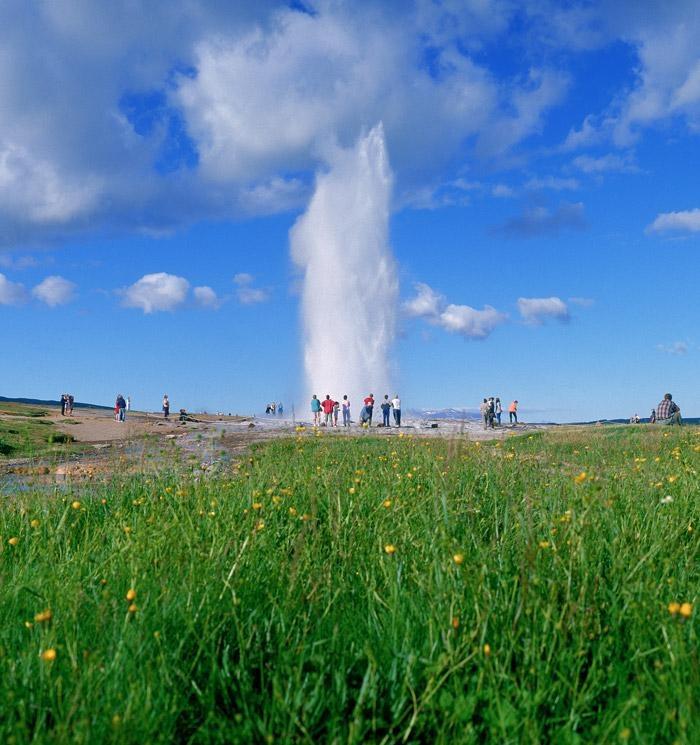
Iceland's geothermal activity provides the island's most distinctive natural attractions. The Geysir geothermal area on the Golden Circle showcases Strokkur, a geyser that erupts every 4-8 minutes, sending scalding water 60-80 feet into the air. A dome of water forms on the surface just before each eruption - watching it build and release never quite gets old.
The Secret Lagoon at Flúðir offers a more authentic alternative to the heavily touristed Blue Lagoon, with natural surroundings and smaller crowds. Throughout the country, geothermal pools range from developed facilities to completely wild hot springs that reward some detective work. Visit Iceland maintains resources for planning visits to both well-known and off-the-beaten-path thermal attractions.
Whale Watching Worth the Detour
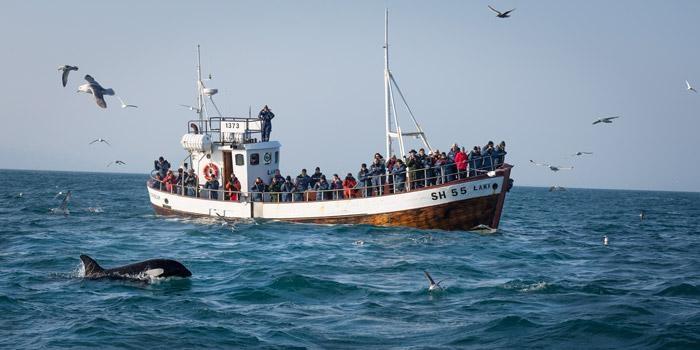
Whale watching in Iceland offers something different from the cruise excursion you might remember from Cabo or Alaska: a front-row seat to genuine conservation tension. Iceland remains one of only three countries still practicing commercial whaling, and whale watching boats in Reykjavik literally share dock space with whaling vessels. The irony isn't lost on anyone.
What makes the detour worthwhile is the species diversity and encounter quality. Húsavík, the whale watching capital of Europe, offers 97% success rates for spotting humpbacks, minkes, white-beaked dolphins, and occasionally orcas or blue whales in Skjálfandi Bay. Over 20 whale species feed where cold Arctic currents meet warmer Gulf Stream waters - one guide described it as "an open-all-hours snack bar for whales." Tours run year-round from Reykjavik, with summer offering calmer seas and winter bringing orca sightings to the Snæfellsnes Peninsula.
Most operators explicitly ask visitors to skip the whale restaurants, arguing every whale killed is one fewer to see. A 2024 poll found 51% of Icelanders now oppose whaling. It's a more thoughtful experience than typical wildlife excursions.
Planning Your Iceland Road Trip
Iceland is a great destination for guys that love road trips. The Golden Circle covers approximately 140 miles as a day trip from Reykjavik, hitting Thingvellir National Park, the Geysir geothermal area, and Gullfoss waterfall. The full Ring Road (Route 1) circles the entire island over 828 miles - minimum 5-7 days without rushing, though 10-14 days allows meaningful exploration. For road conditions and planning, Visit Reykjavik covers the capital while North Iceland handles the Akureyri and Húsavík region.
Your Iceland Adventure Awaits
Iceland delivers adventure at a scale and accessibility that few destinations match - whether you're planning an Iceland bachelor party, organizing a guys trip with old college buddies, planning a cruise around Iceland, or taking your dad on a trip he'll never forget. The combination of affordable access and concentrated attractions means you can pack bucket-list experiences into a long weekend or spread them across two weeks on the Ring Road. Book your midnight golf tee time for June, plan whale watching for calm summer mornings, and save room for at least one museum weird enough to require explanation when you get home.

Promoted by FlowAds
