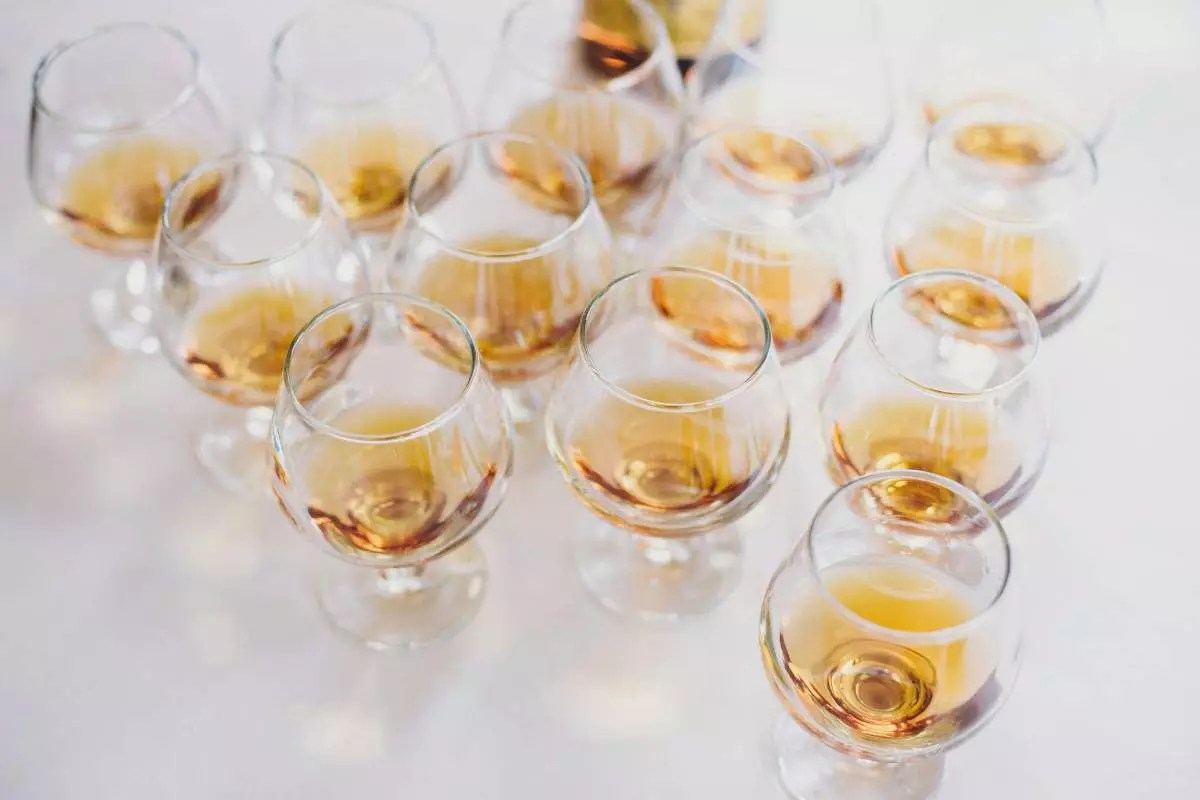
Australian whisky has earned its place in serious whisky conversations - not as a novelty from a surprising source, but on competition merit against the established regions that have had a century-long head start.
What Do You Call Your "Guys Trips"?
- Australia has over 70 active whisky-producing distilleries, with Tasmania leading the country's production and the most internationally recognized names.
- The Australian climate accelerates aging at a significantly higher rate than Scotland - evaporation runs up to 8% annually versus Scotland's 2%, concentrating flavor and reducing the time needed to produce complex whisky.
- Australian distillers pioneered wine cask maturation using barrels from the Barossa Valley and Yarra Valley, creating fruit-forward profiles that have no direct equivalent in traditional whisky regions.
- Price ranges from accessible bottles like Starward Two-Fold around $65 to premium Sullivans Cove single casks at $250 and above - the value story at the entry level is strong.
- Multiple Australian distilleries have won "World's Best" categories at international competitions since 2014, when Sullivans Cove became the first non-Scottish, non-Japanese distillery to take the top single malt award.
Why Australian Whisky Deserves Serious Attention
The short version: Australia has been producing internationally competitive whisky since Bill Lark broke through Australia's 1901 Distillation Act in 1992, which had effectively banned small-batch distilling for nearly a century. The industry that followed built from zero into a category that now consistently challenges Scotland and Japan at the events those countries have historically owned.
In 2014, Sullivans Cove French Oak single cask won the World's Best Single Malt at the World Whiskies Awards - the first time a distillery outside Scotland or Japan had taken that category. It was a genuine disruption, not a one-off result. Australian distilleries have maintained a presence in international competition results since, with Starward named Most Awarded International Distillery at the 2024 San Francisco World Spirits Competition for the second consecutive year.
For guys planning an Australian guys trip, the whisky scene is a legitimate travel angle rather than an afterthought - Tasmania in particular is worth building time around if the itinerary goes there.
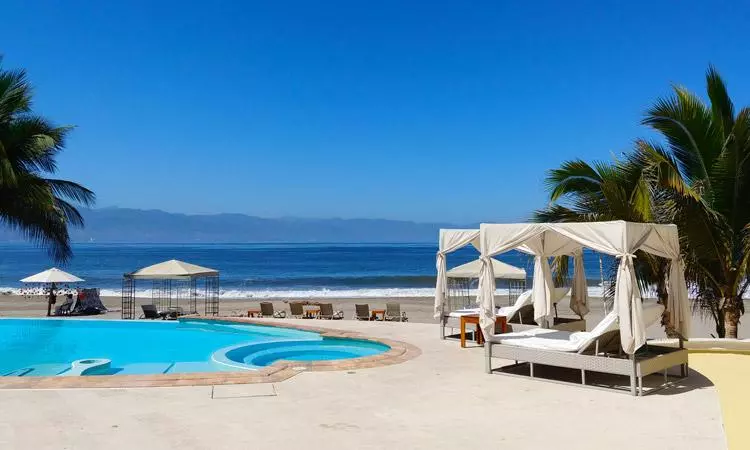
Hotel Casa Velas All-Inclusive Golf Resort in Puerto Vallarta
Casa Velas is a boutique luxury all-inclusive resort located just minutes from downtown Puerto Vallarta that offers free unlimited golf at three different golf courses.
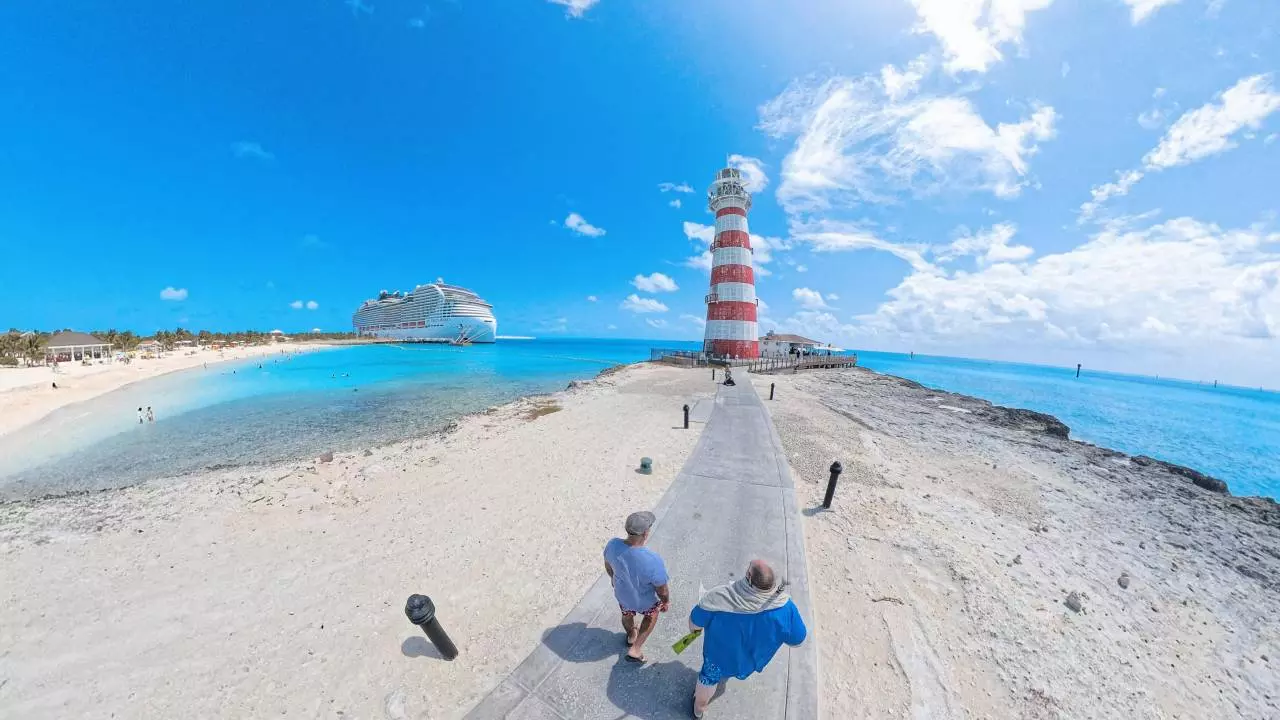
Guy's Trip on MSC World America: European Luxury Meets Caribbean Adventure
Men who appreciate a perfect balance of adrenaline-pumping activities, premium dining experiences, and sophisticated nightlife options will find MSC World America to be the ultimate floating playground for their next guy's getaway.

Sri Lanka private tour package 9 night 10 Day with driver+vehicle+accommodations
This is a 10 day Sri Lanka classic tour where the guests will be going to the must see sights in Sri Lanka during their visit. This tour covers a lot of cities and areas and Sri Lanka and I am certain the guests will enjoy it as well.
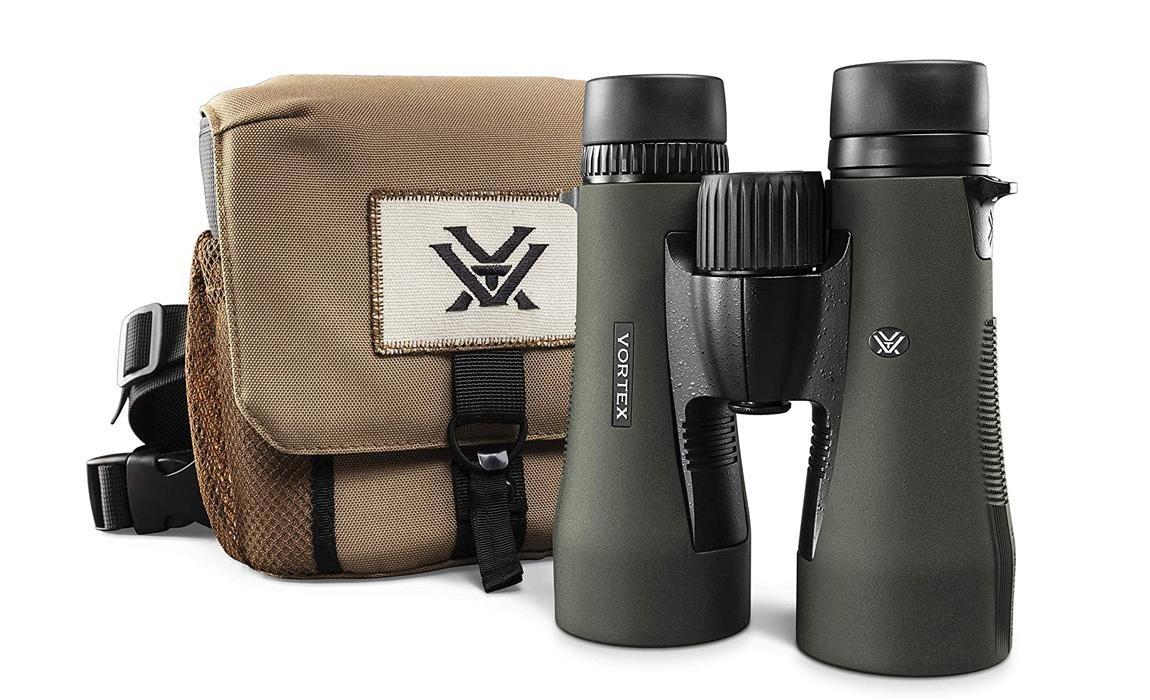
Witness Alaska's Wonders: Top 5 Travel Binoculars for Your Cruise
The five best travel binoculars for Alaska Cruise offer majestic views of wildlife, such as whales and polar bears, and the site scenery.
Promoted by FlowAds

What Makes Australian Whisky Different
Three factors separate Australian whisky from its established counterparts, and all three work in the same direction: toward concentrated, fruit-forward flavor profiles that are distinct from both Scotch and American whisky.
Climate-driven aging. The angel's share - the portion lost to evaporation annually - runs roughly 8% in Australia versus Scotland's 2%. That accelerated evaporation concentrates flavor faster, which is why quality Australian whisky can achieve genuine complexity in 5 to 8 years that might take 12 to 15 in a Scottish highland warehouse.
Wine cask innovation. Australian distillers were early adopters of ex-wine barrels from the country's established wine regions - Barossa Shiraz casks, Muscat barrels, Apera (Australian sherry). Starward built its entire identity around this approach, maturing whisky exclusively in Australian wine barrels at their Port Melbourne facility. The result is a fruit-forward richness that contrasts directly with traditional bourbon or sherry cask maturation.
Man Gear Pick of the Month
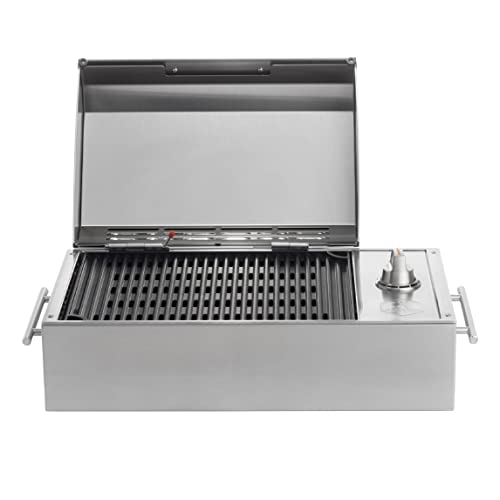
Kenyon City Grill Portable Stainless Steel Electric Grill
Why we picked it: a grill you can actually carry to the campsite, the tailgate or the cabin without borrowing a truck. Stainless, no propane tank to wrestle, and hot enough to cook for four guys rather than reheat for one.
 August's Pick LiberNovo Maxis Electric Big and Tall Ergonomic Office Chair, Graphite 52cm $1,393.00
  July's Pick Powerful Propane Torch Gun, Adjustable Flame Thrower Gun, Kitchen Torch with Detachable Design, Flamethrower Blow Torch for BBQ, Searing Steak, Welding, Camping Charcoal Lighter(Tank Not Included) $42.99
  June's Pick OYASUMI Funny BBQ Man Hot Dog Holders, 4 PCS Reusable Stainless Steel Sausage Stands, Portable Hot Dog Roasters, Barbecue Grill Accessories for Camping & Party Gifts $7.98
 Promoted by FlowAds

Grain diversity. Many Australian producers use brewing barley rather than distilling barley, which carries more distinct flavor into the spirit. Combined with local water sources and varied grain bills across producers, there's meaningful variation within the category rather than a single Australian style.
The Distilleries Worth Knowing
Tasmania produces roughly 25% of Australia's whisky output and dominates the international conversation. The island's cool, wet climate - similar enough to Scotland that comparisons aren't unreasonable - and quality water sources create conditions well-suited to extended maturation.
Sullivans Cove is Tasmania's most decorated producer and the one that put Australian whisky on the global map. Single cask releases are the house specialty, with prices that reflect the reputation - expect $250 and up for current releases, with rare expressions considerably higher.
Lark Distillery is the house that started everything. Bill Lark's original distillery in Hobart now operates as both a producing facility and a whisky bar where a significant portion of the output is consumed on-site. The whisky tourism infrastructure in Tasmania is built in significant part around Lark's presence.
Starward operates out of Port Melbourne and is the most accessible entry point for guys new to Australian whisky - Two-Fold at around $65 drinks well above its price point, and the wine cask approach makes it genuinely different from any American or Scottish whisky sitting next to it on a shelf.
Archie Rose in Sydney's Rosebery neighborhood won World's Best Rye Whisky in 2020 and produces an unusually broad range for a relatively young distillery.
Bakery Hill in Melbourne's outer suburbs has been collecting awards since 2005 and remains one of the more consistent producers of peated Australian malt - a less common style that Scotch drinkers find familiar.
Fleurieu Distillery in South Australia has been consistently recognized since releasing its first single malt in 2016 and is worth knowing for guys spending time in the Adelaide region.
Choosing a Bottle Without Overcomplicating It
The Australian Whisky Club maintains a current catalog of available expressions if the range becomes overwhelming, but the starting logic is straightforward:
If you drink bourbon: The fruit-forward, wine cask expressions like Starward Nova ($96) will translate well. Less smoke, more fresh fruit and vanilla.
If you drink Highland Scotch: Tasmanian single malts, particularly from Sullivans Cove and Lark, offer the malt character and complexity in a profile that feels familiar without being derivative.
If you want something genuinely different: Archie Rose's rye whisky or Fleurieu's fruit-forward South Australian expressions will cover ground nothing else in your collection covers.
The entry-level range - Starward Two-Fold around $65, Starward Nova at $96 - is where most guys should start. Premium expressions are worth the investment once you know which style works, not before.
Where to Experience It In Country
Tasting at the source is the obvious play if the itinerary includes Tasmania or Melbourne. Lark's whisky bar in Hobart operates as both a distillery experience and a place to work through expressions before committing to a bottle. Archie Rose's Rosebery location in Sydney has a bar and tours. Starward does tours at the Port Melbourne facility.
Tasmania also comes into the picture for groups doing an Australia and New Zealand cruise - some itineraries include Hobart as a port call, making a distillery visit the kind of shore excursion that makes genuine sense for the destination. Princess Cruises and other lines run Australia routes with Hobart access worth checking if whisky tourism is part of the trip planning.
The Honest Verdict
Australian whisky is past the point of being interesting because it's from an unexpected source. The competition results and the quality of what's in the bottles have settled that question. What it offers now is a legitimate addition to the whisky conversation for guys who've worked through the standard Scottish and American categories and want something with a different character - fruit-forward, wine-influenced, and built on a climate that does things to spirit maturation that no other region replicates.
Worth bringing a bottle home. Worth building a Tasmania stop around if the itinerary supports it. Worth the conversation it starts when someone picks up the bottle and reads where it's from.

Promoted by FlowAds
