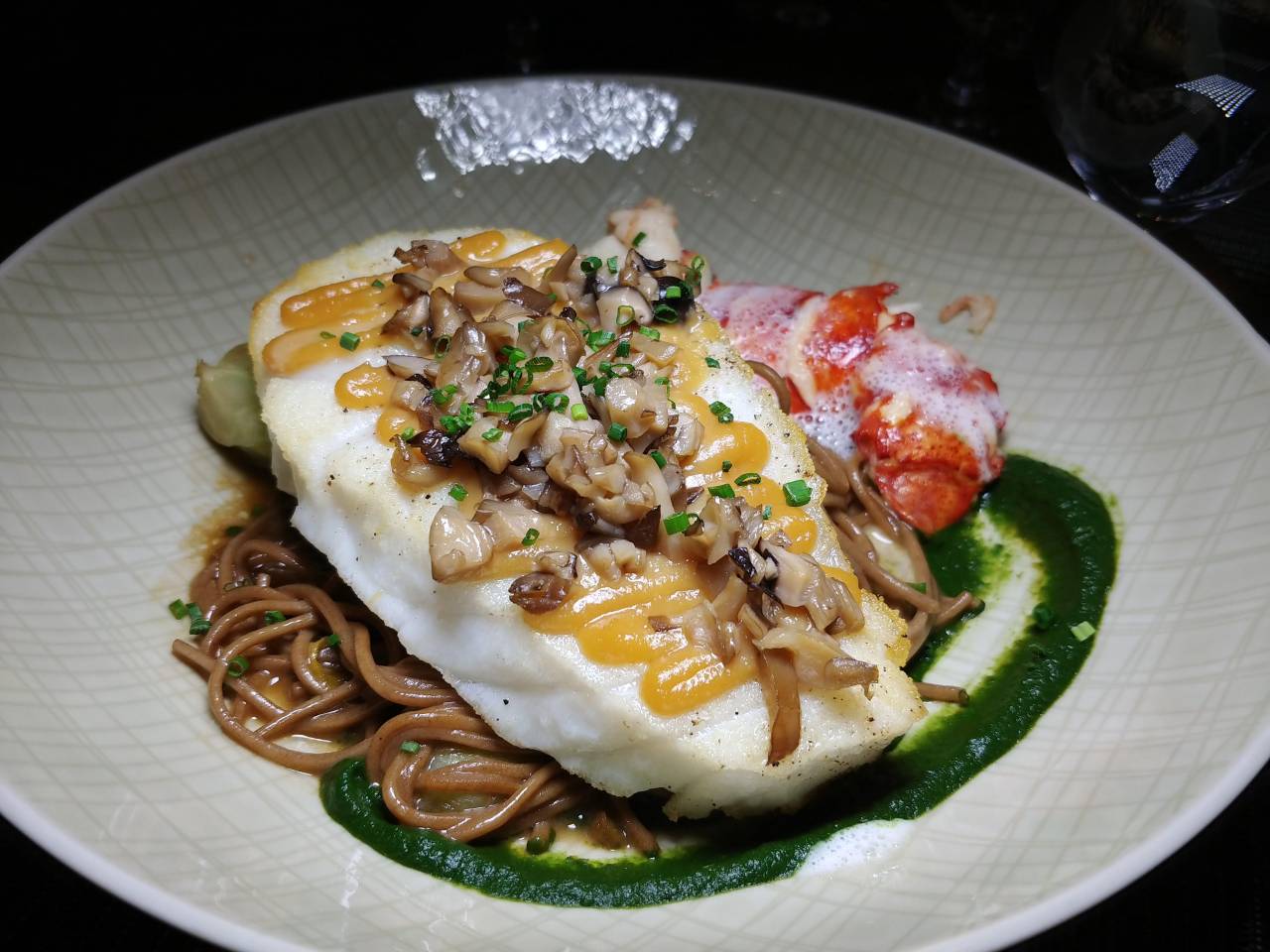
Casino dining in the United States has moved well beyond its former reputation as a secondary attraction. Inside major resorts, restaurants now operate as key elements of the overall experience, often designed to stand on their own rather than merely serve visitors between gaming sessions. This transformation reflects a broader shift in how casinos define their role within the leisure and hospitality landscape. Rather than functioning as single-purpose venues, casinos increasingly combine food, entertainment and accommodation to appeal to a wider range of visitors.
This evolution has also changed how guests interact with casino spaces. Dining is no longer treated as a pause between activities, but as a structured experience that can shape how a resort is perceived as a whole. As expectations around quality and atmosphere have risen, restaurants have become strategic assets, reinforcing a casino’s identity and extending the amount of time guests choose to spend on property.
From Gaming Floors to Dining Destinations
For much of the past century, eating at a casino was associated primarily with convenience and accessibility. Restaurants were designed to be efficient and familiar, offering predictable menus rather than culinary distinction. Over time, this perception shifted as casino operators recognized that food could influence guest satisfaction as much as gaming itself. Investments in chefs, interior design and menu development became more common, reflecting a broader emphasis on hospitality.
The result is a generation of casino dining rooms that prioritize atmosphere, location and consistency. Many are positioned to highlight views, architectural features or cultural references, reinforcing a sense of place. TS Steakhouse at the Turning Stone Resort Casino in Verona, New York, exemplifies this approach. Located at the top of the resort’s tower, the restaurant offers expansive views of the surrounding landscape, creating a setting that feels intentional rather than incidental.

Alaska Words And Phrases That You Might Hear When You Visit
Here are some Alaska words, slang terms, and phrases that you might hear when you visit Alaska.

Glaciers, Salmon, Bears and More on an Alaska Cruise
An Alaska cruise is a bucket-list experience for many people. Here's what to expect.

Marriott Cancun, An All-Inclusive Resort
Book your stay at Marriott Cancun, An All-Inclusive Resort. Enjoy comfortable accommodations & convenient amenities for business & leisure travelers.

Chiang Rai: Northern Thailand Tour with Golden Triangle
A full-day Chiang Rai tour through tea plantations, hill tribe villages, the Golden Triangle and Mae Sai skywalk, ideal for culture and nature lovers.
Promoted by FlowAds

Its focus on prime steaks and seafood aligns with traditional expectations, while interior references to the Oneida Nation connect the space to local history. This combination ensures that the dining experience feels rooted in its environment instead of detached from it, reinforcing the idea of the restaurant as a destination within the resort.
Las Vegas and the Role of Culinary Identity
Las Vegas continues to function as a testing ground for casino dining concepts, where restaurants often serve as visual and cultural markers for individual properties. In this context, food is closely tied to branding, and dining spaces are designed to communicate a clear identity. Restaurants are expected to contribute to how a resort is recognized and remembered.
GIADA at The Cromwell illustrates this dynamic. Italian-inspired dishes are served in a dining room defined by large windows overlooking the Strip, allowing the surrounding cityscape to become part of the experience. The emphasis extends beyond the menu itself to include how the environment frames the meal, reinforcing the connection between cuisine and setting.
Man Gear Pick of the Month
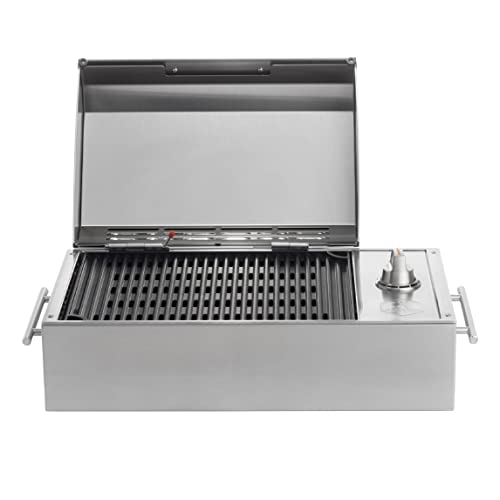
Kenyon City Grill Portable Stainless Steel Electric Grill
Why we picked it: a grill you can actually carry to the campsite, the tailgate or the cabin without borrowing a truck. Stainless, no propane tank to wrestle, and hot enough to cook for four guys rather than reheat for one.
 August's Pick LiberNovo Maxis Electric Big and Tall Ergonomic Office Chair, Graphite 52cm $1,393.00
  July's Pick Powerful Propane Torch Gun, Adjustable Flame Thrower Gun, Kitchen Torch with Detachable Design, Flamethrower Blow Torch for BBQ, Searing Steak, Welding, Camping Charcoal Lighter(Tank Not Included) $42.99
  June's Pick OYASUMI Funny BBQ Man Hot Dog Holders, 4 PCS Reusable Stainless Steel Sausage Stands, Portable Hot Dog Roasters, Barbecue Grill Accessories for Camping & Party Gifts $7.98
 Promoted by FlowAds

By contrast, Hugo’s Cellar at the Four Queens Hotel & Casino reflects continuity rather than reinvention. Its brick walls, subdued lighting and traditional service recall an earlier era of Las Vegas dining. The restaurant’s longevity demonstrates that consistency and familiarity can remain relevant in a city often associated with constant change. Its identity is sustained not through novelty, but through maintaining clear expectations over time.
Heritage Brands Inside Casino Resorts
On the East Coast, Old Homestead Steak House at Borgata Hotel Casino & Spa in Atlantic City shows how long-established restaurant brands adapt to casino environments. Founded in the 19th century, Old Homestead brings its emphasis on aged beef and classic preparations into a modern resort setting. Its history functions as a signal of reliability, appealing to guests who value familiarity within a large entertainment complex.
The presence of such heritage brands allows casinos to blend tradition with scale. Guests are offered a dining experience that feels independent and established, even though it operates within a larger resort framework. This balance helps reinforce trust while meeting the expectations of contemporary casino visitors.
A more modern example is The Pines Modern Steakhouse at Yaamava' Resort & Casino at San Manuel in California. Located inside the casino floor, where all guests must be 21 or older, the restaurant benefits from an inherently mature atmosphere. Its focus on meat, seafood and an extensive wine list reinforces the idea that dining is a central attraction rather than an auxiliary service, encouraging guests to plan visits around the restaurant itself.
Influence Beyond Casino Walls
Although these restaurants are embedded within casino resorts, their concepts are often shaped by independent dining institutions. Commander’s Palace in New Orleans, while not part of a casino, remains a reference point for regional American cuisine. Its long-standing commitment to local ingredients and tradition illustrates why many casino restaurants now seek stronger ties to regional identity.
Rather than relying on standardized menus, casino dining rooms increasingly emphasize cultural context. This approach allows them to resonate with local audiences while also offering visitors a sense of place. By reflecting regional influences, these restaurants position themselves as extensions of their surroundings rather than isolated commercial spaces.
Expansion, Regulation and New Markets
The continued expansion of casino legislation across the United States and Latin America is creating opportunities for new resorts and, consequently, new culinary projects. As regulation advances, local cuisines gain greater visibility within these developments, enabling casinos to integrate more closely with surrounding communities.
This trend is closely observed by emerging markets such as Brazil, which is becoming one of the largest regulated betting environments globally. Research conducted by a Brazilian casino on user behavior suggests that engagement with betting platforms and casino-style products often occurs alongside broader leisure activities centered on fun and social interaction.
Dining areas, shared spaces and entertainment options play an important role in shaping how these environments are perceived. Under new legislation, venues that bring bettors together while offering structured food and hospitality experiences are gaining traction. The same research indicates that most bettors place relatively small wagers at measured intervals. From this perspective, the American experience suggests that sustainable growth in regulated markets depends not only on legal frameworks, but also on a casino’s ability to reflect local culture and align with the everyday habits of its audience.

Promoted by FlowAds
