
Quietly but completely, luxury cultural travel has changed. It's not about ticking off famous landmarks anymore, nor is it about staying in really expensive hotels. Travelers want something more layered. People want to know where they are. They want stories, context, and emotional connection, not some polished tour routes.
The Global Luxury Travel Market alone is projected to be worth $2.71 trillion in 2025, and is expanding at a CAGR of 8.56%. This has set a new benchmark. Voice is no longer a nice-to-have but a must.
Discerning travelers want to hear the story of a temple in their own language. They want museum stories delivered clearly and smoothly, not fumbling through apps or reading tiny plaques. They want walking tours that are personal, smooth, and immersive.
This is where scalable voice technology comes in. Increasingly, solutions like the Falcon voice API are being used behind the scenes to deliver natural spoken guides in multiple languages without breaking the emotional flow of the experience.

Glaciers, Salmon, Bears and More on an Alaska Cruise
An Alaska cruise is a bucket-list experience for many people. Here's what to expect.
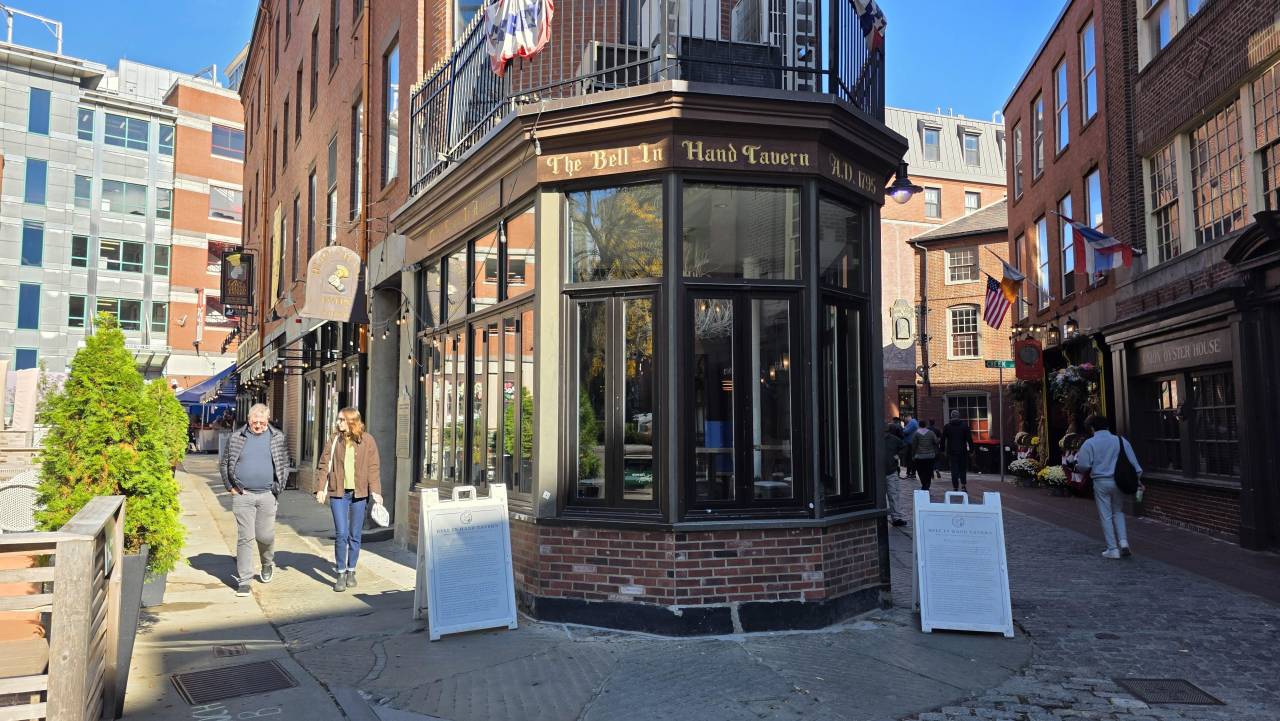
400 Years of Drinking in One Night: Boston's Most Historic Bars
Boston historic bars guys weekend: pub crawl through America's oldest taverns, from the Revolutionary War to JFK's booth. Warren Tavern, Union Oyster House, and bars older than the country itself.

Seattle, Juneau & Canadian Coasts Cruise
Experience the stunning beauty of the Pacific Northwest on this 7-night cruise. Explore vibrant cities and breathtaking landscapes as you sail through iconic destinations.

Sri Lanka private tour package 9 night 10 Day with driver+vehicle+accommodations
This is a 10 day Sri Lanka classic tour where the guests will be going to the must see sights in Sri Lanka during their visit. This tour covers a lot of cities and areas and Sri Lanka and I am certain the guests will enjoy it as well.
Promoted by FlowAds

Luxury Travel Has Become About Understanding, Not Just Seeing
Affluent travelers are no longer impressed by surface-level experiences. A private gallery tour means nothing if the story feels generic. A historic palace feels hollow if the guide sounds mechanical or disconnected from the listener.
Luxury has become about depth. It's about feeling like a place speaks directly to you.
Voice guidance does this better than any written format ever could. When delivered well, it creates an intimacy between traveller and place. The listener does not feel like a tourist; they are a welcome guest.
Man Gear Pick of the Month

Kenyon City Grill Portable Stainless Steel Electric Grill
Why we picked it: a grill you can actually carry to the campsite, the tailgate or the cabin without borrowing a truck. Stainless, no propane tank to wrestle, and hot enough to cook for four guys rather than reheat for one.
 August's Pick LiberNovo Maxis Electric Big and Tall Ergonomic Office Chair, Graphite 52cm $1,283.00
  July's Pick Powerful Propane Torch Gun, Adjustable Flame Thrower Gun, Kitchen Torch with Detachable Design, Flamethrower Blow Torch for BBQ, Searing Steak, Welding, Camping Charcoal Lighter(Tank Not Included) $42.99
  June's Pick OYASUMI Funny BBQ Man Hot Dog Holders, 4 PCS Reusable Stainless Steel Sausage Stands, Portable Hot Dog Roasters, Barbecue Grill Accessories for Camping & Party Gifts $6.98
 Promoted by FlowAds

Here, a multilingual voice plays a very important role. Cultural experiences do not feel quite as magical when they are filtered through awkward translations or subtitles. Upscale travelers want accuracy, elegance, and emotional tone in their own language.
Why Multilingual Voice Guides Are No Longer Optional
In luxury travel, expectations are unforgiving. There's no room for friction.
When a traveler lands in a country where the language spoken is not their own, the experience can feel either empowering or alienating. Voice guides determine which direction it goes.
Without proper multilingual support, even premium experiences fall flat. Visitors:
- Miss cultural nuance
- Misunderstand rituals and traditions
- Feel distant from the local narratives
It creates silent disappointment, even when everything else is premium.
The demand for luxury cultural travel is clear. Visitors require voice guidance that feels immediate, human, and effortless.
How Storytelling Changes When Voice Replaces Text
Text forces effort. Voice invites immersion.
When travelers read, their attention splits between the environment and the screen. When they listen, they look up and absorb architecture, artwork, rituals, and landscapes while the story flows naturally into their ears.
This changes how memories are made.
Voice-driven storytelling makes cultural travel feel cinematic rather than instructional. A whispered backstory of an ancient shrine, a calm narration during a sunset heritage walk, a softly spoken myth tied to a mountain path, stay with a person long after the trip is over.
But multilingual delivery multiplies that impact. Because the story not only reaches more people, it reaches them more deeply.
The Technical Backbone Making This Possible
Behind every silky-smooth listening experience, there is a complex system that most travelers never see. Luxury travel brands need voice engines to scale across locations and languages for thousands or even millions of travellers without losing quality.
That is where tools like Falcon voice API have become foundational. They power consistent voice experiences across dozens of languages, all while maintaining tone stability and natural delivery.
For luxury travel operators, this is a solution to several problems in one go:
- No dependency on live human guides for every language
- Consistent quality of storytelling
- Instant scalability for global visitor flows
Rather than stitching together uneven experiences, brands can offer a unified and polished voice journey no matter where the traveller comes from.
Why Luxury Travelers Prefer Voice Over Apps
The luxury traveler is not just wealthy; they are time-sensitive and expectation-driven.
Luxury guests don't want to download five different apps. They don't want clunky interfaces. They especially don't want to read long texts while standing inside world-class destinations.
Voice feels invisible and natural. It's like someone is guiding them personally through the experience.
That subtle emotional difference matters and turns what is essentially a guided tour into a private, serene, dignified experience. An experience that meets the standards of luxury hospitality.
Cultural Sensitivity Starts With How Stories Are Told
This part is often forgotten.
It is not just about translation when it comes to multilingual voice guides, but also about respect. A story that may be perfectly told in one language may sound wrong, even insensitive, if not treated with care in another.
Luxury cultural travel depends heavily on getting this right. The tone needs to shift. The pacing needs to be adjusted. The emotion has to remain intact.
This is why advanced voice systems are now seen as ethical tools, not just operational ones. They protect the integrity of cultural storytelling while opening it up to the world.
What This Means to the Future of Luxury Cultural Tourism
The bar has been raised quietly, but permanently.
Basic audio guides will no longer satisfy the traveler. There will be zero tolerance for mechanical voices and broken translations. Travelers will come to expect immersive, natural, multilingual narration as a standard part of premium travel.
Destinations and luxury travel brands that don't adapt won't be publicly maligned. They'll simply be forgotten. Are you willing to take that risk?

Promoted by FlowAds
