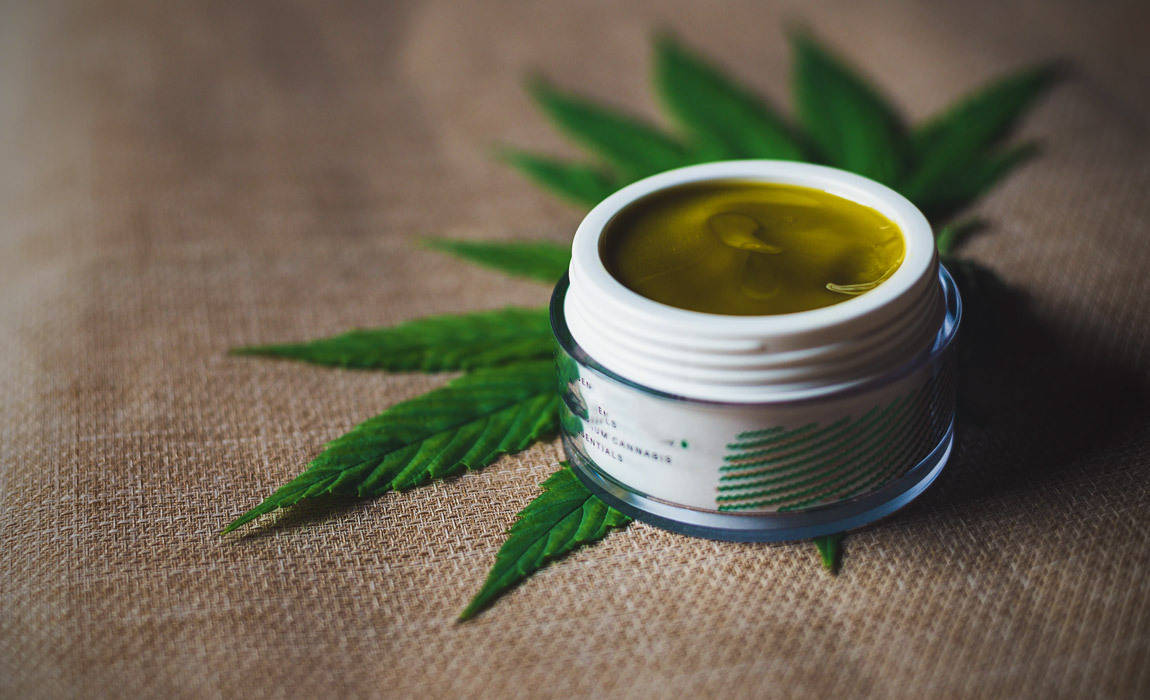
Walk into any gas station, gym, or pet store and you will find CBD on a shelf somewhere. The obsession is real, and so is most of the confusion, and nearly all of it traces back to one fact: CBD comes from the same plant as marijuana. It is not the same thing. CBD oil is extracted from hemp - cannabis containing no more than 0.3% THC by dry weight, the threshold Congress set in the 2018 Farm Bill - and it will not get you high. That legal line decides what you can buy, what you can fly with, and what can get you in trouble.
What Do You Call Your "Guys Trips"?
CBD is sold for almost everything, and the evidence behind those claims varies enormously depending on which one you pick up. Here is what is settled.
- Epidiolex is the only FDA-approved CBD drug, cleared for three specific seizure disorders and nothing else.
- Full-spectrum oils carry trace THC, which is what turns a legal purchase into a problem at a border or a drug test.
- CBD interferes with the same liver enzymes that process common prescriptions, which is why the caution resembles the grapefruit warning.
- TSA allows hemp-derived CBD in carry-on and checked bags, and the product's lab report is the only thing that proves yours qualifies.
- The major cruise lines ban CBD outright, because federal law applies at sea no matter which port you boarded in.
What Is CBD, Also Known as Cannabidiol?
CBD is the shorter and easier way of writing cannabidiol, and it is generally the second most prevalent active ingredient in cannabis. As the cultivation of hemp has matured, various strains have emerged. Today, CBD oil is most commonly extracted from low THC strains of the plant, whereas marijuana grown for recreational use comes from high THC strains. Researchers have developed numerous strains chasing maximum medical benefit, even as others focus on the intoxicating properties people enjoy recreationally.
The result is that CBD and marijuana are now two very different products used for different purposes. Depending on what you are after, there are also blends running 1:1 or 3:1 CBD to THC.

Cruising Alaska with Norwegian Cruise Line on NCL Jewel
What to expect when on an Alaska cruise with Norwegian Cruise Lines, based on our sailing on NCL Jewel.

Quirk Hotel: The Perfect Dog-Friendly Stay for a Guys' Trip in Richmond, Virginia
Quirk Richmond is a dog friendly hotel.
Book A Virgin Voyages Cruise
Discover the ultimate cruise experience with Virgin Voyages, where every detail is designed for your enjoyment. Enjoy unique itineraries, luxurious accommodations, and exceptional dining options.
Best Walkie-Talkies for Cruises in 2026
The five best Walkie-Talkie for a Cruise Ship allows you to stay connected on a cruise ship and make your trip perfect fun.
Promoted by FlowAds

How Is CBD Produced?
CBD oil is most commonly produced from low THC strains of Cannabis Sativa. The plant is milled, and the CBD is extracted using a carrier oil such as hemp seed oil, olive oil, or coconut oil. It is then collected and processed into products running from creams and ointments to vapes, gummies, and other edibles.
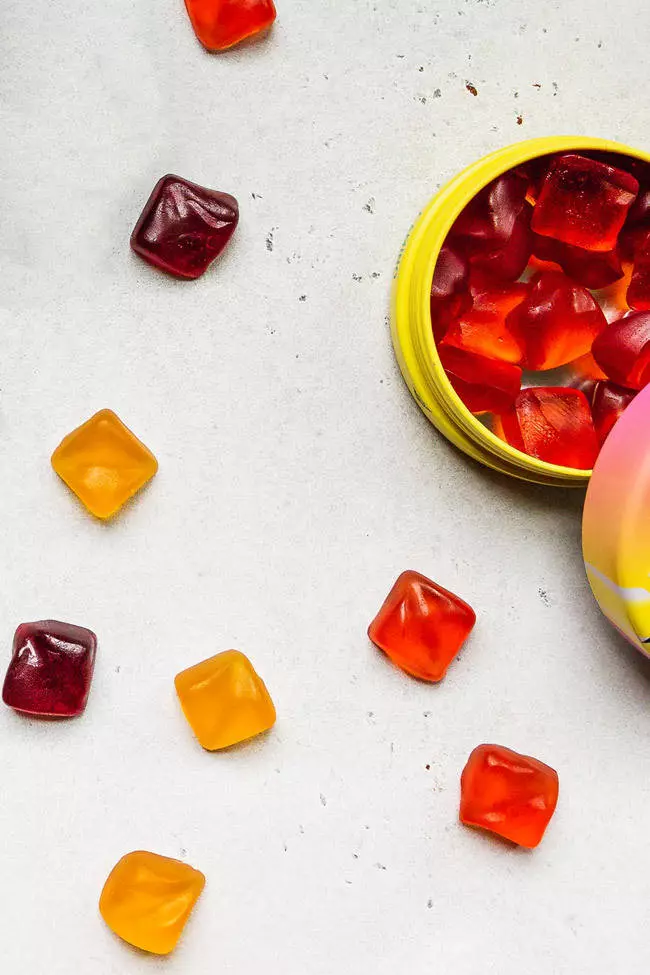
As the consumer market has come to accept the legitimate and increasingly well-studied applications for CBD, its popularity has grown quickly. There are now applications for CBD across pills, capsules, oils applied directly to the skin, and edibles. CBD gummies are sugar-coated and state a milligram dose per piece, which makes them the simplest format for anyone who wants a consistent dose without measuring drops, provided the label is accurate.
Man Gear Pick of the Month
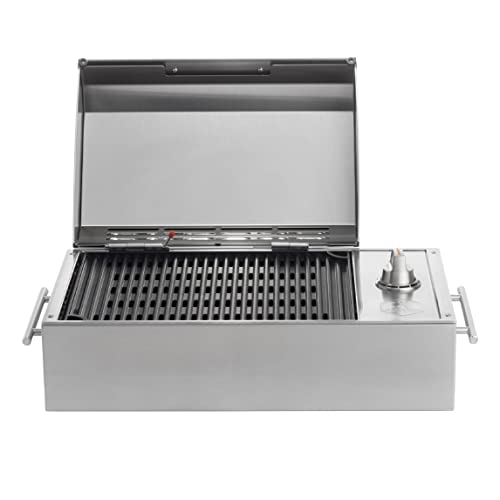
Kenyon City Grill Portable Stainless Steel Electric Grill
Why we picked it: a grill you can actually carry to the campsite, the tailgate or the cabin without borrowing a truck. Stainless, no propane tank to wrestle, and hot enough to cook for four guys rather than reheat for one.
 August's Pick LiberNovo Maxis Electric Big and Tall Ergonomic Office Chair, Graphite 52cm $1,466.00
  July's Pick Powerful Propane Torch Gun, Adjustable Flame Thrower Gun, Kitchen Torch with Detachable Design, Flamethrower Blow Torch for BBQ, Searing Steak, Welding, Camping Charcoal Lighter(Tank Not Included) $41.99
  June's Pick OYASUMI Funny BBQ Man Hot Dog Holders, 4 PCS Reusable Stainless Steel Sausage Stands, Portable Hot Dog Roasters, Barbecue Grill Accessories for Camping & Party Gifts $14.98
 Promoted by FlowAds

Why the Obsession With CBD?
At the core of the question is a basic human desire to feel better and to fix what hurts. CBD's popularity also rides a broader trend toward alternative and more natural remedies. There is certainly a placebo effect for some users, but the reason so many people are obsessed with CBD is simply that it works well enough, often enough, across enough different complaints.
The claims made for it are broad: anxiety, depression, muscle and joint pain, and plenty more. Some hold up better than others, and separating the supported claims from the marketing is most of the work.
The honest answer on mental health is narrower than the marketing suggests. Anxiety is the area with the most promising human trials behind it, but those studies are small and short, and the doses used in them run far higher than what sits in a retail gummy. What CBD has been approved for is much more specific: Epidiolex, a prescription CBD drug, is FDA-approved for seizures in Lennox-Gastaut syndrome, Dravet syndrome, and tuberous sclerosis complex. Everything past that is still an open question, and Harvard Health keeps a plain-language rundown of where the evidence stands.
The most consistent finding across human trials so far is reduced anxiety. That matters for the guy who white-knuckles every work presentation and every takeoff. It does not make CBD a treatment for depression, and anyone selling it as one is ahead of what the science supports.
Should CBD Be Recommended For Medical Use?
Plenty of people still lump CBD in with marijuana, but the two do different jobs. CBD delivers much of the therapeutic interest without the psychotropic effect that makes THC a non-starter for anyone who has to work in the morning. That does not mean every CBD product is good, and it does not mean CBD helps with every complaint. More research is needed to isolate specific benefits, doses, and delivery methods.
CBD is also not risk-free, and the two risks that matter most are not the ones printed on the label. The FDA has documented liver enzyme elevation at higher doses, and CBD interferes with the same liver enzymes that process a long list of common prescriptions, which is why the caution resembles the one that comes with grapefruit. If you take anything daily, particularly blood thinners or seizure medication, that conversation belongs with your doctor before you start rather than after. The FDA's consumer page sets out what is currently known.
Because this is still a young market, plenty of people are selling plenty of different CBD products, and not everything is equal. As much as I support small businesses, it is worth buying from licensed dispensaries and established companies that answer to a regulator. Not every producer even uses full-spectrum CBD oil, and the label will not always tell you. Look for a current certificate of analysis from an independent lab. If a company will not show you one, buy elsewhere.
Flying and Traveling With CBD
Flying with it is where guys get caught out. TSA allows hemp-derived CBD containing no more than 0.3% THC by dry weight in both carry-on and checked bags, and that 0.3% matters, because a full-spectrum oil that tests above it is legally a different product. Carry the batch-specific certificate of analysis, on paper or on your phone, matching the lot number on the bottle. TSA's own guidance is the place to start.
International travel is a different animal. The UK treats CBD as a novel food requiring Food Standards Agency authorization. Plenty of countries set their THC threshold at zero rather than 0.3%. And the major cruise lines ban it outright: Carnival spells out that CBD is prohibited onboard even when it is legal onshore, because federal law and the laws of every port on the itinerary still apply. Worth knowing before a bachelor party cruise. Check the destination and the carrier before you pack, not after.
Where CBD Is Worth Your Money and Where It Is Not
I am not a doctor, but I will say this much: CBD is worth taking seriously for pain, stress, and sleep, and it is oversold for nearly everything else. The evidence is real but far narrower than the shelf space suggests, and the gap between those two things is where most of the money gets wasted.
If you are going to try it, buy from someone who will show you a current lab report, and start with one format rather than stacking an oil, a gummy, and a topical in the same week, so you can actually tell whether it is doing anything. Tell your doctor you are taking it, and check the rules before you fly with it. Amazon still refuses to sell CBD at all, which is a useful reminder that the regulatory picture has not settled - and that where you buy it matters as much as what you buy.

Promoted by FlowAds
