Europe remains one of the best places on earth for a man to travel alone. The infrastructure makes it easy, English gets you surprisingly far, and the mix of history, nightlife, and culture means you can build exactly the trip you want - whether that's three days of museum-hopping in Amsterdam or a week getting lost in Berlin's late-night scene.
- Berlin's clubs don't get going until 2 AM and the city genuinely doesn't care what you do with your time - it's built for people who want to operate on their own schedule.
- Prague and Budapest deliver legitimate nightlife, stunning architecture, and meals that cost a fraction of what you'd pay in Western Europe - your dollar stretches further here.
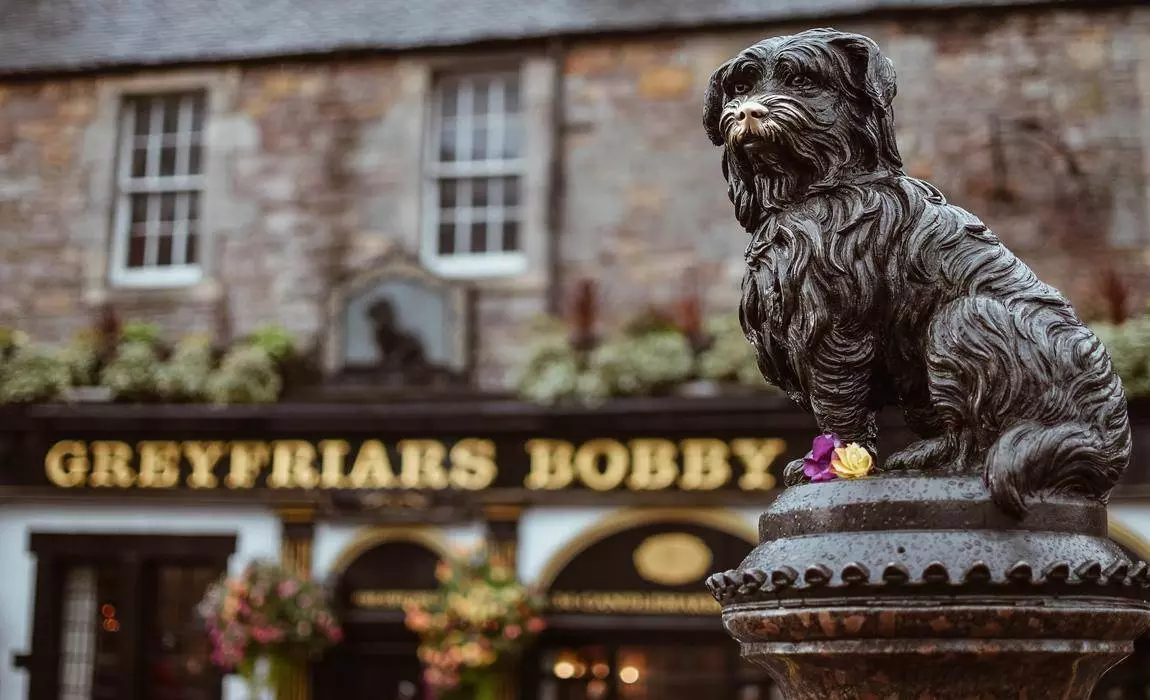
- Cities like Edinburgh and Copenhagen prove that "solo travel" doesn't mean "lonely travel" - pub culture and social locals make striking up conversations surprisingly easy.
- The train system connects major cities efficiently, so you can base yourself in one spot and day-trip to others without the hassle of multiple hotel check-ins.
- Shoulder seasons (April-May, September-October) offer better prices, fewer crowds, and weather that's still good enough for walking neighborhoods all day.
The continent rewards the solo traveler in ways that group trips can't match. You eat when you're hungry, stay out as late as you want, and change plans on a whim because nobody's waiting on you. That freedom is the whole point.
For Americans, getting to Europe is straightforward. Nearly every major airline offers direct flights to hubs like London, Paris, Frankfurt, and Amsterdam. Once you're there, the train remains the best way to cover ground - grab a rail pass or book point-to-point tickets through services like Indus Travel's Europe train tours if you want someone else handling logistics.
A note on entry requirements: The EU's ETIAS travel authorization system is expected to launch in late 2026. Until then, Americans can enter with just a valid passport. Once ETIAS goes live, you'll apply online before your trip - similar to the US ESTA system. Make sure your passport has at least six months validity. If you're in a rush, expedited passport services can help.
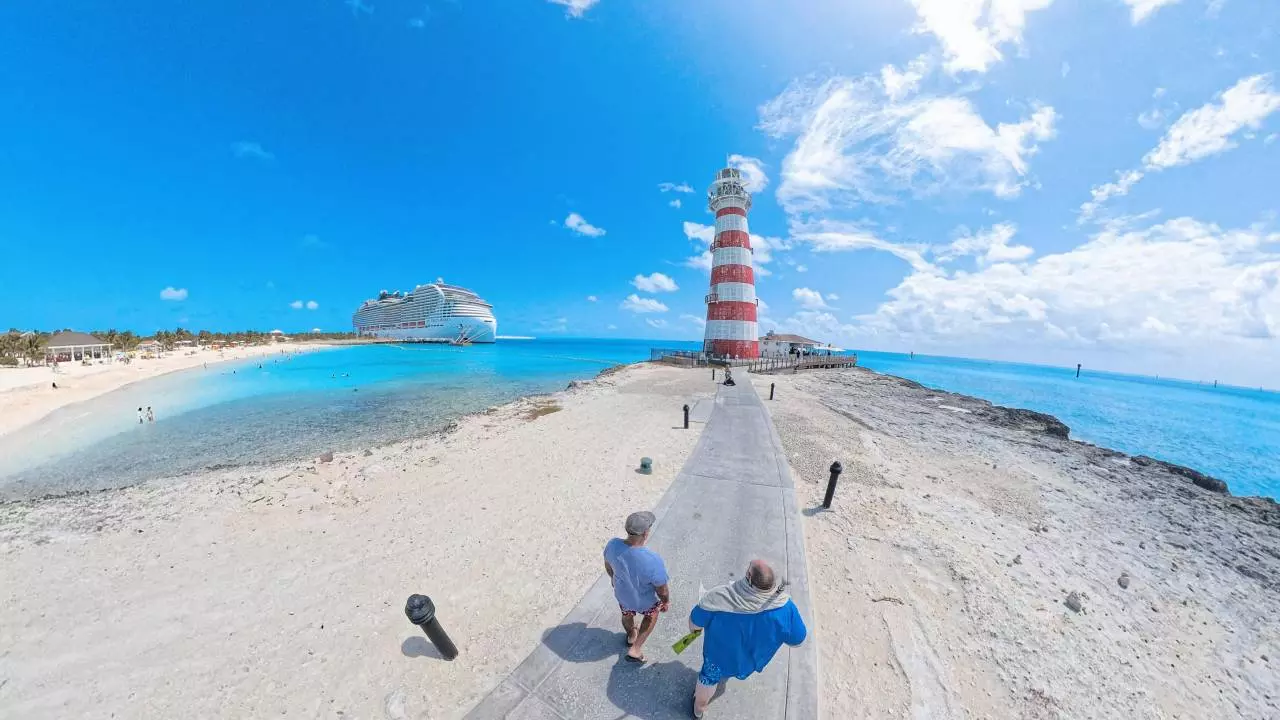
Guy's Trip on MSC World America: European Luxury Meets Caribbean Adventure
Men who appreciate a perfect balance of adrenaline-pumping activities, premium dining experiences, and sophisticated nightlife options will find MSC World America to be the ultimate floating playground for their next guy's getaway.
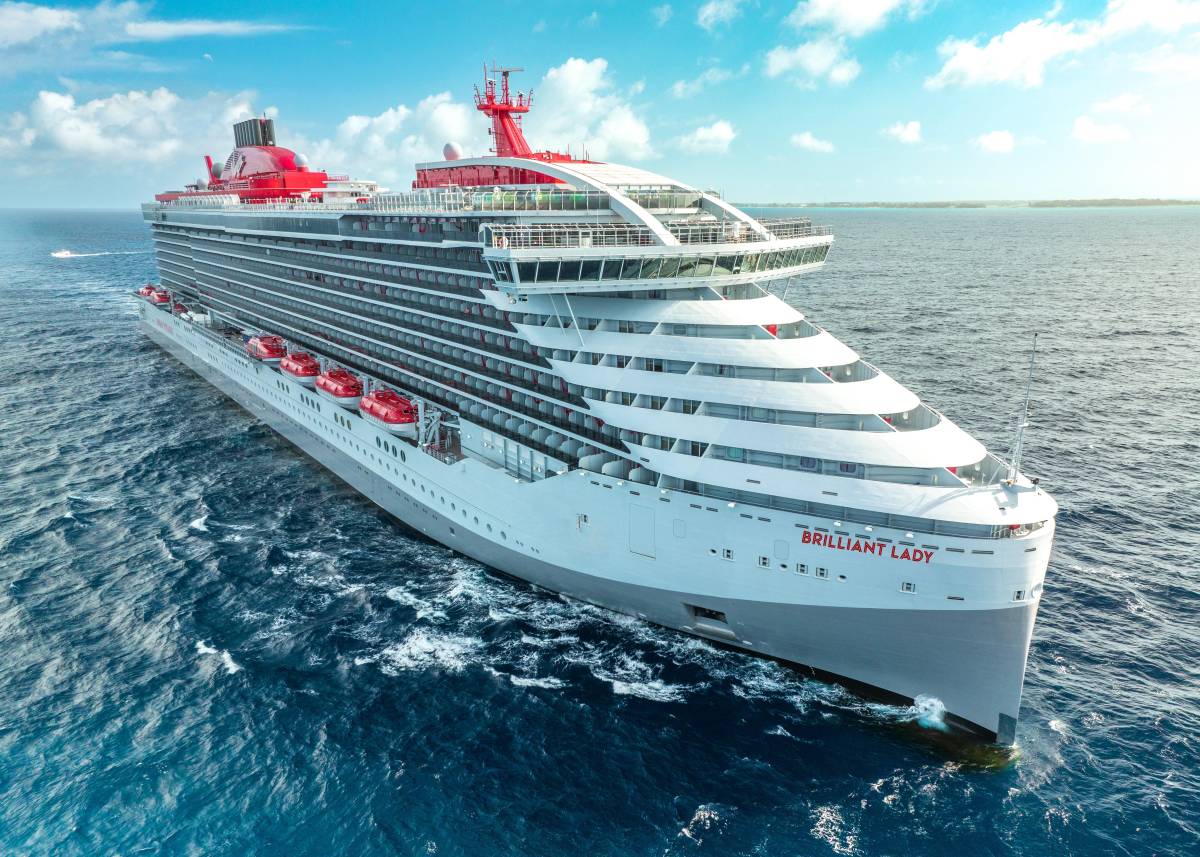
Explore Alaska with Virgin Voyages: Adventure Awaits on the 2026 Alaskan Itineraries
Virgin Voyages brings adults-only style to Alaska in summer 2026 with adventure-focused itineraries aboard Brilliant Lady.

Book Your Next Alaska Cruise On Holland America Line
Book your next Alaska cruise on Holland America Line and explore stunning glaciers and coastal towns.
4-Day Cruise Getaway
A 4-day cruise getaway, ideal for travelers seeking a short break at sea.
Promoted by FlowAds

Where Single Guys Actually Want to Go in Europe
Solo travel works best when the destination matches what you're actually looking for. Some of these cities are nightlife-forward, others reward the guy who wants to walk for hours taking in architecture and history. A few do both exceptionally well.
Berlin: The City That Never Asks What Time It Is
Berlin operates on its own clock. The legendary nightlife scene doesn't follow normal rules - clubs open at midnight and keep going well past sunrise, which means you can spend your days wandering Cold War history sites and your nights going as deep into the music scene as you want.
Man Gear Pick of the Month
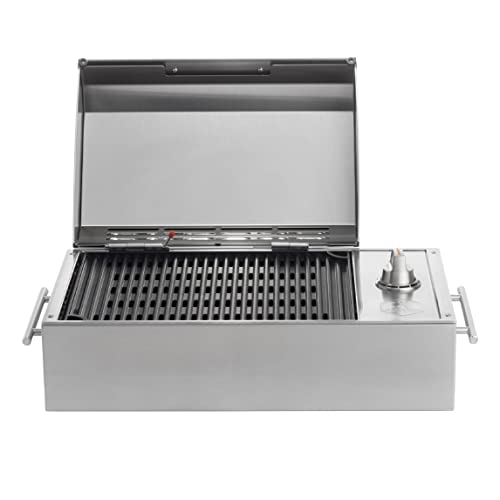
Kenyon City Grill Portable Stainless Steel Electric Grill
Why we picked it: a grill you can actually carry to the campsite, the tailgate or the cabin without borrowing a truck. Stainless, no propane tank to wrestle, and hot enough to cook for four guys rather than reheat for one.
 August's Pick LiberNovo Maxis Electric Big and Tall Ergonomic Office Chair, Graphite 52cm $1,393.00
  July's Pick Powerful Propane Torch Gun, Adjustable Flame Thrower Gun, Kitchen Torch with Detachable Design, Flamethrower Blow Torch for BBQ, Searing Steak, Welding, Camping Charcoal Lighter(Tank Not Included) $42.99
  June's Pick OYASUMI Funny BBQ Man Hot Dog Holders, 4 PCS Reusable Stainless Steel Sausage Stands, Portable Hot Dog Roasters, Barbecue Grill Accessories for Camping & Party Gifts $7.98
 Promoted by FlowAds

Beyond the parties, Berlin rewards curiosity. The East Side Gallery, Checkpoint Charlie, the Holocaust Memorial - this is a city that doesn't hide from its past. Kreuzberg delivers gritty authenticity, Mitte handles history and museums, and Prenzlauer Berg offers relaxed café culture. The city has a famously liberal attitude toward nightlife and adult entertainment, but it's equally welcoming to the guy who just wants to nurse a beer and people-watch at a neighborhood kneipe (local bar) - which, honestly, offers more authentic Berlin conversation than the clubs tourists flock to.
Prague: World-Class Beer at Third-World Prices
Prague delivers an unfair combination: fairy-tale architecture, world-class beer, and prices that make Western Europe feel like robbery. The Old Town looks like a movie set, the Charles Bridge at sunrise is worth waking up early for, and a proper Czech meal with several beers rarely breaks $20.
The Czech Republic earned its reputation as the beer capital of the world honestly - Pilsen invented the pilsner style. Prague builds on that tradition with historic pubs serving fresh lager for a few dollars a pint. U Zlatého Tygra and Lokál are worth seeking out, and the Vinohrady and Žižkov neighborhoods offer character beyond the tourist circuit. Skip the astronomical clock crowds - the views from Letná Park beer garden are better, cheaper, and come with cold Pilsner Urquell.
Amsterdam: Impossible to Get Lost, Easy to Find Trouble
Amsterdam works for solo travelers because the concentric canal rings make navigation intuitive, everyone speaks English, and the city's compact size means you can walk from museum district to Red Light District in 20 minutes.
The Van Gogh Museum and Rijksmuseum deserve their reputations. Anne Frank House requires advance tickets but provides necessary historical weight. The Jordaan neighborhood's narrow streets and hidden courtyards could fill an afternoon. The coffee shop culture and Red Light District are part of Amsterdam's identity and worth experiencing with adult perspective - the city handles these elements with refreshing pragmatism. Rent a bike; fighting it as a tourist is a mistake. Once you accept that bikes rule, the city opens up completely differently.
Barcelona: Beach Days, Late Nights, Zero Judgment
Barcelona combines beach access with serious city credentials in a way few European cities manage. Spend the morning gawking at Gaudí's architectural fever dreams, the afternoon on Barceloneta Beach, and the evening working through tapas and wine until the clubs open - which in Barcelona means midnight at the earliest.
The Gothic Quarter's medieval streets deliver the European atmosphere solo travelers imagine. La Boqueria market offers a solo-friendly lunch where standing at a counter eating jamón ibérico and drinking cava at 11 AM is completely normal. Spanish dining culture works exceptionally well for single travelers - tapas portions are designed for grazing, bars expect solo customers, and eating alone carries zero stigma. The real nightlife lives in El Born and Poble Sec, not the tourist traps of Las Ramblas.
Lisbon: The Budget-Friendly Secret Everyone Knows
Lisbon became the budget-friendly European darling for good reason: stunning city views, excellent food, legitimate nightlife, and prices that still feel reasonable. The hills mean constant stair-climbing, but the reward is viewpoints (miradouros) around every corner.
The food scene punches above its weight - pastéis de nata from Belém, fresh seafood everywhere, and wine that costs a fraction of comparable French or Italian bottles. Bairro Alto transforms at night from quiet neighborhood to nightlife center as bars spill onto narrow streets. The vibe is social without being aggressive. Walk the Tram 28 route instead of riding it - you'll see more and avoid the pickpocket risk that comes with packed tourist trams.
Budapest: Thermal Baths and Ruin Bars
Budapest offers the most value of any major European capital. The city splits across the Danube - Buda's castle district for history, Pest for nightlife and energy - creating two distinct experiences in one destination.
The thermal bath culture has no equivalent in Western Europe. Széchenyi Baths lets you soak in hot spring water in a Baroque palace setting - surprisingly social, and going solo feels completely natural. The ruin bar scene (Szimpla Kert being the famous one) put Budapest on the backpacker map, but the city's appeal extends beyond that. The Museum of Fine Arts holds serious European art, and the craft beer spots like Élesztő offer better beer and conversation than the crowded ruin bars.
Copenhagen: Scandinavian Cool Without the Attitude
Copenhagen consistently ranks among the world's happiest cities, and spending time there you start to understand why. The design aesthetic permeates everything - public buildings, coffee shops, even bike racks - creating an environment that feels intentionally pleasant.
Danish culture takes adjustment. Locals aren't unfriendly, but they're reserved by American standards. The flip side: conversations tend toward genuine rather than surface-level. The food scene operates at a high level - Noma put Copenhagen on the culinary map, but smørrebrød, street hot dogs, and bakeries on every corner keep things accessible. Rent a bike; Copenhagen is built for cycling and you'll blend in rather than feeling like a tourist. Vesterbro offers a grittier, more local feel than the polished inner city.
Edinburgh: Pubs, History, and Conversations That Actually Go Somewhere
Edinburgh has earned its reputation as a destination for stag weekend getaways, but it's equally compelling for solo travel. The Royal Mile, Edinburgh Castle, the narrow closes of Old Town - the city looks like it was designed for moody photographs.
The pub culture welcomes solo travelers naturally. Scottish hospitality runs genuine, and sitting alone at a bar often leads to conversation rather than awkwardness. Whisky provides an obvious starter, and most pubs offer enough selection to spend an evening working through regions. The Edinburgh Fringe Festival in August transforms the city into the world's largest arts festival - solo travelers have an advantage since last-minute single tickets are easier to score than pairs. Arthur's Seat, the extinct volcano in the city center, offers legitimate hiking with panoramic views for free.
Stockholm: Nature Integrated Into City Life
Stockholm isn't cheap, but the city offers something different: serious natural beauty integrated into urban life. The city spreads across 14 islands, meaning water views appear constantly and ferry rides become practical transportation.
The museum quality runs high - the Vasa Museum (a preserved 17th-century warship) and ABBA Museum deliver experiences you won't find elsewhere. Stockholm's summer, when the city stays light until nearly midnight, creates particular energy worth experiencing. Södermalm offers a more local, creative neighborhood with excellent bars, while the archipelago stretching east provides day-trip access to thousands of islands and surprisingly untouched Swedish nature.
Mykonos: The Party Island Option
Mykonos represents the unapologetic party island choice. The beaches are beautiful, the whitewashed Cycladic architecture photographs perfectly, and the nightlife scene operates at a scale that draws international crowds every summer.
The island works differently than city destinations - days follow a beach-lunch-nap-dinner-party rhythm. The scene skews younger and more moneyed, particularly at the beach clubs. Mykonos has a quieter side (monasteries, peaceful beaches), but most solo male travelers come here for the energy. Peak season (July-August) brings crowds and prices to match; June and September offer similar weather with more breathing room.
Matching the City to What You Actually Want
Nightlife-forward: Berlin, Barcelona, Prague, and Budapest deliver legitimate after-dark scenes with staying power.
Culture and history: Edinburgh, Prague, and Amsterdam offer concentrated European heritage in walkable packages.
Value: Prague, Budapest, and Lisbon stretch your budget furthest without sacrificing quality.
Ease of solo travel: Amsterdam, Copenhagen, and Lisbon feel almost effortless for first-timers - compact, English-friendly, and safe.
Start With One City and See What Happens
The biggest mistake solo travelers make is overplanning. Pick one or two cities, give yourself enough time to get comfortable, and leave room for the unexpected. European cities have been welcoming single travelers for generations - the infrastructure exists, the culture accepts it, and the experiences reward those who show up open to whatever happens.
Book your flight, pick a starting point, and go.

Promoted by FlowAds
