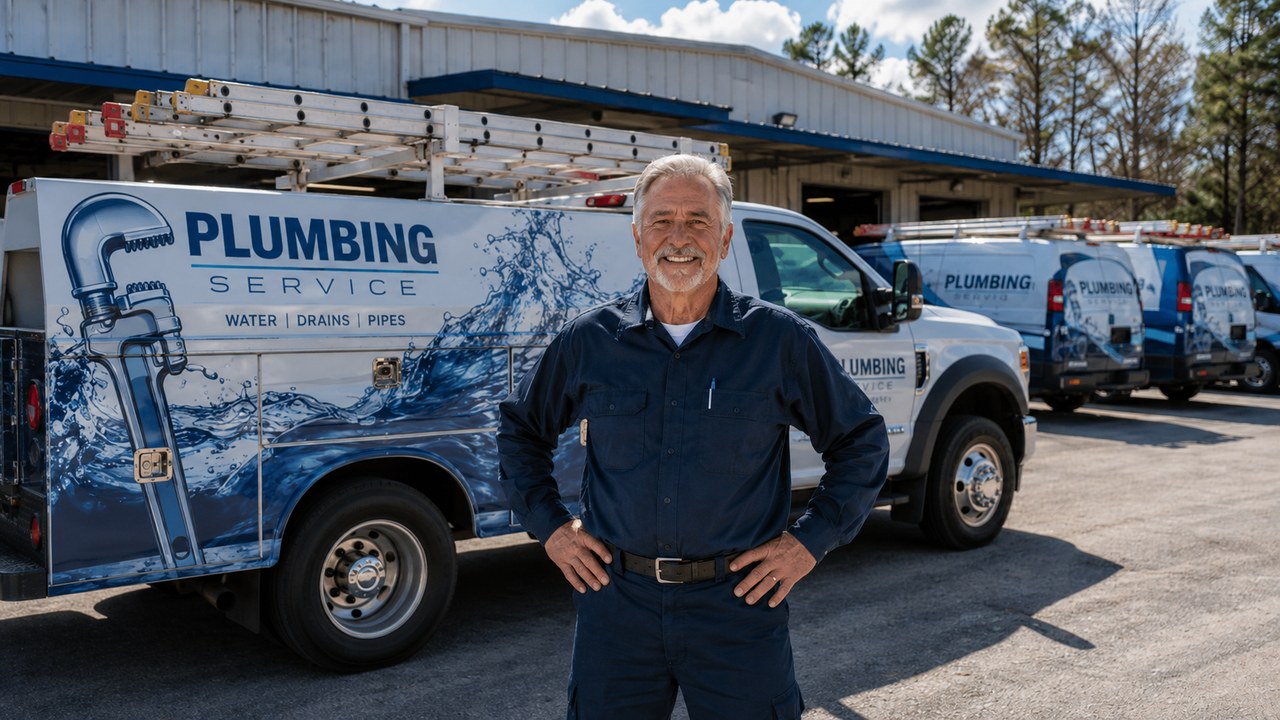
A commercial vehicle is more than transportation. It can be a mobile advertisement, a workspace, a delivery tool, and one of the first things a customer notices when your team arrives. That means faded paint, damaged body panels, rust, or poorly repaired collision damage can influence how the entire business is perceived.
Professional work completed by The Truck Body Shop can address everything from structural and fiberglass damage to refinishing, detailing, and body repairs. For fleet owners, keeping vehicles in good condition is ultimately about protecting both an operational asset and the image customers associate with the business.
Your Vehicles Are Moving Billboards
A commercial truck may be seen by hundreds or even thousands of people as it travels between jobs.
That visibility makes appearance surprisingly important. Customers may see the truck before they ever meet the driver, technician, installer, or delivery team. A clean vehicle with consistent paint and professional branding suggests that the business pays attention to its equipment.

How to Get Kicked Off a Cruise Ship in 2026: Behaviors That End Your Vacation Early
Cruise lines removed dozens of passengers in 2024 and 2025 for fights, drugs, and dangerous stunts. Learn what triggers immediate removal, lifetime bans, and how to protect your vacation investment be

Why Richmond Virginia Is An Awesome Place For A Guys Trip
Richmond Virginia is a great destination for an awesome guys weekend getaway.

Central Thailand Highlights 3D/2N
A 3-day round trip from Bangkok exploring ancient ruins, temples, markets and local villages. Ideal for travelers wanting Thailand's cultural highlights.

Amazing Vietnam, Cambodia and Thailand 16 Days
A 16-day tour of Vietnam, Cambodia and Thailand covering Hoi An, Halong Bay, Angkor temples and Phuket beaches, ideal for culture and beach lovers.
Promoted by FlowAds

The opposite impression can form just as quickly.
Large dents, peeling clear coat, mismatched panels, faded graphics, and neglected body damage can make an otherwise successful operation appear less organized than it really is.
Professional refinishing can include spot repairs, full resprays, color matching, protective coatings, and support for fleet branding. This allows damaged vehicles to return to a consistent appearance rather than looking permanently patched together after every incident.
Man Gear Pick of the Month
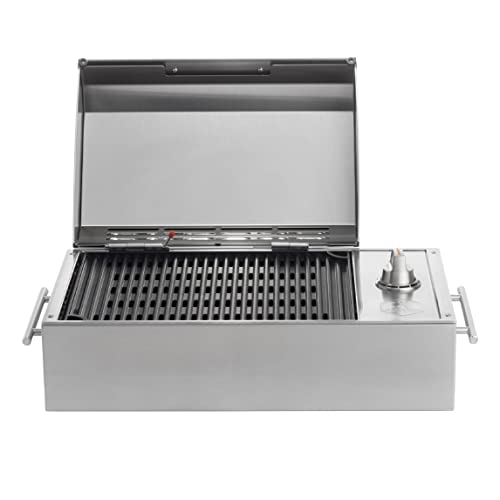
Kenyon City Grill Portable Stainless Steel Electric Grill
Why we picked it: a grill you can actually carry to the campsite, the tailgate or the cabin without borrowing a truck. Stainless, no propane tank to wrestle, and hot enough to cook for four guys rather than reheat for one.
 August's Pick LiberNovo Maxis Electric Big and Tall Ergonomic Office Chair, Graphite 52cm $1,393.00
  July's Pick Powerful Propane Torch Gun, Adjustable Flame Thrower Gun, Kitchen Torch with Detachable Design, Flamethrower Blow Torch for BBQ, Searing Steak, Welding, Camping Charcoal Lighter(Tank Not Included) $42.99
  June's Pick OYASUMI Funny BBQ Man Hot Dog Holders, 4 PCS Reusable Stainless Steel Sausage Stands, Portable Hot Dog Roasters, Barbecue Grill Accessories for Camping & Party Gifts $7.98
 Promoted by FlowAds

Consistency Matters Across an Entire Fleet
One slightly faded truck may not seem important until it is parked next to five newer vehicles.
Fleet appearance becomes much more noticeable when vehicles operate together. Different shades of the same company color, damaged graphics, or poorly blended repairs can make a fleet look pieced together rather than intentionally managed.
Professional color matching helps solve this problem.
Modern commercial refinishing facilities can use dedicated paint booths and color-matching technology to blend repaired sections with the existing finish or reproduce company colors across several vehicles. Custom colors, stripes, logos, and decals can also be incorporated when a business is refreshing or rebranding its fleet.
This becomes especially useful after acquisitions or when older vehicles need to be brought into line with a newer visual identity.
A Dent Can Be More Than an Appearance Problem
Not every dent means a truck has serious damage, but assuming every visible mark is purely cosmetic can be risky.
Commercial vehicles experience loading docks, busy job sites, tight parking areas, low-clearance obstacles, and constant road use. A relatively ordinary incident can affect panels, corner caps, doors, roofs, or structural areas beneath the visible surface.
That is why damage assessment matters.
Professional repair can extend from dent correction and panel replacement to frame straightening, welding, crossmember work, and complete body reconstruction. Computerized diagnostics and laser-guided equipment may also be used when structural alignment needs to be evaluated.
The objective is to determine what actually needs attention rather than judging the seriousness of a repair by the size of the visible dent.
Box Trucks Need Their Cargo Areas to Work Properly
For a delivery or service vehicle, the body behind the cab is part of the equipment that earns money.
A damaged box can interfere with loading, weather protection, security, and normal daily operations even when the truck itself remains perfectly drivable.
Common repair needs can involve side panels, roofs, floors, crossmembers, subframes, liftgates, roll-up doors, swing doors, tracks, locks, and latches. Insulated cargo bodies may require additional attention when damaged panels affect their ability to maintain appropriate conditions.
That is why a body repair should restore function as well as appearance.
A delivery truck with beautiful paint but a rear door that does not close properly is not ready to return to work.
Specialized Vehicles Bring Specialized Problems
Commercial fleets can contain much more than ordinary box trucks and tractors.
Utility vehicles may have tool compartments and fiberglass bodies. Refrigerated trucks rely on insulated cargo structures. Buses may require repairs around passenger access areas. Flatbeds can develop structural or rust-related concerns, while trailers have their own panels, floors, roofs, and rear impact areas.
Heavy-duty repair facilities can handle vehicles ranging from semi-trucks and trailers to utility units, buses, refrigerated bodies, RVs, and service fleets.
This specialization matters because a facility designed mainly for passenger vehicles may not have the space or equipment needed to service larger vehicles.
The repair environment should match the size and complexity of the vehicle.
Downtime Should Be Part of Every Repair Decision
A truck sitting in a repair facility is usually not earning money.
For a fleet manager, that changes the economics of bodywork. The true cost of a repair can involve missed routes, vehicle rentals, rescheduled deliveries, overloaded remaining vehicles, and administrative time spent reorganizing operations.
This does not mean repairs should be rushed.
It means turnaround should be considered alongside quality from the beginning. Commercial facilities with large-capacity work areas can handle multiple heavy-duty vehicles simultaneously, helping fleets reduce unnecessary delays while still completing proper structural, body, and refinishing work.
When requesting an estimate, ask about the expected repair sequence and what could affect completion.
Knowing the likely timeline helps operations teams plan around the vehicle's absence instead of reacting to it day by day.
Insurance Coordination Can Save Administrative Time
Collision damage often brings another job with it: managing the insurance claim.
Estimates, photographs, adjuster communication, approvals, supplemental damage, and repair documentation can quickly consume time that fleet managers would rather spend elsewhere.
Some commercial repair facilities work directly with major insurers and provide claim assistance as part of the repair process.
The vehicle owner should still understand what has been approved and what repairs are being performed, but coordinated communication can reduce unnecessary back-and-forth.
This becomes particularly valuable for larger fleets where one accident may be only one of several maintenance and operational issues being managed that week.
Detailing Has a Business Purpose Too
Commercial detailing is sometimes dismissed as an appearance-only service.
In reality, regular cleaning can support both presentation and basic vehicle care. Dirt and road contaminants can hide developing exterior concerns, while neglected surfaces can make a professionally branded fleet look older than it actually is.
A detailed truck also makes it easier to inspect paint, body panels, seams, and other exterior areas.
Commercial detailing services can therefore complement repair and refinishing rather than existing as a completely separate luxury.
For customer-facing fleets, the visual benefit is immediate. A clean vehicle simply presents the business more professionally when it arrives at a customer's property.
Treat Body Condition as Part of Fleet Management
Commercial bodywork should not begin and end with major accidents.
Preventative body inspections can help fleet operators identify corrosion, damaged panels, fiberglass cracks, deteriorating finishes, or structural concerns before they interfere with daily operations. Fleet programs may also combine recurring detailing, refinishing, insurance support, and priority collision services.
That turns body care into part of normal fleet management rather than something addressed only after a vehicle is badly damaged.
A reliable truck needs to perform mechanically, but it also needs to remain structurally sound, usable, and presentable.
Keep the Fleet Ready to Represent the Business
Every commercial vehicle tells customers something about the operation behind it.
A well-maintained fleet suggests organization, attention to detail, and pride in the equipment used to do the job. More importantly, addressing structural damage, box problems, fiberglass issues, dents, and deteriorating finishes helps keep valuable vehicles suitable for continued use.
The goal is not to keep every truck looking as though it just left a showroom.
It is to keep the fleet professional, functional, and ready for work. When body repairs, refinishing, detailing, structural services, and preventative care are treated as part of the same strategy, commercial vehicles can continue doing two jobs at once: supporting daily operations and representing the business wherever the road takes them.

Promoted by FlowAds
