They say the best camera is the one you have on you, and the same rule holds for optics. Most of us research binoculars thoroughly, spend real money on a pair, and then leave them in the closet because a full-size binocular is one more thing to worry about on a trip. The Nocs Provisions Zero Tube 8x25 that Nocs sent over for review is the exit from that pattern: ED glass and Bak4 prisms, waterproof and fogproof, at 7.2 ounces (205 grams) and a footprint shorter than your phone. After a fall of carrying one - birdwatching on Lake Erie, road trips, and the everyday spots where a heavier optic would have stayed home - it has earned a permanent spot in my gear bag.
Nocs Provisions sells the Zero Tube 8x25 direct and on Amazon, both backed by Nocs' "No-Matter-What" lifetime warranty. The decision to make up front is 8x versus 10x - see the breakdown below for which one fits how you will actually use it. I went with the 8x25 monocular since it is better for tracking faster objects, especially on a moving platform such as a boat when whale watching or bird spotting. Binoculars are the gear everyone researches and in the end nobody carries except for specific situations because they are either too bulky or underpowered. While I love having a good pair of binoculars for cruises and spotting for birds - I keep a monocular in my car at all times because it fits where a full pair of binoculars just never will. The same goes for when you're packing for a trip. Rugged, Shockproof, Fogproof Optic for Adults & Kids, for Hunting & Travel, Backpacking, Sightseeing Promoted by FlowAds Getting to the right pair for your budget and needs is a rabbit hole, and even after you pick well, a pair of heavy binoculars is just one more thing to worry about - one more strap catching on a pack strap, one more thing deciding whether it fits that day's bag, another bit of weight pulling my neck and shoulders down causing a sore back. I have been burned by exactly that more than once. On the other hand, a monocular is a more compact version of the same concept but designed to be used in one eye only. I have a cheap monocular that is part of my perminant road trip gear ... it's been invaluable when stopping somewhere and wanting to look farther than I can with my own eyes but honestly the cheap one I got pales in comparison to the good pair of binoculars I sometimes also pack. This is where the Zero Tube stops being "the cheap alternative" and becomes just a good optic. The 25mm objective sits behind fully multi-coated ED glass - anti-reflection and anti-scratch coatings that keep the image bright and crisp across the frame - and a Bak4 roof prism, the highest-quality Porro-class prism glass, to produce clearer images with less edge distortion. Ten lens elements in seven groups carry that correction end to end, and the 16.3mm eye relief with a twist-up eyecup means eyeglass wearers are not fighting the housing to get the full field. The manufacturer's numbers back the claim: 341 feet of view at 1,000 yards (6.5°), a 2.5mm exit pupil, 6.25 relative brightness, and a close focus of 4.9 feet for detail work on the small stuff. For an everyday-carried optic in this size class, that spec sheet reads like a belt-and-suspenders design rather than a novelty. Nocs describes the Zero Tube as made for the backcountry - at home on your biggest epics when line spotting, animal peeping, and going full send - and the build backs that language up. The rugged no-slip Wave Armor housing is impact-absorbing and keeps it comfortable in hand no matter what you or Mother Nature throw at it. An IPX7 rating means submersion in 1 meter of water for up to 30 minutes, and the nitrogen-filled, o-ring-sealed internal chambers keep the interior lens surface from fogging over. It is small: 110mm by 40mm, roughly the size of a soda can lying down. The integrated stainless carry clip attaches to backpacks and belts for secure, quick, one-handed access - and in practice it is the detail that makes the waterproofing matter. An optic you have to dig out of a bag stays behind; one that swings off the hip pocket is up and focused before the moment passes. The internal sealed twist focus requires almost no turn to go from a bird at 15 feet (4.9 ft close focus) to something across the water, and one-handed operation is the whole point of the form factor. I chose the 8x25 over the 10x25 because it is the better choice for most trips: a wider field of view and less image shake. The 10x25 might be better though when you are operating from solid ground and reaching for distance - the far ridge, the eagle on a branch off in the distance or when kept in your golf back instead of an actual golf scope trying to see the terrain around the pin way out on the green - but the higher magnification is tough on fast-moving subjects, and it punishes every bounce of the platform you are standing on. On a whale watching boat, a rocking kayak, or simply scanning from the deck of your cruise ship, the 8x keeps what you are watching in the window instead of chopping your view with every hand tremor. If you mostly operating from solid ground and want extra reach for distant detail, the 10x25 is the right tool. Promoted by FlowAds I have been testing it through the southern migration along Lake Erie and Lake Michigan, glassing shorebirds and waterfowl where a stable platform and wide field of view do their best work. Around town it has handled trail walks and road trip duty in the car - and it is equally at home on the water, which is why it rides in the shoulder bag for cruises and whale watching instead of a full-size binocular. A more comprehensive look at binoculars versus monoculars is coming, but this one has already changed what I carry. The honest limitation of any monocular is depth. With one eye you lose the dimensional reading binoculars give you - fine for scanning open water or watching a bear across a meadow, noticeably absent when you want to judge distance precisely. Long single-eye sessions also fatigue faster than bringing both eyes down. Neither one argued me back into a full-size binocular, though, because at 7.2 ounces the Zero Tube is the optic that actually comes along, and an optic that stays home has 0x magnification no matter what the box says. That being said - with a little practice - a monocular can be used with both eyes open allowing you to get a wide angle with the open eye while spotting with the closed one, making it a great option for quickly locating birds, and other wildlife on a hike. The Zero Tube has earned a permanent spot in my gear bag, and the proof of how much I like it is what I plan to do next: pick up a second one to keep in the car and replace the cheap spotting scope I bought a few years ago - one that was not waterproof and was built with hard plastic instead of the softer rubber, ED glass, and sealing this one has. For the price of an accessory, you get a real 8x25 optic that survives the rain, the salt spray, and the bottom of a backpack. For the cruise-focused version of this review - deck use, shore days and whale watching on an Alaska cruise - see our sister site CruiseWestCoast's Nocs Zero Tube take.
Magnification 8x (or 10x configuration) Objective lens 25mm Field of view 341 ft @ 1,000 yards, 6.5° Prism type Roof / Bak4 Lens coating Fully multi-coated, ED glass Waterproof rating IPX7 (1m / 30 min submersion) Fogproof Yes - nitrogen filled, o-ring sealed Focus system Internal sealed, twist focus Eyecup Twist up Eye relief 16.3mm Close focus 1.5m / 4.9 ft Exit pupil 2.5mm Relative brightness 6.25 Lenses 10 pieces / 7 groups Dimensions 110mm x 40mm Weight 205g / 7.2 oz Tripod compatibility No

Nocs Provisions Zero Tube 8x25 ED Glass Waterproof Monocular

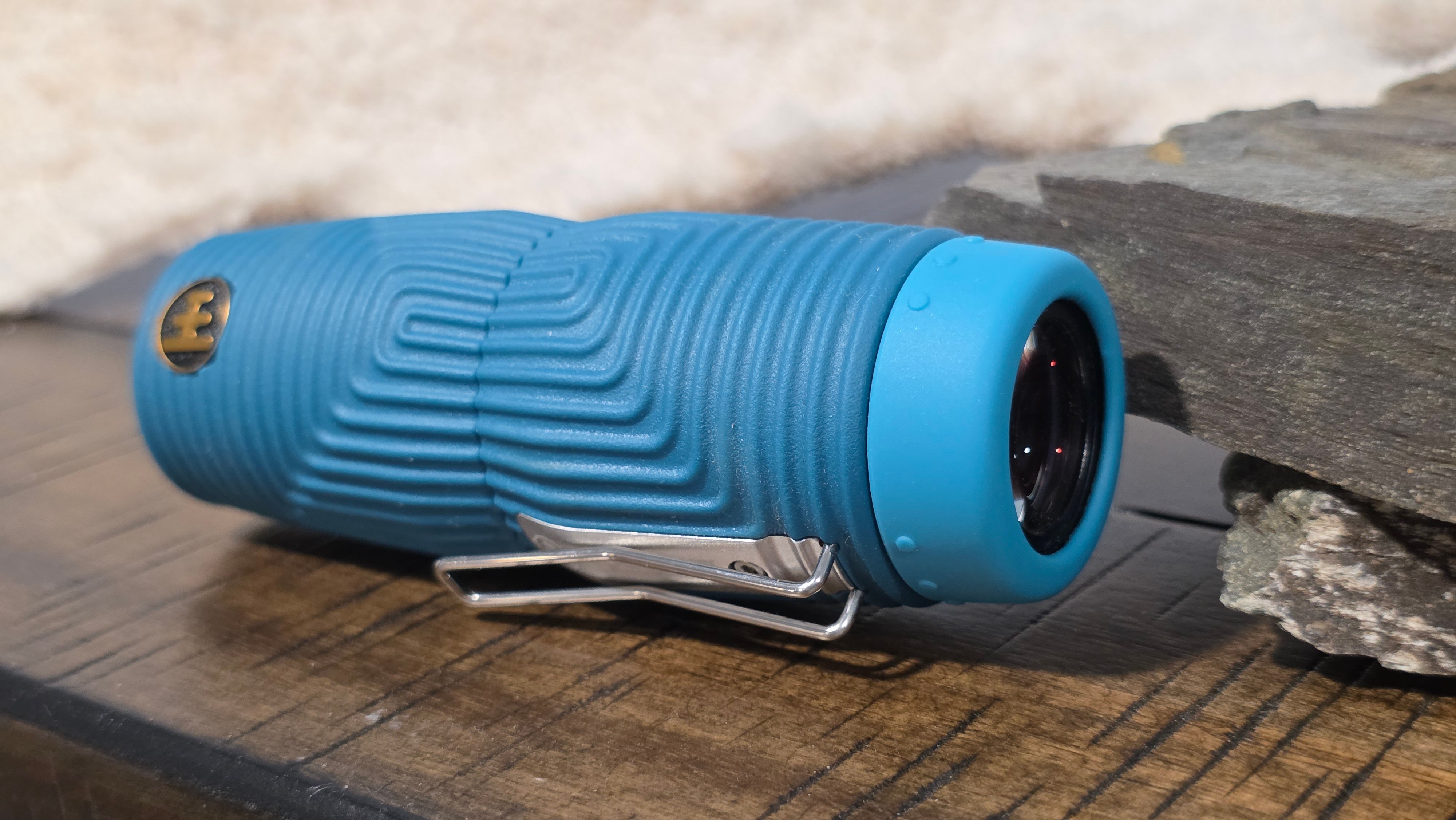
What ED Glass And Bak4 Prisms Mean For Guys Who Travel
Built To Survive Whatever You Dish Up
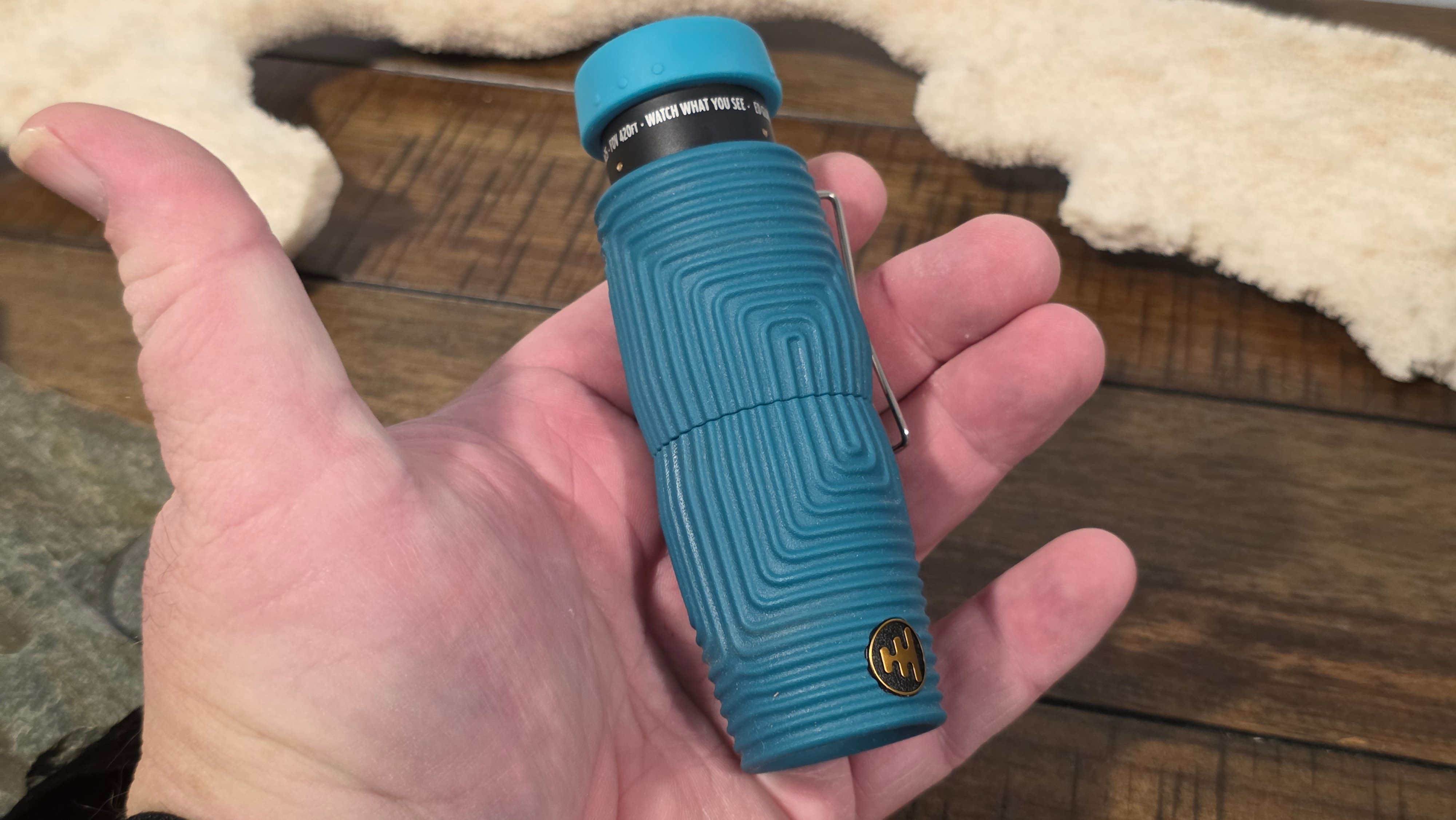
The Carry Clip Makes This Even More Of A Great EDC Scope
8x Or 10x - Which Zero Tube Fits Your Trips

Real-World Testing: Birds, Boats And A Gear Bag That Got Lighter
What A One-Eyed Optic Cannot Do
I Really Like This Nocs Zero Tube As a Fantastic EDC Scope For When I'm Packing Light