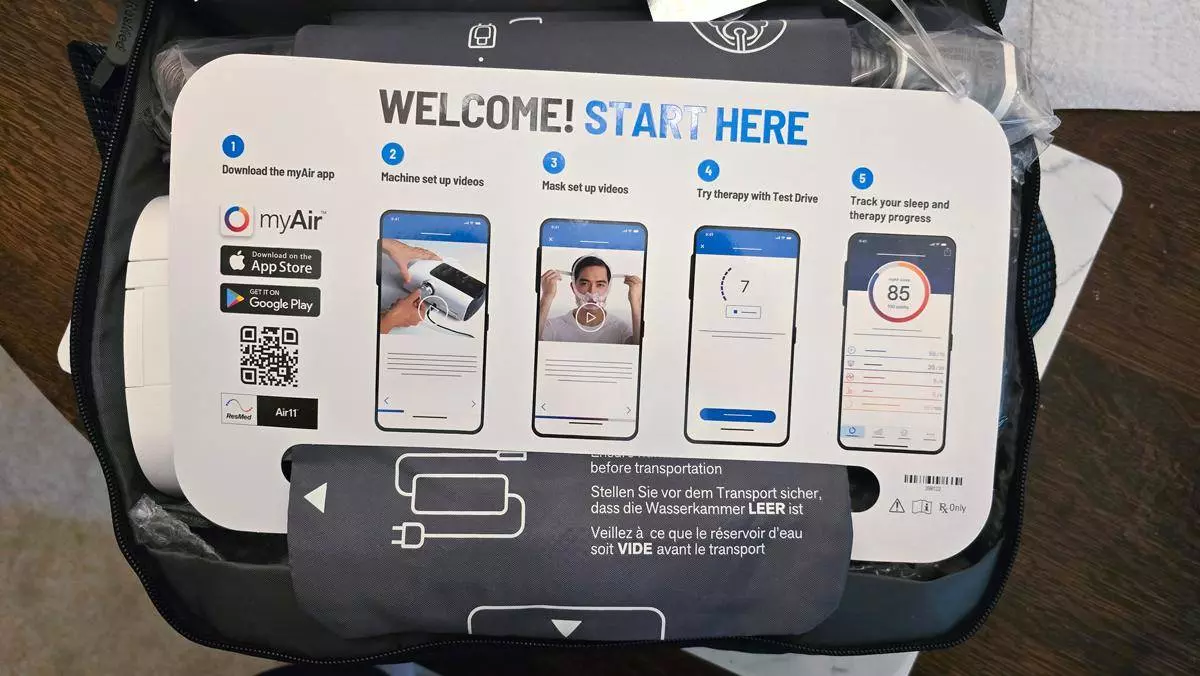
I've struggled with sleep apnea for many years - so long in fact that I didn't even realize I was suffering from it. I just assumed that headaches, needing an afternoon nap, and lack of ability to concentrate were part of having ADD or maybe my diet or maybe god only knows what else. It was all about excuses. Then about three months ago my wife forced me to try her mask for a couple nights. We were going through some very stressful days due to taking care of my Father-in-Law but that first night changed my life forever.
In fact, while I can only comment on my immediate lifestyle improvements, I suspect that what continues to follow will lead to a longer and healthier life. This is my story, but I've found that I'm not alone. If you have a wife, partner, roommate, or just a good friend who suggests you get a sleep study - do it - give it a shot and hopefully it helps you as much as it has helped me!
Do You Have Sleep Apnea?
The benefits aren't subtle, and they don't take months. Here's what treating sleep apnea actually changed for me, lined up with what the research shows.
- The brain fog lifts fast - most men feel sharper after a single night on the machine, not weeks in.
- Morning headaches you've written off as normal tend to disappear once the overnight oxygen drops stop.
- The blood-pressure surges that hit every time your breathing stalls overnight ease off, taking strain off your heart.
- Treating it is one of the few moves that measurably lowers your long-term heart-failure and stroke risk.
- Energy, mood, and focus tend to come back together - which is usually when work and home life start improving too.
This is a challenging subject because we as men don't like to feel weak. But what I've found since starting sleep therapy (I'm working with Lofta, though they aren't sponsoring this or providing product) is that a lot of my friends have OSA (obstructive sleep apnea) too, and several of them have had medical emergencies because it went undiagnosed for years. According to the National Council on Aging, roughly 30 million Americans have OSA, but only about 6 million have actually been diagnosed. Plenty of well-known people quietly rely on a machine, including former President Joe Biden.
That gap is the real problem. The American Academy of Sleep Medicine estimates that as many as 80% of people with OSA have no idea they have it.
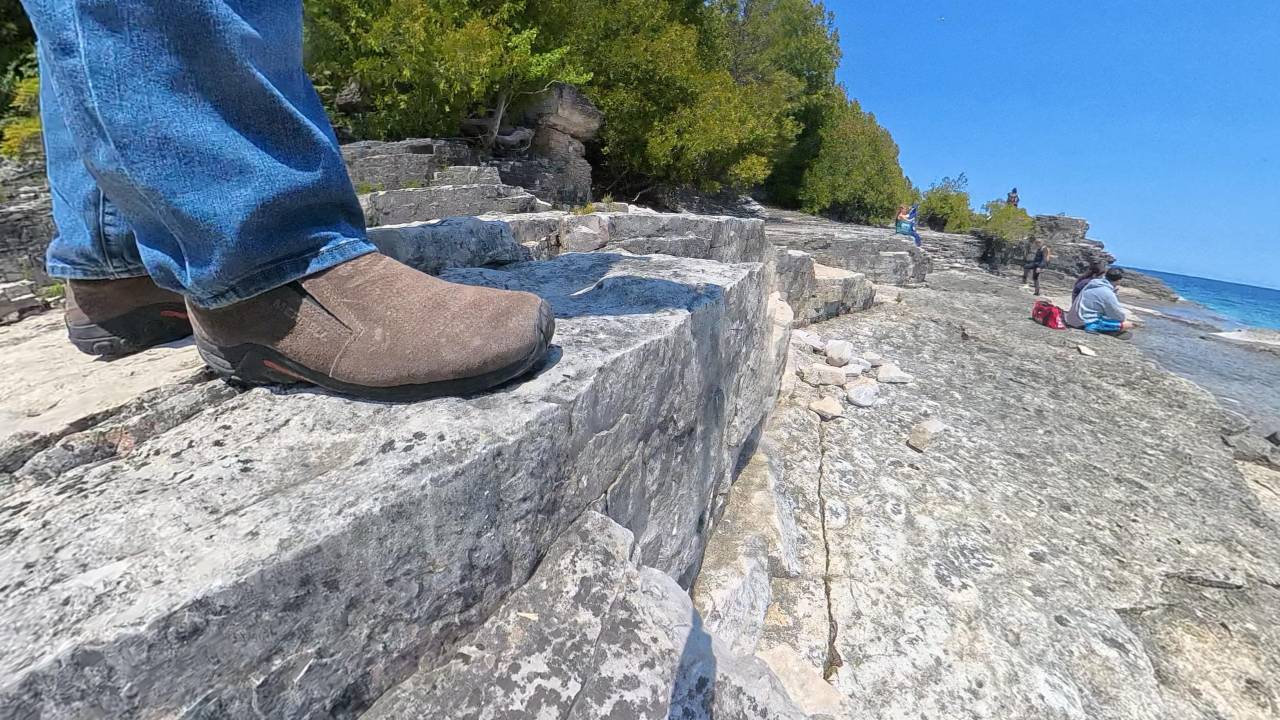
Merrell Jungle Moc Review: The Perfect All-Purpose Shoe For On and Off The Cruise Ship
Merrell Jungle Moc cruises: versatile slip-on comfort for Great Lakes exploration. Zodiac stability and dining elegance. Perfect for expedition cruising seeking style and performance.
Cruise Ship Wi-Fi Guide for First-Time Cruisers
First-time cruiser connectivity made simple: ship Wi-Fi versus cellular day passes, which cruise lines include internet, security considerations for banking, and practical strategies to match your usage without overspending.

6 Day Tour-The Best of Thailand and Vietnam
A 6-day guided tour of Bangkok, Hanoi and Halong Bay with hotels, transfers and local cuisine, ideal for travelers seeking two countries in one trip.

400 Years of Drinking in One Night: Boston's Most Historic Bars
Boston historic bars guys weekend: pub crawl through America's oldest taverns, from the Revolutionary War to JFK's booth. Warren Tavern, Union Oyster House, and bars older than the country itself.
Promoted by FlowAds

With men 2 to 3 times more likely than women to develop OSA, this is an issue that deserves more attention than it gets.
And we're not talking about a condition that's just "loud snoring." Sleep apnea can trigger or worsen a long list of the health problems most of us are already fighting as we get older - memory, alertness, depression, cardiovascular and heart disease. It can even affect fertility and sexual performance.
NOTE: there are two main types of assisted-breathing machines used to treat sleep apnea - CPAP (Continuous Positive Airway Pressure) and BiPAP (Bilevel Positive Airway Pressure). They work similarly, but CPAP is what most men use since it delivers a single steady air pressure and handles milder cases of OSA well. For simplicity, I'll refer to both as CPAP therapy throughout this article.
Man Gear Pick of the Month
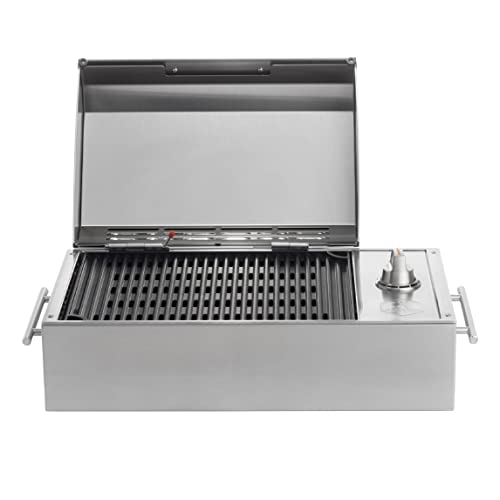
Kenyon City Grill Portable Stainless Steel Electric Grill
Why we picked it: a grill you can actually carry to the campsite, the tailgate or the cabin without borrowing a truck. Stainless, no propane tank to wrestle, and hot enough to cook for four guys rather than reheat for one.
 August's Pick LiberNovo Maxis Electric Big and Tall Ergonomic Office Chair, Graphite 52cm $1,393.00
  July's Pick Powerful Propane Torch Gun, Adjustable Flame Thrower Gun, Kitchen Torch with Detachable Design, Flamethrower Blow Torch for BBQ, Searing Steak, Welding, Camping Charcoal Lighter(Tank Not Included) $42.99
  June's Pick OYASUMI Funny BBQ Man Hot Dog Holders, 4 PCS Reusable Stainless Steel Sausage Stands, Portable Hot Dog Roasters, Barbecue Grill Accessories for Camping & Party Gifts $7.98
 Promoted by FlowAds

Enhanced Mental Alertness
The first thing I noticed on CPAP therapy was the daytime sleepiness disappearing. It went beyond alertness, though - the brain fog I'd lived with for years was mostly gone. You start to feel like part of the world again, engaged and present instead of half-checked-out. I joked with my therapist the other day that I'm far more productive on 5 hours with the machine than I ever was on 9 or 10 hours of "sleep" before.
Most men feel this after a single night of CPAP use. Your mind is sharper, your thoughts clearer. For me that was enough to get hooked - I can't imagine going back.
I won't sugarcoat it - the mask sucked at first. But it quickly became just another part of my normal sleep routine, and the benefits are worth it.
Alleviating Depression Symptoms
I don't deal with depression myself, but the overlap between the two conditions is striking - depending on the study, somewhere between a third and nearly half of people with depression also have sleep apnea. It makes sense when you think about it: if your brain isn't getting proper oxygen all night and your body can't regulate itself - brain fog, weight gain, hormone imbalances - low mood can follow right behind.
Improved Cardiovascular Health
The link between sleep deprivation and heart health is well established, and even one extra hour of quality sleep can measurably affect a man's cardiovascular risk. That's true no matter why you're short on sleep - overwork, too much caffeine, stress - but men with OSA are especially exposed. Even lying in bed for eight hours, someone like me was only getting 3 to 4 hours of real sleep, and my brain was starving for oxygen the whole time.
Reduced Heart Attack and Stroke Risk
The numbers are hard to ignore. Data from the Sleep Heart Health Study ties untreated OSA to roughly a 60% higher stroke risk, and the American Heart Association reports that people who sleep fewer than six hours a night carry about a 20% higher risk of heart attack than those getting six to nine. Apnea is what keeps you under that six-hour line even when you've technically been in bed for eight - so treating it pulls you out of the riskiest group on both counts.
Regulating Blood Pressure
Stress from a sleep disorder can drive up blood pressure on its own, but sleep apnea does it directly, overnight. Every time an apnea episode hits, your body reacts to not being able to breathe with rapid surges in both systolic and diastolic pressure. Those repeated spikes push your overall blood pressure higher and never let you fully relax.
Once you start CPAP therapy, the spikes drop dramatically and your overall blood pressure may come down with them.
It's worth being honest here: a lot of us with sleep apnea - me included - also carry metabolic issues that OSA makes worse, and obesity makes apnea worse in turn. Weight gain tends to drive blood pressure up too. But pair a healthier diet and exercise with a real sleep pattern, and you finally have a fighting chance to turn all of it around.
Lowering Risk Of Congestive Heart Failure
Sleep apnea raises the risk of congestive heart failure (CHF) by about 140%. The two often travel together - CHF causes weight gain from water retention, and both drag down your physical fitness. If this is on your radar, you'll likely notice a change at your next physical, and you'll have more energy for the exercise that helps manage the other risk factors.
Reduction in Daytime Headaches
Like I said up top, I used to wake up with headaches and then have them on and off all day for no obvious reason. I figured that was just normal. Within the first few days of starting therapy, they dropped off noticeably. Better oxygen flow eases the pain that nighttime breathing disruptions cause - strap on the machine before bed and you cut off the oxygen deprivation that's often the root of those headaches.
Sleep Deprivation and Your Body's Chemistry
This is where it gets a little muddy, because the cause and effect run both ways - sleep apnea drives chemical imbalances in the body, and conditions like diabetes can, in turn, make the apnea worse.
Blood Sugar and Diabetes
Sleep apnea hurts how your body produces insulin and responds to glucose, so treating it can start to improve your A1C and lower your risk of developing diabetes - or pull you back below the diagnosis line. Regular CPAP use helps reduce insulin resistance, which is central to managing diabetes. And because better sleep means more energy and focus, the exercise that also moves those numbers becomes much easier to actually do.
Male Fertility and Sexual Performance
The same goes for reproductive health. Many men report higher testosterone and improved sperm quality after starting CPAP, and the correlation between obstructive sleep apnea and low testosterone in obese men is well documented.
The causation hasn't been confirmed, to be clear but look at various online forums and discussions on Reddit and it's clear there's a correlation between better sleep and sexual performance in men.
I can tell you that with more restful sleep, a better mood, more exercise, and sharper focus, sexual performance follows right along with the rest. Men dealing with erectile dysfunction and low libido report improvements after starting CPAP therapy too.
Sleep Apnea Is Bigger Than Snoring
I can't say this strongly enough. If snoring, headaches, or daytime exhaustion are bad enough that someone close to you makes a comment, listen to them and get yourself checked.
The process today is far easier than it used to be. A few years ago getting diagnosed meant an invasive overnight study in a lab, wired up to electrodes and monitors. Now you can do an at-home test - Lofta's runs around $189, versus $1,000 or more for an in-lab study.
Here's the part that still bugs me: my insurance didn't cover a dime of the at-home test, so I paid out of pocket. That's a real gap in the American healthcare system - but I'll take a couple hundred bucks any day over dying at 45 from a heart attack or grinding through life with constant headaches and exhaustion.
Within a week of ordering my test from Lofta, I'd done the at-home study, talked with a doctor over video chat, and had my machine shipped to me. Since then my productivity and mood are both up, and I genuinely feel healthier.
I'll get into the process itself in a future article, but if this nudges even one of you guys into making a life-saving change, that makes me happy.

Promoted by FlowAds
