Choosing between a revolver and a semi-automatic pistol for home defense comes down to one question: which platform will you actually train with and use effectively under pressure? Both are proven tools with real advantages - the right answer depends on your experience level, household situation, and willingness to train.
What Do You Call Your "Guys Trips"?
- Semi-automatic pistols offer significantly higher round capacity (typically 15-17 rounds vs. 5-6 for a revolver), which matters more than most people realize when stress and adrenaline affect shot accuracy.
- Revolvers have a meaningful operational advantage for less-experienced shooters - there are no external safeties, no slide to rack, and no magazine to seat correctly under pressure.
- Recoil management is primarily a caliber question, not a platform question - a .357 Magnum revolver kicks considerably harder than a 9mm semi-automatic, regardless of action type.
- Modern 9mm defensive hollow points have closed the stopping power gap considerably, making the semi-automatic's capacity advantage even more significant than it was 20 years ago.
- The best home defense handgun is the one everyone in your household can operate correctly - which makes a range visit with your partner a more useful purchase decision than any spec comparison.
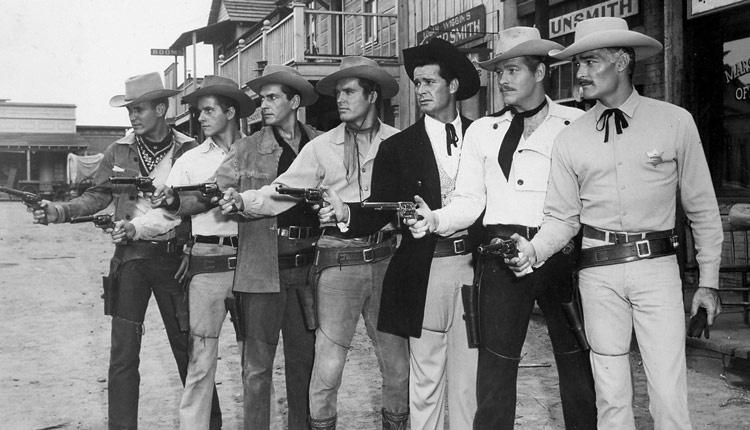
If you've spent any time around guys who take home defense seriously, you've heard this debate play out at the range, at the gun counter, and over drinks after a shooting session. The Colt 45 revolver defined personal defense for most of the 20th century - reliable, simple, and nearly foolproof. But as semi-automatic engineering improved dramatically through the 1980s and 90s, the conversation shifted. Today, the question isn't whether semi-automatics are competitive with revolvers - they clearly are - but whether revolvers still have a legitimate place in a home defense setup.
The answer is yes, depending on who's using it.
Semi-Automatics vs. Revolvers
When discussing handguns for home defense, it helps to start with what actually separates these platforms mechanically. All semi-automatic pistols are handguns, but revolvers represent a distinct category defined by their rotating cylinder design. The way each platform feeds ammunition - a semi-automatic's integrated chamber versus a revolver's separate cylinder - drives nearly every practical difference between them.

How to Finance Your Guys Cruise Trip Without Breaking the Bank
Discover smart ways to finance your next guys cruise trip without breaking the bank. From sinking funds to payment plans with Uplift and Virgin Voyages, learn how to maximize your budget for epic adve

Glaciers, Salmon, Bears and More on an Alaska Cruise
An Alaska cruise is a bucket-list experience for many people. Here's what to expect.

Vietnam Package Tours - Hanoi Green Travel
We serve small groups to ensure service quality requirements - We use a model bus for you to feel comfortable - Enthusiastic and experienced guide

How to Plan a Vegas Bachelor Party (and not piss off the bride)
Tips and advice on how to plan the perfect Las Vegas Bachelor Party, without pissing off the bride to be.
Promoted by FlowAds

Early semi-automatic pistols had a well-earned reputation for unreliability. They jammed, they required more maintenance, and they demanded more from the shooter. That reputation kept revolvers dominant for decades. Modern semi-automatics are a different story entirely - today's pistols from reputable manufacturers are among the most reliable mechanical devices you can buy. The engineering has caught up, and then some.
That said, mechanical reliability and operational simplicity aren't the same thing. A revolver remains mechanically simpler to operate, which matters enormously in a home defense context where training levels vary across households.
Which Is Better To Use For Home Defense?
The honest answer is that the best home defense handgun is the one you'll actually train with regularly - and the one your partner or anyone else in your home can operate correctly under stress. Before any purchase decision, anyone who might need to use this firearm should visit a range, ideally with an instructor. A well-maintained revolver in confident hands beats a high-capacity semi-automatic that hasn't been touched since it went into the nightstand.
Man Gear Pick of the Month
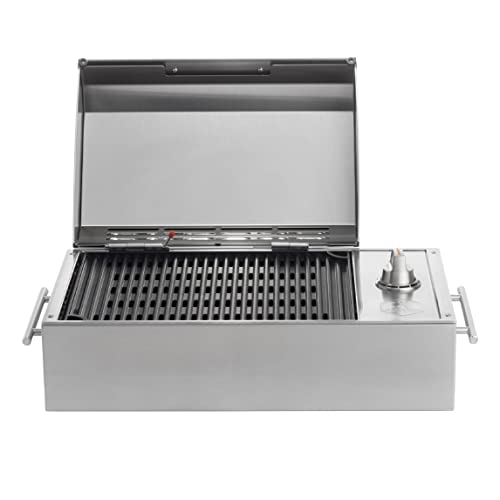
Kenyon City Grill Portable Stainless Steel Electric Grill
Why we picked it: a grill you can actually carry to the campsite, the tailgate or the cabin without borrowing a truck. Stainless, no propane tank to wrestle, and hot enough to cook for four guys rather than reheat for one.
 August's Pick LiberNovo Maxis Electric Big and Tall Ergonomic Office Chair, Graphite 52cm $1,466.00
  July's Pick Powerful Propane Torch Gun, Adjustable Flame Thrower Gun, Kitchen Torch with Detachable Design, Flamethrower Blow Torch for BBQ, Searing Steak, Welding, Camping Charcoal Lighter(Tank Not Included) $41.99
  June's Pick OYASUMI Funny BBQ Man Hot Dog Holders, 4 PCS Reusable Stainless Steel Sausage Stands, Portable Hot Dog Roasters, Barbecue Grill Accessories for Camping & Party Gifts $14.98
 Promoted by FlowAds

That said, platform differences are real and worth understanding before you make a decision.
Performance Under Stress
Under high stress, fine motor skills degrade - that's not opinion, it's documented in defensive shooting research. This is where the platforms diverge most significantly. Semi-automatic pistols stored with a chambered round require you to disengage a safety (on models equipped with one) and maintain proper grip technique to cycle reliably. Revolvers offer point-and-pull operation with no external safeties and no slide manipulation required. Pull the trigger and it fires.
For shooters who train consistently, the semi-automatic's additional steps become automatic. For less experienced shooters - or a partner who doesn't get to the range as often - the revolver's simplicity is a genuine operational advantage when seconds matter.
Storage and Ready Access
Safe storage is non-negotiable, particularly in homes with guests, family members, or anyone unfamiliar with firearms. Semi-automatics are commonly stored with an empty chamber as an added safety measure - an extra step under pressure. Revolvers can be stored fully loaded with significantly less concern due to their heavier trigger pull and internal safety design, making them ready to use without any manipulation.
If you're setting up a home defense plan that works for everyone in your household, selecting the right gun for home defense involves thinking through storage access before you settle on a platform - especially if your partner or a family member will ever need to use it independently.
Training Requirements and Learning Curve
Semi-automatics demand more range time to master - malfunction clearing, magazine changes, safety management, and consistent grip technique all require repetition to become reliable under stress. That's not a knock on the platform; it's the tradeoff for higher capacity and faster follow-up shots.
Revolvers have a simpler manual of arms, but don't mistake simple for easy. Double-action trigger pulls on most defensive revolvers run 10-12 pounds, considerably heavier than a semi-automatic. Without regular practice, that trigger pull will compromise accuracy. Most guys don't shoot nearly as often as they should - weekend range sessions with buddies aside - which is an argument for whichever platform you'll realistically keep sharp with.
Ammunition and Stopping Power
This is where the conversation has changed most dramatically over the past two decades. Revolvers traditionally held a stopping power edge through larger calibers - the .357 Magnum in particular delivers excellent terminal performance in a relatively compact package. Semi-automatics chambered in less powerful rounds like 9mm have closed that gap substantially through advances in hollow point ammunition design.
It's worth clarifying a common misconception here: recoil is primarily determined by cartridge power, not action type. A .357 Magnum revolver kicks considerably harder than a 9mm semi-automatic. The semi-automatic's slide cycling absorbs some felt recoil, but the bigger variable is always the cartridge - not the platform.
Practical Considerations and Limitations
A few real-world factors that don't always make it into spec comparisons: magazine capacity restrictions exist in several states, which can partially negate the semi-automatic's round count advantage. Speed loaders make revolver reloads faster than most people expect, though they're still slower than a magazine change in practiced hands. Parts availability and qualified gunsmiths vary by region - worth researching your local options before committing to either platform, since service access matters more than most buyers anticipate when something eventually needs attention, but you can find accessories like optics, mag pouches and drop leg pistol holsters for sale online.
Neither Gun Defends Your Home - You Do
Revolvers remain a legitimate home defense option - particularly for shooters who prioritize simplicity, households where multiple people need to operate the same firearm, or anyone who won't be putting in consistent range time. Semi-automatics offer real advantages in capacity and follow-up shot speed that experienced, well-trained shooters can leverage effectively.
What the spec debate doesn't capture is this: a defensive firearm that sits in a drawer without regular training is a liability regardless of platform. Whichever direction you go, build a training habit around it - and bring anyone else in your household who might need to use it along for that first range session.

Promoted by FlowAds
