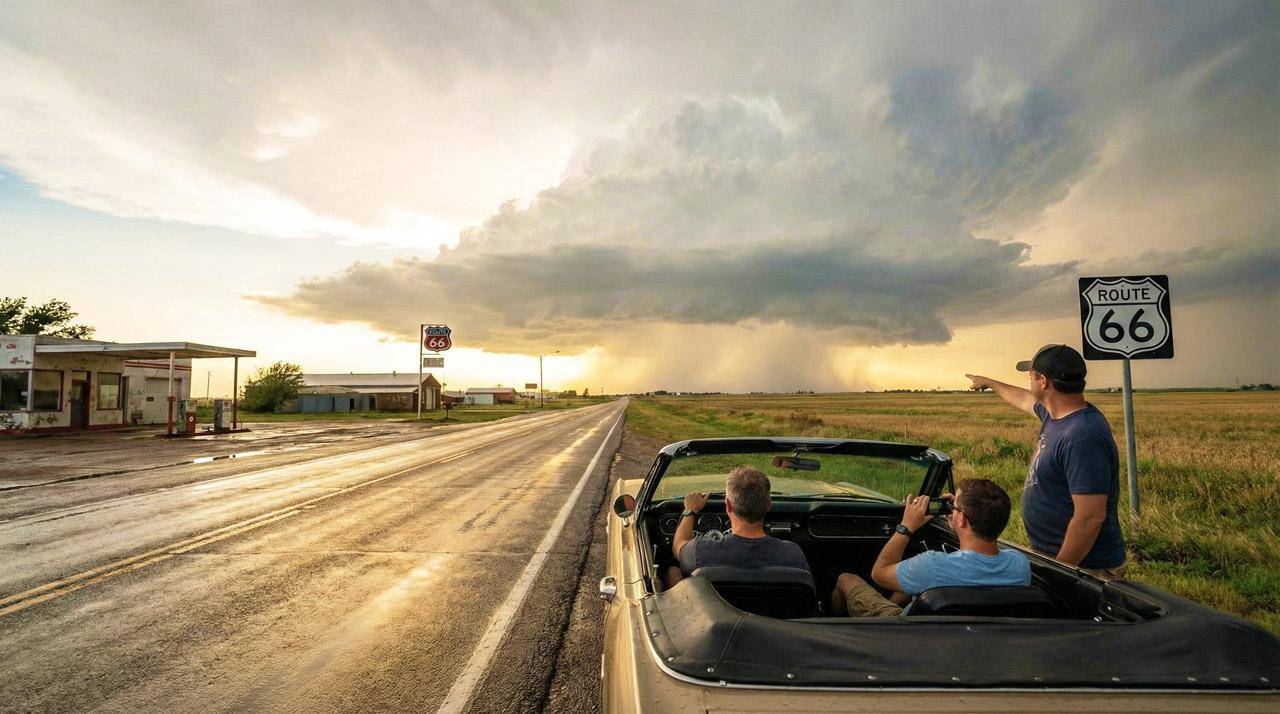
Weather kills more road trips than mechanical failures and bad directions combined. The difference between an epic drive through Colorado and a white-knuckle nightmare often comes down to timing and preparation - things you can actually control if you stop relying solely on the 10-day forecast.
What Do You Call Your "Guys Trips"?
- Weather forecasts lose significant accuracy beyond 7 days, meaning bookings made weeks in advance are essentially weather-blind decisions.
- Historical weather data reveals patterns that repeat year after year - monsoon seasons, fog corridors, and heat waves cluster predictably.
- Road conditions in mountain passes and desert stretches depend more on seasonal norms than daily forecasts.
- Group trips with fixed dates benefit most from pattern analysis since changing plans affects multiple schedules and budgets.
- The cost difference between peak and shoulder seasons often comes down to weather windows that historical data can identify.
Forecasts are useful for packing decisions the week before departure. But route selection, timing, and destination choices made months earlier need something forecasts can't provide - a sense of what weather typically does during your travel window. You should also always have the right gear in your car incase you encounter the unexpected.
Check Historical Patterns Before Locking In Dates
The forecast you check two weeks out will change. That's not a criticism of meteorology - it's just how atmospheric science works. What doesn't change much is how a region behaves during a given week across multiple years.
If you're planning a Southwest road trip for late July, historical records will show you that monsoon season brings afternoon thunderstorms to Arizona and New Mexico with remarkable consistency. A September trip through New England will reveal that the second half of the month historically offers better foliage and fewer rain days than early October in many areas.
Many modern trip planning tools now pull from an API for historical weather data to analyze decades of daily observations. This kind of analysis identifies not just averages but patterns - how often temperatures exceed comfortable driving thresholds, when fog tends to settle in coastal areas, and which weeks see the most stable conditions.
For Texas guys trips or California coastal drives, this historical perspective often reveals that the "best" month according to tourism websites isn't actually the most reliable weather window.
Build Flexibility Into Your Route
Rigid itineraries and weather don't mix well. The road trip that insists on hitting specific destinations on specific days is the one most likely to get derailed when conditions shift.
The better approach builds in decision points. Plan a primary route with one or two alternates that can be activated based on conditions. If your route through the Rockies looks dicey, having a southern alternate already mapped saves the scramble of figuring it out in a gas station parking lot.
This matters especially for trips with the guys where you've got multiple vehicles or a tight timeline. One weather delay cascades through the whole schedule. An alternate route that adds two hours beats sitting out a day waiting for a pass to clear.
Use Multiple Weather Sources During the Trip
Once you're on the road, diversify your weather intelligence. The app on your phone is a starting point, not the complete picture.
Local NOAA forecasts often carry more detail for specific regions than national apps. Road-specific resources like state DOT websites provide pass conditions and closures that weather apps miss entirely. For mountain driving, webcams at key points show actual conditions - snow on the road, visibility, traffic flow.
During a recent drive through the Pacific Northwest, conditions the weather app called "partly cloudy" meant dense fog in the valleys until mid-morning. Local knowledge and DOT cameras revealed that pattern before it became a problem.
Time Your Drives Around Daily Weather Cycles
The weather doesn't stay constant throughout the day, and smart timing can help you avoid the worst of it.
Desert driving is better done early morning or evening when temperatures drop 20-30 degrees from midday peaks. Mountain passes in summer often see afternoon thunderstorms build, making morning crossings more reliable. Coastal fog typically burns off by late morning - starting too early means hours of reduced visibility.
These patterns hold true across most of the western states. The guy who insists on pushing through Death Valley at 2 PM in August is going to have a worse time than someone who planned that stretch for dawn.
Know When Weather Requires a Full Stop
Sometimes the smart move is not moving at all. This isn't about being overly cautious - it's about recognizing when conditions cross from challenging to genuinely dangerous.
Flash flood warnings in canyon country mean stay put. Sustained winds over 40 mph make high-profile vehicles difficult to control. Ice on mountain roads at night is a different animal than the same road at midday. These aren't situations where "pushing through" demonstrates anything except poor judgment.
The trip where you waited out a storm in a decent hotel and hit the road the next morning under clear skies is the one you'll remember fondly. The one where you white-knuckled through conditions you shouldn't have been driving in becomes a cautionary tale.
Understanding seasonal climate patterns helps set realistic expectations for what you might encounter, but real-time judgment still matters when conditions deteriorate.
Putting It All Together
Weather-smart planning isn't complicated, but it does require thinking beyond the forecast. Whether you're coordinating schedules for a weekend with the guys or planning a solo trip with more flexibility, upfront research pays off with smoother driving.
The road trip that goes smoothly rarely happens by accident. It happens because someone checked historical patterns before booking, built alternate routes into the plan, and understood that a forecast is a starting point rather than a guarantee. The best trips aren't the ones where nothing went wrong - they're the ones where potential problems got handled before they became actual problems.