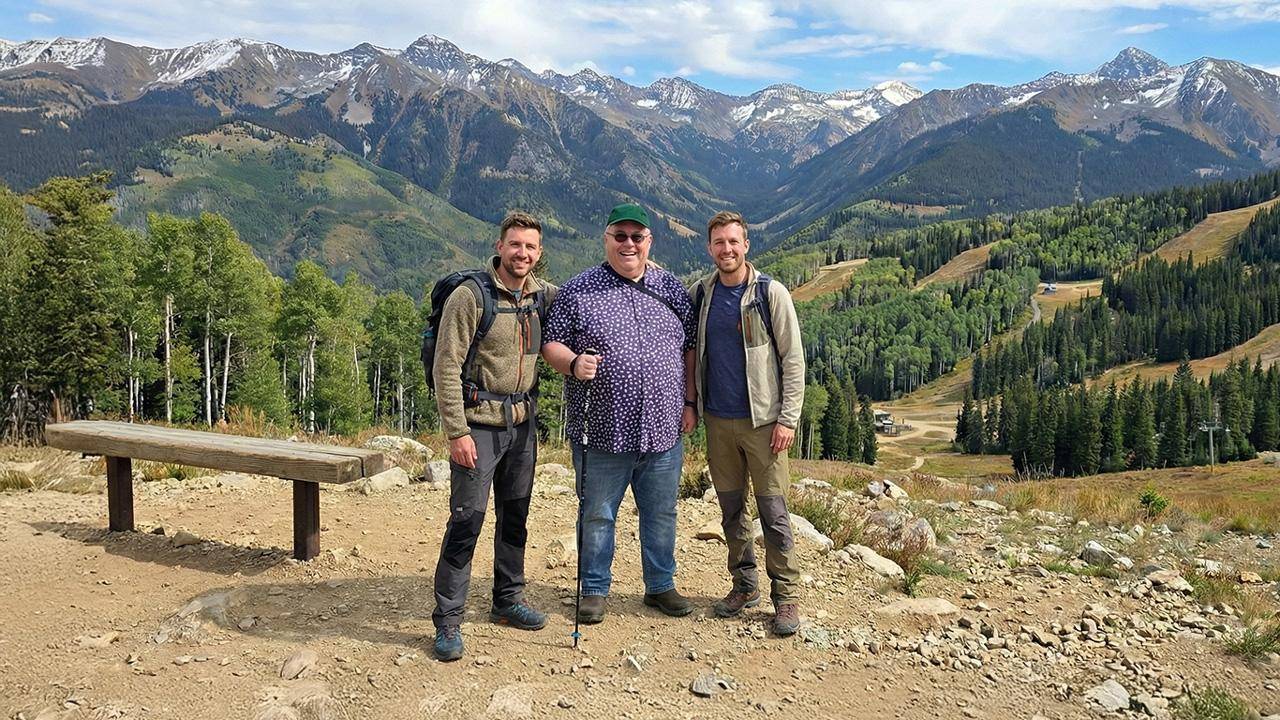
From Colorado's 14,000-foot peaks to Napa Valley's e-bike tours and Caribbean cruise excursions, adventure travel pushes boundaries worth pushing. But the difference between an epic trip and a cautionary tale often comes down to preparation. Smart travelers know that understanding risks before departure transforms potential disasters into manageable challenges.
What Do You Call Your "Guys Trips"?
- Altitude, weather, and terrain challenges - vary dramatically across US adventure destinations
- Activity-specific risks - from e-bikes to ATVs require understanding before you ride
- Food and water safety abroad - cruise excursions and international travel demand extra precautions
- Remote location realities - cell service disappears faster than you'd expect in America's wilderness
- Insurance gaps - adventure activities often fall outside standard coverage
- Seven Risks That Can Derail Your Adventure Trip
- Altitude Sickness Can Flatten Your Colorado Guys Trip
- E-Bike Tours Create Unexpected Hazards in Wine Country
- Water Activities Demand Respect in Coastal Destinations
- Food and Water Safety Varies Dramatically Abroad
- Desert Weather Shifts Catch Arizona Adventurers Off Guard
- Remote Locations Mean No Cell Service in Utah's Parks
- Adventure Sport Injuries Often Fall Outside Standard Coverage
- Smart Preparation Separates Epic Adventures from Emergency Room Visits
Adventure travel has exploded in popularity, but so have the incidents that derail trips. Electric bike rentals alone have created an entirely new category of vacation injuries, with e-bike accident risks climbing as more destinations add them to tour offerings. The scenarios below illustrate specific challenges in specific destinations, but the underlying lessons apply wherever your next adventure takes you. Whether you're planning a Colorado ski mancation, a Caribbean cruise with shore excursions, or any guys trip that pushes beyond the ordinary, these seven challenges demand advance planning.
Seven Risks That Can Derail Your Adventure Trip
Every destination presents its own challenges, and the smart traveler learns to recognize patterns that apply far beyond these specific examples.
Altitude Sickness Can Flatten Your Colorado Guys Trip
Denver sits at 5,280 feet, but popular ski destinations like Breckenridge and Vail exceed 9,000 feet at base - with peaks reaching well over 12,000. Here's what surprises most travelers: according to research published in Medicine & Science in Sports & Exercise, endurance-trained athletes actually showed higher rates of acute mountain sickness than untrained individuals during rapid ascent - 42% versus 11%. Fitness doesn't protect you; it may even encourage the kind of overexertion that worsens symptoms. Arrive in Denver 24-48 hours before heading to higher elevations, hydrate aggressively, skip alcohol the first day, and consider asking your doctor about acetazolamide (Diamox) for trips above 8,000 feet.
E-Bike Tours Create Unexpected Hazards in Wine Country
Napa Valley's rolling hills and scenic routes make it a premier destination for California guys trips, and e-bike rentals have become the transportation of choice. The convenience masks real danger: according to Columbia University research, e-bike injury rates jumped 293% between 2019 and 2022, with head trauma incidents increasing 49-fold over five years. Combining electric-assisted speeds of 20+ mph with wine tasting and unfamiliar equipment multiplies that risk. Many riders underestimate how quickly these bikes accelerate and how much stopping distance they require. Book morning tours before tasting begins, wear helmets regardless of local laws, and request a thorough orientation on the specific e-bike model - brake systems and power settings vary significantly between manufacturers.
Water Activities Demand Respect in Coastal Destinations
Florida Keys snorkeling trips and San Diego surf lessons top many adventure itineraries, but water activities account for a disproportionate share of vacation emergencies. Rip currents, equipment malfunctions, and overestimated swimming abilities create dangerous situations quickly. Book with operators who conduct safety briefings and provide quality equipment - not the cheapest beach rental stand. For any activity beyond casual swimming, verify the outfitter's certification and insurance before handing over your credit card.
Food and Water Safety Varies Dramatically Abroad
That Caribbean cruise promises adventure, but shore excursions in destinations like the Dominican Republic, Mexico, and Jamaica expose travelers to sanitation standards far different from home. Contaminated water - including ice in drinks - and improperly handled food cause countless trip disruptions. Local restaurants near cruise ports specifically catering to tourists aren't necessarily safer than street vendors.
Stick to bottled water and skip ice in drinks throughout your shore excursion. Choose restaurants where you can see food being cooked to order, avoid raw vegetables washed in local water, and pack Imodium and electrolyte packets in your daypack. Ship-sponsored excursions in destinations with known water quality issues are vetted more carefully than independent operators and worth the premium.
Desert Weather Shifts Catch Arizona Adventurers Off Guard
Sedona's red rock trails and Scottsdale's desert adventures attract guys trips year-round, but the desert environment is unforgiving. Temperatures can swing 40 degrees between afternoon and evening, and summer monsoons arrive with little warning. Dehydration and heat exhaustion set in faster than most visitors expect. Carry twice the water you think you'll need - minimum one liter per hour for strenuous activity. Start hikes at dawn during summer months and always inform someone of your planned route and expected return time.
Remote Locations Mean No Cell Service in Utah's Parks
Utah's Mighty Five national parks offer some of America's most spectacular landscapes, but Zion, Bryce, Arches, Canyonlands, and Capitol Reef share a common challenge: limited to nonexistent cell coverage. A twisted ankle on a backcountry trail becomes a serious emergency when you can't call for help. Rent a satellite communicator like a Garmin inReach or ZOLEO device - they're available at outdoor retailers in gateway towns like Moab and Springdale. The $15-30 daily rental fee is cheap insurance when your group is miles from the nearest road.
Adventure Sport Injuries Often Fall Outside Standard Coverage
Moab's world-famous ATV trails and slot canyon adventures draw thousands of guys trips annually, but standard travel insurance typically excludes "high-risk activities." That means your policy might cover a sprained ankle at the hotel but deny claims from the same injury sustained on a rented side-by-side. Review your policy's exclusions before departure and purchase adventure-specific coverage if needed. Companies like World Nomads and IMG Global specialize in policies covering activities from off-roading to rock climbing. Verify coverage limits match potential medical evacuation costs - according to industry data, the average air ambulance flight in the US runs around $50,000, and bills exceeding $80,000 aren't unusual for remote extractions.
Smart Preparation Separates Epic Adventures from Emergency Room Visits
Risk is inherent to adventure - that's partly why we seek it. But the travelers who return with the best stories are usually those who prepared for the worst while pursuing the extraordinary. A few hours of planning, the right insurance coverage, and appropriate gear transform manageable challenges into minor inconveniences rather than trip-ending disasters. The goal isn't eliminating risk from your guys trip - it's ensuring that when something unexpected happens, you're equipped to handle it and get back to the adventure.