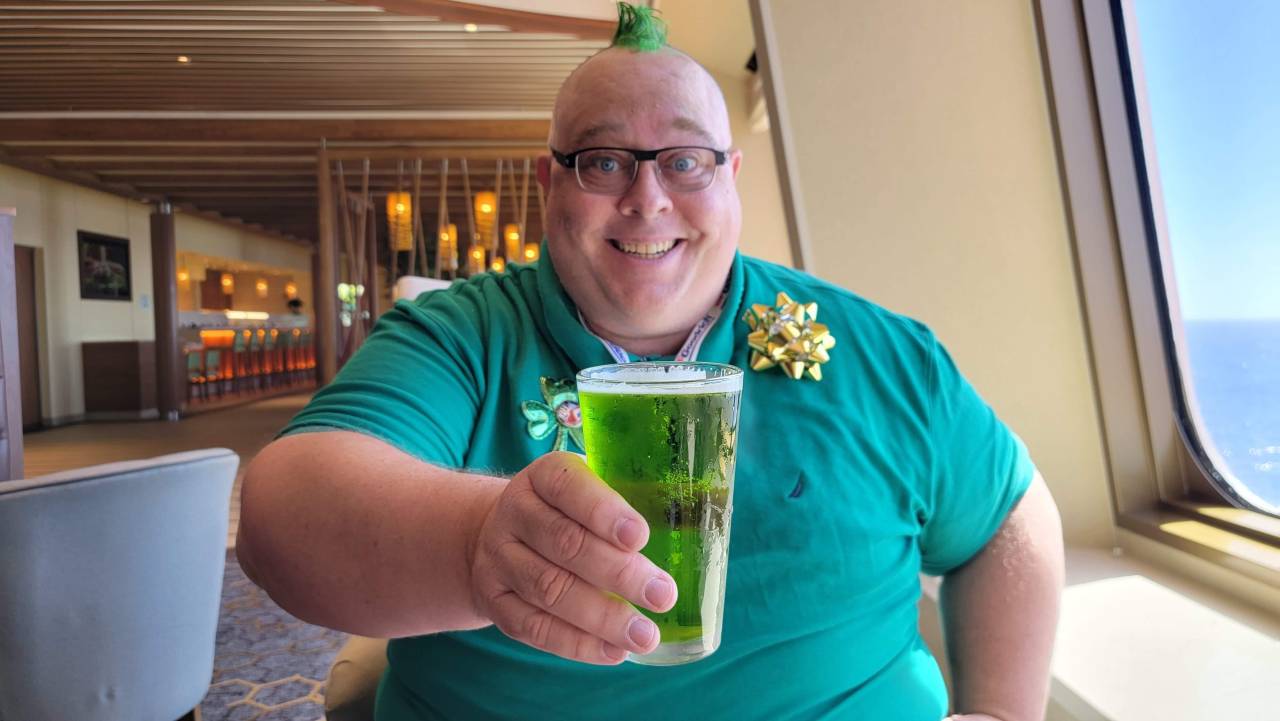
I've shot food and cocktail photos on cruises with everything from a 10-year-old Canon to the latest Samsung Galaxy Ultra, and here's the honest truth: some of those old Canon shots I can still blow up and hang on a wall. My most recent Galaxy Ultra photos? Great for Facebook, rough the moment I try to do anything serious with them. The gap between convenience and quality is real - but it's closeable with a few adjustments most guys never bother to make.
What Do You Call Your "Guys Trips"?
- The biggest enemy of cruise food photos isn't your camera - it's where you're sitting, and fixing that costs nothing.
- Shooting at the outdoor bar or grabbing a window seat in the main dining room makes a bigger difference than any filter or setting.
- Most guys shoot from standing height - dropping to table level makes the plate the subject instead of the background noise.
- Modern flagship phones handle dark cruise bars better than ever, but they hit a wall the moment you try to edit or print larger than a phone screen.
- A compact camera with RAW files gives you flexibility that matters when you want to do something with the shot later.
Before the Food Hits the Table, Get Yourself in the Shot
The most common thing I see guys miss on a cruise: they come home with 200 photos of food and cocktails and almost nothing with themselves in the frame. Nobody will care about your ceviche shot in five years. They'll care that you were there.
This is where a compact tripod and a remote shutter earn their place in the bag. Set up the shot, step into it, and let the camera do the rest. Some newer cameras and phones also support a remote viewscreen - meaning you can see exactly what the camera sees from wherever you're standing, which makes solo or small-group shots a lot less awkward.
The food photos are fun to practice and worth getting right. But don't let them crowd out the ones that actually matter.
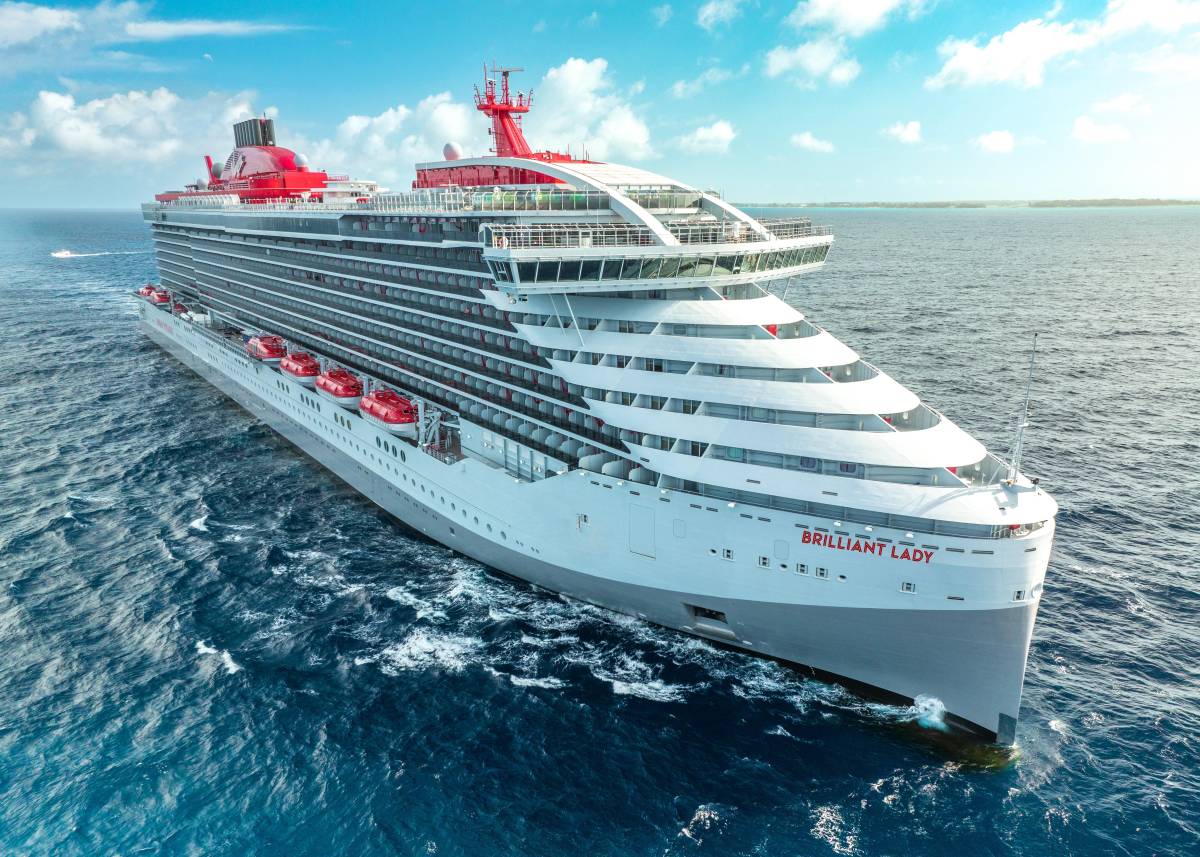
Explore Alaska with Virgin Voyages: Adventure Awaits on the 2026 Alaskan Itineraries
Virgin Voyages brings adults-only style to Alaska in summer 2026 with adventure-focused itineraries aboard Brilliant Lady.
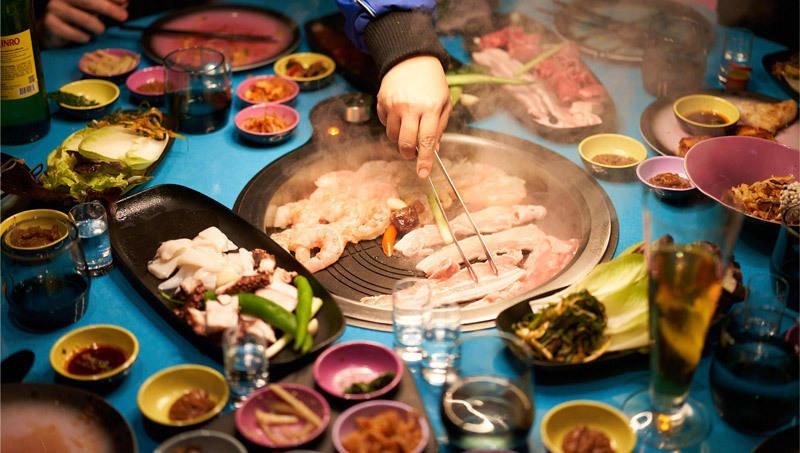
Book A Virgin Voyages Cruise
Discover the ultimate cruise experience with Virgin Voyages, where every detail is designed for your enjoyment. Enjoy unique itineraries, luxurious accommodations, and exceptional dining options.

GigSky Cruise+ Data-Only eSim
Explore the beautiful regions of the Americas and the Caribbean with our special eSIM data plans designed for cruise travelers.
Promoted by FlowAds

Work the Light Before You Touch Any Setting
The main dining room window table, the outdoor grill on the pool deck, the café right off the atrium with afternoon sun coming through at 3pm - these spots exist on every ship. Natural light is the single biggest variable in food photography, more than your camera, more than your settings.
I started deliberately choosing where to sit based on light instead of habit, and the improvement was immediate. An outdoor taco at the Lido deck looks completely different from the same shot in a dark specialty restaurant corner.
The exception: modern flagship phones have genuinely closed the gap in low-light situations. When you're at the ship's cocktail bar at 10pm and the lighting is moody, your Samsung Galaxy S24 Ultra or iPhone 16 Pro will handle it better than you'd expect. Just don't plan on printing it large or doing heavy editing later.
Man Gear Pick of the Month
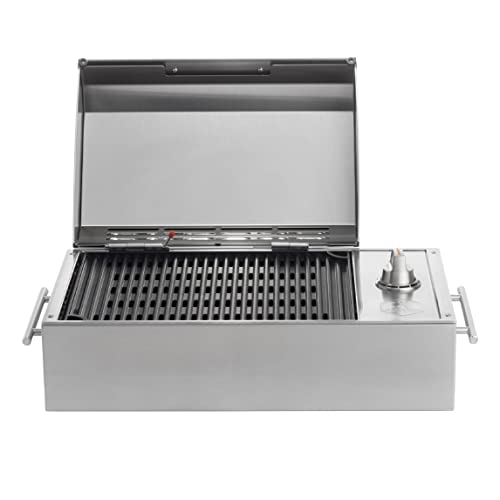
Kenyon City Grill Portable Stainless Steel Electric Grill
Why we picked it: a grill you can actually carry to the campsite, the tailgate or the cabin without borrowing a truck. Stainless, no propane tank to wrestle, and hot enough to cook for four guys rather than reheat for one.
 August's Pick LiberNovo Maxis Electric Big and Tall Ergonomic Office Chair, Graphite 52cm $1,393.00
  July's Pick Powerful Propane Torch Gun, Adjustable Flame Thrower Gun, Kitchen Torch with Detachable Design, Flamethrower Blow Torch for BBQ, Searing Steak, Welding, Camping Charcoal Lighter(Tank Not Included) $42.99
  June's Pick OYASUMI Funny BBQ Man Hot Dog Holders, 4 PCS Reusable Stainless Steel Sausage Stands, Portable Hot Dog Roasters, Barbecue Grill Accessories for Camping & Party Gifts $7.98
 Promoted by FlowAds

Table Height, 45 Degrees, or Overhead
Most food photos fail because of positioning, not equipment. Standing over the table and shooting straight down flattens everything and removes any sense of depth.
Two adjustments that work on any camera or phone: shoot from just above table height at a 45-degree angle, or go full overhead for flat-lay shots that work well with composed plates. For cocktails, shooting from table level shows the liquid, the ice, the condensation on the glass - the stuff that makes it look cold and worth drinking.
If you're on an Alaska cruise and there's a dramatic backdrop outside the window, pull back and let it earn its place. If you're in a tight dining room, get close and fill the frame with the food.
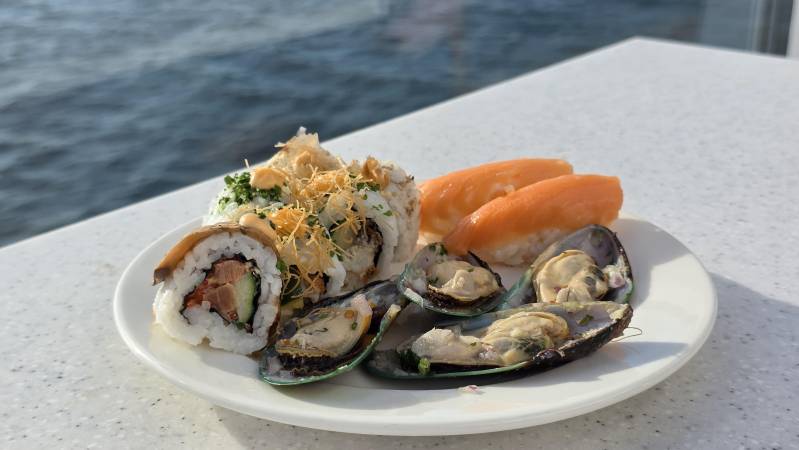
Use the Ship as a Low-Stakes Practice Lab
Here's something I've leaned on for years with cruises: I'll try things I'd never try at a restaurant I'm paying for. On the ship, spending four minutes rearranging a plate and shooting from six angles costs nothing. The food is already covered.
That mindset is genuinely useful. Practice on the buffet lunch before you're at the chef's table dinner with a group of friends and want one good shot of the tasting menu. Figure out what your phone does well - and where it falls apart - before the moment you actually care about.
A cruise is also one of the better places to do this with a buddy or two. You're not annoying anyone at a busy restaurant, and if someone wants to give you a hard time for taking pictures of your hamburger, that's what guys trips are for.
Flash Off, Phone Down: Shooting Without Annoying Everyone Around You
Two things that will make you a better cruise photographer and a better dining companion at the same time.
First: don't be the guy who holds up the whole table. Unless your name is Steve McCurry and you've spent 40 years shooting for National Geographic, take your shot, put the phone down, and let everyone eat. Cold food is a bad trade for a slightly better angle.
I learned this the hard way on a press trip at Giada De Laurentiis's restaurant at The Cromwell in Las Vegas. She came out and made it pretty clear she'd rather I enjoyed the food than documented it. If a celebrity chef is telling you the experience matters more than the photo - at a press event, no less - that principle holds everywhere. Guys' burgers on Carnival, the ribeye at Manfredi's on a Viking cruise, doesn't matter. Take the shot, then enjoy the reason you took it.
Second: turn off your flash in dark restaurants. It's disruptive to everyone around you, and your food photo will be blown out and flat anyway. Switch to night mode - every flagship phone has it - and take a second to angle a candle closer to the plate. You get natural warmth, real shadow, and you don't look like a tourist with a disposable camera from 1997.
Your Phone Wins on Convenience - Know Where It Stops
I've used Samsung Galaxy Ultra devices for several generations now and they're excellent for what most of us need: immediate sharing, solid detail in good light, and waterproof enough that a wave on deck or a pool-side drop isn't a problem. That last part matters more than people think on a cruise.
But the limits show up when you try to edit beyond basic adjustments or print anything larger than a phone screen. Looking back at shots from a cruise I did a decade ago with my old Canon, some of those still hold up at full size. My phone shots from recent trips top out at what they are.
That's not a complaint - it's context for knowing when to grab something different.
When a Compact Camera Actually Changes the Result
If you want food and cocktail shots that hold up beyond social media, a compact camera with manual controls is worth the bag space. The Canon PowerShot G7X Mark iii is the one I'd point guys toward - it's genuinely pocketable, handles low light well, and shoots RAW files that give you real editing flexibility without requiring you to become a camera person.
The practical difference shows up in specialty restaurants and craft cocktail situations. RAW files let you pull detail out of shadows and highlights that a phone just compresses away. You won't use it for every shot on the trip. But when the bartender spends two minutes assembling something impressive and the married life Instagram grid matters, you'll be glad you have it.
The Setup Takes Three Seconds
The guys who come home with the best cruise food photos aren't the ones with the best cameras. They're the ones who pause for three seconds before eating and make one decision: angle or light. Pick one thing to fix, shoot it, move on.
Most moments worth photographing on a cruise - the best cocktail of the trip, the ceviche at the outdoor grill in Puerto Vallarta, the late-night slice on deck with the guys - those are worth five seconds of setup. Your phone can get it. A compact camera gets it better. Either way, take the shot before you eat it.
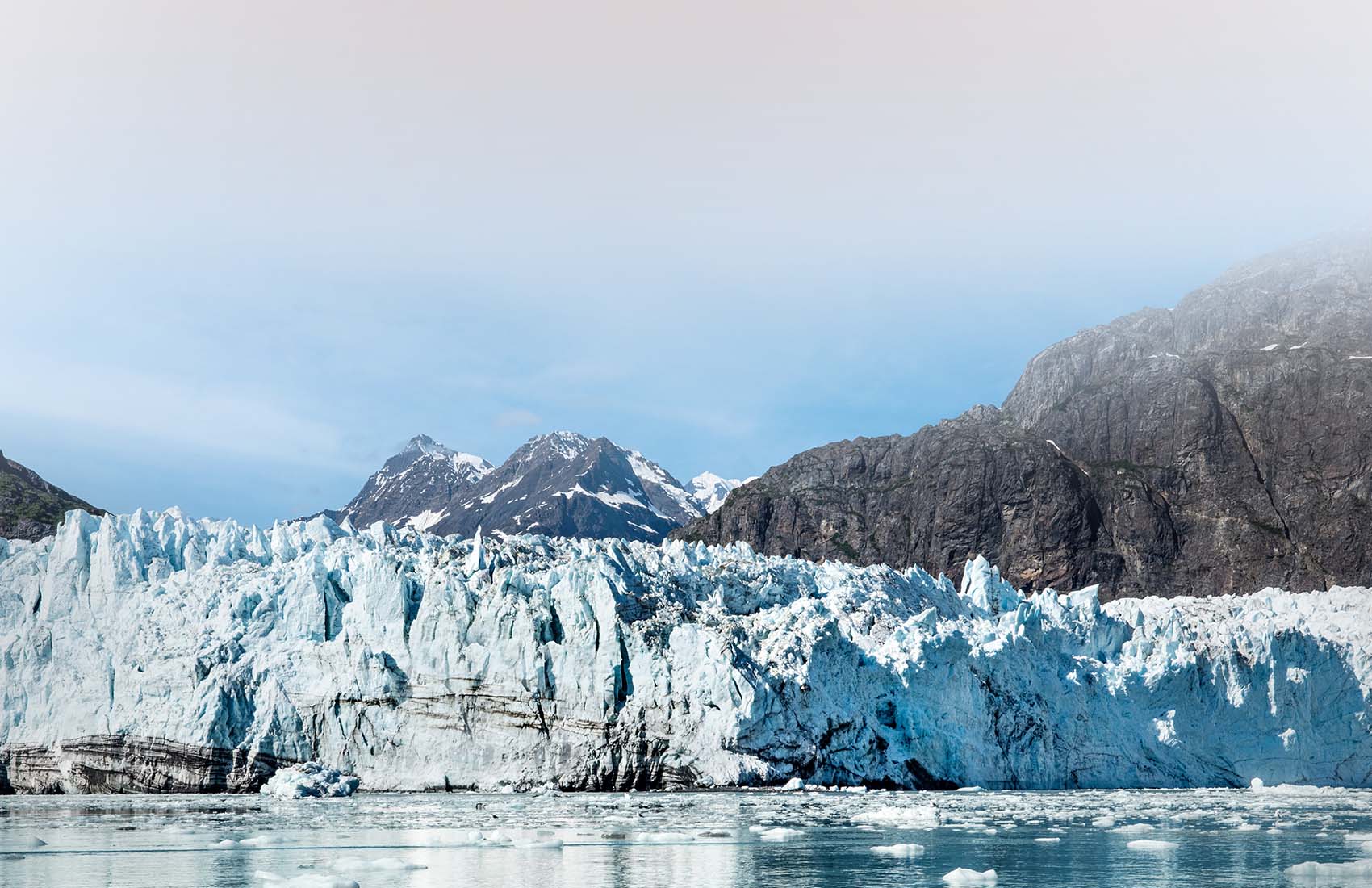
7-Day Voyage of the Glaciers (Northbound)
Why we picked it: seven days of glaciers with the sailing done overnight, so you wake up somewhere new without losing a day to travel. The northbound run ends in Anchorage if you want to add land time.
Promoted by FlowAds


Promoted by FlowAds
