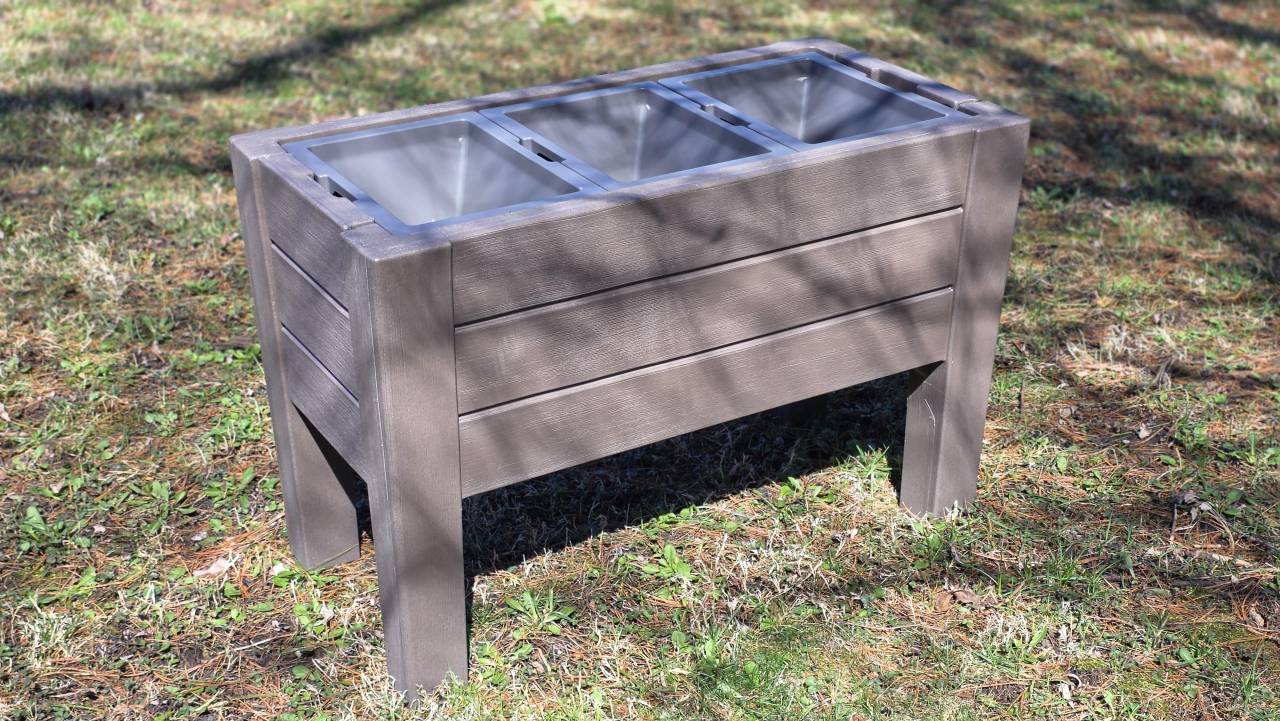
Step2 sent the Lakewood Raised Planter Box over for review, and I put it together on a cold day just above freezing here in Northwest Ohio - already thinking about where the cilantro, chives, and rosemary were going to land once grilling season gets here. The planter sits 26 inches off the ground, spans 39 inches wide, and comes with three removable trays. One per herb, as it turns out.
The Step2 Lakewood Raised Planter Box is available directly through Step2's website at $167.99 with free shipping, and you can also pick it up through Amazon.com.
The Step2 Lakewood Raised Planter Box is built for guys who want fresh herbs within arm's reach of the grill - and the three-tray system makes it easy to grow them separately in the same footprint.
- The planter sits 26 inches off the ground, putting everything at a comfortable standing work height - no kneeling in the dirt to trim your rosemary before you fire up the grill with the guys.
- Three removable trays let you grow cilantro, chives, and rosemary in dedicated compartments without root crowding, and you can pull a tray to harvest without disturbing the others.
- Drainage holes are not pre-drilled from the factory, which gives you full control over moisture levels - critical for herbs like rosemary that want to dry out between waterings.
- The resin construction is UV-resistant and never needs painting, staining, or sealing - a real advantage over wood raised beds that start showing wear by year two without treatment.
- At $167.99 with free shipping direct from Step2, this undercuts most comparable cedar raised bed kits once you factor in zero ongoing maintenance costs.
The Step2 Lakewood Raised Planter Box holds up to 95 dry quarts of soil at full capacity, but the three removable trays change how you actually use it. Each tray is its own planting zone - cilantro, chives, and rosemary can coexist in the same 39-inch footprint without competing for root space, and when the rosemary needs less water than the cilantro, you manage each tray on its own schedule.
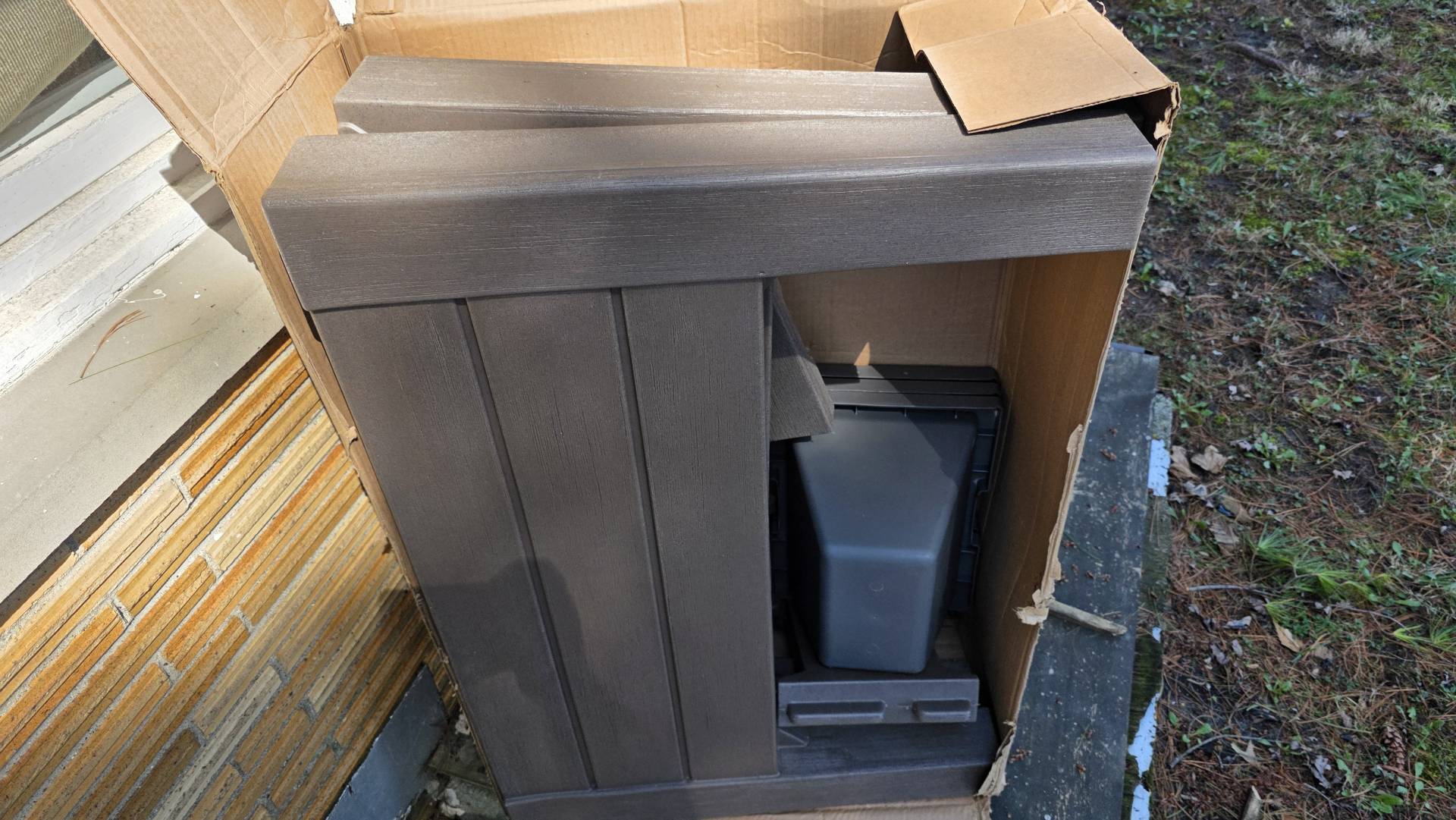
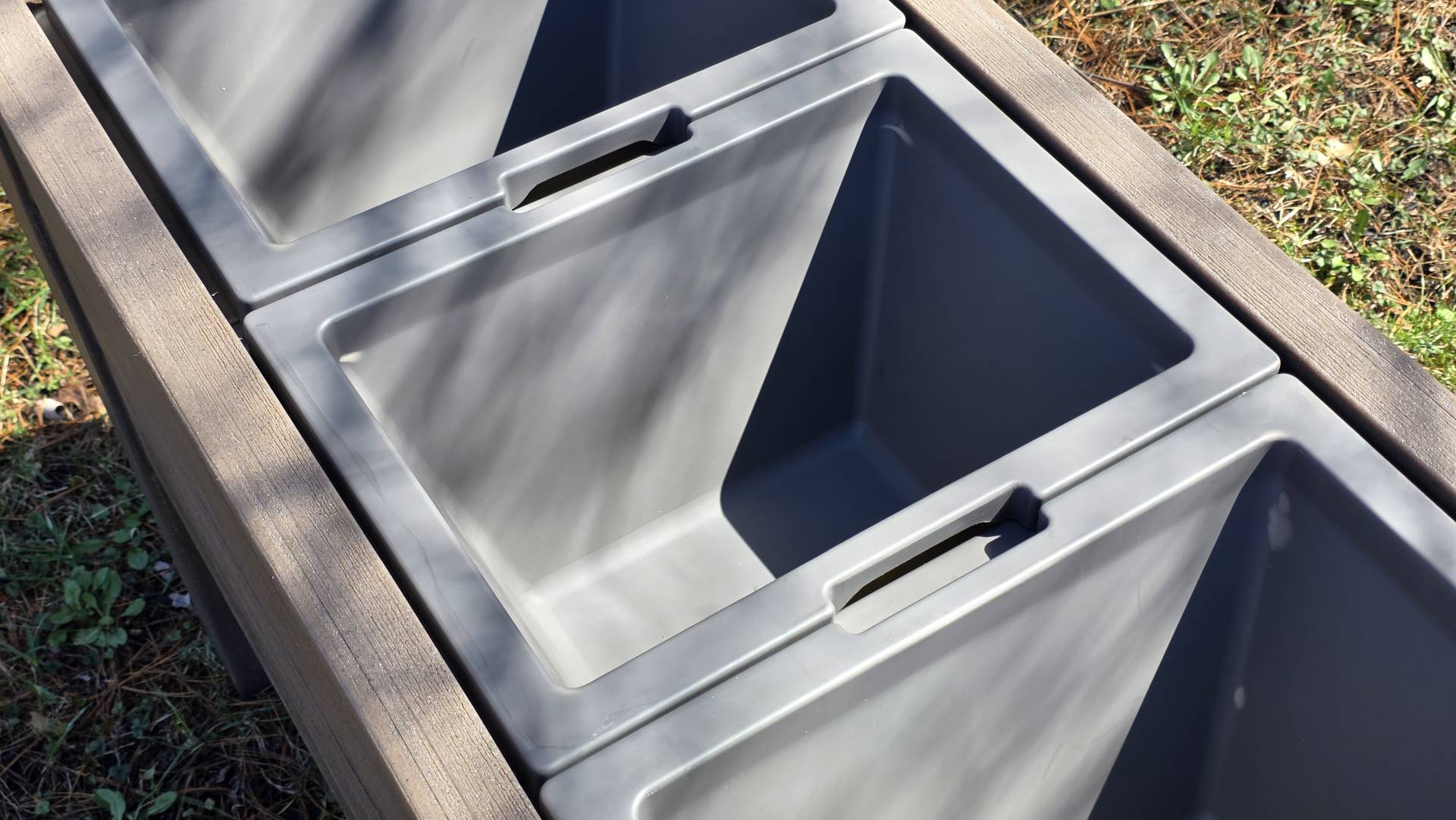
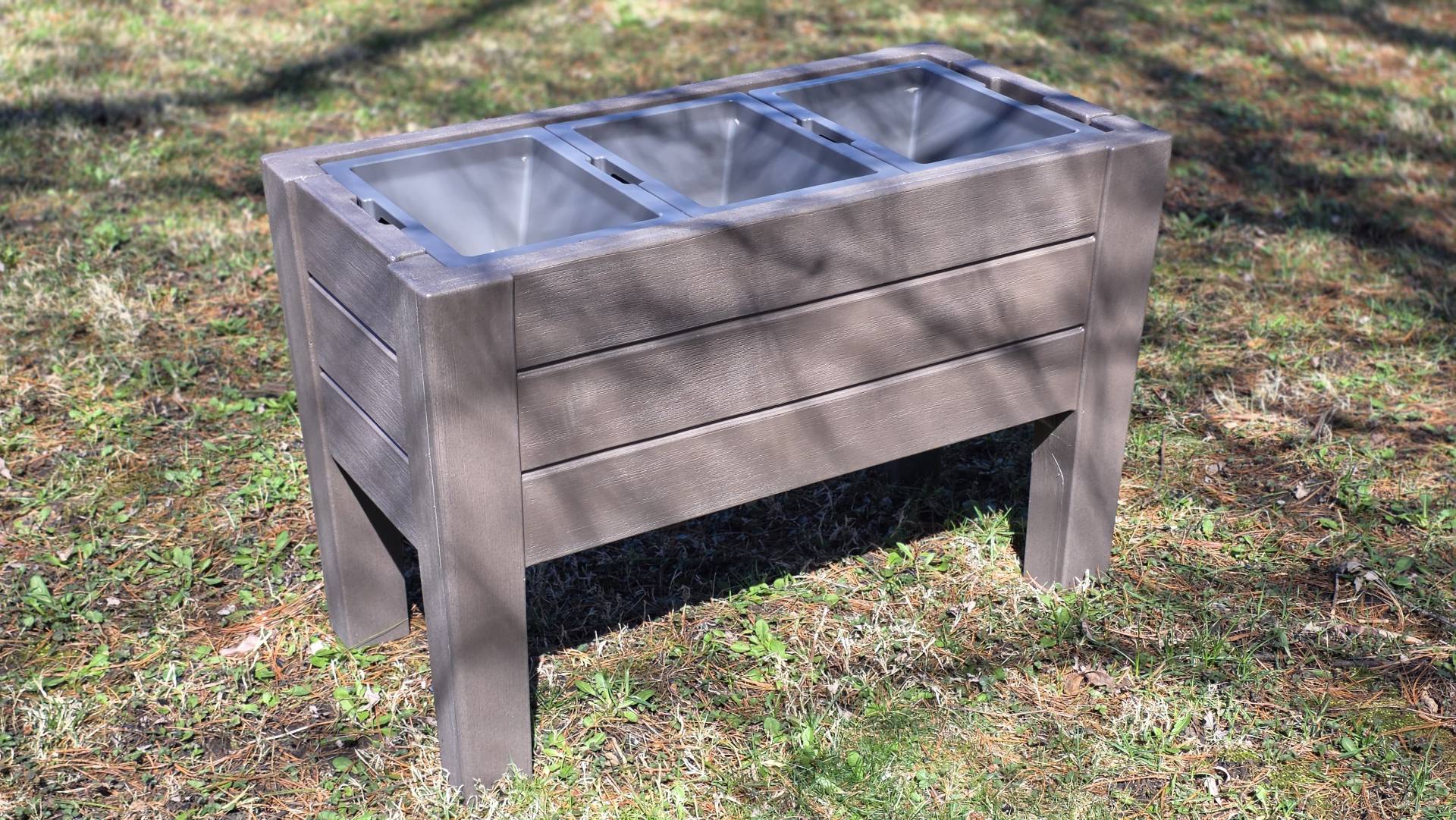
Pull the chive tray to clip them over a grilled steak, set it back when you're done. No digging, no disturbing the rest of your setup. The reduced soil use also makes the planter lighter and easier to move if you rearrange the outdoor space before a backyard cookout with the guys - or just decide you want it closer to the grill.

Golf, Rum, and Fishing on an Ultimate Caribbean Mancation Cruise
Golf, Rum, and Fishing are all waiting you on an awesome Caribbean cruise to the Eastern Caribbean islands of Antigua, St. Maarten, Barbados, and Saint Lucia.
Here's How Easy It Is To Eat Right and Stay Fit on Your Cruise Vacation
Eating right and staying fit is easier than you think on a cruise if you choose to make smart choices.

Siam Overland: Discover Ancient Thailand by Bike
Guided motorcycle tour through ancient Thailand, from Pai's curves to Sukhothai ruins. Suits seasoned riders and adventurers seeking hidden roads.

Visit paradisiac Islands in La Paz
We are the only local tour company that offers tours to these islands (San Francisquito, El Pardito & San Jose). We cross the Sierra La Giganta by ground transportation and offer an unique experience by showing off the real Baja.
Promoted by FlowAds

Assembly: What the Instructions Don't Tell You
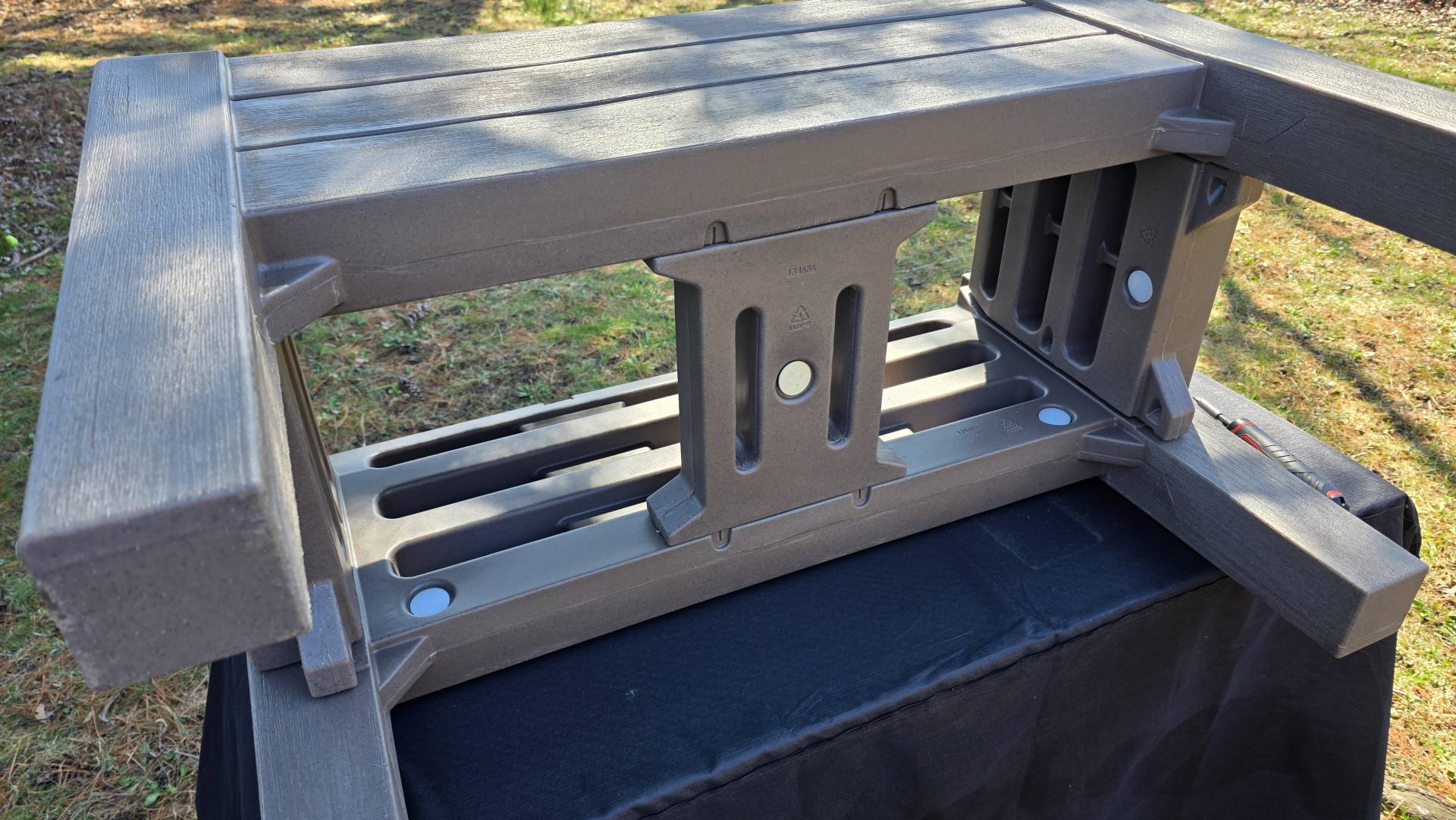
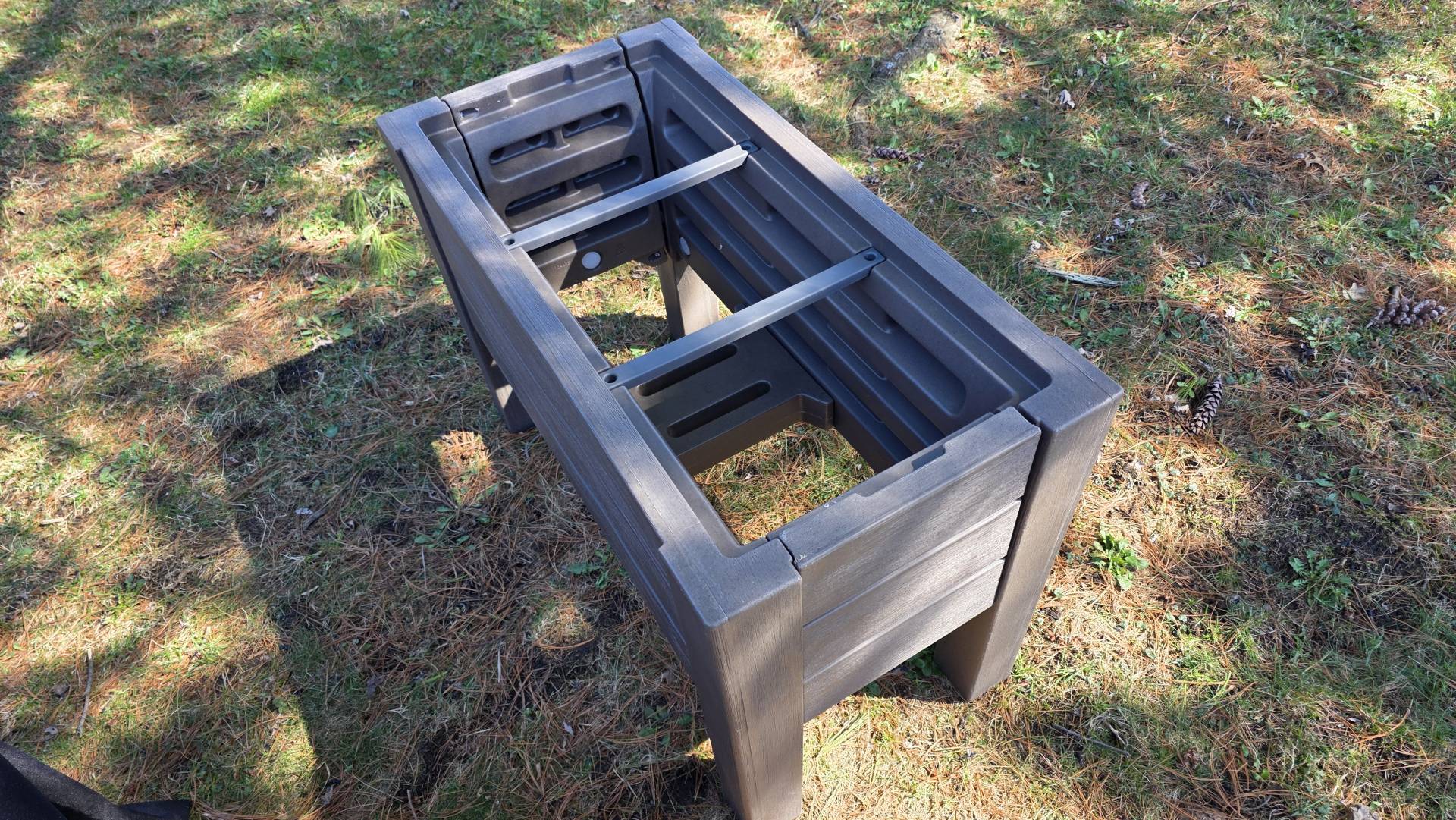
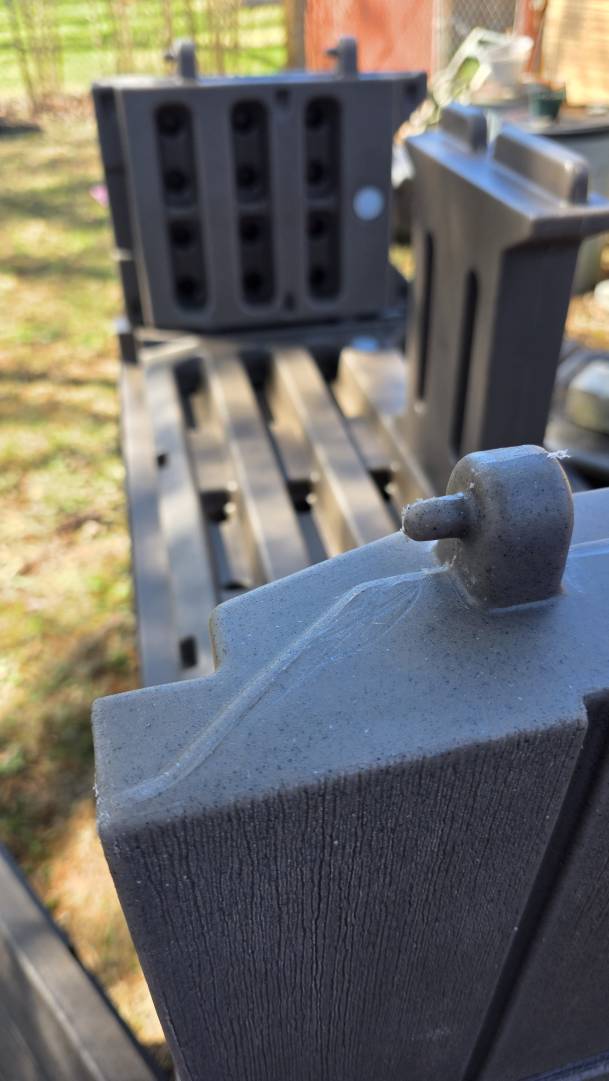
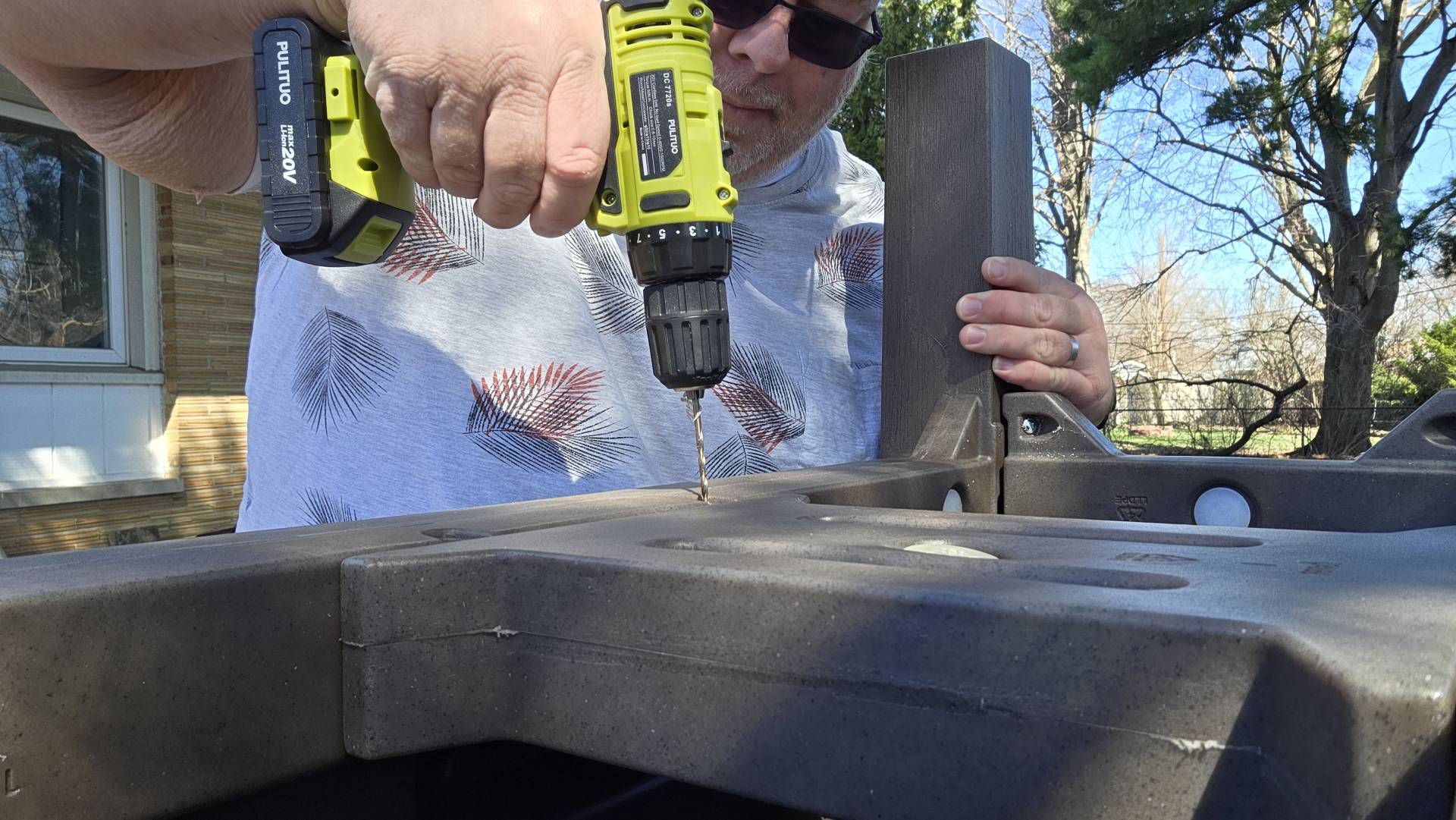
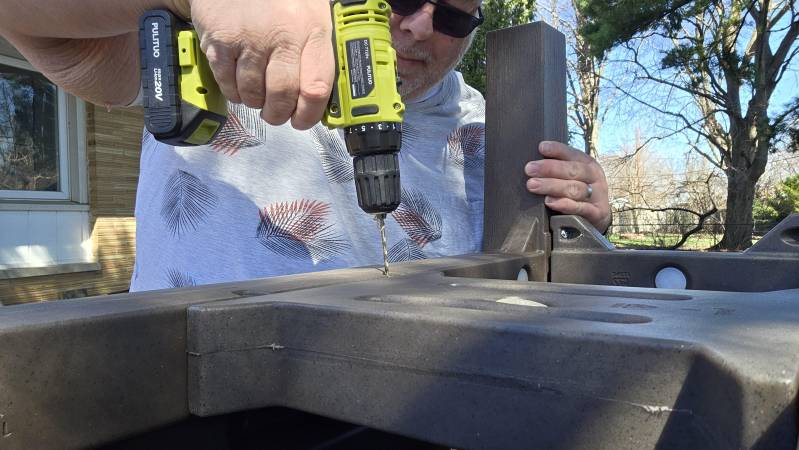
Step2 markets the Lakewood Raised Planter Box as a quick DIY assembly, and structurally that's true. But the instructions indicate the screws will self-penetrate the plastic on their own, and in my experience on a cold day that wasn't the case. My electric screwdriver couldn't push them through. I had to pre-drill the holes first, then drive the screws in with my electric drill. The instructions DO show an electric drill icon though so who knows. Either way, it was easy once I drilled the pilot holes
Plan for that extra step, especially if you're assembling in cold conditions. Have a cordless drill and a bit set on hand before you start. Once everything was fastened, the planter was rock solid - no flex, no wobble anywhere in the structure. The dark cedar finish does a convincing job mimicking wood grain from a few feet away. Most resin products look like plastic up close; this one holds up better than expected.
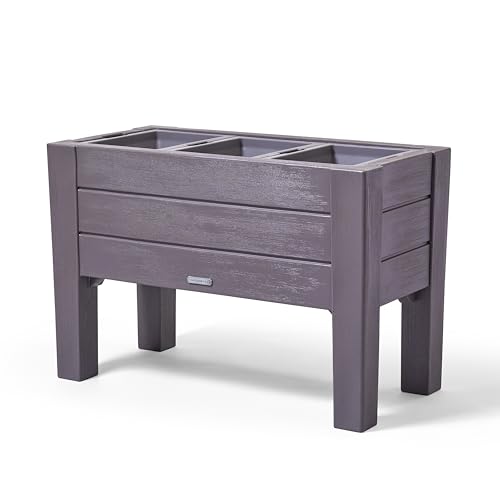
Step2 Lakewood Raised Planter Box
Step2 Lakewood raised planter box, a sturdy garden bed that suits gardeners wanting easier planting at a comfortable height.
Promoted by FlowAds

Resin vs. Wood: The Maintenance Case
This is where the Step2 Lakewood Raised Planter Box makes its case against wood. A cedar raised garden box in a similar size runs $100 to $200, looks great for one or two seasons, and starts showing its age by year two without treatment. You're looking at annual sanding, restaining, and eventually board replacement.
The Step2 resin holds its color and structure without any of that upkeep. For a guy who wants herbs ready for married-life weeknight dinners and summer entertaining without a maintenance project every spring, that's a real advantage. Made in the USA, which is worth noting at this price point.
Get the Drainage Sorted Before You Fill the Trays
The Step2 Lakewood Raised Planter Box earns a strong recommendation for anyone building out an outdoor cooking setup with fresh herbs in the picture. The three-tray system alone justifies the price over a basic single-bed planter, and the no-maintenance resin makes the long-term math easy.
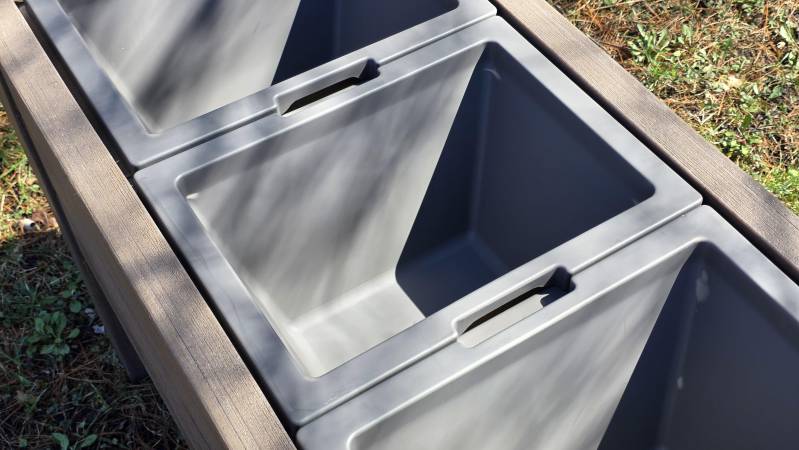
One step before you plant: add drainage holes to whatever trays need them. Rosemary especially wants to dry out between waterings, and the holes are not factory pre-drilled. Grab a drill bit, size it for your drainage needs, and do it before you add soil - five minutes of work that protects your herbs all season. The cilantro, chives, and rosemary go in once temps climb out of the 30s, and all three will be on the grill in upcoming summer cooking videos.
For current pricing and availability, check Amazon.com.