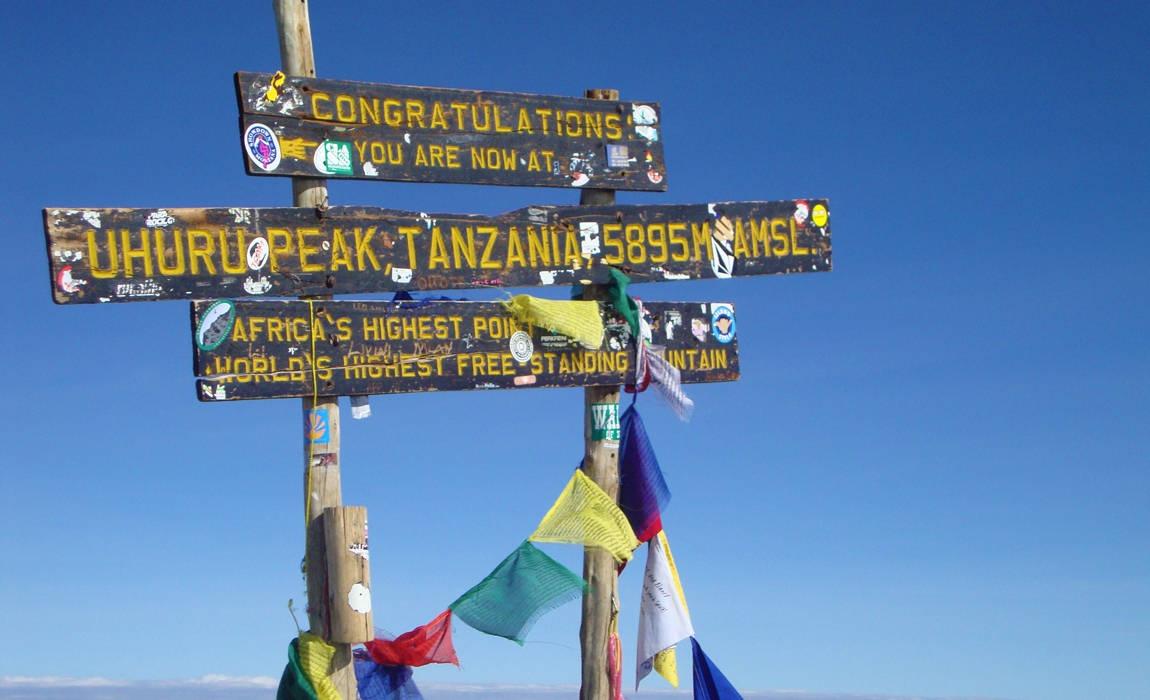
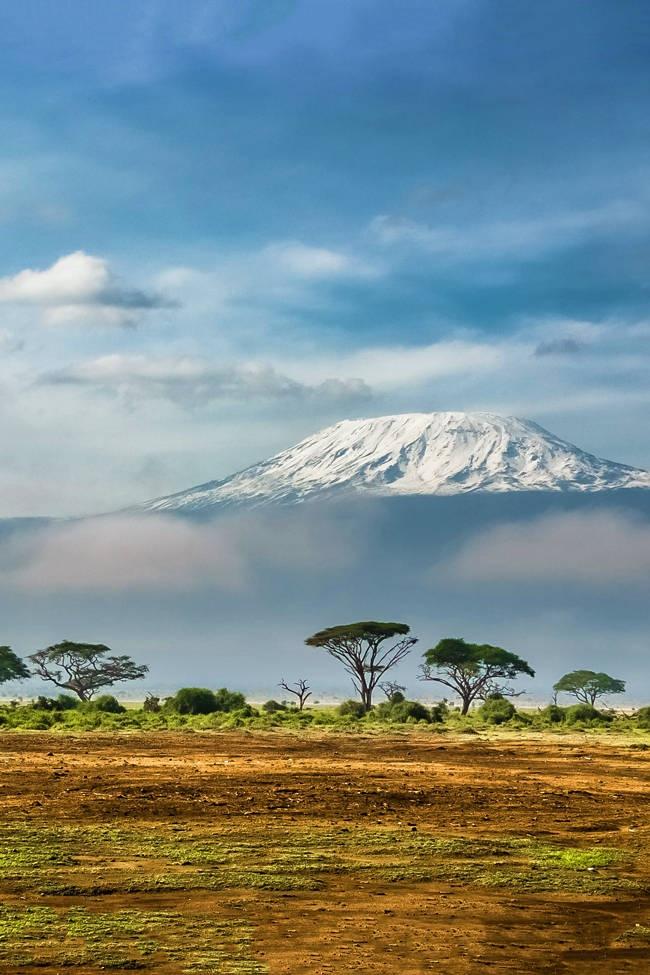
Climbing Kilimanjaro is the headline outdoor adventure for any africa guys trip itinerary built around something more than a safari. The mountain stands at 5,895 meters (19,341 feet) in northern Tanzania, the highest point in Africa and the tallest free-standing mountain in the world, and it's the only one of the Seven Summits that most reasonably fit hikers can summit without technical climbing skills. Roughly 50,000 people attempt the climb each year and the average summit success rate sits around 70 to 80% - though that range hides huge variation by route choice, fitness, and whether your body actually acclimatizes in time.
What Do You Call Your "Guys Trips"?
Kilimanjaro is the rare bucket-list mountain that most reasonably fit guys can summit, but the gap between a successful climb and a turnaround comes down to a few decisions made before you leave home.
- The honest 2026 cost runs $4,500 to $7,500 per climber - park fees alone are $700 or more before you add guides, gear, and transport, and Tanzania charges 18% VAT on top
- Solo trekking is illegal - every climber must go with a TANAPA-licensed guide and tour operator, and the minimum age is 10
- Route choice drives summit success: the cheap 5-day Marangu sits around 27%, the 7-day Machame clears 85%, and the 8-day Lemosho and 9-day Northern Circuit both clear 90%+
- KPAP-Partner operators are the porter welfare standard - if your operator isn't on the list at kiliporters.org, ask why
- Tanzania has banned single-use plastic since 2019, including on the mountain - bring reusable water bottles and dry bags instead of plastic packaging
The mountain is the most-climbed of the Seven Summits because the gradient is gradual, the trail is well-developed, and the technical skill bar is low. The hard part is altitude. The summit is high enough that air pressure runs roughly half of sea level, and most climbers who turn around short of Uhuru Peak do so because their bodies didn't adjust to the thinner air fast enough. Route choice, fitness preparation, and operator quality are the three things that actually move the success rate.
What Climbing Kilimanjaro Actually Costs in 2026
The honest 2026 cost to climb Kilimanjaro runs $4,500 to $7,500 per person for a quality guided expedition. The lower end of that range gets you a competent operator on a 6- to 7-day route. The upper end pays for longer routes (which carry significantly higher success rates), better gear, smaller group sizes, and meaningfully better food. If a tour operator quotes you $1,500, the math doesn't add up and you should walk away - they're cutting corners somewhere that matters.
Tanzania National Parks Authority (TANAPA) park fees alone account for roughly $700 to $1,000 per climber depending on route and duration. The published rates valid through June 2026 set conservation fees at $83 per day for adults, plus camping or hut fees and a rescue fee layered on top. All of those fees are subject to an additional 18% VAT. That's before any of your operator's costs - guides, porters, food, transport, gear rental, gateway hotel - get added.
American Cruise Lines Debuts First All-U.S. Great Lakes Cruises for 2026 Season
American Cruise Lines Great Lakes 2026: Domestic-only cruises avoid immigration interviews. 130-guest American Patriot offers exclusive small-town access. U.S. travelers seeking authentic cultural dis
I Went Walleye Fishing for the First Time on Lake Erie - Here's What I Learned
A first-timer's guide to catching walleye on Lake Erie out of Port Clinton - book the right charter, fish the chop, and plan around the mayfly hatch.

6 Days Vietnam Essential Tour
Tour Vietnam's highlights from Saigon to Hanoi, with the Cu Chi tunnels, Mekong Delta and an overnight Halong Bay cruise. Ideal for first-time visitors.
Kadún Hotel Boutique
Experience design suites, artisan dining, and premium lifestyle amenities in the heart of Cabo San Lucas. Walk to Medano Beach and the Marina boardwalk.
Promoted by FlowAds

For first-time Kilimanjaro climbers, working with a travel advisor who specializes in Africa adventure trips is worth the extra layer. An advisor like Heather at Flow Voyages handles the package end-to-end - operator vetting, route selection based on your group's fitness and timeline, KPAP verification, gateway hotel and Arusha logistics, and the safari add-ons most guys want to bolt onto the back of a Kilimanjaro trip. The added cost is small compared to the cost of booking a sketchy operator that turns the climb into a disappointment or a medical incident.
Routes and Summit Success Rates
Route selection is the single biggest factor in whether you summit. Five days isn't enough time for most climbers' bodies to acclimatize to the altitude. Longer routes with built-in "climb high, sleep low" acclimatization days dramatically increase success.
- Marangu - the 5-day "Coca-Cola Route" with the easiest gradient and the only route with hut accommodations instead of tents. Only about 27% of 5-day Marangu climbers summit. The 6-day version with an extra Horombo Hut day improves to about 75%.
- Machame - the 7-day "Whiskey Route" is the most popular path on the mountain at roughly 35% of all climbers, with summit success around 85%. Camping only.
- Lemosho - the 8-day Lemosho clears 90%+ summit success thanks to a longer acclimatization profile. Strong choice if summit is the priority.
- Northern Circuit - the 9-day route, the longest on the mountain and the highest summit success rate at 90%+. Quietest in terms of crowd density.
Booking the cheap 5-day Marangu and assuming you'll just push through is the most common reason guys flame out before reaching Uhuru Peak. If summit is the priority, book Lemosho or Northern Circuit and accept the longer trip.
Man Gear Pick of the Month
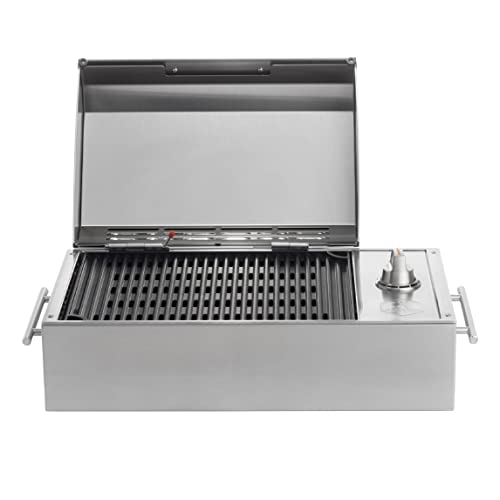
Kenyon City Grill Portable Stainless Steel Electric Grill
Why we picked it: a grill you can actually carry to the campsite, the tailgate or the cabin without borrowing a truck. Stainless, no propane tank to wrestle, and hot enough to cook for four guys rather than reheat for one.
 August's Pick LiberNovo Maxis Electric Big and Tall Ergonomic Office Chair, Graphite 52cm $1,466.00
  July's Pick Powerful Propane Torch Gun, Adjustable Flame Thrower Gun, Kitchen Torch with Detachable Design, Flamethrower Blow Torch for BBQ, Searing Steak, Welding, Camping Charcoal Lighter(Tank Not Included) $41.99
  June's Pick OYASUMI Funny BBQ Man Hot Dog Holders, 4 PCS Reusable Stainless Steel Sausage Stands, Portable Hot Dog Roasters, Barbecue Grill Accessories for Camping & Party Gifts $14.98
 Promoted by FlowAds

How To Identify the Right Tour Operator
There are hundreds of TANAPA-licensed Kilimanjaro tour operators and the quality range is enormous. Bottom-tier operators cut corners on porter pay, gear maintenance, and emergency evacuation capability - all of which matter on a mountain where altitude sickness can become serious within hours.
The signals to look for in an operator:
- KPAP Partner status (covered below)
- Wilderness First Responder certification on lead guides
- Helicopter evacuation access included or available as an add-on
- Emergency oxygen carried on every climb
- Reasonable group size caps - most quality operators run 10 to 15 climbers maximum on shared trips
- Transparent itinerary with daily distances, elevations, and acclimatization stops written out
- Clear written contract showing exactly what's included and what isn't
This is the other reason a travel advisor earns their keep on a Kilimanjaro trip - they've already vetted the partner operators and can flag the ones that look cheap but hide costs in dangerous places. The first-time climber comparing tour packages on Google has very little context for what separates a competent operator from a dangerous one.
Working with KPAP-Partner Companies
The Kilimanjaro Porters Assistance Project (KPAP) is the porter welfare watchdog on the mountain. Porters carry roughly 40-pound loads up to 15,000+ feet repeatedly, often in inadequate gear and historically for very low pay. KPAP audits operators for fair wages, proper equipment provision, decent food, three-meal-a-day standards, and load limits enforced at the gate.
If your operator is a KPAP Partner, they've passed those audits. There's a public list at kiliporters.org. If your operator isn't on the list, ask why - sometimes it's just paperwork in progress, but more often it's a sign the operator can't pass the welfare check. There's no good reason to climb Kilimanjaro on the back of a porter being paid below minimum wage in inadequate boots.
How Much To Tip Your Guide and Crew
Tipping is a real and expected part of the cost. Budget roughly $300 to $400 per climber on top of your tour fee, depending on group size and route length. KPAP recommends the following daily rates per climber for crew tips:
- Lead guide: $20 per day
- Assistant guide: $12 per day
- Cook: $12 per day
- Porter: $5 to $7 per day, per porter
The porter line is the one that adds up. A typical 7-day Machame climb in a small group involves 1 lead guide, 1 assistant, 1 cook, and 4 to 6 porters per climber. Tip in cash (USD or Tanzanian shillings) at the end of the climb in front of the full crew so the distribution is transparent. KPAP-Partner operators handle the distribution under porter representation, which is the cleanest way to ensure the porters actually get what was tipped.
How Long the Climb Takes
Climb durations run 5 to 9 days from gate to summit and back, with most quality trips running 7 to 8 days. Two factors drive the duration: acclimatization (longer climbs have more days at intermediate elevation before summit night, which is what lets your body adjust to the thinner air) and route (some routes have more efficient acclimatization profiles than others).
The summit push happens overnight on the final climbing day. Most groups leave high camp around midnight to reach Uhuru Peak (5,895m / 19,341 ft) at sunrise. After the summit, climbers descend to a lower camp the same day - it's a 14- to 16-hour day, and physically the hardest single day of the trip. Plan a recovery day before flying home or starting a safari extension.
Environmental Rules and Park Regulations
Tanzania banned all single-use plastic bags in June 2019, and the rule is enforced at the airport on arrival - immigration officers can ask you to remove and discard plastic bags from luggage. The ban extends to Kilimanjaro National Park, where plastic bottles and disposable plastic packaging are restricted. Bring a reusable water bottle (or two), and pack gear in dry bags instead of plastic bin liners. Most quality operators provide a packing checklist that already accounts for this.
TANAPA also enforces a handful of other rules:
- Mandatory licensed guide for all climbers - no solo trekking is allowed
- Minimum age 10 for climbers
- All climbers must register at the park gate and check out at the same gate
- Pack-in / pack-out waste rules - your crew handles this on a properly run trip
- Daily caps on the Machame and Marangu trailheads during peak season
Best Time to Climb Kilimanjaro
Two main climbing windows. June through October is the long dry season - cooler temperatures but stable weather and the highest summit success rates. December through February is the short dry season - warmer days but more variable summit-night weather. The two rainy seasons (March to May for the long rains, November for the short rains) are technically still climbable but with significantly more rain on the lower slopes and snow on summit night.
Peak crowds hit in July, August, and the December-January holiday window. January and February tend to be the best balance of dry weather and lighter trail traffic if you're planning a guys trip that doesn't share Uhuru Peak with a hundred other climbers at sunrise.
The Bottom Line on Climbing Kilimanjaro
Kilimanjaro rewards the climbers who plan it carefully. Pick a longer route, book a KPAP-Partner operator, work with a travel advisor who knows the Tanzanian outfitter landscape, train hard for the altitude, and budget honestly. Do all of those, and the math says you're more likely than not to summit. Cut corners on any of them, and you join the 30% who turn around short of the top - usually somewhere on the final ridge between Stella Point and Uhuru Peak when the cold and the altitude finally catch up.

Promoted by FlowAds
