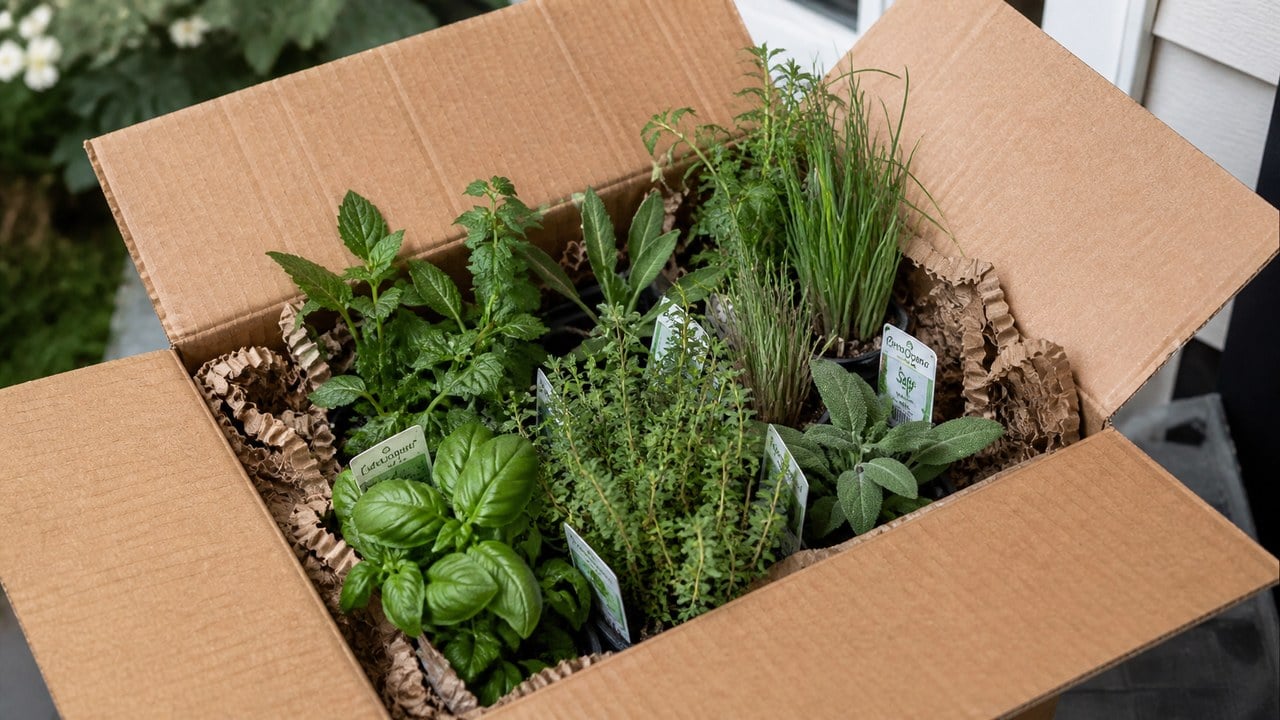
Sourcing plants online is something I learned to take seriously long before I started building out my chef's garden this summer. I spent time working for an online plant retailer early in my career, and what I saw behind the scenes changed how I evaluate any vendor selling botanical products - whether that's heirloom tomato seeds, herb starts, or natural health supplements. When I started researching seeds and seedlings for the garden I'm putting together for grilling and backyard cocktails, those same instincts kicked in immediately. The online botanical marketplace is massive and largely unregulated, which means the gap between a great vendor and a bad one is often invisible until something goes wrong.
Here's what I look for now, and why it matters whether you're sourcing basil starts or something like kratom for men's health and wellness.
Origin and Sourcing Transparency
The first thing I check on any botanical vendor's site is where the product actually comes from. With seeds and seedlings, that means geographic origin, growing conditions, and whether the supplier works directly with growers or runs product through a chain of intermediaries. Every hand it passes through is an opportunity for quality to slip.
The same logic applies to herbal supplements and botanicals sold for health and wellness purposes. A vendor who can tell you where their kratom is harvested, or where their CBD hemp is grown, is operating at a fundamentally different level than one who can't - or won't. Geographic specificity isn't just a marketing detail. It's accountability.

Petrol and Adrenaline Guys Getaway In The United Arab Emirates
Travel ideas in Dubai and the rest of the United Arab Emirates for guys who love cars.

Transportation Guide For A Dubai Guys Trip: How To Get Around Dubai Safely and In Style
Dubai transportation guide: Metro, luxury car rentals, traditional abras, airport transfers. Navigate supercars, public transport, and unique experiences. Perfect for guys seeking efficient travel in this premium destination.

Marriott Cancun, An All-Inclusive Resort
Book your stay at Marriott Cancun, An All-Inclusive Resort. Enjoy comfortable accommodations & convenient amenities for business & leisure travelers.
Promoted by FlowAds

If a product page doesn't tell you where the plant material originated, that's a gap worth noticing.
Third-Party Lab Testing
This is the one I pushed hardest on when I was sourcing seeds for the garden, and it's non-negotiable for anything you're going to consume or grow for healthy eating. Reputable botanical vendors - across every category - make third-party lab testing results accessible. Not buried in a FAQ. Accessible.
For food-grade herbs and edible plants, you're looking for confirmation of clean growing practices and the absence of contaminants. For health supplements, the bar is higher: purity verification, potency consistency between batches, and confirmation that what's on the label matches what's in the product.
If a vendor can't show you a current Certificate of Analysis from an independent lab, keep moving. This isn't a premium feature. It's a baseline.
Product Transparency and Brand Reliability
When I'm evaluating a brand - whether it's a seed supplier for the garden or a wellness product I'm adding to my routine - I look at how they present product information. Are descriptions accurate and specific, or do they read like they were written to fill space? Is pricing clear? Is there a real customer service channel, or just a contact form that disappears into the void?
Brands like Authentic Kratom distinguish themselves through detailed product information and sourcing transparency - the kind of specificity that tells you someone actually knows what they're selling. That standard matters whether you're buying kratom, CBD products, herbal tinctures, or any other botanical supplement where quality and consistency directly affect your experience.
The chef's garden I'm building this summer is partly a health project - fresh herbs for cooking, ingredients for better cocktails, produce that actually tastes like something. Applying that same scrutiny to the supplement side of men's health makes sense.
Reviews and Vendor Reputation
Reviews are useful, but only if you read them the right way. I don't look for perfect scores. I look for patterns - specifically around shipping reliability, product consistency across multiple orders, and how the company handles problems when they come up.
A vendor with 4.3 stars and detailed reviews about consistent quality and responsive customer service is more trustworthy than one sitting at 4.9 with thin, generic feedback. For botanical products especially, repeat purchasers tell you something important: this product does what it's supposed to do, reliably enough that people come back.
For a backyard herb garden that feeds a guys night BBQ party or stocks the cocktail bar, I want suppliers I can reorder from without second-guessing the quality. Same goes for anything in the wellness category.
The Standard Doesn't Change With the Product
Whether I'm ordering Calabrian chili starts for the garden or researching natural supplements for recovery and men's health, the evaluation criteria are identical: verified sourcing, third-party testing, honest product presentation, and a reputation built on repeat customers rather than launch buzz.
The online botanical market rewards vendors who operate transparently and punishes - slowly, but eventually - the ones who don't. Before you place an order, spend five minutes looking for those four signals: sourcing origin, a current COA, honest product pages, and reviews from repeat buyers. That's the entire checklist. If a vendor can't clear it, find one who can.
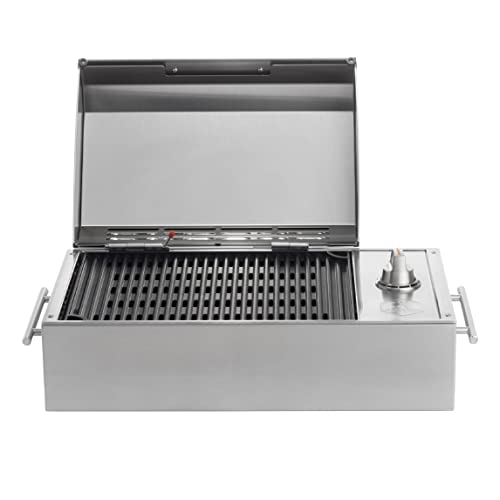
Kenyon City Grill Portable Stainless Steel Electric Grill
Why we picked it: a grill you can actually carry to the campsite, the tailgate or the cabin without borrowing a truck. Stainless, no propane tank to wrestle, and hot enough to cook for four guys rather than reheat for one.


Promoted by FlowAds
