

Your Guide to Cycling: Bike Trips, E-Bikes, and Why 112 Million Americans Rode Last Year
Cycling has quietly become America's most popular outdoor activity - and the e-bike revolution is making it accessible to riders who never thought they'd cover serious miles on two wheels. From weekend rail trail rides to international cycling vacations, this guide covers destinations, gear, and getting started whether you're dusting off an old bike or considering your first e-bike.
What Do You Call Your "Guys Trips"?
- Youth cycling is surging: participation among ages 3-17 jumped from 49% to 56% since 2022, reversing years of decline and signaling a new generation of lifelong riders.
- E-bikes have transformed the landscape, with 19.4% of bike riders now using electric-assist bikes compared to just 7.8% in 2021, according to the Physical Activity Council.
- Cycling participation has grown 14% since 2016 - three times faster than population growth - driven by improved infrastructure, the e-bike boom, and shifting attitudes toward active transportation.
- Adventure cycling tourism represents a $3.7 billion market projected to reach $6.7 billion by 2025, with destinations increasingly building infrastructure specifically for cycling visitors.
- The 53% of riders worried about being hit by a car points to cycling's biggest barrier - and the ongoing infrastructure investments that are steadily addressing it.
The E-Bike Revolution: What Changed Everything
No single development has reshaped cycling like the electric bike. According to eCycleElectric, 1.7 million e-bikes were imported into the U.S. in 2024 - a 72% increase from the previous year. The Physical Activity Council reports that nearly one in five bike riders (19.4%) now uses an e-bike, up from 7.8% just three years earlier.
The appeal is straightforward: e-bikes make cycling accessible to people who otherwise wouldn't ride. Hills that once deterred commuters become manageable. Distances that seemed impractical for errands become reasonable. Older riders who'd given up cycling return to two wheels. And recreational riders extend their range dramatically.
For travelers, understanding e-bikes before booking an e-bike tour opens new possibilities. Destinations that once seemed too hilly or too spread out become viable when pedal assist handles the hard parts. Wine country tours, coastal explorations, and mountain town visits all benefit from the electric advantage.
E-Bike Categories Worth Knowing
The e-bike market has segmented into distinct categories. Commuter e-bikes prioritize practicality - integrated lights, fenders, racks. Mountain e-bikes add suspension and knobby tires for trail riding. Cargo e-bikes haul kids and groceries. Folding e-bikes fit in apartments and car trunks.
Class distinctions matter too. Class 1 e-bikes provide pedal assist up to 20 mph - these are allowed on most trails and bike paths. Class 2 adds throttle capability. Class 3 assists up to 28 mph but faces more restrictions on where you can ride. Knowing the classifications helps match bike to intended use.
Cycling Vacations: Where Two Wheels Take You Further
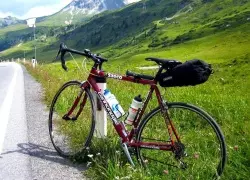
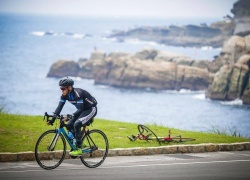
Cycling transforms travel. Instead of watching landscapes pass through a car window, you're immersed in them - feeling the grade of the terrain, smelling the vegetation, stopping whenever something catches your eye. The pace forces engagement with places in ways motorized travel can't match.
European Cycling Destinations
Europe built its cycling infrastructure over decades, and travelers reap the benefits. The cycling vacation destinations in Europe range from the gentle canal paths of the Netherlands to the challenging climbs of the Alps. Dedicated cycling routes like the Danube Bike Path connect multiple countries through car-free corridors.
The infrastructure difference becomes apparent immediately. Separated bike lanes, clear signage, bike-friendly accommodations, and cultural acceptance of cycling as legitimate transportation all combine to make European cycling feel natural rather than adventurous.
Domestic Long-Distance Routes
The United States offers its own long-distance cycling experiences. The long distance bike trails in the United States include converted rail trails stretching hundreds of miles, coastal routes along both oceans, and cross-country routes for the truly ambitious.
The Great Allegheny Passage and C&O Canal Towpath together create a 335-mile car-free corridor from Pittsburgh to Washington, D.C. The Pacific Coast Route runs from Canada to Mexico along Highway 1. The TransAmerica Trail crosses the country through the heartland. These routes support everything from weekend segments to months-long through-rides.
Mountain Biking Destinations
Mountain biking demands different destinations - places where trail systems justify the travel. Wyoming's mountain bike trails offer high-altitude riding through dramatic Western landscapes. Moab, Bentonville, and Whistler have built reputations as mountain biking meccas with trail networks measured in hundreds of miles.
The mountain biking destination model differs from road cycling. Instead of point-to-point routes, you're looking for dense trail networks accessible from a single base. Quality matters more than quantity - a week's worth of varied, well-built trails beats endless miles of mediocre singletrack.
Urban Cycling: Is Your City Actually Bike-Friendly?
The 53% of riders worried about being hit by a car, according to PeopleForBikes, points to cycling's persistent challenge: infrastructure that makes riding feel safe. Cities vary enormously in how well they've addressed this.
Portland often tops bike-friendly city rankings, but the question is whether Portland is as bike-friendly as tourism ads would have you believe for visitors rather than residents who know the routes. The answer depends on where you're going and how comfortable you are navigating unfamiliar streets.
The good news: infrastructure is improving nearly everywhere. Protected bike lanes, separated from traffic by physical barriers, are spreading through major cities. Bike share programs make casual cycling accessible to visitors. Trail networks connecting suburbs to urban cores let riders avoid roads entirely for significant portions of their routes.
What Makes a City Actually Bikeable
Beyond marketing claims, bike-friendly cities share common traits: connected networks rather than isolated paths, protection from fast-moving traffic, secure parking at destinations, and cultural acceptance that doesn't treat cyclists as obstacles. Cities building these elements see ridership increase in response.
For travelers, the practical question is whether you can get from where you're staying to where you want to go safely and enjoyably by bike. Sometimes the answer is yes throughout a city; often it's yes for specific corridors while other areas remain car-dominated.
International Cycling Adventures
Beyond Europe's well-established cycling infrastructure, destinations worldwide are building cycling tourism industries. The cycling trips in Taiwan that men will love showcase Asia's growing investment in cycling infrastructure, with dedicated paths circling the entire island.
International cycling adventures require more planning than domestic trips. Bike logistics - bringing your own versus renting - vary by destination. Road conditions, traffic patterns, and driver behavior differ from what American cyclists expect. But the payoff is experiencing places at a pace and proximity impossible from tour buses or rental cars.
Cycling Gear: What Actually Matters
The cycling industry excels at convincing riders they need the latest everything. Reality is simpler. A well-fitted bike appropriate to your riding style, a quality helmet, and basic maintenance knowledge cover the essentials.
That said, certain upgrades genuinely improve the experience. Padded shorts make long rides comfortable. Proper cycling shoes improve efficiency. Lights enable riding in low-light conditions. The key is distinguishing between equipment that solves real problems and equipment that solves marketing problems.
Bike Fit Matters More Than Bike Cost
A $500 bike that fits properly will provide better riding than a $3,000 bike that doesn't. Proper fit prevents the knee pain, back strain, and hand numbness that drive riders off their bikes. Professional fitting services exist, but even basic attention to saddle height, handlebar reach, and cleat position makes meaningful differences.
Getting Into Cycling: The Path Forward
The 112 million Americans who rode bikes last year aren't all lycra-clad enthusiasts training for races. Most are casual riders - PeopleForBikes notes that 60% ride twice a month or less. The barrier to entry is lower than the industry sometimes suggests.
Start where you are. Dust off the bike in the garage, pump up the tires, and ride around the neighborhood. See if you enjoy it before investing in upgrades. If the bike doesn't fit or doesn't suit your intended use, then consider alternatives - but many people already own a perfectly adequate bike for getting started.
From there, the sport scales to whatever level interests you. Weekend rail trail rides. Commuting to work. Destination cycling vacations. Multi-day bikepacking adventures. Competitive events. Each level builds on fundamentals anyone can learn.
The infrastructure is improving, the e-bike option has removed the fitness barrier, and 112 million Americans are already riding. The question isn't whether cycling can work for you - it's what kind of cycling fits your life.
Sources
PeopleForBikes
- 2024 U.S. Bicycling Participation Study: https://www.peopleforbikes.org/news/bicycling-participation-report-2024
- Participation statistics and demographic data
eCycleElectric
- 2024 Electric Bike Import Analysis: http://www.ecycleelectric.com/blog/2025/2/12/how-big-is-the-usa-e-bike-market-in-2024-25
- E-bike market data
Physical Activity Council
- Annual participation reports on e-bike usage trends
Adventure Travel Trade Association
- Adventure cycling tourism market projections
What Do You Need To Do If You're Injured On A Bike Tour
E-Bikes: What Guys Need to Know Before Booking an E-Bike Tour
Portland, Oregon: Is It as Bike-Friendly as Tourism Ads Would Have You Believe?
Explore Wyoming's Best Mountain Bike Trails On Your Sweetwater County Guys Weekend
Long Distance Bike Trails in the United States
Five Top Cycling Vacation Destinations In Europe
Cycling Trips In Taiwan that Men Will Love To Explore