

Your Guide to Hunting: Getting Started, Gear, Trips, and Why 14.4 Million Americans Head Into The Woods Each Year
Hunting connects modern men to something ancient - the skills, patience, and time in nature that no other activity quite replicates. Whether you grew up in a hunting family or you're considering picking up the sport as an adult, this guide covers what you need to know about getting started, finding the right gear, and planning trips that create lasting memories.
{tab title="Questions"}
What Do You Call Your "Guys Trips"?
- Big-game hunting dominates: 11.5 million Americans pursue deer, elk, and similar game, spending 135 million days afield pursuing big game according to the U.S. Fish and Wildlife Service.
- Women represent the fastest-growing demographic in hunting, making up 17% of all hunters but 33% of new entrants to the sport according to the U.S. Fish and Wildlife Service.
- The average hunter spends approximately $3,264 annually on equipment and trip expenses, funding conservation efforts through the Pittman-Robertson excise tax that has generated over $11 billion for wildlife habitat since 1937.
- Adult-onset hunters are increasingly common - you don't need to have grown up in a hunting family to start, and many states now offer adult hunter education programs specifically designed for beginners.
- Hunting trips create the kind of multi-generational bonding that's increasingly rare in modern life, combining skill development, patience, and time in nature that no other activity quite replicates. {tab title="Article Index"} {index} {/tabs}
Why More Men Are Taking Up Hunting Later in Life
The stereotype of the lifelong hunter who learned at his father's knee is giving way to a new reality. According to the U.S. Fish and Wildlife Service's 2022 National Survey, 14.4 million Americans went hunting that year - and a significant portion of that growth comes from adults who never hunted as kids.
The reasons vary. Some men discover hunting through friends or colleagues. Others reach a point in life where they want to understand where their food comes from. Many are drawn by the combination of challenge, tradition, and connection to nature that hunting uniquely provides. Whatever the entry point, the path from curious beginner to competent hunter is more accessible than ever, with hunter education courses, mentorship programs, and guided experiences designed specifically for adults who are getting started hunting as new hunters.
What Hunting Actually Costs
The U.S. Fish and Wildlife Service reports that the average hunter spends approximately $3,264 annually on equipment and trip expenses. That figure includes everything from licenses and ammunition to travel and lodging for destination hunts.
But like most outdoor pursuits, hunting scales to your budget. A deer hunting tips for beginners approach might involve borrowing a rifle, buying a $30 license, and hunting public land within driving distance. At the other end, a guided elk hunt in Colorado or a wild boar hunting trip in California can run several thousand dollars. Most hunters fall somewhere in between, building their gear collection over years and mixing local hunts with occasional destination trips.
Types of Hunting: Finding What Fits Your Style
Hunting encompasses far more variety than most non-hunters realize. The experience of sitting in a tree stand waiting for whitetail deer bears little resemblance to walking up pheasants behind a pointing dog, which differs entirely from glassing for elk across a mountain valley.
Big Game Hunting
Big game remains the most popular category, with 11.5 million Americans pursuing deer, elk, bear, and similar animals according to the U.S. Fish and Wildlife Service. Deer hunting dominates - roughly 80% of all hunters pursue deer at some point during the season. The appeal combines the challenge of outsmarting a wary animal with the practical reward of filling a freezer with high-quality protein.
For those interested in something beyond whitetail, options like hunting American bison offer bucket-list experiences on private ranches and tribal lands across the West.
Upland Bird and Waterfowl Hunting
Bird hunting offers a different rhythm entirely. Upland hunting - pursuing pheasants, quail, grouse, and similar birds - typically involves walking miles behind dogs trained to locate and flush birds. It's as much about the dogs and the walking as the shooting itself.
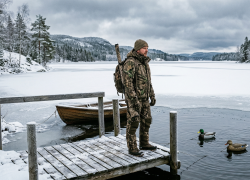
Waterfowl hunting trades walking for waiting, often in blinds or layout boats positioned along migration corridors. The social aspect runs strong here, with duck and goose hunting frequently done in groups sharing a blind.
Beyond the Tree Stand
The traditional image of hunting - a lone figure in a tree stand - represents just one approach. Other styles of hunting that you may want to try include spot-and-stalk hunting in open country, driven hunts popular in Europe, and predator calling for coyotes and similar animals. Each offers distinct challenges and appeals to different temperaments.
Hunting Dogs: Partners in the Field
For many hunters, the dog is the point. The relationship between hunter and hunting dog represents one of the sport's most rewarding dimensions - a partnership built over years of training, fieldwork, and shared experience.
Different game requires different breeds. Pointers and setters excel at locating upland birds. Retrievers shine in waterfowl situations. Hounds track everything from rabbits to bears. Understanding which popular breeds make good hunting dogs helps match temperament and ability to your intended quarry.
If you're considering adding a four-legged partner, understanding how to prepare your hunting dog for his first hunt matters as much as your own preparation. A dog's first season sets patterns that last a lifetime.
Gear and Safety: What You Actually Need
The hunting industry generates billions in annual sales, and manufacturers are happy to convince you that success requires the latest technology. Reality is simpler. Competent hunters have been filling tags for generations with basic equipment, good woodsmanship, and patience.
That said, certain fundamentals aren't negotiable. Essential gun safety practices for experienced hunters apply equally to beginners - safe handling, positive target identification, and awareness of what's beyond your target. These aren't suggestions; they're the foundation of responsible hunting.
For those buying your first gun, the choice depends entirely on intended quarry and hunting style. A shotgun handles everything from doves to deer (with appropriate loads). A bolt-action rifle in a common caliber like .308 or .30-06 covers most North American big game. Start with one versatile option rather than accumulating specialized equipment you may rarely use.
Processing Your Harvest
Hunting doesn't end with a successful shot. Understanding how long deer meat lasts in the freezer and proper processing techniques ensures your harvest provides quality meals for months. Many hunters start by using commercial processors, then gradually learn to do their own butchering as skills develop.
Hunting Trips and Lodges: Taking It On The Road
While most hunting happens close to home on familiar ground, destination hunts offer experiences impossible to replicate locally. A father-son hunting trip to a quality lodge creates memories that outlast any trophy.
The Smoky Mountains offer accessible whitetail and wild boar hunting at operations like RT Lodge, combining laid-back lodge atmosphere with quality hunting. For more exotic pursuits, international destinations like Australia offer entirely different species and hunting styles.
Hunting Cabins: Owning Your Own Piece of Ground
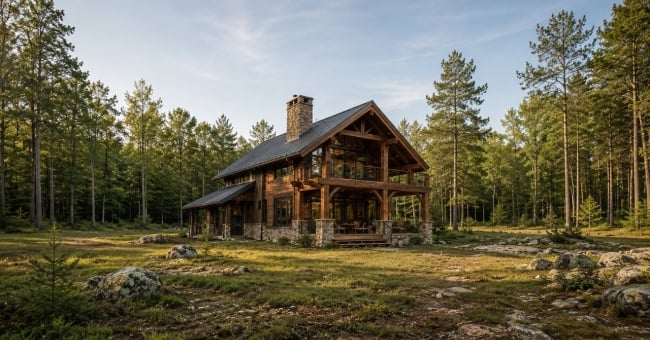
For hunters who find themselves returning to the same area year after year, the question eventually arises: should you buy a hunting cabin or build your own? Ownership provides a base of operations, eliminates lodging costs over time, and creates a family retreat that serves purposes beyond hunting season.
The Conservation Connection
Hunters fund conservation at a scale few realize. The Pittman-Robertson Act, passed in 1937, places an excise tax on firearms and ammunition that flows directly to state wildlife agencies. According to the U.S. Fish and Wildlife Service, this mechanism has generated over $11 billion for wildlife habitat and management programs.
When you buy a hunting license, purchase ammunition, or book a guided hunt, you're directly funding the conservation infrastructure that benefits all wildlife - hunted and non-hunted species alike. It's a user-pays system that has proven remarkably effective at restoring game populations and preserving habitat.
Getting Started: Your Path Forward
The gap between "interested in hunting" and "competent hunter" is smaller than it appears. Every state offers hunter education courses - many now available online - that cover safety, regulations, and basic skills. From there, mentorship from experienced hunters accelerates learning dramatically.
Start small. A morning dove hunt or an afternoon pursuing squirrels teaches fundamentals without the pressure of a once-a-year trophy hunt. Build skills incrementally, learn to read sign and understand animal behavior, and gradually expand your ambitions as competence grows.
The 14.4 million Americans who hunted last year aren't all lifelong outdoorsmen. Many started exactly where you are now - curious, perhaps slightly intimidated, but drawn to an activity that connects modern men to something ancient and essential. The woods are waiting.
Sources
U.S. Fish and Wildlife Service
- 2022 National Survey of Fishing, Hunting, and Wildlife-Associated Recreation: https://www.fws.gov/program/national-survey-fishing-hunting-and-wildlife-associated-recreation-fhwar
- Hunting participation, expenditure, and demographic data
National Shooting Sports Foundation (NSSF)
- Hunting economic impact data and industry research: https://www.nssf.org/research/
Colton Cozza Shares Why He Loved Doing A Father and Son African Hunting Trip
I Always Leaned Toward Metal for a Hunting Cabin, Until Timber Frame Changed My Mind
Building a Hunting Cabin? Here's The Decisions You Need to Make Before Selecting The Site
Beyond A Gun: Important Gear You Need When You Are Hunting Eat
How To Get Started Hunting as an Adult Who Never Learned as a Kid
A Complete Guide to Selecting the Best Ice Eater for Duck Hunting
Buying Your First Gun: Advice for New Owners On What To Look For
Many Men Love To Eat Beaver - Yes, You Can Eat Beaver Meat!
RT Lodge: Perfect For A Laid-Back Smoky Mountains Guys Weekend Getaway
Hunting Gifts
Brazos River Lodge: An Outdoorsman Retreat in New Mexico
Hunting American Bison: How And Where To Hunt Buffalo In The United States
10 Hunting Gifts That Will Actually Get Used: A Holiday Guide for Serious Outdoorsmen
Essential Gun Safety Practices for Experienced Hunters
Thinking Of Trying Target Shooting? Here's What You Need To Know
How to Prepare for Your Hunting Dog For His First Hunt
How Long Does Deer Meat Last In The Freezer - A Guide To Preserving Venison
Deer Hunting Tips For Beginners: How You Can Learn To Hunt
Beyond The Tree Stand: Other Styles Of Hunting That You May Want To Try
Amazing Mancation Ideas