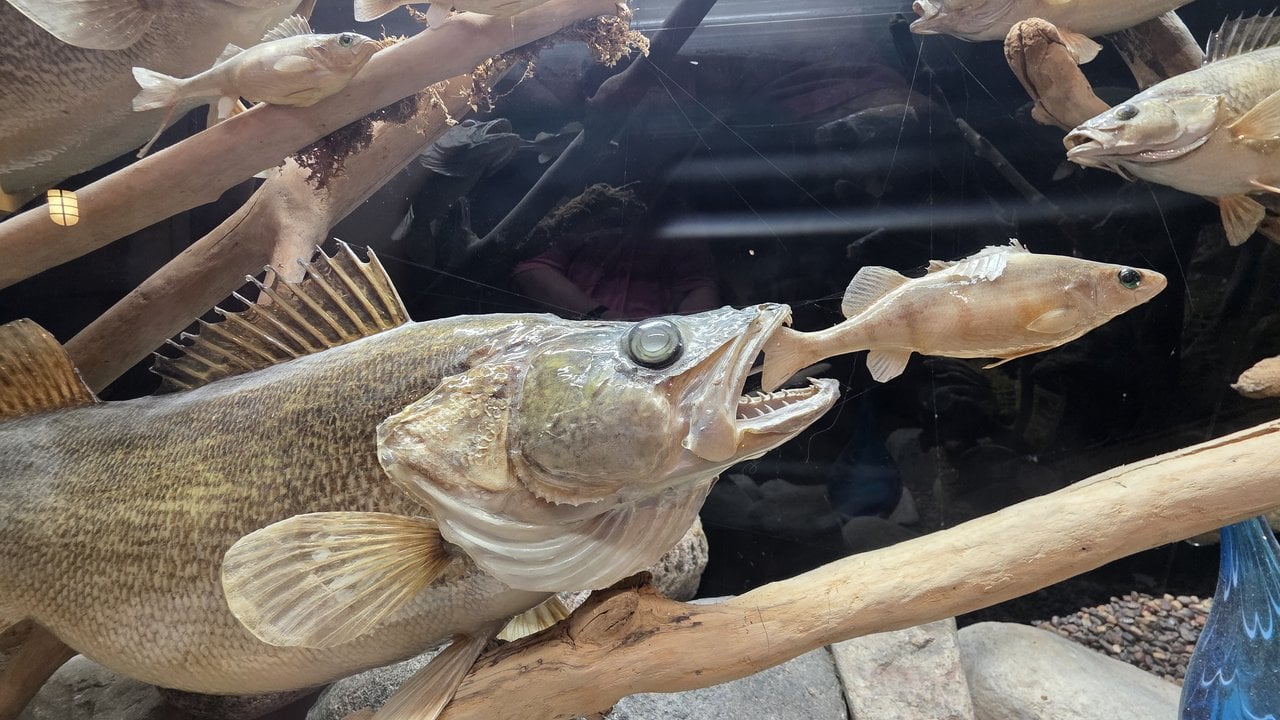
Port Clinton, Ohio bills itself as the Walleye Capital of the World, and after one morning on Lake Erie I no longer had to wonder if it deserved that title. While I never put a walleye in the cooler myself on this first trip, I came home with a head full of what every beginner needs to know before booking a walleye fishing trip to Shores and Islands Ohio - the methods, the timing, and the low-light tricks that actually put Lake Erie walleye in the boat.
What Do You Call Your "Guys Trips"?
If you have never targeted walleye before, a few truths will save you a wasted trip and a bad sunburn.
- The method that works changes with the calendar - jigging the rocky reefs in spring, then trolling crawler harnesses and crankbaits once summer settles in.
- Your smartest first move is booking a charter, not buying tackle - a half-day with a captain teaches you more than a whole season of YouTube.
- Walleye feed hardest in low light and a little chop, so a glassy, bluebird afternoon is often the worst time to be on the water.
- The late-June mayfly hatch can shut the bite off fast, and knowing it is coming keeps you from blaming your own casting.
- The real payoff is on the plate - fresh Lake Erie walleye is some of the best eating in freshwater, and the locals treat it that way.
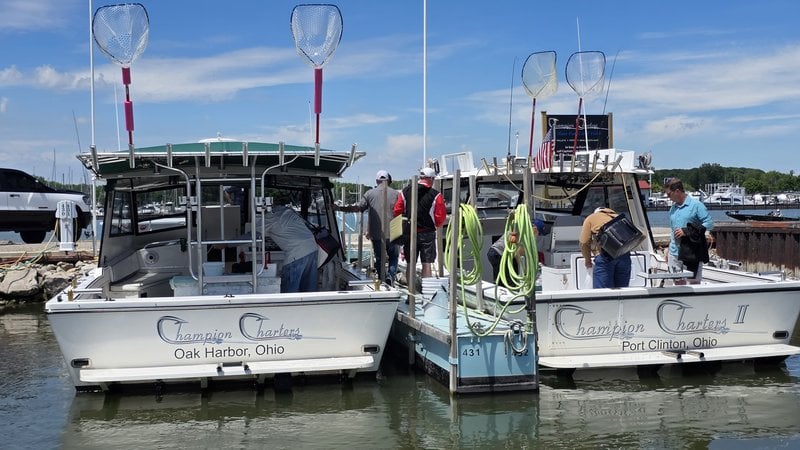
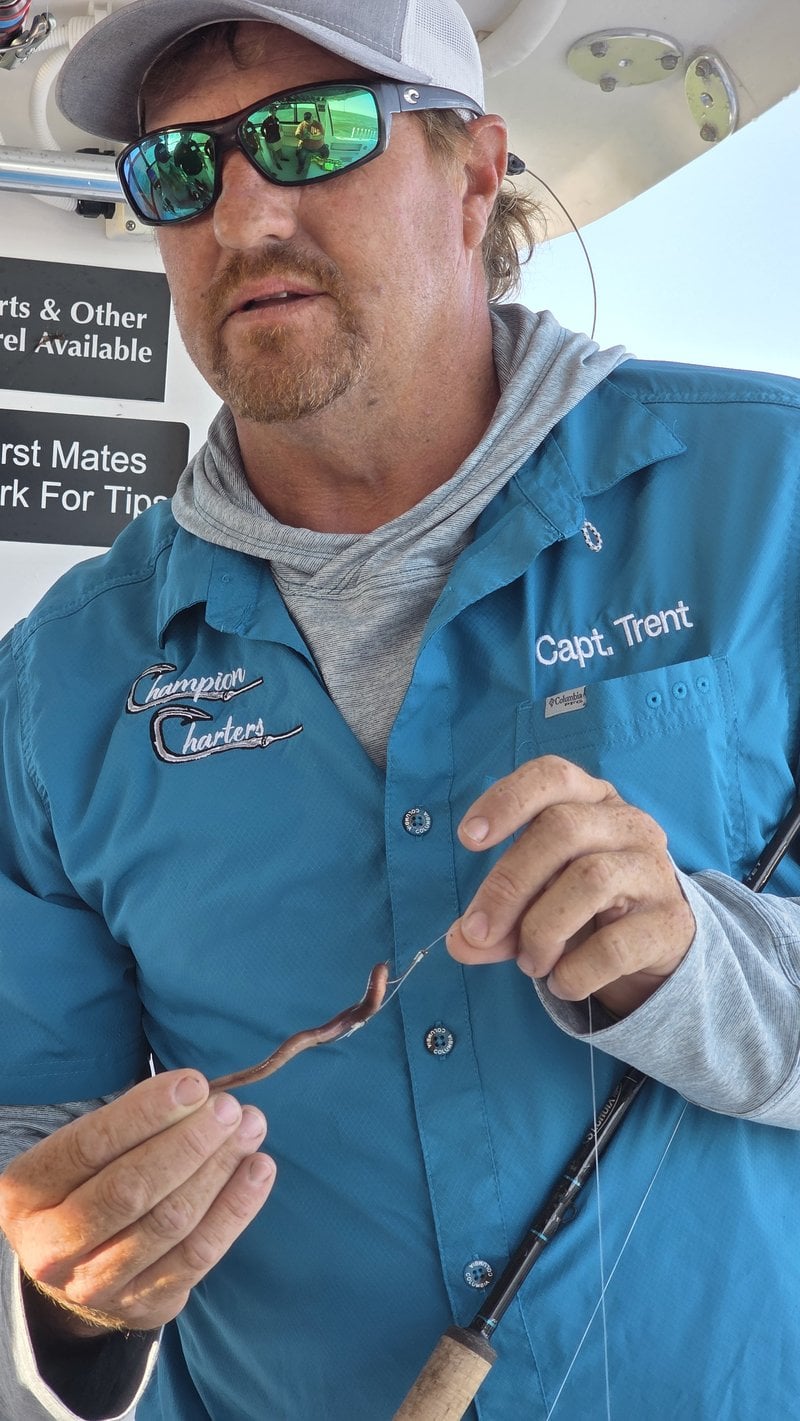
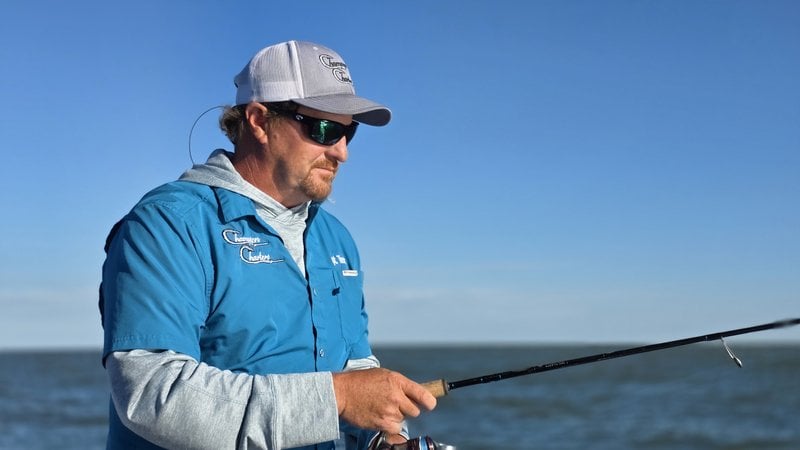
Most of what follows I picked up in a single morning aboard a Champion Charters boat out of Port Clinton, watching Captain Trent run the spread while the rest of the captains traded notes over the radio. Almost none of it is complicated once someone shows you where to put your bait.
Book a Charter Before You Buy a Single Lure
The best thing a beginner can do is skip the tackle-shop spree and book a guided trip first. One morning with a captain who reads the lake every day beats a whole season of guessing. The boat shows up rigged, the captain works the electronics, and your only job is to hold the rod and pay attention to what he is doing differently from you.
Port Clinton's Western Basin is thick with charters. I went as a guest of Ohio DNR and Shores & Islands Ohio (the region's tourism office) but they keep a full directory of fishing charters if you want to compare boats and captains. Most run as a "six-pack," meaning up to six anglers, so for a weekend with the guys you split the cost and everyone walks off the dock actually knowing how this is done. Like any fishing charter, the price is typically the same for 4 as it is for six, so plan accordingly. Some captains do allow for coordinating pairs or even solo travelers that want to join a group with space.
How To be a More Responsible Fisherman When You Travel
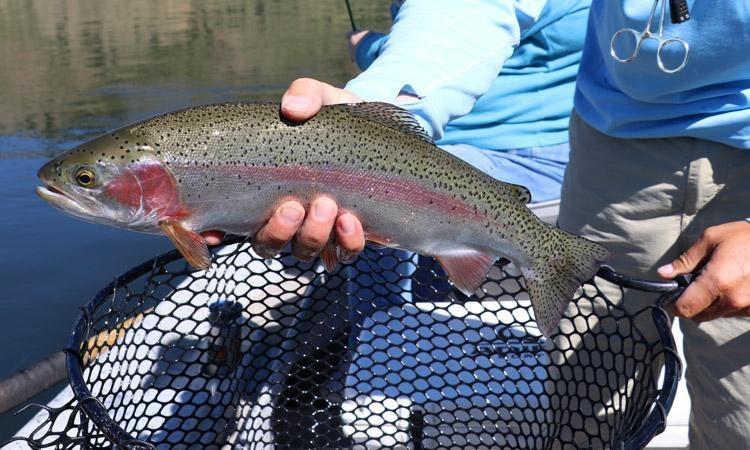
When fishing, it is critical that you be a respectful steward of natural resources. Here are some tips to help make sure that the fish and environment you enjoy today will still be there for future generations by being a responsible fisherman.

KastKing SteelStream 6pc Fishing Tool Kit
A six piece fishing tool kit with pliers, fillet knife, lip gripper and braid scissors, a great gift for men who fish.

KastKing BlowBak Tactical Sling Tackle Bag for Fishing Gear
A lightweight sling tackle bag that stores fishing gear and equipment, a practical gift for men who fish.
Promoted by FlowAds

Match Your Fishing Method to the Season
Walleye do not behave the same way all year, so your approach should not either. In spring, when the water is still cold, the fish stack up on the rocky reefs of the Western Basin near the Bass Islands, and anglers drift or anchor over them and work a jig tipped with a minnow right along the bottom. Once the water pushes past 60 degrees and the fish suspend out over open water, trolling takes over - captains pull crawler harnesses (a spinner blade ahead of a nightcrawler) and diving crankbaits behind planer boards to cover ground and find the school. In shallower rock and around humps, casting a weight-forward spinner like the old Erie Dearie tipped with a worm is about as beginner-friendly as it gets.
If you would rather chase bass on a different weekend, a lot of this carries straight over - I laid out the starting points in my guide to bass fishing tips for beginners, and the lessons about boat control and reading water are the same. Those fundamentals are the base you build on for years.
Man Gear Pick of the Month
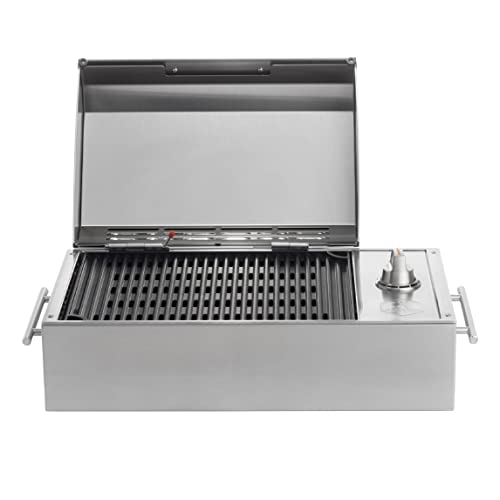
Kenyon City Grill Portable Stainless Steel Electric Grill
Why we picked it: a grill you can actually carry to the campsite, the tailgate or the cabin without borrowing a truck. Stainless, no propane tank to wrestle, and hot enough to cook for four guys rather than reheat for one.
 August's Pick LiberNovo Maxis Electric Big and Tall Ergonomic Office Chair, Graphite 52cm $1,466.00
  July's Pick Powerful Propane Torch Gun, Adjustable Flame Thrower Gun, Kitchen Torch with Detachable Design, Flamethrower Blow Torch for BBQ, Searing Steak, Welding, Camping Charcoal Lighter(Tank Not Included) $41.99
  June's Pick OYASUMI Funny BBQ Man Hot Dog Holders, 4 PCS Reusable Stainless Steel Sausage Stands, Portable Hot Dog Roasters, Barbecue Grill Accessories for Camping & Party Gifts $14.98
 Promoted by FlowAds

Walleye Have Eyes, So Fish the Low Light and Don't Fear The Chop
Walleye get their name from those big, glassy eyes, which are built to gather light. That means they own the dawn, the dusk, and the gray, choppy days that send fair-weather boaters back to the marina. Anglers on Lake Erie actually hope for a "walleye chop," the one-to-two-foot roll that breaks up the surface, scatters the light, and gets the fish feeding. A flat, sunny, dead-calm afternoon is usually the toughest hand you can be dealt. If your only free dates land on a bluebird weekend, fish hard early and late and take the middle of the day for a long lunch.
Unfortunately for us we sorta got the worst of both worlds - it was so muddy from a storm that rolled through the night before that it was a mess in the water and then it turned into relatively calm waters right before we headed back in. It's ok though, we had a blast and I learned a lot about what to do right next time to catch some of those keepers.
Mind Your Speed and Your Depth
When you are trolling, the two dials that matter most are speed and depth, and beginners almost always botch the speed. In cold water, 34 to 50 degrees, the fish are sluggish and you want to crawl, sometimes barely over one mile per hour.
As the lake warms into the 60s and 70s, walleye turn aggressive and you can pull baits at two miles per hour or faster. Depth is the other half of the puzzle: walleye relate to the bottom and to the thermocline, so the captains stare at their electronics, mark fish, then put baits right in their faces with inline weights, diving planers, or lead core line.
Plan Around the Mayfly Hatch Season
The mayfly hatch season is obnoxious for those on shore fighting swarms of bugs, but it's a literal feeding frenzy for hungry fish. For a stretch of late June into early July, millions of mayflies swarm around Lake Erie, the walleye gorge themselves silly, and the fish you could not keep off the line last week suddenly ignore everything in your box. It is not your fault, it is the bugs. If your dates land in the hatch, lean even harder on a local captain who can adapt, or aim for late spring or August when the bite runs more dependable. Just knowing the hatch exists puts you ahead of most beginners.
From Lake to Table Is the Whole Point
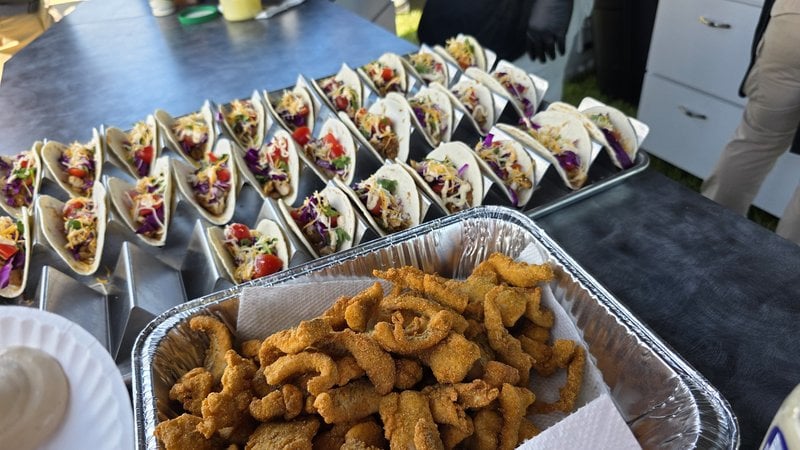
The part of the weekend I did not see coming was the food. Parked right at the event, the ODNR's Wild Ohio Harvest mobile kitchen - an 18-foot trailer that turns wild-caught Ohio fish and game into real meals - was serving fresh walleye as fried bites and tacos, and it was a genuinely great lunch, not an afterthought.
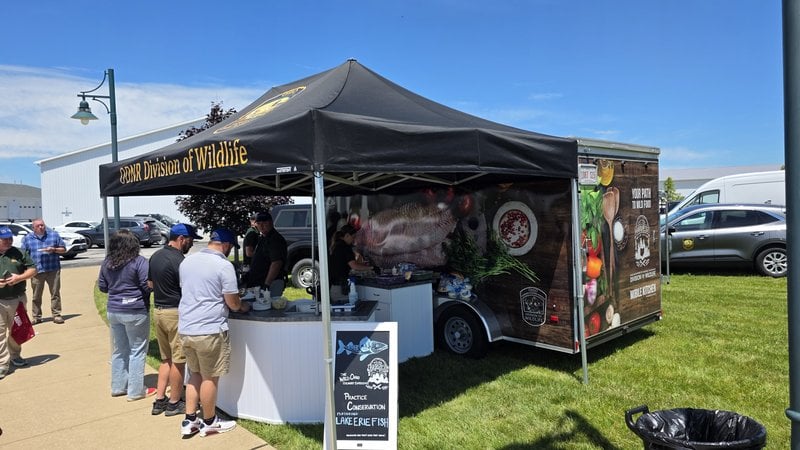
What stuck with me was the thinking behind it. The folks at the ODNR Division of Wildlife are every bit as serious about the fish being dinner as they are about sustainability and sport, and to me, that is the entire point of fishing. While schedules are different each year, in the past they have run "Field to Table: Venison Week" and "Venison 101: Harvest To Table" (in partnership with OSU) classes that walk people through cleaning, processing, and cooking deer and other game, so the hunters in your group can get just as much out of a fall trip back this way. Keep your limit, learn to fillet a walleye, and a fun morning on the water turns into the best dinner of the trip.
Shores and Islands Ohio Should Be Your Next Fishing Trip Spot
If you have never caught a walleye, Lake Erie out of Port Clinton is the place to fix that, and the map makes it almost too easy to turn this into the perfect spot for a Great Lakes guys trip! Port Clinton sits about halfway between Cleveland and Detroit, and it is a straight shot from Pittsburgh, Indianapolis, or Chicago - close enough that four buddies can leave Friday after work and be on a boat by sunrise Saturday.
Book a morning charter for the group, grab a block of rooms near the water, and build the rest of the weekend around the islands and the lakefront bars ... or even a stop at Cedar Point!

Promoted by FlowAds
