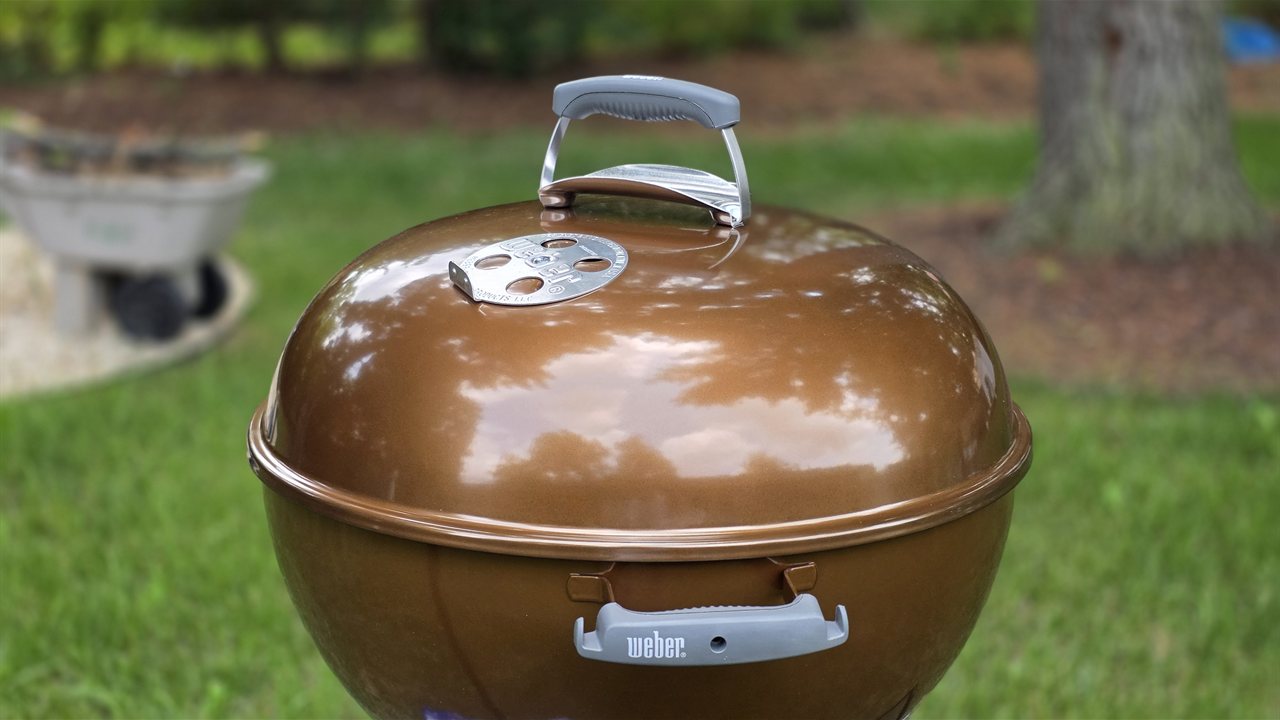
The Weber Original Kettle Premium is the 22-inch charcoal grill that has anchored American backyards for decades, and it sells for $249 in the copper finish or $229 in black. Weber sent me one this summer, and it is the first charcoal I have cooked on in more than 15 years after a long run on gas and pellets. The learning curve was steeper than I expected, but the venison at the end of it was worth every ruined burger while I learned how to cook on coals correctly!
A kettle is the least complicated grill Weber builds, and most of what it does well comes straight out of that simplicity.
- 363 square inches of grate - Weber rates it at roughly 25 burgers, so a guys night does not get cooked in shifts.
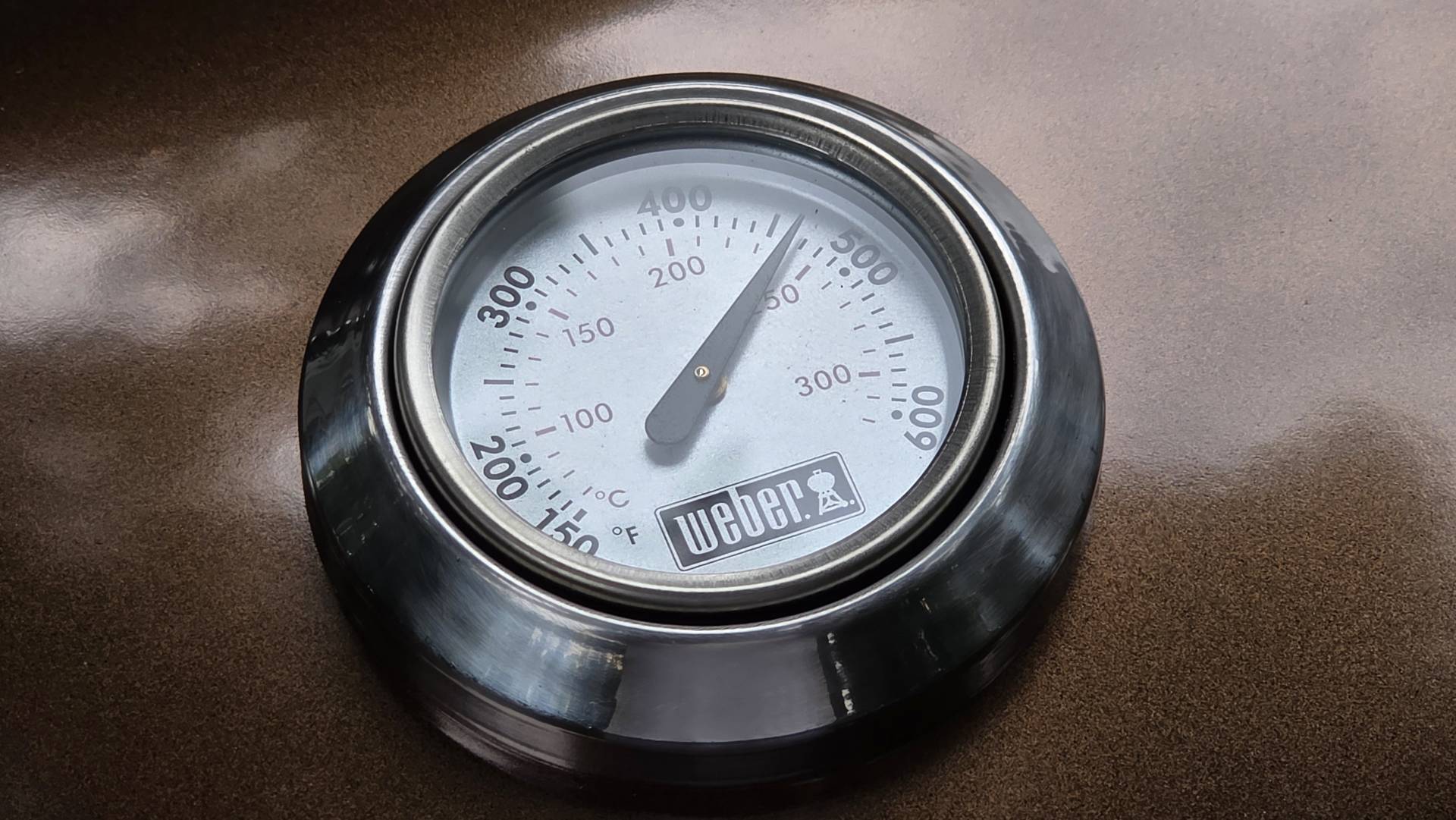
- A thermometer built into the lid - you cook to a number instead of holding a palm over the grate and guessing.
- A grate hinged on both sides - you can feed in more coals mid-cook without lifting the food off.
- One-Touch cleaning and an enclosed ash catcher - a few sweeps of the lever and the ash is contained instead of blowing across the patio.
- A lid hook on the bowl - otherwise there is nowhere to put a 500-degree lid except the grass.
I have spent this summer at the other end of the spectrum, including a Kenyon City Grill that turned me into an electric believer and a Current Model G2 that kept me there. The kettle is the opposite argument, and I wanted to be able to make both.

Weber Original Kettle Premium Charcoal Grill, 22-Inch, Copper – Outdoor BBQ Grill with Built‑In Thermometer, Heat Control Dampers & One‑Touch™ Cleaning System
Sponsored

Why I Wanted A Kettle After Years Of Gas And Pellets
I have a gas grill I like and I have been getting into electric, but real fire kept getting away from me. Last summer in Memphis I spent time around the live-fire guys who cook the way Al Frugoni does, and it went from an idea to something I wanted to do myself.
It feels strange to admit that with that much good gear already in the backyard, some of it sent to me for review, and some of it bought with my own money. The one thing I did not own was the simplest one.
The first time I cooked over charcoal, I was a young man standing next to my dad, me with a pop and him with a beer, the two of us talking while the flames turned to ripping hot coals ready to cook on. Men have been having that exact conversation over fire for thousands of years, and you simply do not get that same experience standing over a gas burner that lights on the first spark.
I'll still keep my pellet grill and my Weber Spirit gas grill but learning how to cook with real fire is an exciting challenge that I'm excited to spend more time on this summer.
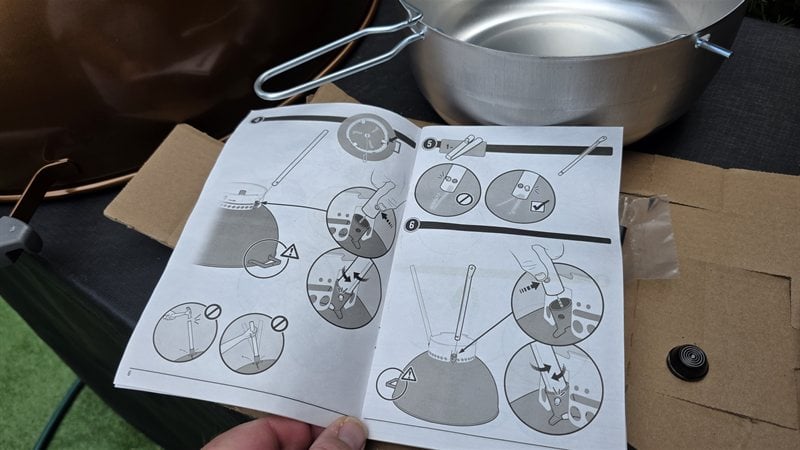
The Kettle Grill Can Be Assembled In Under Thirty Minutes
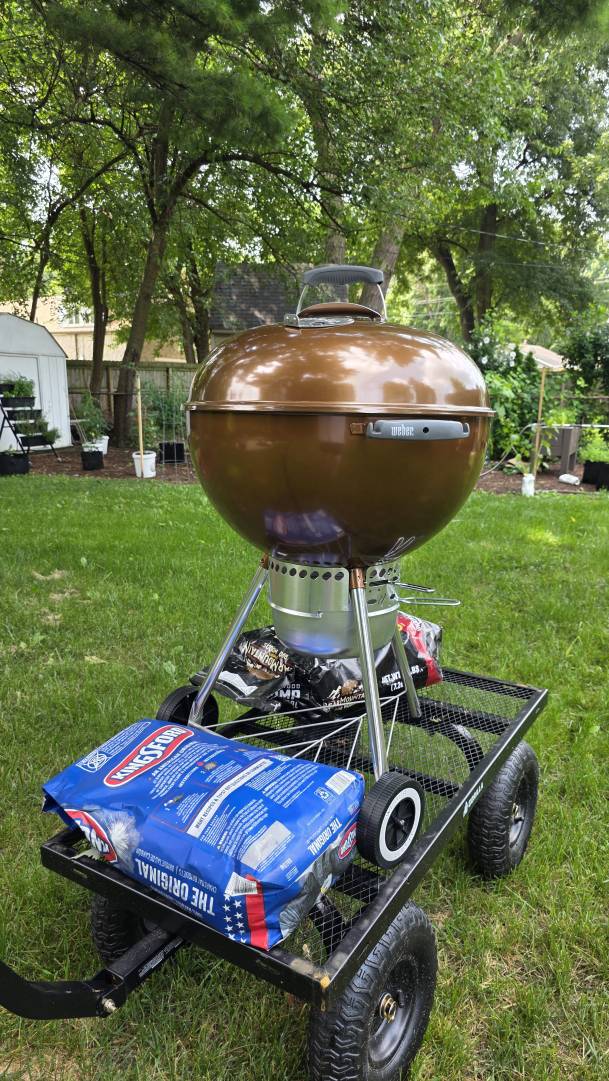
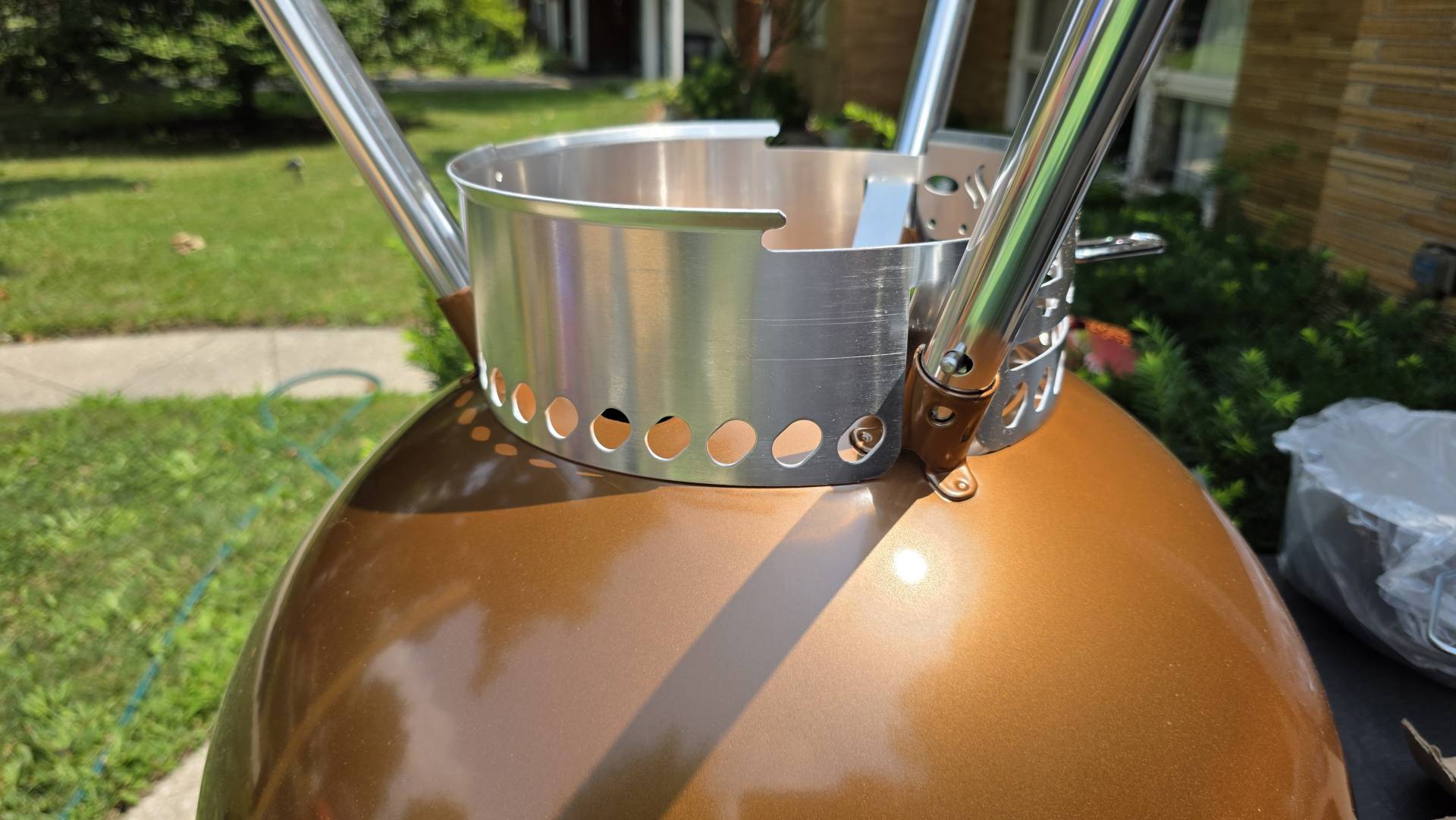
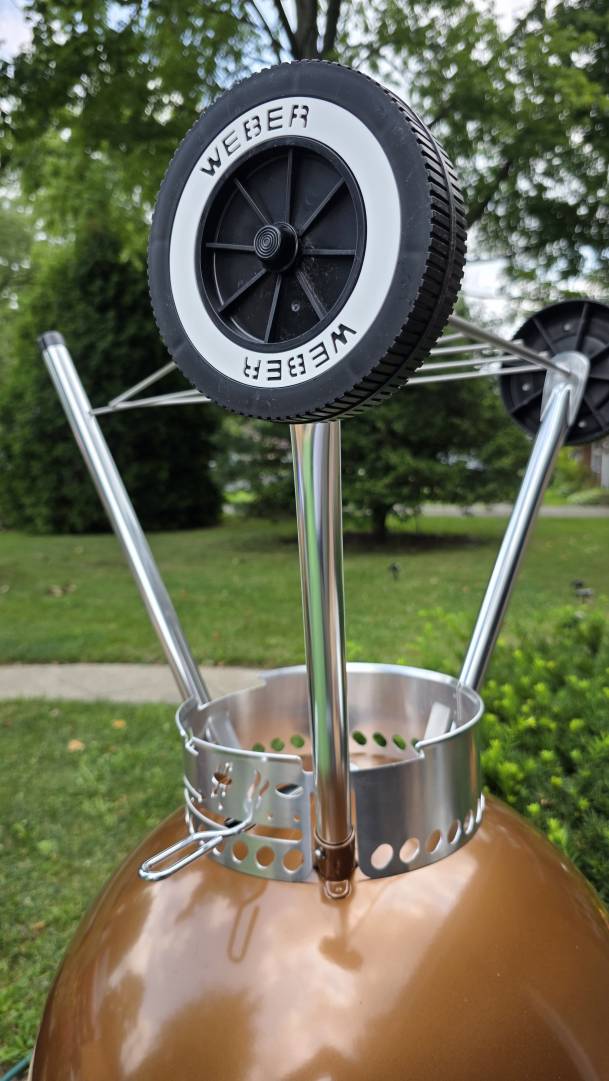
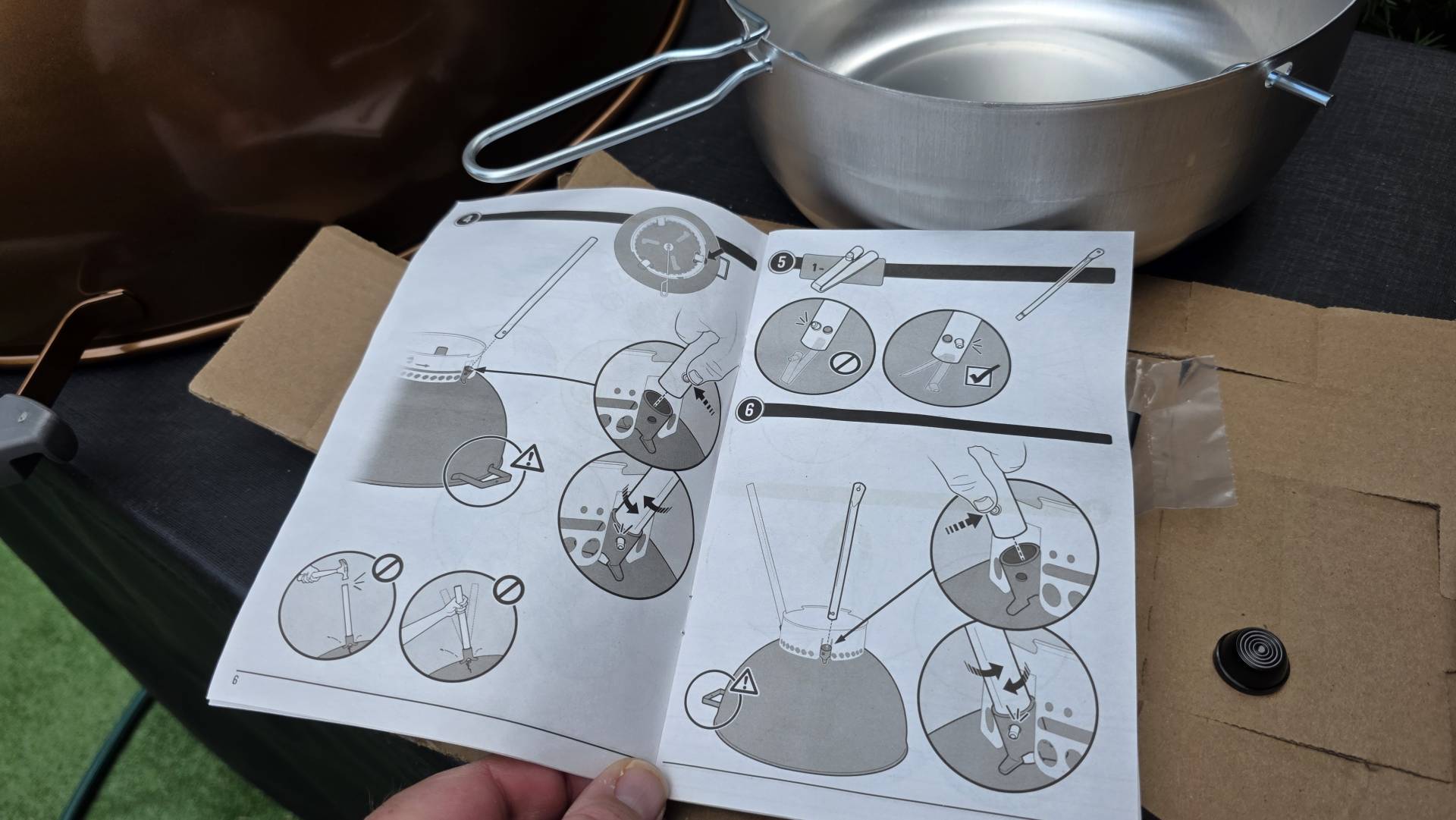
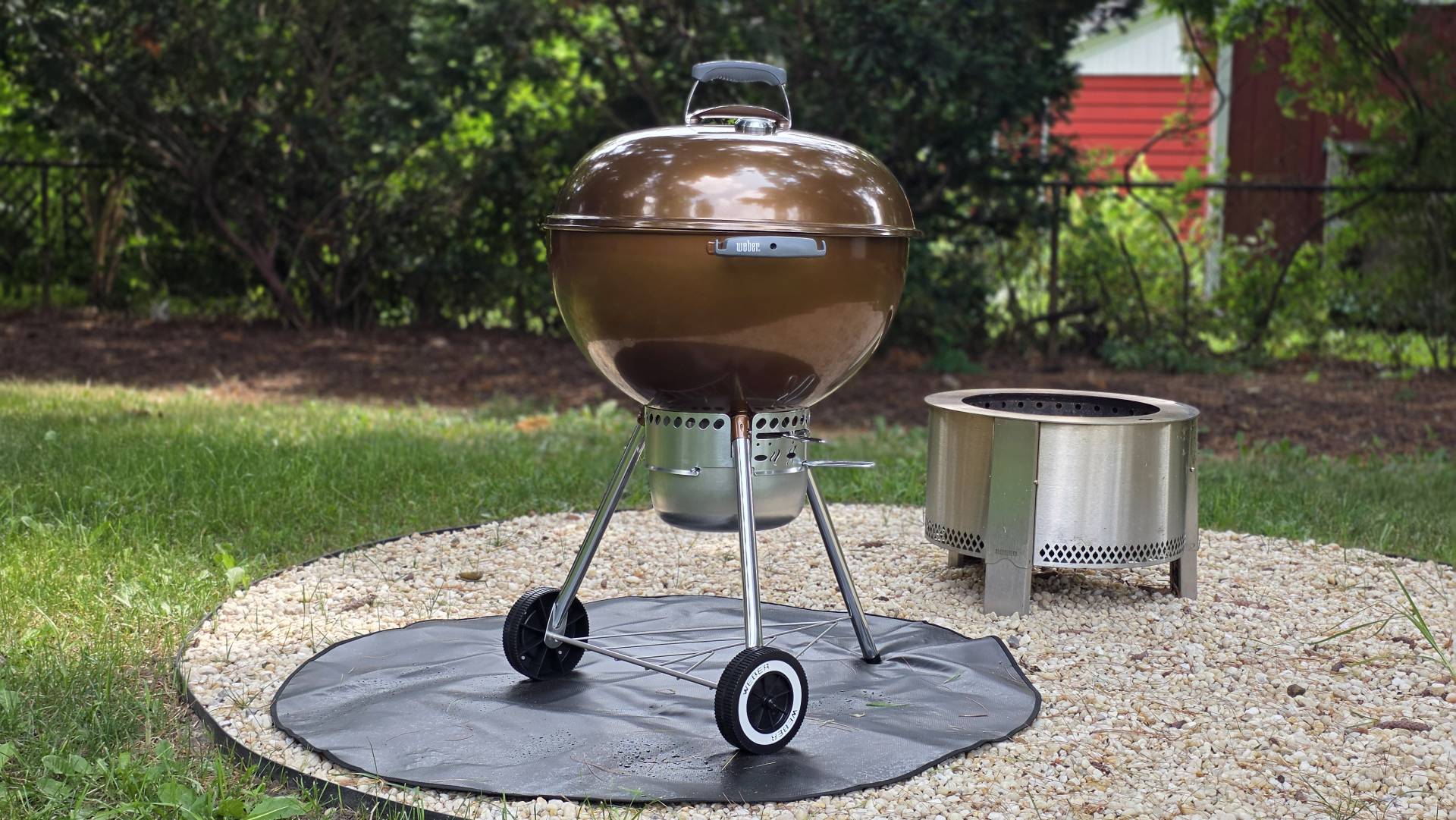
Assembly took me less than half an hour, and once it is built, the thing moves around the yard easily. Two wheels and three aluminum legs is the entire chassis, which is part of why a design from the 1950s still works.
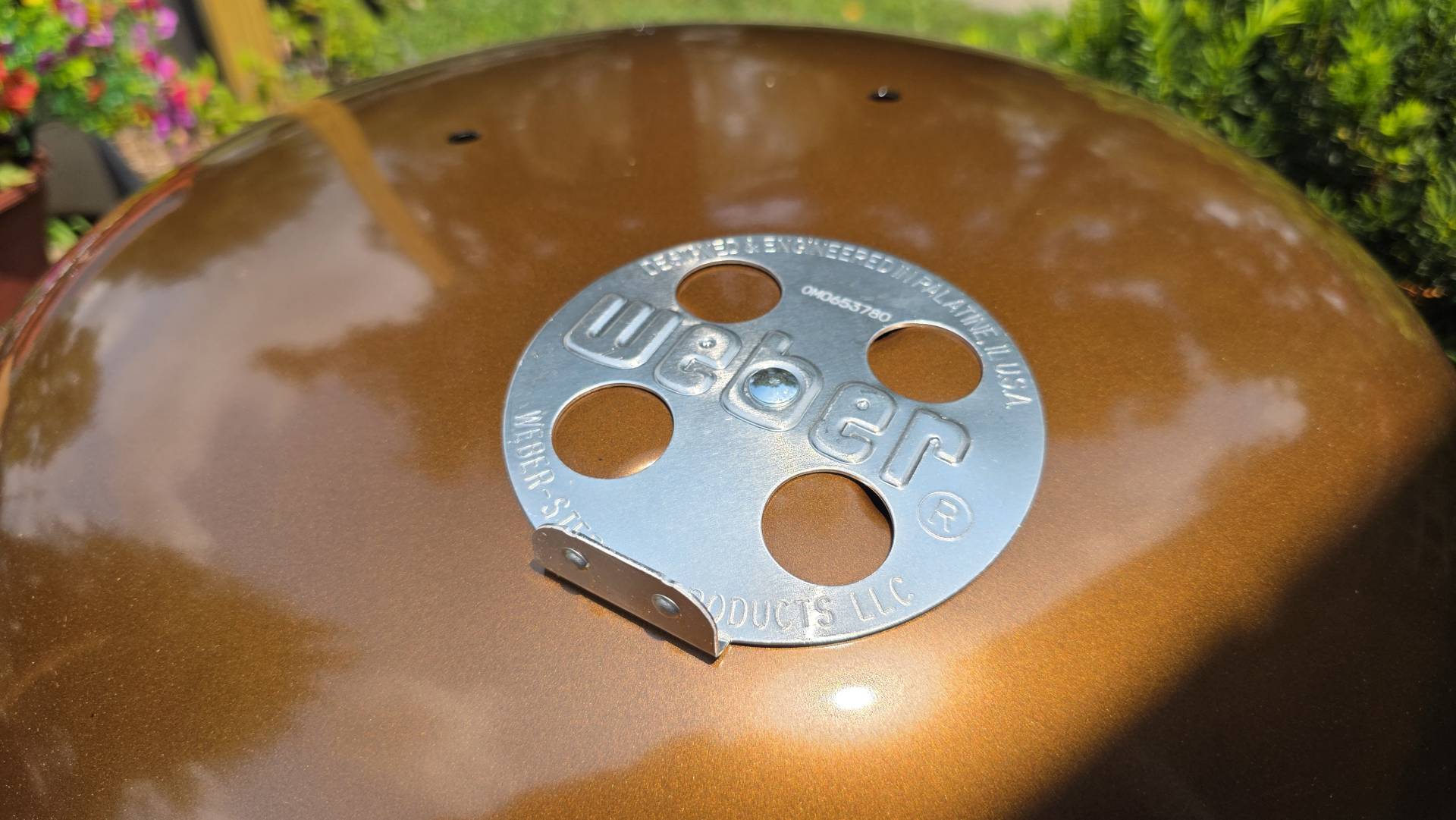
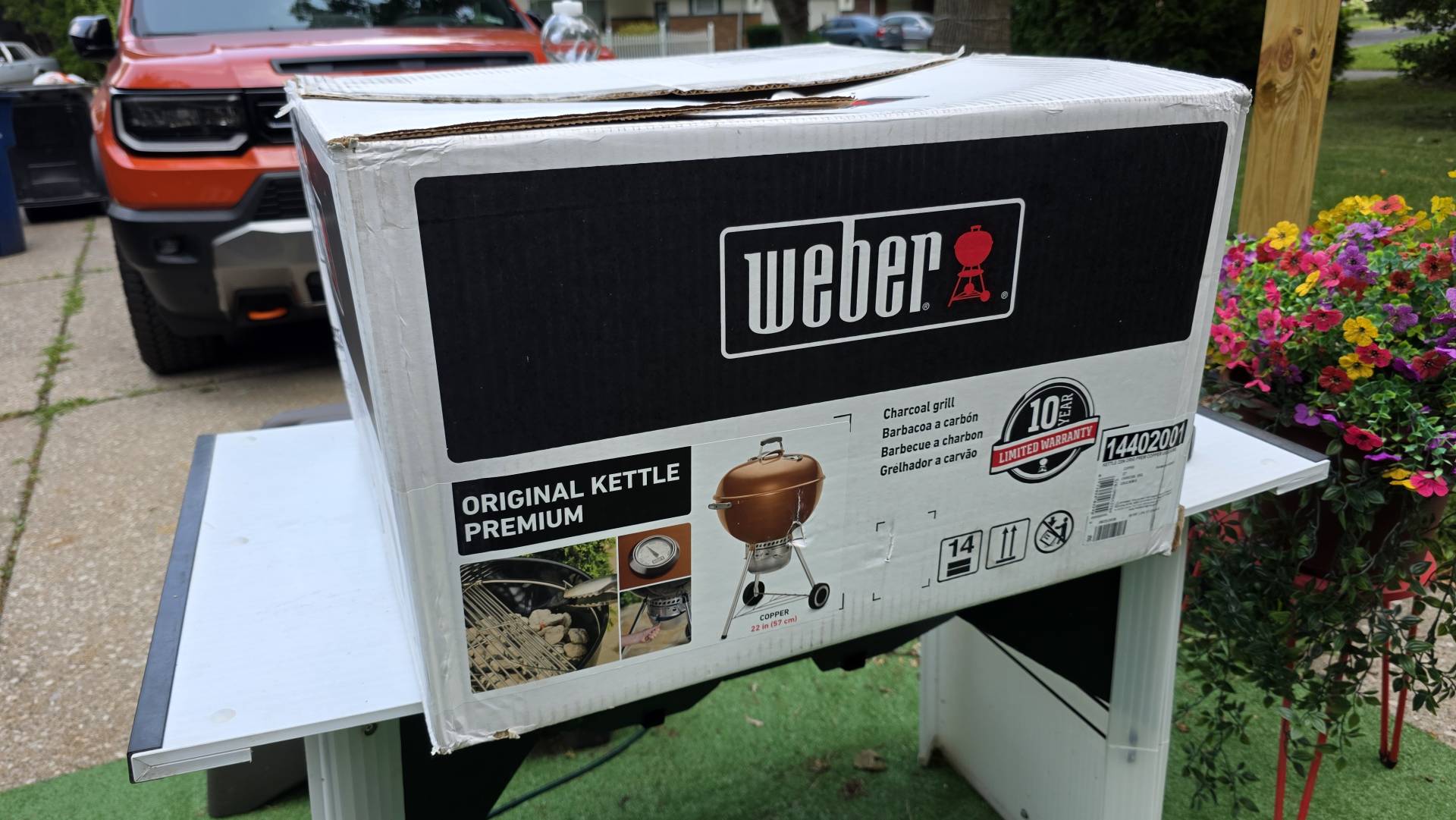
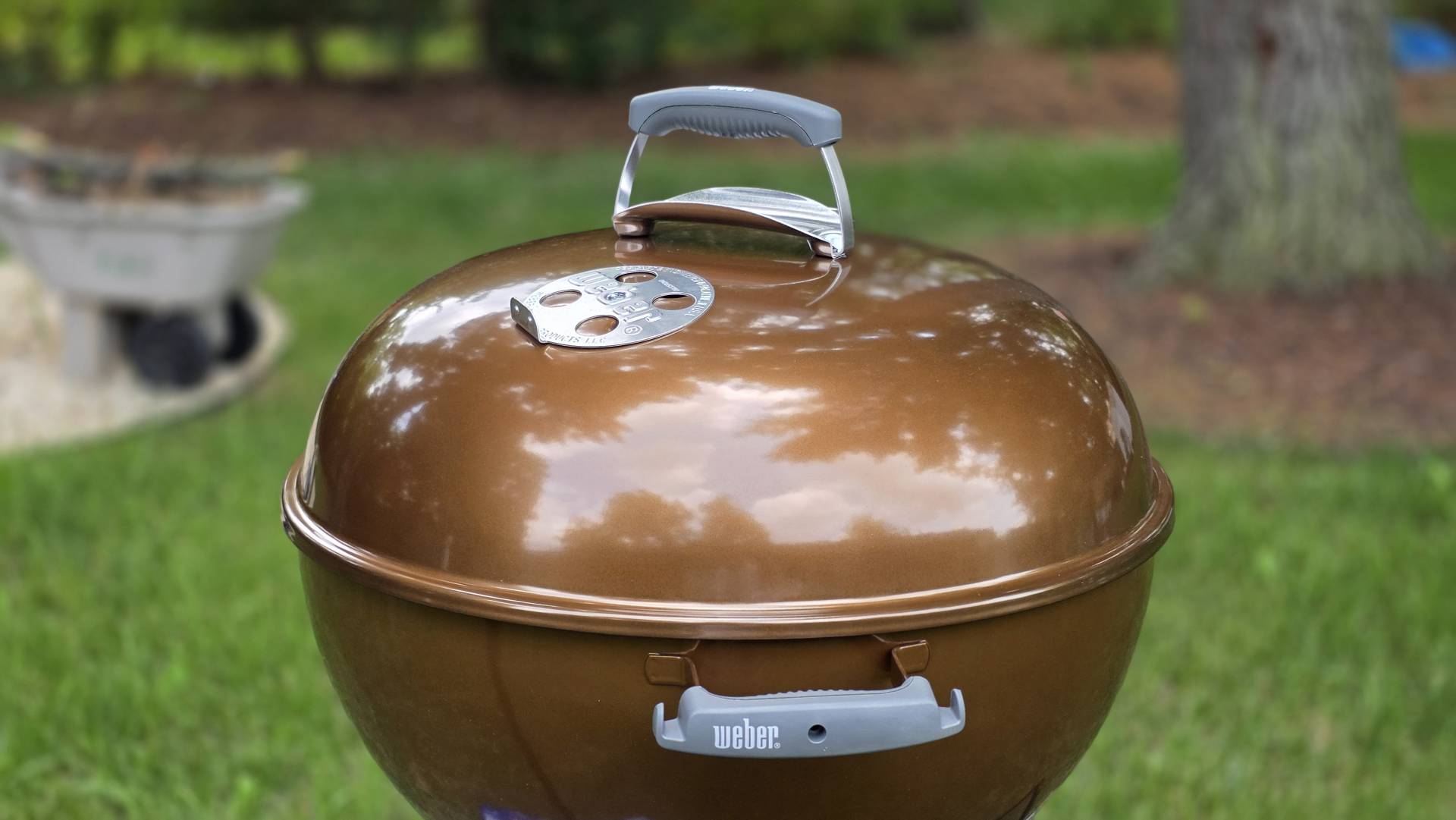
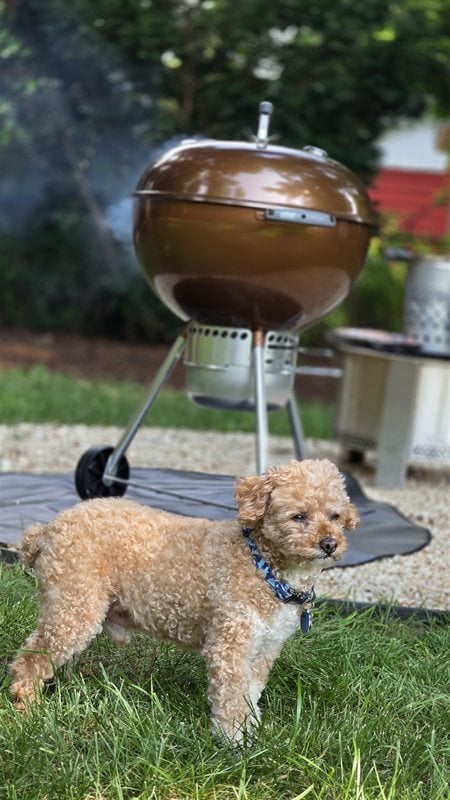
I could have taken basic black and saved twenty dollars. I took the copper instead, and it has become the signature piece in my backyard. The color is porcelain enamel fired onto steel rather than paint, so it is not a finish that chips off the way a coated grill does.
Charcoal Takes Time But The Benefits Are Worth The Wait
Gas and electric are easy, clean, and offer reliable heat. You turn it on and you're cooking. Charcoal is none of those things, and the first thing it takes from you is your schedule.
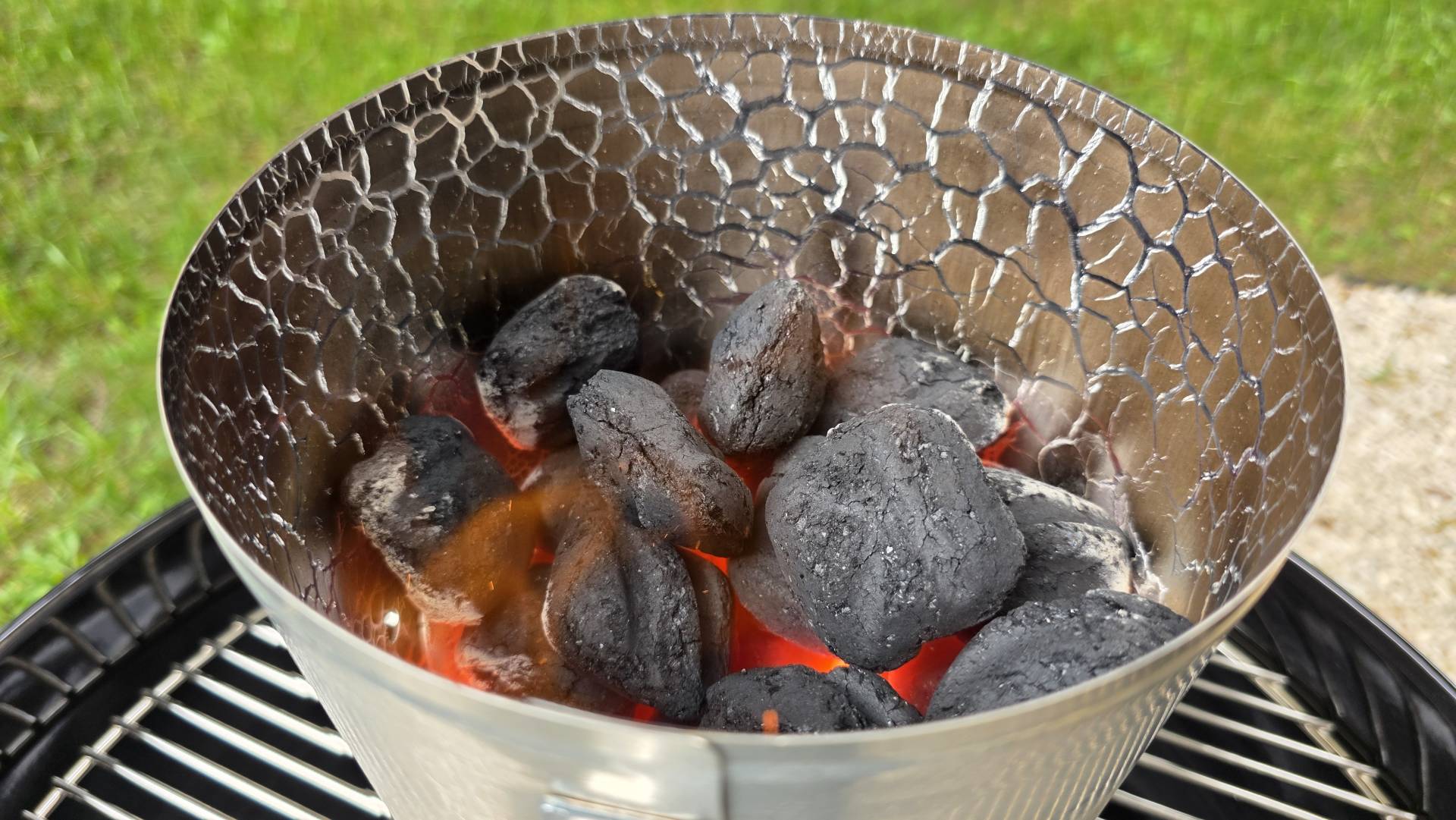
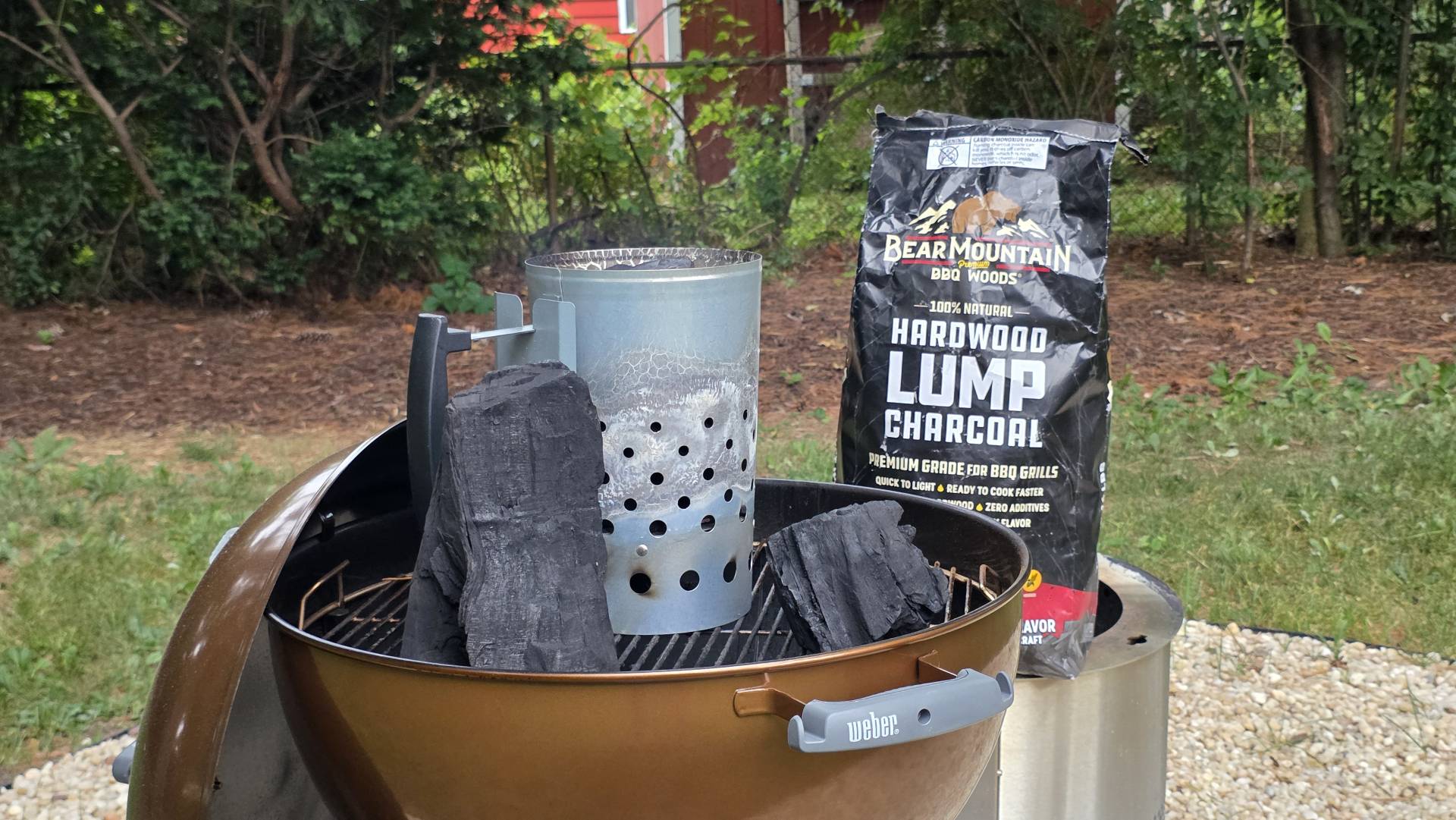
Coals want 20 to 30 minutes before anything belongs on the grate, and that is 20 to 30 minutes you spend waiting rather than cooking. On a weeknight that is the difference between dinner on time and dinner an hour late.
The second thing it takes is a few cooks worth of pride. I incinerated an entire batch of burgers before I produced anything I was willing to put in front of Jim and Heather. Do not schedule your first charcoal cook for the night the guys are coming over. Learn on your own food first.
The lid thermometer is what makes that stretch survivable. Charcoal swings in ways a gas burner never does, and a number on the dome tells you whether you are searing or slow-cooking before the food has to tell you.
The Pork Chops Were Good, The Venison Was Better
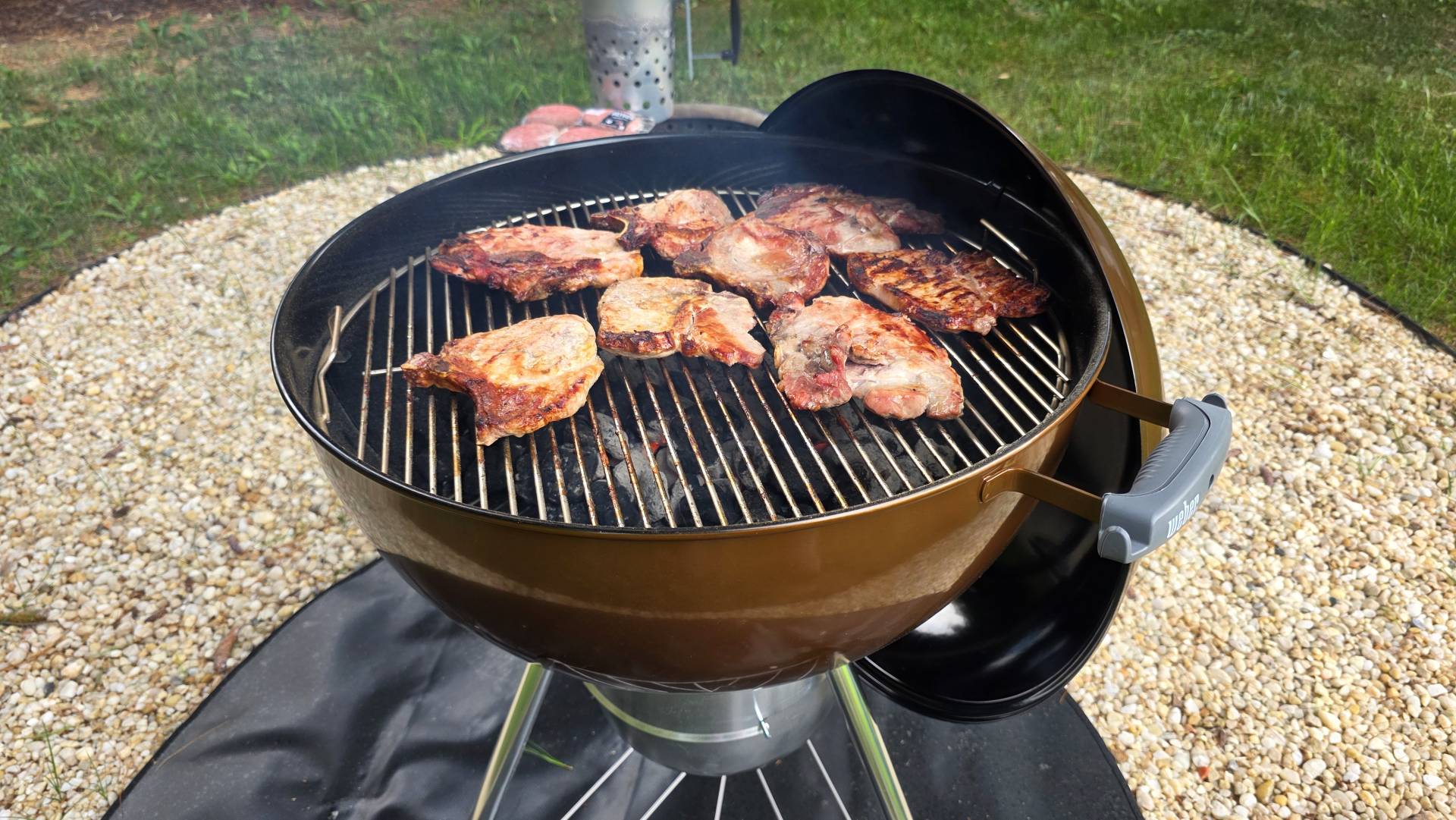
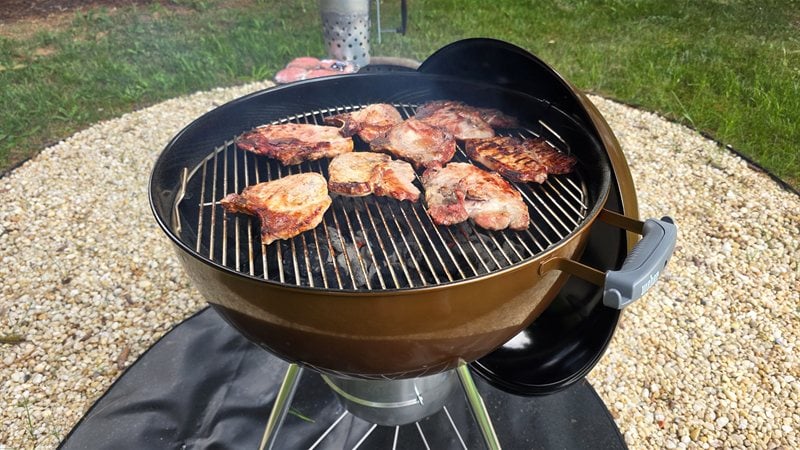
The pork chops that followed the burger disaster came off well ... well done actually. It did take me a few times to get things right but I eventually did.
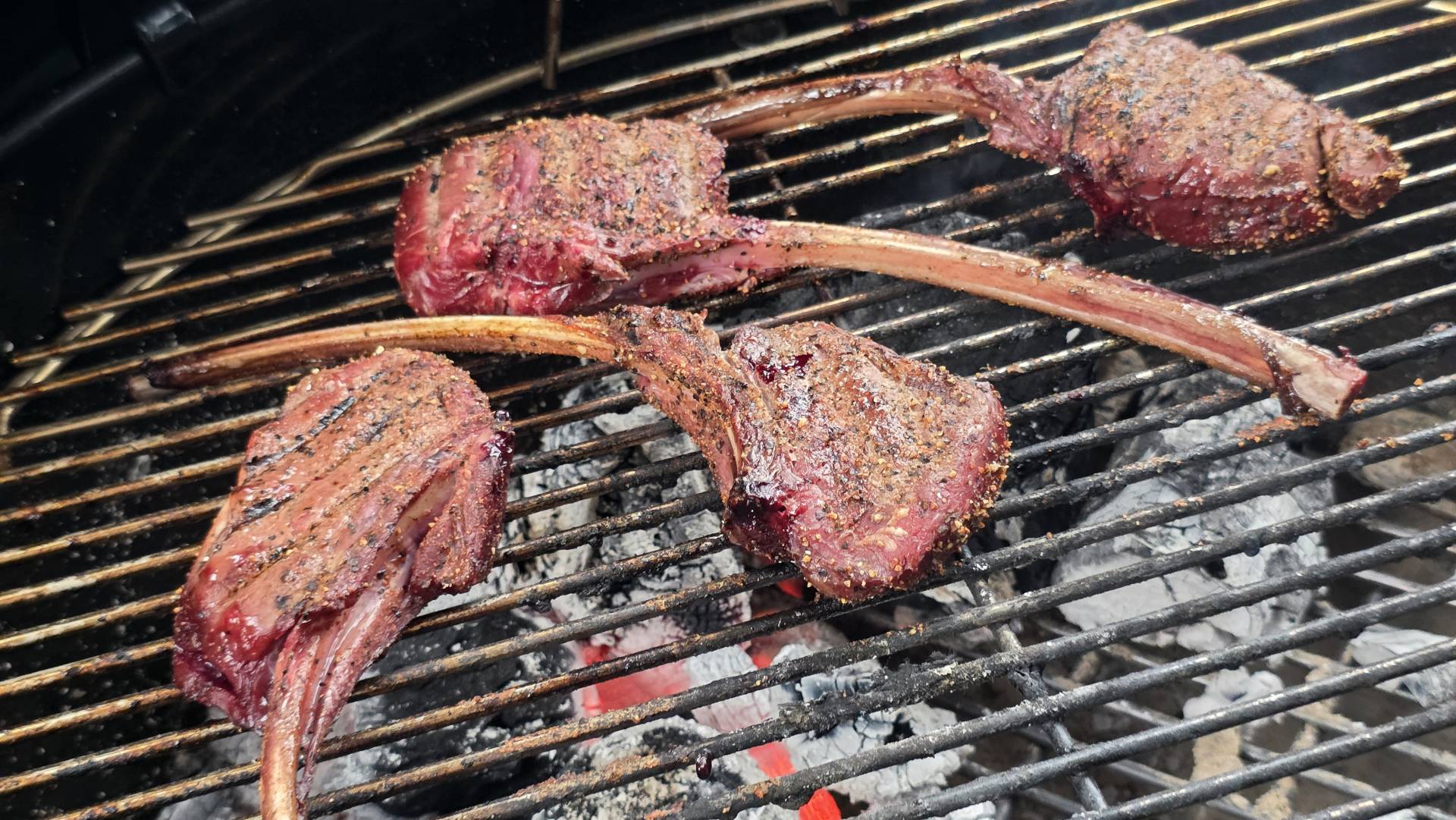
A few days after that, I put venison tomahawks from Force of Nature over Bear Mountain lump charcoal, and I got exactly what I had been chasing. Hard sear on the outside, still properly medium rare through the middle, and a smokiness no gas grill has ever given me. I have cooked venison tomahawks before, and this was a different plate entirely. Served to me in a steakhouse at $50 I would have paid it without blinking.
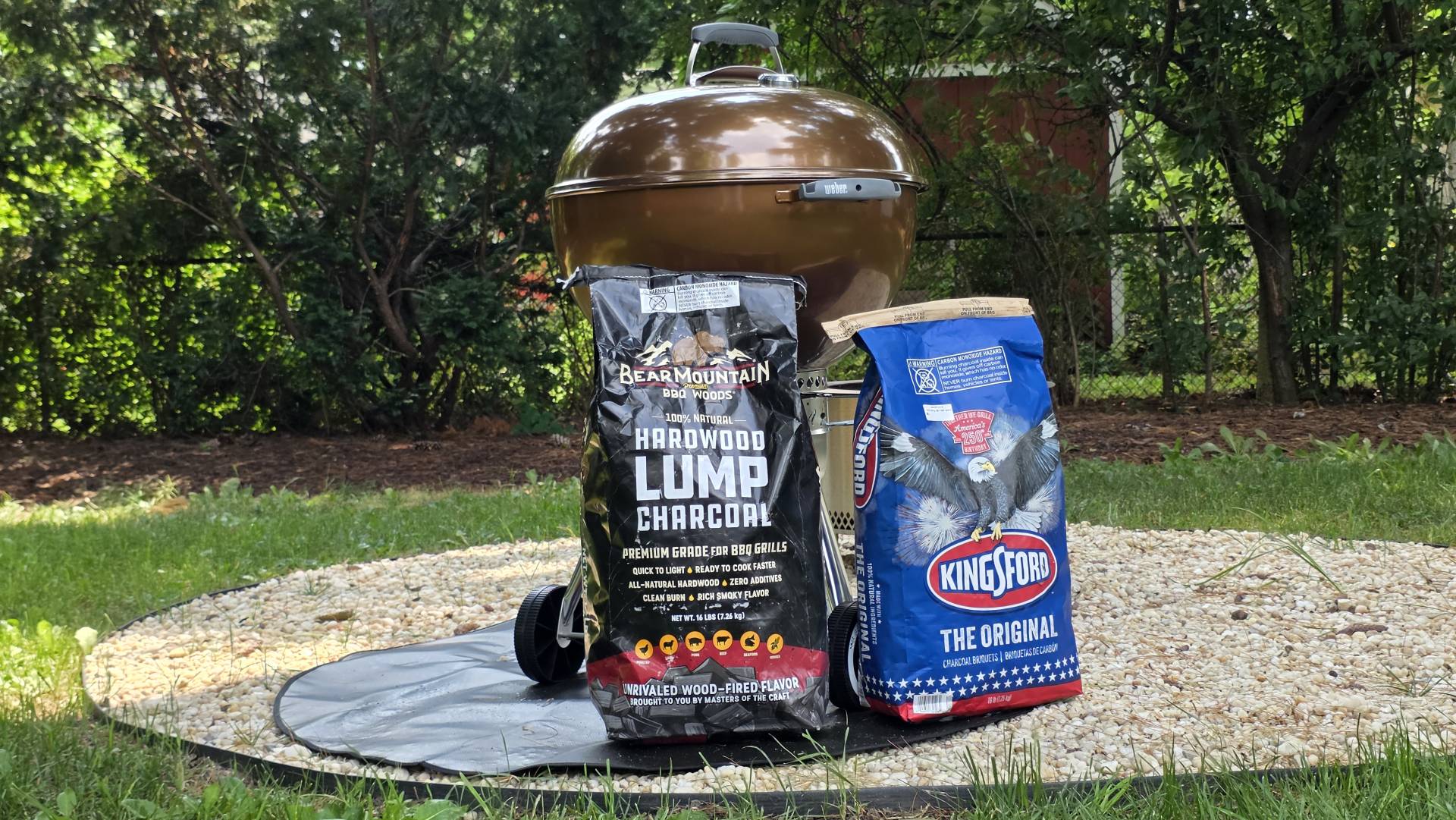
Venison is lean enough to punish a grill that runs uneven, which is why it made such a good test. Lump charcoal burns hotter than briquettes and leaves less ash behind, and it is the fuel I reached for once I had something worth putting in front of company.
Learning To Arrange The Coals Instead Of Turning A Dial Is An Art Every Man Should Explore
A kettle grill like this makes you think about where the fire sits rather than how much of it you have. Bank the lit coals against one side of the bowl and you have built two grills in one: a hot zone directly over the charcoal for searing, and an indirect zone beside it where food finishes without burning.
That is how a chop comes off right. Sear it over the coals, slide it to the cool side, drop the lid, and let the dome heat bring the middle up to temperature. Vegetables sit on the indirect side the whole time. A gas grill gets you there by turning a knob down, which is easier and tells you nothing about what fire does.
Fuel is the other lever, and it is the one I am still working through. Briquettes and lump charcoal light at different speeds, hold heat for different lengths of time, and leave very different amounts of ash in the bottom of the bowl. Both your timing and your flavor move with that choice.
The Smart Ring Is Weber's Answer To The Learning Curve
Weber sent the Kettle Smart Ring along with the grill, and it exists to erase most of what I just described. It is $279.99 through weber.com, and it drops into any standard 22-inch kettle with no drilling, cutting, or permanent changes. We'll be reviewing that shortly.
A fan and an LCD Wi-Fi controller take over the airflow you would otherwise chase with the dampers, holding a set temperature the way a thermostat holds a room and reporting back through the Weber Connect app. It helps light the charcoal, and it will hold temperature through an overnight cook, which is what turns a kettle into a smoker.
It does not fit kettles with hinged lids or the Jumbo Joe Premium, so check what you own before ordering. Mine is staying in the box a while longer on purpose. I want the dampers and the patience first, and the Smart Ring gets its own review once I have them.
What I Would Tell A Guy Buying His First Kettle
Buy the cheapest kettle you will use. The $149 22-inch Original cooks on the same size bowl as my $249 copper Premium, and the difference between them is the lid thermometer, the hinged grate, and the color. The 18-inch is $129 if the yard is smaller or you have a hatchback instead of an SUV or truck.
The point here is that functionally they all work about the same and what you are paying for is the accessories that make it a more premium experience - better cooking grates, side tables, better ash collector basket etc. If you are just starting out though - buy what you can afford and then once you're hooked ... you'll know it because your YouTube playlist will be filled with videos from Tom's Kitchen and Andersons Smoke Show like mine is right now.


Sponsored

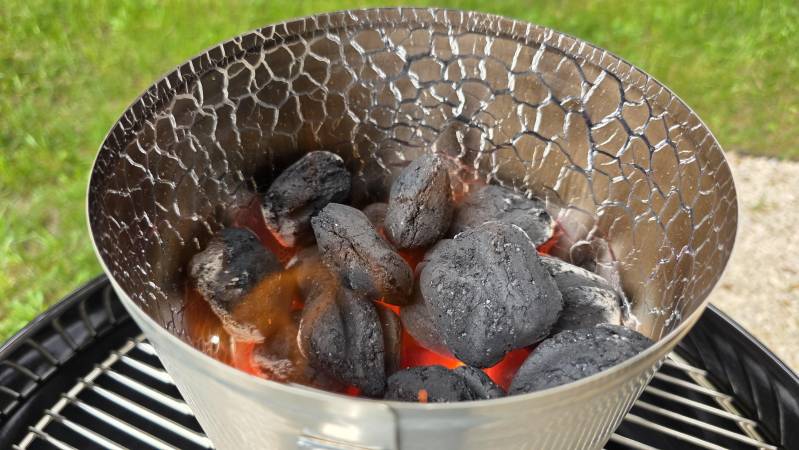
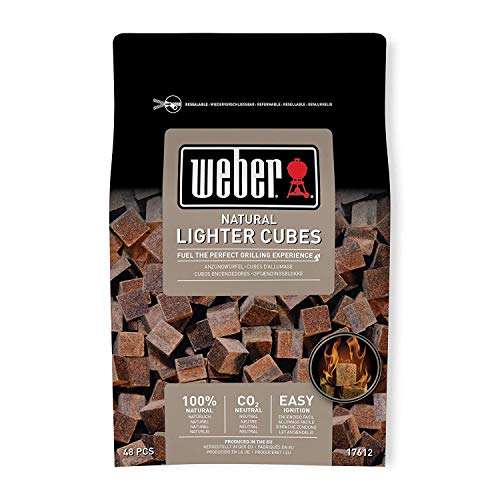
Whichever one you pick, buy an inexpensive chimney starter with it. It is among the cheapest accessories on the shelf (typically under $20 even for a good one). This is an absolute must-have accessory to start the grill, but realistically I'm craving a fire starter torch because it just looks so much fun to use.
One number worth knowing before you choose: Weber warranties the bowl and lid for 10 years against rust-through and burn-through, and the One-Touch cleaning system for five. That is a longer commitment than plenty of gas grills carry at three times the price. Mine has already handed back the thing I gave up when I switched to gas, and I did not expect it to be the twenty minutes of standing around before anybody eats. For current pricing and availability, check Amazon.com.