
Adventure tourism is a $464 billion market, so it pays to compare quotes when you're booking the kind of trip you've been daydreaming about for months. Doing it right is about more than finding the lowest price on a page - you're looking for the spot where safety protocols, transparent pricing, and an operator who actually knows the territory all line up. A lowball quote often hides fees you'll see at the trailhead, or a gap in the liability coverage that's non-negotiable for any serious activity.
Understanding the Basics
With thousands of adventure tour bookings happening every day across the United States, plenty of travelers default to the experience over the cost on the page. A quote that's light on details usually ends up heavy on the credit card statement once you arrive at the trailhead or the dock.
To weigh one operator against another, you have to look at the actual structure of the document they send you. Most reputable guides itemize their estimates - base rate, mandatory local fees, gear, permits - so you can see what you're actually paying for. If a quote is just a single lump sum, you're right to ask why.
How A Guide Business Actually Builds Its Pricing
There's a sub-population of guys booking these trips who quietly daydream about being the one running the boat instead of sitting in it - quitting the desk job, building a fly-fishing or rafting operation in some river town, and getting paid to be on the water. It's worth a few sentences on how those businesses actually run their pricing, because once you understand the supplier side, comparing quotes as a customer stops feeling like guesswork.
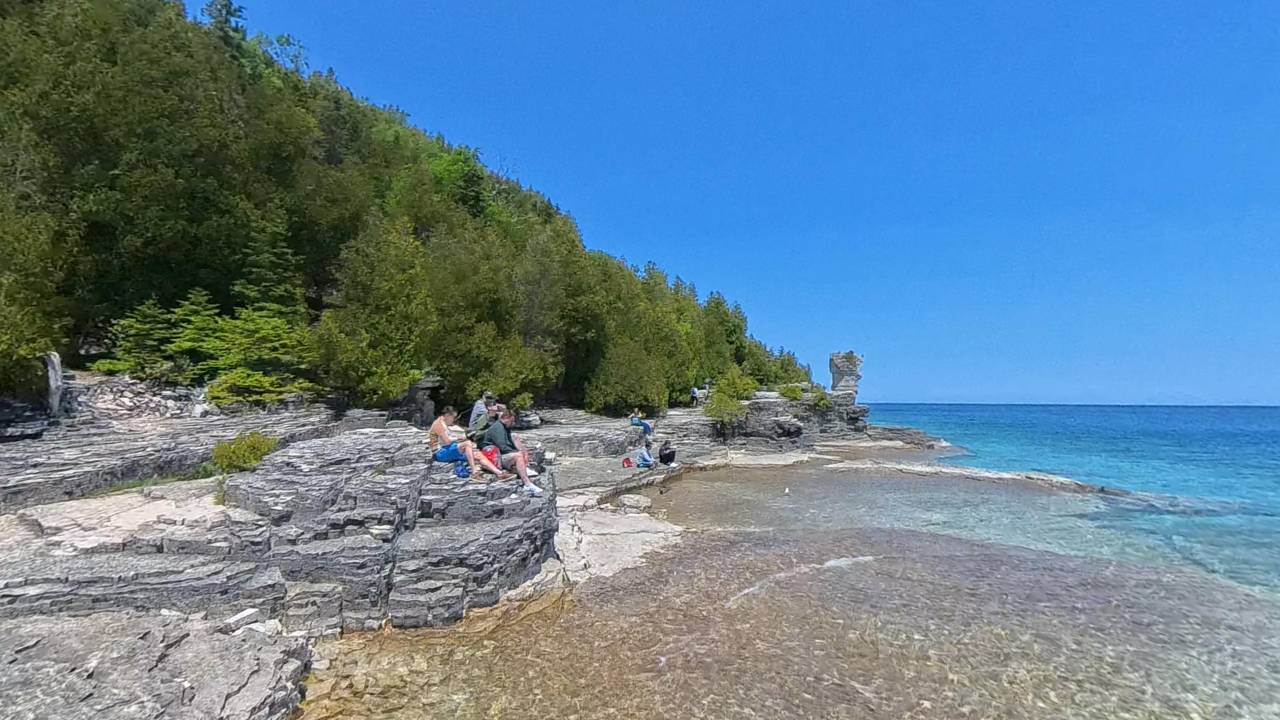
Explore America's Great Inland Sea On Great Lakes Cruises
There's more to cruising than the west coast cruises we love so much.
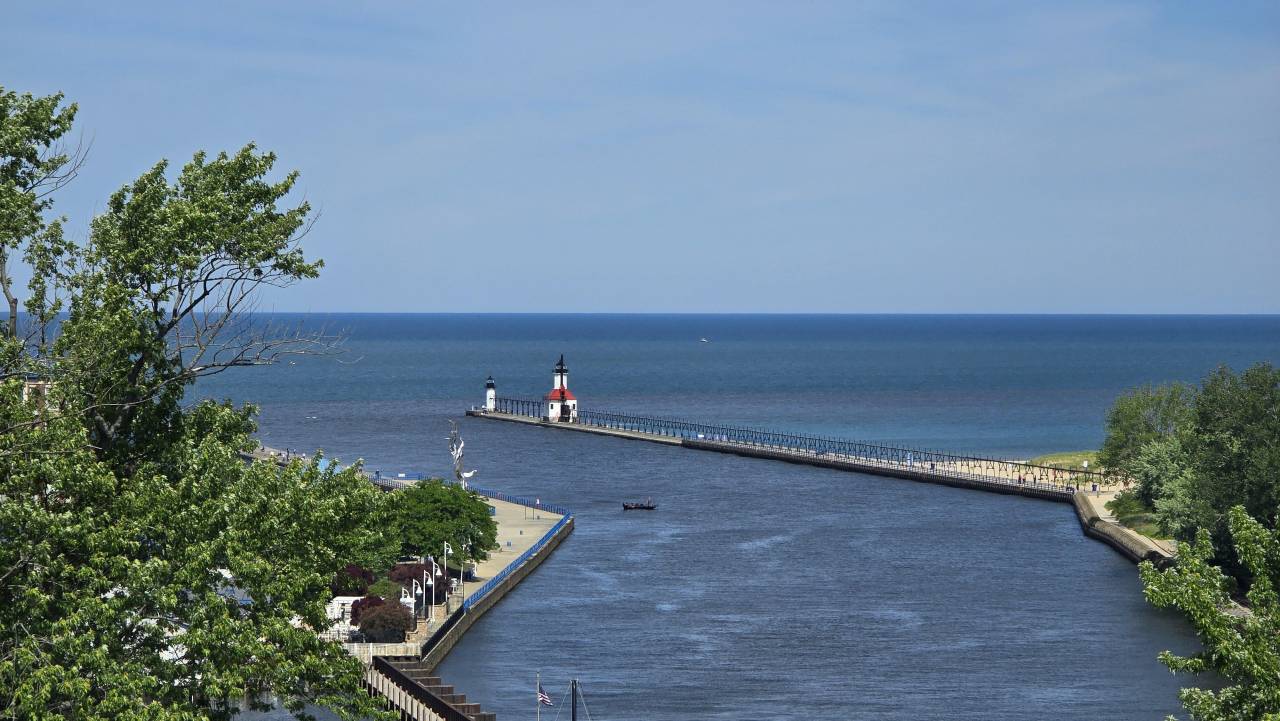
Guys Trip Ideas In Southwest Michigan
Southwest Michigan guys trips: Warren Dunes, Lake Michigan beaches, and the Makers Trail connecting 40+ wineries and breweries. Perfect for Midwest crews seeking beach days and craft beverages.

Cruise Plus - Cellular At Sea
Seamless mobile data service for your entire cruise at sea, in port, and at destinations all for one low price.

Multi day Kayak Expedition Sitka, Alaska
Multi day kayak expedition in Sitka, Alaska with wildlife, pristine forests and Tlingit and Haida history, ideal for adventurous paddlers.
Promoted by FlowAds

Most operating guides build estimates the same way any small business does - a business estimate generator or invoicing tool helps them break costs into base rate, permits, gear, fuel, insurance, and the guide's own day rate. The line items aren't decorative; each one represents something the operator is paying out of pocket to put you on that trip. When you see an itemized quote, you're looking at a guide who is running an actual business - not someone hoping you don't notice the missing pieces.
Anatomy of a High Quality Adventure Estimate
A solid estimate is a roadmap for the trip. It should spell out exactly what's included - gear rentals, meals, transportation, shuttles - with line items for park permits or specialized equipment fees so nothing surprises you at checkout.
Transparency is the sign of a veteran operator. When a guide takes the time to lay out the specifics, it shows they have a handle on their overhead and respect your budget. It also lets you spot the difference between an operator paying for proper safety gear and one quietly cutting corners.
Man Gear Pick of the Month
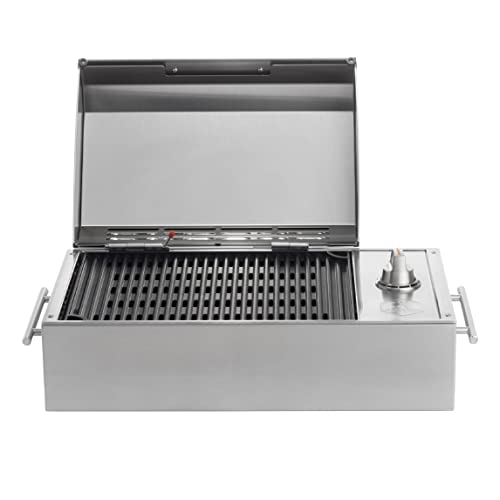
Kenyon City Grill Portable Stainless Steel Electric Grill
Why we picked it: a grill you can actually carry to the campsite, the tailgate or the cabin without borrowing a truck. Stainless, no propane tank to wrestle, and hot enough to cook for four guys rather than reheat for one.
 August's Pick LiberNovo Maxis Electric Big and Tall Ergonomic Office Chair, Graphite 52cm $1,163.00
  July's Pick Powerful Propane Torch Gun, Adjustable Flame Thrower Gun, Kitchen Torch with Detachable Design, Flamethrower Blow Torch for BBQ, Searing Steak, Welding, Camping Charcoal Lighter(Tank Not Included) $37.14
  June's Pick OYASUMI Funny BBQ Man Hot Dog Holders, 4 PCS Reusable Stainless Steel Sausage Stands, Portable Hot Dog Roasters, Barbecue Grill Accessories for Camping & Party Gifts $7.98
 Promoted by FlowAds

Professional documentation usually tracks with professional behavior in the field. When you receive a structured estimate, you have a clear point of comparison against other bids - you can see, for example, whether one rafting company includes a dry bag while another tacks twenty dollars onto the bottom line for the same item.
Scoring Your Adventure Options Fairly
Comparing a charter fishing trip to an ATV excursion takes a standardized way to weigh value against cost. A simple mental scoring sheet that lines up inclusions against the total price helps you push past sticker shock and see which operator is actually offering the better deal for your time and money.
Check for these specific indicators of a high-value adventure quote:
- Total cost transparency, including all taxes and local surcharges
- Detailed list of provided safety gear and equipment specifications
- Clear explanation of deposit requirements and cancellation timelines
Direct bookings accounted for over 58% of the adventure market recently, which means you're likely dealing with the operators themselves. That direct line of communication is your best tool for clarifying vague terms. If a quote mentions "insurance" without specifying the coverage, pick up the phone and ask for the policy limits.
Understanding the difference between a deposit and a non-refundable fee matters. Many operators require a significant upfront commitment to secure permits or staff a specific date. If the quote doesn't explicitly spell out the refund window, you're flying blind into a potential loss.
Navigating Terms and Cancellation Realities
The fine print is where the real adventure begins for your wallet, and it's the part of the quote that decides whether your trip stays on budget. In the current market, cancellations within 30 days of departure often result in a complete loss of your booking funds. It's harsh, but it reflects the operator's inability to rebook that specific slot on short notice.
Insurance is another place where quotes diverge wildly. Some operators include basic liability, others expect you to carry your own primary coverage for the high-risk stuff. Make sure the operator's policy specifically covers the activity you're doing, whether that's heli-skiing, deep-sea fishing, or class IV whitewater.
A professional quote will also outline how weather-related cancellations work. If the seas are too rough for the boat to leave the harbor, you need to know whether you get a full refund or a credit for a future trip. These details get buried, but they're the most important part of the agreement.
Spend Some Time To Pick The Right Guide - Don't Rush!
Choosing the right guide is about building trust before you ever leave the pavement. By demanding clear, itemized quotes, you're forcing operators to prove their value upfront. That process filters out the amateurs and leaves you with the pros who prioritize your safety as much as your enjoyment.
If you found this guide useful for your next trip, check out our other articles on managing travel logistics and finding the best local guides for your next outdoor excursion.

Promoted by FlowAds
