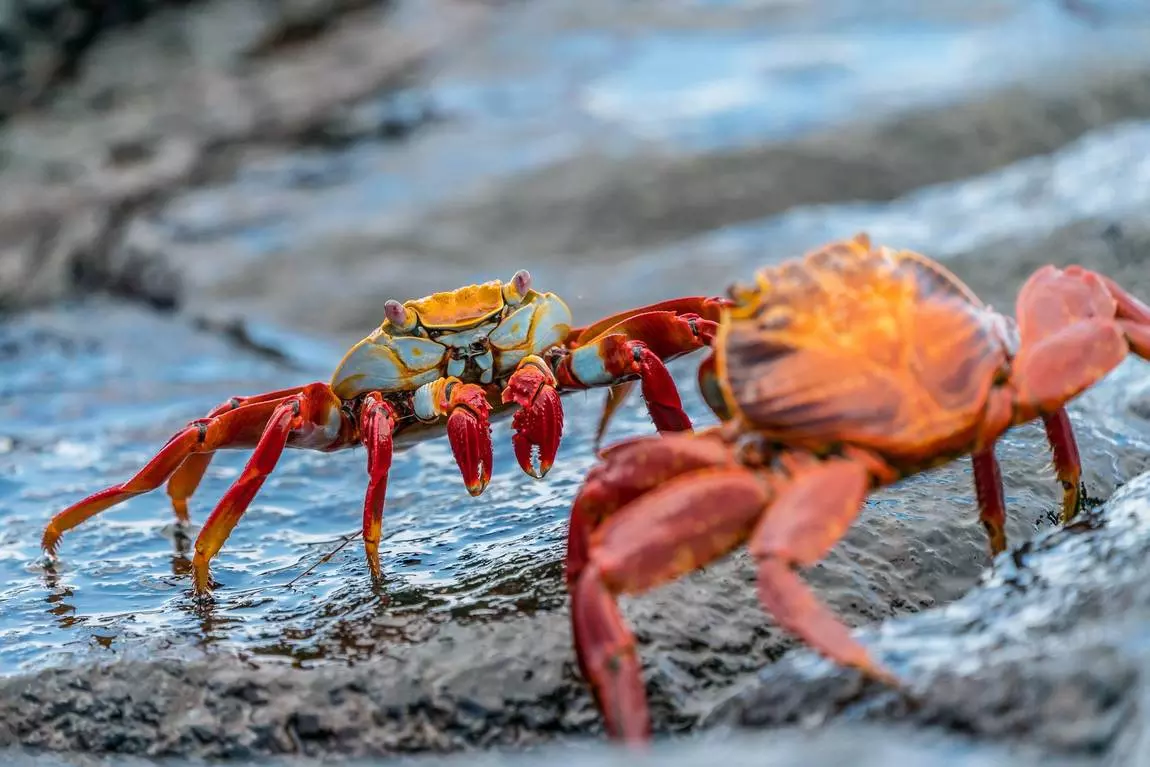
Ecuador packs more outdoor terrain into its borders than countries five times its size - Andes peaks, Amazon basin, Pacific coast, and the Galápagos archipelago all inside a country smaller than Nevada. That density means a guys trip here can stack adventures most South American itineraries take three flights to combine. Six activities below earn the plane ticket on their own; book any two and the rest is gravy.
What Do You Call Your "Guys Trips"?
Ecuador's geography compresses a continent's worth of adventure terrain into a four-hour drive radius from Quito. That density is why it punches above its weight as a guys-trip destination.
- Hike to a refuge at 15,748 feet on an active volcano - day trip from Quito
- Day-dive with hammerhead sharks from the same island you're sleeping on
- Jump off bridges, raft a jungle river, and swing at the end of the world without changing hotels
- Buy bean-to-bar chocolate from the farms growing the world's most-prized cacao
- Cruise the Galápagos for wildlife encounters National Geographic spent decades documenting
Climb Cotopaxi (or Hike to Its Refuge)
Cotopaxi is the trip-defining peak of Ecuador's Avenue of the Volcanoes - 5,897 meters / 19,347 feet of active stratovolcano sitting 50 kilometers south of Quito. The park reopened to climbers in February 2024 after volcanic activity through 2022 and 2023, and most travelers don't realize it's accessible at two completely different commitment levels.
Hike to the José Rivas refuge at 4,800m / 15,748ft and you can do the round trip in a few hours from the trailhead, no guide required - though plenty of travelers hire one for the steeper sections above the parking lot. Park entrance runs about $10 per person, gates run 8am to 3pm, and the refuge sells coffee and snacks. The view of Cotopaxi's glaciated cone from the refuge is the postcard you came for, minus the technical climb.
Going for the summit is a different commitment - mandatory licensed guide, special permit, alpine start in the dark with crampons and ice axe. It's a beginner-friendly summit by mountaineering standards, but the altitude is real. I've found three full days at Quito's 2,850m is the minimum that makes the difference between topping out and bailing at the second hut - skip that and the volcano wins.
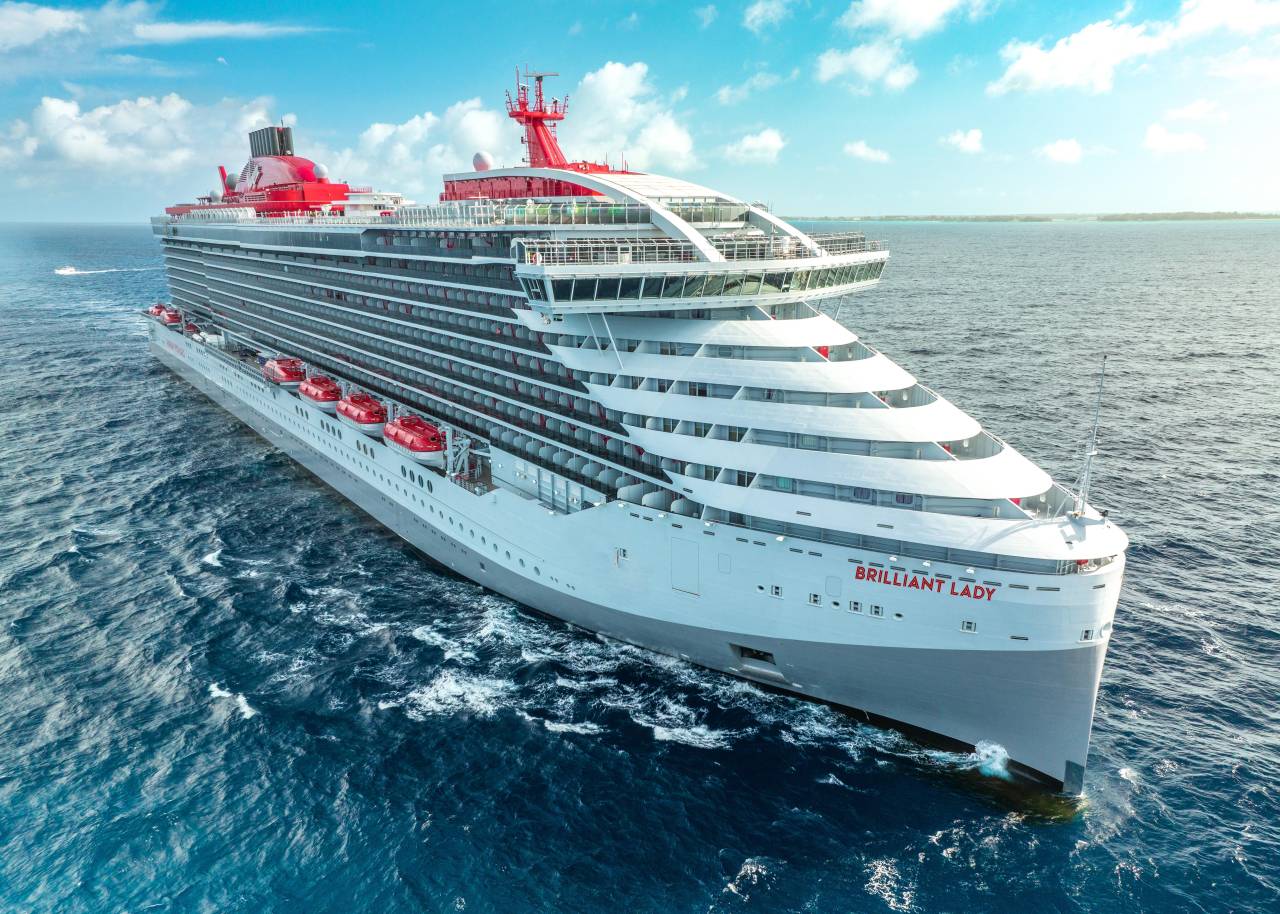
Virgin Voyages' Brilliant Lady: Why This Isn't Your Grandfather's Cruise Ship
Virgin Voyages' Brilliant Lady redefines cruising: 7 exclusive shows, Spanish dining, Alaska access. Experience sophisticated adult fun without cruise clichés. Perfect for guys trips seeking premium a
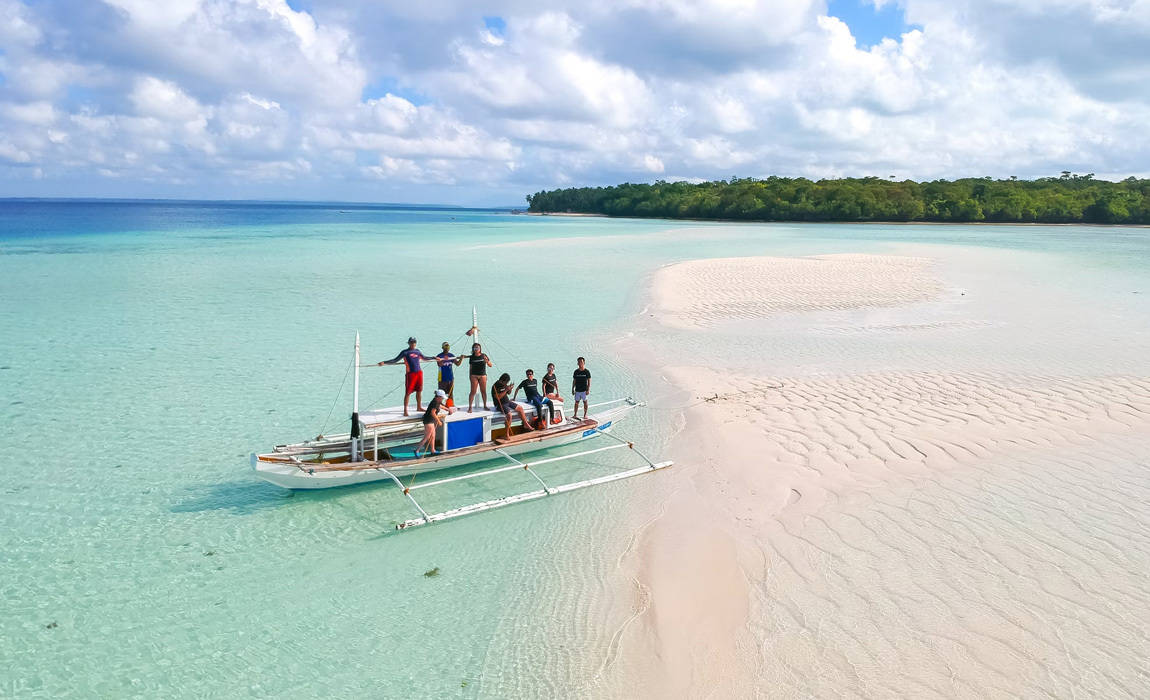
The Ultimate Guide to Planning the Perfect Philippines Guys Trip
blog post about tips for planning an epic Philippines guys trip this year

10 Day Explore Sri Lanka
A 10 day Sri Lanka tour offering a unique, tradition and culture focused experience suited to travelers seeking a remarkable holiday.
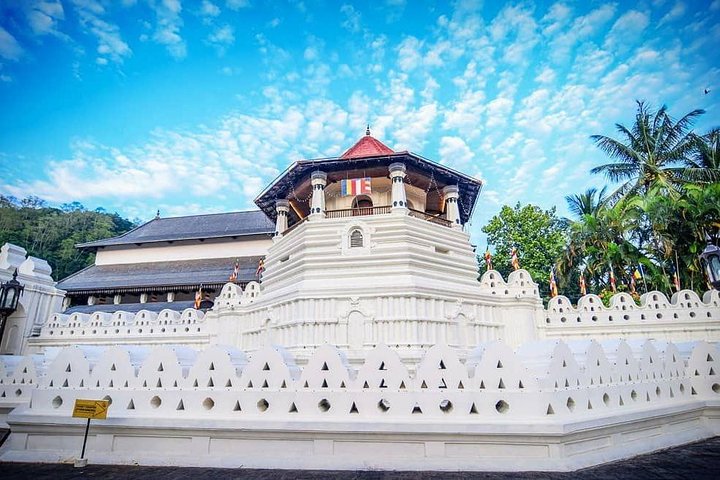
Highlights Of Sri Lanka - 4 Days
A 4 day highlights tour of Sri Lanka covering ancient kingdoms, Minneriya elephants and tea plucking, ideal for short visits.
Promoted by FlowAds

The post-hike move at the trailhead and back in town is canelazo - hot aguardiente cocktail with cinnamon water and naranjilla juice, sold by street vendors and at refuges for a few dollars. After eight hours above 4,000 meters with frozen fingers, it tastes like a campfire in a cup.
For the trivia angle Ecuador guys trips love: Cotopaxi gets the postcards, but Chimborazo - 6,263m / 20,549ft, two hours further south - has a summit that's actually the farthest point from Earth's center thanks to the equatorial bulge. By that measure, you can climb "higher than Everest" in Ecuador. Chimborazo is technical mountaineering, not for first-timers, but worth knowing about while you stare at Cotopaxi from the refuge.
Cruise the Galápagos Islands
The Galápagos is the obligatory section in any Ecuador article, but the framing matters - what you're actually buying is a wildlife tour, not a beach vacation. The archipelago became the world's first natural UNESCO Heritage Site in 1978 (Quito's old town was simultaneously one of the first two cultural sites ever inscribed), and the wildlife is fearless because the islands have no native land predators.
Man Gear Pick of the Month
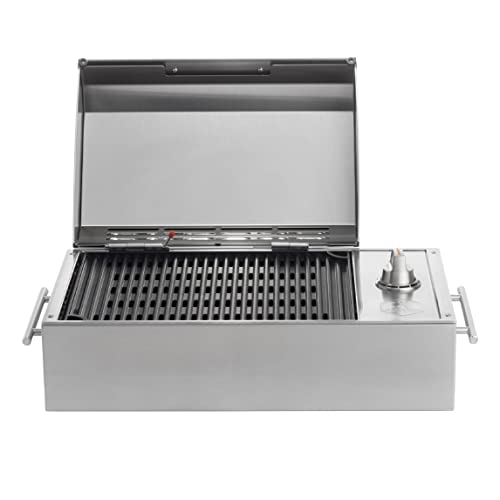
Kenyon City Grill Portable Stainless Steel Electric Grill
Why we picked it: a grill you can actually carry to the campsite, the tailgate or the cabin without borrowing a truck. Stainless, no propane tank to wrestle, and hot enough to cook for four guys rather than reheat for one.
 August's Pick LiberNovo Maxis Electric Big and Tall Ergonomic Office Chair, Graphite 52cm $1,393.00
  July's Pick Powerful Propane Torch Gun, Adjustable Flame Thrower Gun, Kitchen Torch with Detachable Design, Flamethrower Blow Torch for BBQ, Searing Steak, Welding, Camping Charcoal Lighter(Tank Not Included) $42.99
  June's Pick OYASUMI Funny BBQ Man Hot Dog Holders, 4 PCS Reusable Stainless Steel Sausage Stands, Portable Hot Dog Roasters, Barbecue Grill Accessories for Camping & Party Gifts $7.98
 Promoted by FlowAds

Marine iguanas don't scatter when you walk past at arm's length. Sea lions doze on park benches. Blue-footed boobies dance through their mating ritual within camera-phone distance.
Two ways to do it. Liveaboard cruises of 4 to 8 nights cover the most ground and reach the outer islands - Genovesa, Fernandina, the bird colonies. Expect $3,000 to $7,000+ per person depending on boat class. Land-based hopping out of Santa Cruz, San Cristóbal, or Isabela costs significantly less ($1,000 to $2,500 typical) and trades coverage for flexibility - day trips to nearby islands, your own pace, beachfront town life at night.
Best wildlife windows: December through May has warm water, calm seas, and active marine life. June through November is cooler and rougher but better for seabird breeding and whale shark sightings near the outer islands.
For deeper logistics - boat selection, season-by-season wildlife calendars, what gear actually matters - we've got a full Galápagos cruise planning piece that covers it. The post-trip souvenir most guys trips bring home, by the way, is encebollado - the fish stew street stalls in Guayaquil and the islands sell as the official hangover cure for celebrate-your-return night.
Dive Gordon Rocks (Day Trip from Santa Cruz)
Galápagos diving sits in a different category from snorkeling alongside the cruise - it's scuba, not "deep-sea diving" as some travel pieces incorrectly label it, and the marquee day-dive site is Gordon Rocks. The dive operates out of Puerto Ayora on Santa Cruz Island: roughly 40 minutes by truck to the embarkation point, then 20 to 30 minutes by boat to a flooded volcanic crater off the island's northeast coast.
Gordon Rocks is famous for two things. First, scalloped hammerhead sharks - locals report 10 to 30 sharks per dive on a good day, schooling in the upwelling currents on the crater's outer wall. Galápagos sharks, white-tip reef sharks, sea turtles, rays, moray eels, and the occasional Mola mola round out the cast. Second, the currents - the site is nicknamed "the washing machine" for the surge and downwellings that come with all that nutrient-rich water. Operators require advanced certification or strong intermediate experience with current diving.
The longer-trip option - and this is where some articles get it wrong - is Wolf and Darwin islands at the far north of the archipelago. They are not day-divable from any inhabited island. Reaching them requires a 7-night liveaboard cruise specifically built around dive sites, and they're the bucket-list spots for whale sharks (June through November) and massive schooling hammerheads. Different trip, different budget, different commitment.
For first-time Galápagos divers staying on Santa Cruz, Gordon Rocks plus easier sites like Mosquera, Daphne Minor, or Cousins Rock is the typical spread. Plan for two-tank dive days, $200 to $300 per day with gear, and at least three or four days underwater to make the flights worth it.
Ride the Avenue of the Volcanoes from Hostería Papagayo
Hostería Papagayo is the kind of place that ruins you for ordinary hotels - a 300-year-old boutique hacienda 45 minutes south of Quito, sitting at 3,200m / 10,500ft on the Avenue of the Volcanoes. From the property you can see Cotopaxi, Rumiñahui, the Iliniza twins, and on rare clear mornings, Chimborazo. It's the staging ground experienced travelers use to acclimatize before climbing or to wind down after.
The activity menu is bigger than the original write-ups of this hotel let on. Their actual lineup: guided horseback rides through the Andean countryside or along the Panamericana, hot-air balloon flights over the Avenue of the Volcanoes, helicopter tours over Cotopaxi National Park, rappelling and river-walking adventures with on-staff instructors, plus low-key options like Spanish lessons, cheese-tasting tours of nearby artisan dairies, and visits to working rose plantations. Two-night minimum makes the pricing work; current package nights typically land in the $150 to $250 per person range including breakfast and most activities, depending on season.
The play here is using Papagayo as a base, not just a stay. From the property you're 30 minutes from Cotopaxi National Park's northern entrance, 90 minutes from Otavalo's Saturday artisan market (Plaza de los Ponchos, one of the largest indigenous markets in South America), and on the same Panamericana corridor that runs to Baños another two hours south. A long weekend at Papagayo with one Cotopaxi day, one Otavalo day, and one ride day is the most common itinerary, and it's the closest thing Ecuador has to a ranch-style mancation.
Jump, Zip, and Raft Baños
Baños de Agua Santa is Ecuador's adventure capital, and somehow it's missing from most tourism-board pieces about outdoor Ecuador. The town sits at 1,820m / 5,970ft in a river valley three hours south of Quito - low enough that altitude isn't an issue, surrounded enough by mountains and waterfalls that the entire local economy is built on adrenaline tours.
The headline activities, in increasing order of commitment:
- Swing at the End of the World at Casa del Árbol - a tree swing on a cliff overlooking the Tungurahua volcano valley, $1 to $2 per ride. The Instagram cliché everyone takes seriously until they push off the platform
- Pailón del Diablo waterfall hike - 30 minutes from town, a stairwell-and-cable-bridge descent right into the spray of an 80-meter waterfall. $2 entry. The wettest you'll get in Ecuador without scuba gear
- White-water rafting the Río Pastaza - Class III to IV depending on section and season, $30 to $50 per half-day with guide and gear. The Amazon-bound river that drains the eastern slope of the Andes
- Puenting (bridge jumping) off Puente San Francisco - pendulum swing rather than true bungee, $20 to $30. Quick, photogenic, slightly terrifying
- Volcano-view hot springs - Termas de la Virgen and Piscinas El Salado are the local soak spots; $3 to $7 entry, late-night sessions are the move after a rafting day
Four to five days in Baños with a buddies group is the sweet spot - long enough to do the full circuit, short enough that you're not skipping the rest of Ecuador. Budget travelers can do the whole town for under $80 a day; mid-range stays at boutique hotels run $40 to $80 per night.
Hike Mindo Cloud Forest (and Its Cacao Trail)
Mindo Cloud Forest sits two hours northwest of Quito at 1,250m / 4,100ft, and it's the activity most Andes-focused articles forget. Drive west out of the highlands, lose 1,500 meters of altitude in 90 minutes, and you're in dripping subtropical forest - hummingbird species in the dozens, ziplines through the canopy, and waterfall pools you can swim in.
The headline draws are bird watching (Mindo regularly lands in the top tier of birding destinations globally with 500-plus species in a small radius), zipline canopy tours ($15 to $25 for a 10-cable circuit), and waterfall day hikes via the tarabita cable car system. But the play that rewards a longer stay is the cacao trail.
Ecuador grows the Arriba Nacional bean - the rare "fine flavor" cacao that the world's top chocolatiers fight over and that most countries can't replicate even with cuttings. Mindo has bean-to-bar farm tours where you crack pods, ferment beans for a week, roast, winnow, and grind into chocolate yourself across an afternoon. Tours run $15 to $30 per person and end with a flight of single-origin bars you can take home. For a guys trip looking for a non-hangover non-altitude reset day, it's a strong move - and the chocolate makes a better souvenir than another Galápagos t-shirt.
Stays run from $20 backpacker hostels to $100 boutique eco-lodges. A long weekend at Mindo is the right low-altitude reset before or after the Andes - either as a cool-down before flying home or as an acclimatization-friendly first stop on arrival.
Altitude Sickness Is A Real Drag - Prepare Before You Go
Before you even think about summits and volcano hikes, take altitude seriously and give your body the tools it needs to adapt.
- Start low and stay active in your first 48 hours explore places like Mindo or take it easy walking through Quito’s historic center
- Hydrate aggressively from the moment you land aim for far more water than you normally drink at home
- Eat light meals and limit alcohol, especially on day one to reduce stress on your system
- Sleep strategically and listen to your body even mild symptoms are a signal to slow down
The biggest mistake first-time visitors make on Ecuador guys' trips is treating Quito like a normal city. It sits at 2850m 9350ft higher than Aspen Colorado and stacking a Cotopaxi summit attempt or even the José Rivas refuge hike in the first 48 hours after landing is the fastest way to let altitude sickness ruin the trip.
The smart itinerary spends the first two days low and active Mindo cloud forest Quito’s old town a Historic Centre of Quito or the Mitad del Mundo then moves into the Andes once the body has adjusted. Save the Galápagos Islands cruise or the dive trip for last coming back down to sea level is the easy part. Bring more layers than you think you need, drink three times more water than seems reasonable, and the volcano will not beat you.

Promoted by FlowAds
