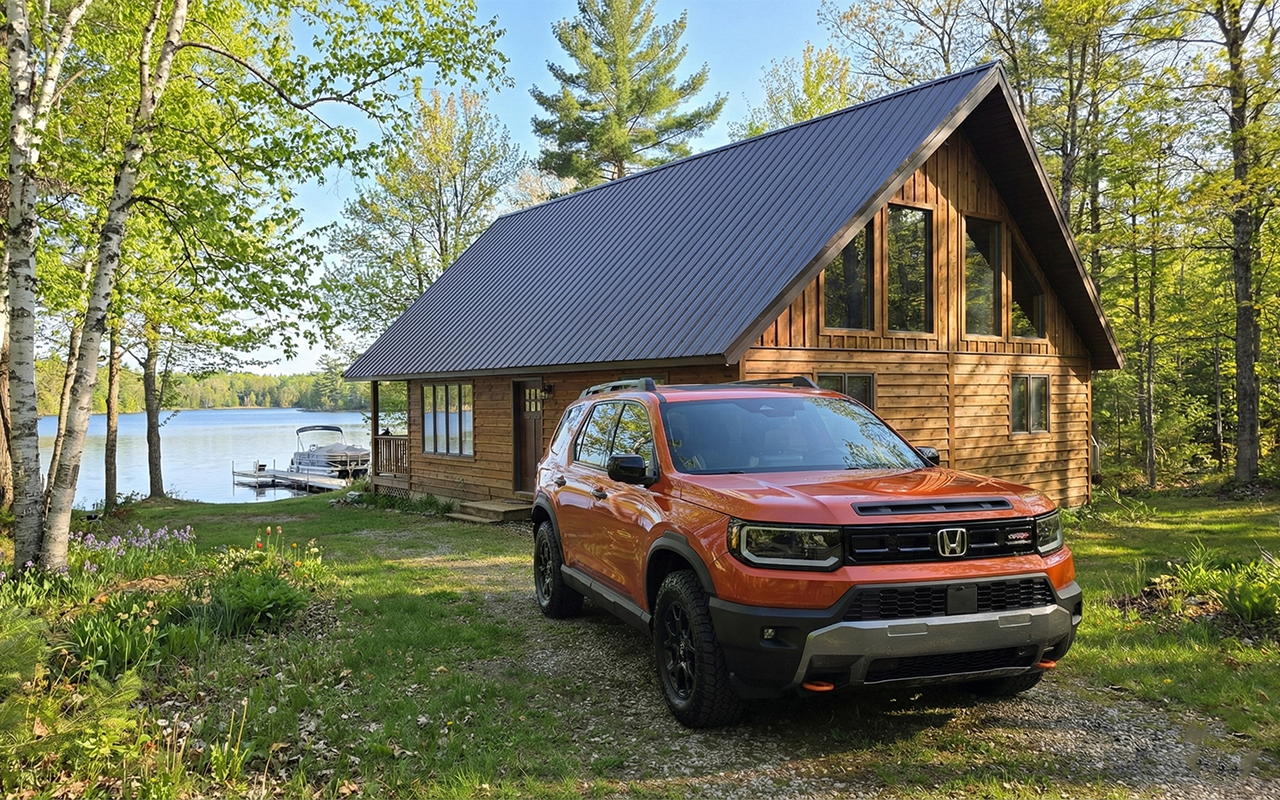
That first trip to the cottage after a long winter tells you a lot. The door swings open and the air hits you - stale, stuffy, and noticeably warmer than it should be. You crack the windows, flip on a fan, and figure it'll sort itself out. Sometimes it does. Sometimes it doesn't, and you spend the whole weekend wondering why the upstairs feels like a sauna while the main floor is fine.
If your lake house has a metal roof - and a lot of seasonal properties do - there's a good chance the problem starts in the attic.
What Do You Call Your "Guys Trips"?
Opening the cottage for summer is more than reconnecting the water and sweeping the porch - it's your best window to make upgrades that pay off in comfort, efficiency, and lower costs all season.
- An unventilated cabin attic can exceed 150°F on a sunny afternoon, forcing cooling systems to work overtime and driving up energy costs at a property you're only using part-time.
- Metal roofs amplify heat transfer, which means ventilation upgrades have an outsized impact on indoor comfort compared to properties with traditional asphalt shingles.
- Ridge vents paired with soffit intake create passive airflow that works between visits, protecting insulation from moisture damage and keeping the cabin ready when you show up.
- Spring is when contractors have availability - documenting what needs professional attention now means work gets done before peak season, not after.
- Small upgrades like improving attic ventilation, sealing air leaks, and clearing blocked soffit vents compound into real savings on energy and maintenance costs over multiple seasons.
You pull into the gravel drive on a Friday afternoon, the truck packed for a long weekend at the cottage. Maybe the guys are meeting you up there for a few days on the water. Maybe it's just you, a cooler, and a project list you've been putting off since last fall. Either way, walking into a wall of trapped heat is not the start anyone's looking for. Spring opening is the perfect time to fix that - and attic ventilation should be near the top of the list, right alongside reconnecting the water and checking the dock.
Why Seasonal Properties Need Ventilation Even More
In a year-round home, you notice problems quickly. The upstairs feels off, the AC runs nonstop, or a damp patch shows up on the ceiling. At a fishing camp or vacation cabin, those signals pile up between visits. Moisture from temperature swings condenses on framing and fasteners. Insulation gets damp and loses effectiveness. By the time you show up in June, weeks of trapped heat and humidity have already done their quiet damage.

A Pride of America Cruise Will Change Your View of Hawaii
Pride of America Hawaii cruise review, the only US flagged, large cruise ship to sail in Hawaii.

Guys Weekend Guide To Visiting Santa Maria California
Here's what you should do on a guys wine weekend getaway in Santa Maria, California.

4 Days Treasures of Thailand from Chiang Mai, Small Group
Four-day small group tour from Chiang Mai through the ancient capitals of Sukhothai and Ayutthaya to Bangkok. Ideal for history lovers.

Beaches Turks & Caicos
Beaches Turks and Caicos is an all-inclusive family friendly resort in the Caribbean, with unlimited food and drinks, a water park, and a location on Grace Bay Beach.
Promoted by FlowAds

Roof ventilation prevents all of this, and it runs on simple physics. Cool air enters low through soffit vents near the eaves. Warm air rises and exits high through exhaust vents near the peak. That steady exchange keeps attic conditions closer to the outside temperature - less moisture buildup, less stress on roofing materials, and less heat radiating down into your living space. Without adequate airflow, an unventilated attic can easily exceed 150°F on a sunny afternoon, even in northern climates.
The problem is that a lot of older cottages were built with minimal ventilation - maybe a couple of gable vents and not much else. That might have been fine for the original asphalt shingles, but once you've upgraded to metal roofing, the faster heat transfer demands a more complete airflow system.
Michigan Cabins Take a Particular Beating
If your cottage sits anywhere in Northern Michigan - Traverse City, Grayling, up toward Petoskey - the roof deals with conditions that amplify every ventilation shortfall. Lake-effect snow off Lake Michigan can dump heavy, wet accumulation that stresses roof structures and creates the freeze-thaw cycles that lead to ice dams. When an attic holds too much heat from the living space below, snow melts unevenly on the roof surface, runs toward the colder eaves, and refreezes into ridges of ice that force water back under panels and flashing.
Man Gear Pick of the Month
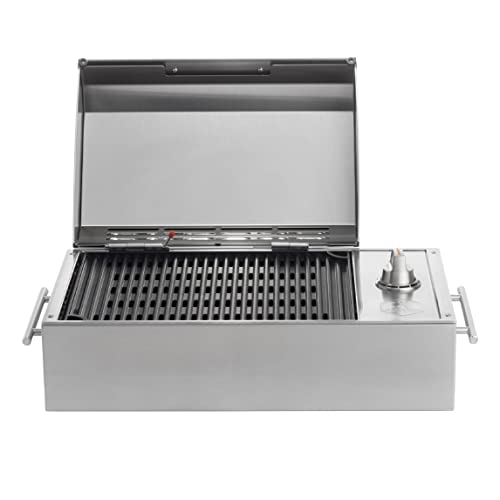
Kenyon City Grill Portable Stainless Steel Electric Grill
Why we picked it: a grill you can actually carry to the campsite, the tailgate or the cabin without borrowing a truck. Stainless, no propane tank to wrestle, and hot enough to cook for four guys rather than reheat for one.
 August's Pick LiberNovo Maxis Electric Big and Tall Ergonomic Office Chair, Graphite 52cm $1,283.00
  July's Pick Powerful Propane Torch Gun, Adjustable Flame Thrower Gun, Kitchen Torch with Detachable Design, Flamethrower Blow Torch for BBQ, Searing Steak, Welding, Camping Charcoal Lighter(Tank Not Included) $42.99
  June's Pick OYASUMI Funny BBQ Man Hot Dog Holders, 4 PCS Reusable Stainless Steel Sausage Stands, Portable Hot Dog Roasters, Barbecue Grill Accessories for Camping & Party Gifts $7.98
 Promoted by FlowAds

The National Weather Service recommends attic insulation of at least R-38 for northern climates, but insulation only performs when it stays dry. Poor ventilation traps moisture that degrades insulation over time, which means your cabin's single biggest defense against Michigan winters quietly loses effectiveness while you're back home. A spring visit is the right time to check for soft spots in the insulation, signs of condensation on the underside of the roof deck, and whether your current ventilation setup is actually moving air.
Ridge Vents: The Set-and-Forget Upgrade for Seasonal Properties
Ridge vents run along the peak of the roof and act as a continuous exhaust line. Because they sit at the highest point, they work with warm air's natural tendency to rise - no power, no moving parts, no maintenance between visits. For a property that sits empty for stretches, that's the real selling point. Making small, lasting upgrades like improving attic airflow with a SnapZ metal roof ridge vent can help keep indoor temperatures more consistent and energy costs more predictable, especially when the house sits empty for extended periods.
Ridge vents are most effective when paired with proper soffit intake. The combination creates a clean path from low to high, pulling cooler air in at the eaves and pushing warm, moist air out at the peak. Without that intake side, even a good ridge vent can't do much - the system needs both ends working. The International Residential Code sets the standard at 1 square foot of net free ventilation area per 150 square feet of attic floor space, split evenly between intake and exhaust. For a 1,200-square-foot cabin attic, that means roughly 4 square feet of intake and 4 square feet of exhaust.
On standing-seam metal roofs, ridge vents integrate cleanly without disrupting the panel layout or creating potential leak points - important on a lake house where the roof sees driving rain, heavy snow loads, and temperature swings all in the same year.
The Comfort and Cost Payoff
Once airflow is dialed in, the difference shows up in ways you actually feel. The upstairs doesn't hit you with that blast of trapped heat when you arrive Friday evening. The window units or mini-splits don't have to fight a superheated attic all day. The whole structure cools down faster after sunset - something metal roofing actually helps with when ventilation is working properly.
The U.S. Department of Energy's guidance on where to insulate in your home underscores how attic conditions directly affect energy performance. Damp insulation works worse, period. Keeping attic air moving keeps insulation dry, which keeps your energy costs where they should be.
Spring Opening Checklist: DIY Tasks and What to Flag for the Pros
Your first weekend at the cottage is the best time to do a full walk-around while winter damage is still fresh and easy to spot. Handle what you can yourself and document what needs a contractor - scheduling early means the work gets done before peak season, not mid-August when every roofer and plumber within fifty miles is booked.
- Check flashing around vents and chimneys for gaps, lifting, or corrosion.
- Inspect metal roof fasteners for signs of backing out after winter's freeze-thaw cycles.
- Clear leaves, branches, and debris that accumulated against roof edges and in valleys.
- Clean gutters and downspouts and check for ice damage or sagging.
- Look for soft spots or discoloration in attic insulation that signal moisture problems.
- Test that soffit vents are clear and not blocked by insulation, nesting material, or debris.
- Walk the foundation perimeter and note any new cracks or shifting from frost heave.
- Check exposed plumbing for leaks, corrosion, or signs of freeze damage from winter.
- Inspect window and door seals for gaps that let conditioned air escape.
Anything beyond basic maintenance - roofing repairs, plumbing overhauls, foundation work, or ventilation upgrades that require cutting into the roof deck - is worth getting on a contractor's schedule now. The same conditions that cause roof leaks often start with small details that went unnoticed for a season or two, and catching them in spring is always cheaper than discovering them in July.
Start Your DIY Work Early and Get More From Your Cottage This Season
Opening weekend sets the tone for the whole summer. The upgrades that make the biggest difference at a seasonal property aren't the flashy ones - they're the background systems that keep the place comfortable and efficient between visits. Attic ventilation sits right at the top of that list. Getting airflow dialed in protects your insulation, reduces cooling costs, and means the cabin is ready to go the moment you walk through the door instead of needing two hours to cool down first. Pair that with a thorough spring inspection and a few early calls to contractors for the bigger jobs, and you're set up to spend the season on the water instead of on a ladder.

Promoted by FlowAds
