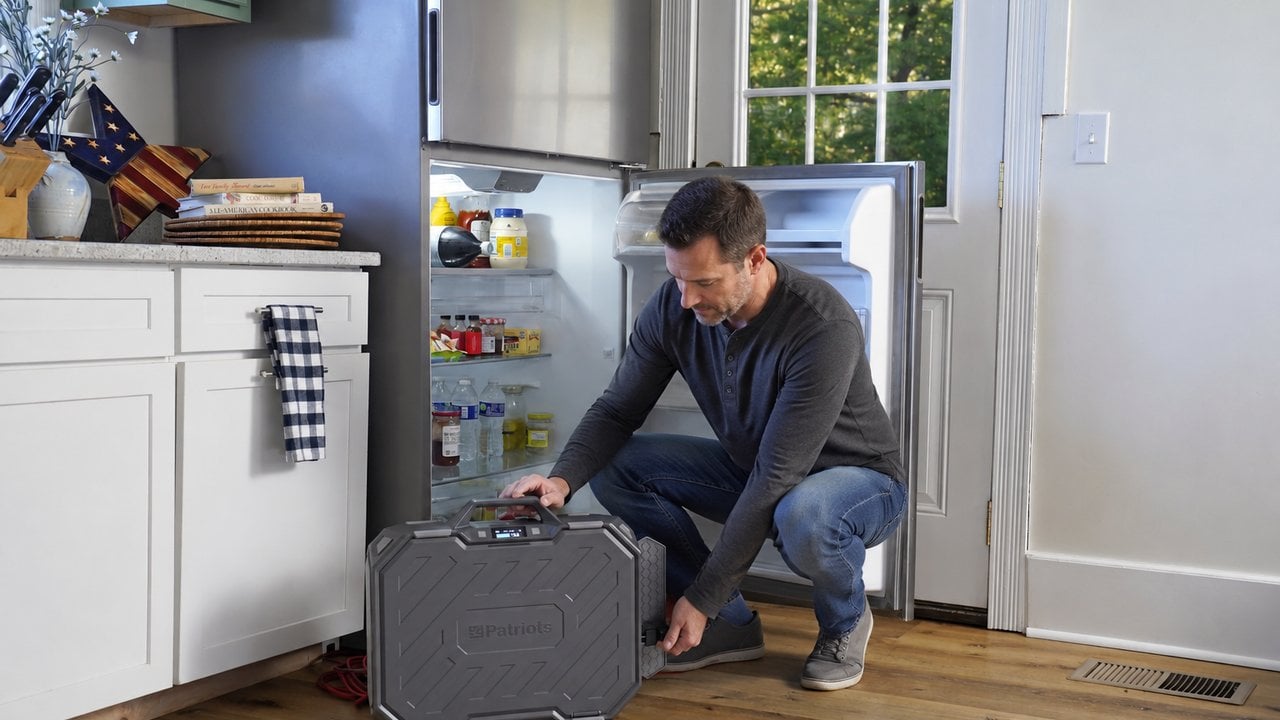
Most American households have a backup plan for a multi-day power outage that amounts to "wait for the power company and hope the food in the fridge holds out." That gap isn't about being a prepper - it's about not having gotten around to the basics: a few days of food that doesn't taste like cardboard, a way to keep your phone and your fridge running, and clean water if the tap goes sideways. Allen Baler has spent 18 years building tools for the regular guy who wants that gap closed without turning his garage into a bunker.
What Do You Call Your "Guys Trips"?
- A 72-hour emergency food kit, a water filtration straw, and a decent power bank can be knocked out for under $200 - and that alone puts you well ahead of where most American households actually are on basic readiness.
- Real shelf-stable meals like stroganoff, hearty soups, and mac and cheese (with up to a 25-year shelf life when stored properly) hold up far better than the MRE-style "sad crackers and canned mystery meat" that defined emergency food a decade ago.
- The middle ground between a $20,000 whole-home Generac and a phone-charging USB brick is a portable solar generator paired with foldable solar panels - silent, fume-free, and recharging from sunlight indefinitely.
- Water filtration is the gap most families miss because food and power feel more obvious - but you can go weeks without food and only days without clean water, and aging municipal infrastructure makes this less theoretical than it used to be.
- The way to bring your wife and kids on board isn't a slideshow about supply chain collapse - it's "I handled it." Don't pitch the disaster. Pitch the plan.
Allen Baler co-founded 4Patriots in 2008 with his wife Erin, building it into one of the country's largest emergency preparedness companies through a deliberately apolitical, common-sense approach to a category that's typically dominated by either fear-based marketing or survivalist culture. The company sells food kits, solar generators, water filtration, and outdoor gear to a customer base that looks a lot like ManTripping readers - guys with families, jobs, and grills who want a real Plan B without making preparedness their personality.
We sat down with Allen to talk about where a regular guy actually starts, what's worth spending money on first, and how to bring your family on board without sounding like you've gone off the deep end.

What To Expect on Your First Viking River Cruise
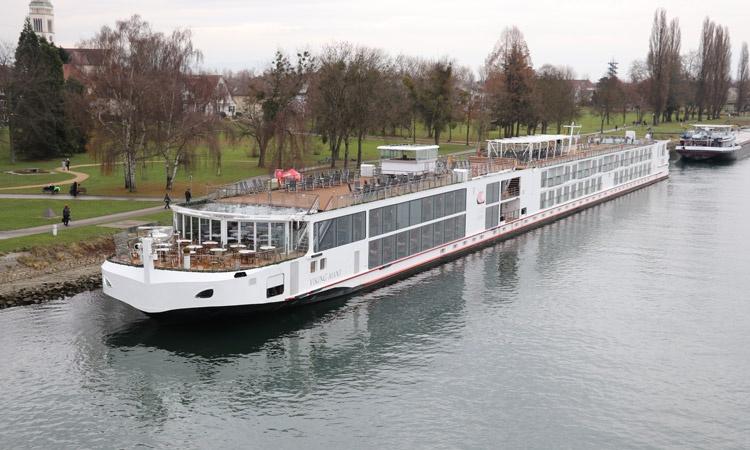
Here's what to expect on your first Viking River cruise through Europe including a personal experience exploring Christmas Markets along the Rhine.
Where to Eat In Tucson on a Guys Trip
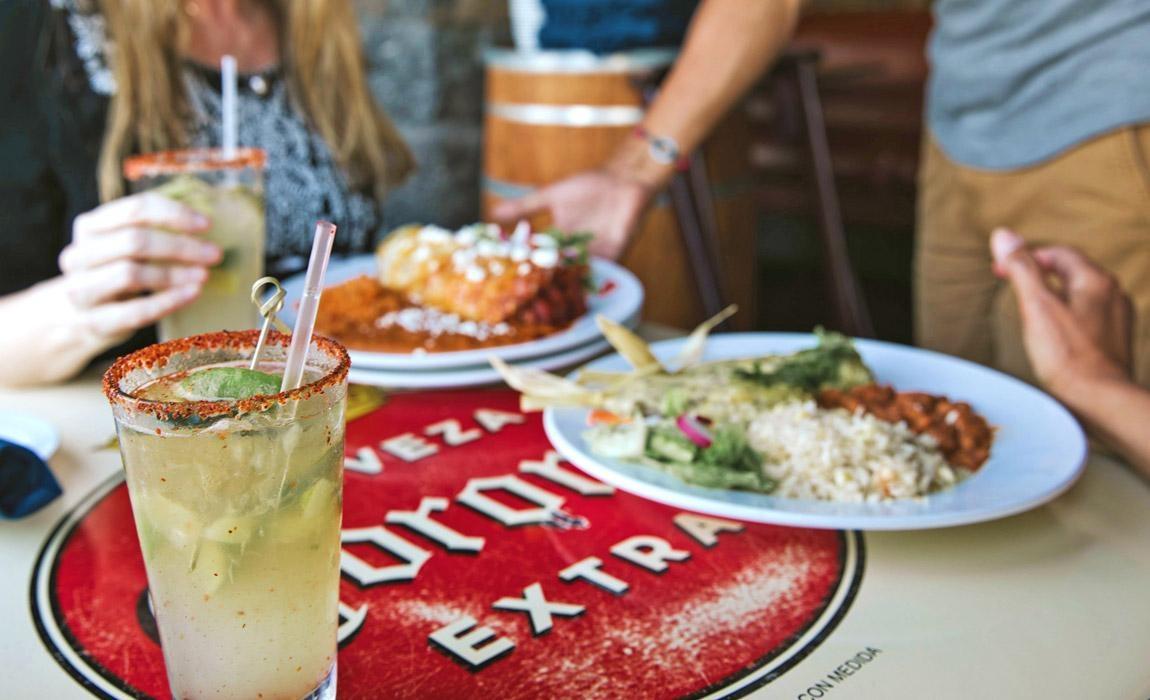
Looking for a great guys weekend exploring awesome Mexican food? Here's where we recommend you eat in Tucson, Arizona!

How to Get Kicked Off a Cruise Ship in 2026: Behaviors That End Your Vacation Early
Cruise lines removed dozens of passengers in 2024 and 2025 for fights, drugs, and dangerous stunts. Learn what triggers immediate removal, lifetime bans, and how to protect your vacation investment be
Promoted by FlowAds

When the Backup Plan Was 'Wait for the Power Company'
Allen, let's start with the big picture. 4Patriots has been doing this for 18 years - long before extreme weather and grid failures became a weekly headline. What did you see back in 2008 that made you say "this is something every American family needs to think about"? And how has that original vision held up against what we're actually living through now?
I'll be honest, I wasn't a "prepper" when we started this company. Not even close. My wife Erin and I had spent years in the corporate world, and we kept coming back to this nagging feeling that most Americans, ourselves included, were completely unprepared for even basic disruptions.
The real wake-up call wasn't some dramatic doomsday scenario. It was living through multi-day power outages in the suburbs and realizing our entire plan was "wait for the power company." We're talking days without a way to keep food cold, charge a phone, or do much of anything besides sit there and hope. And we're reasonably smart people, yet our backup plan was literally nothing. As a husband and a dad, that bothered me. There's something hardwired in most guys... you want to know that if something goes sideways, you've got your family covered. That was the real driver.
Man Gear Pick of the Month
Kenyon City Grill Portable Stainless Steel Electric Grill
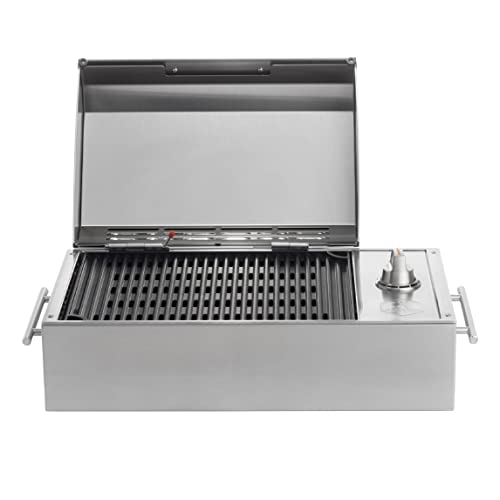
Why we picked it: a grill you can actually carry to the campsite, the tailgate or the cabin without borrowing a truck. Stainless, no propane tank to wrestle, and hot enough to cook for four guys rather than reheat for one.
 August's Pick LiberNovo Maxis Electric Big and Tall Ergonomic Office Chair, Graphite 52cm $1,466.00
  July's Pick Powerful Propane Torch Gun, Adjustable Flame Thrower Gun, Kitchen Torch with Detachable Design, Flamethrower Blow Torch for BBQ, Searing Steak, Welding, Camping Charcoal Lighter(Tank Not Included) $41.99
  June's Pick OYASUMI Funny BBQ Man Hot Dog Holders, 4 PCS Reusable Stainless Steel Sausage Stands, Portable Hot Dog Roasters, Barbecue Grill Accessories for Camping & Party Gifts $14.98
 Promoted by FlowAds

The preparedness space at the time was dominated by two extremes: either you had the hardcore bunker-and-ammo crowd, or you had nothing at all. There was no middle ground for the regular guy who just wants to know that if the power goes out for a few days... or a storm rolls through, or the supply chain hiccups... his family is going to be fine. Not scared. Just handled.
That's what 4Patriots was built for. We wanted to make preparedness feel like common sense, not a conspiracy theory. Think of it this way: you don't buy car insurance because you think you're going to crash every day. You buy it because you're a responsible adult. That's all preparedness is: insurance you can actually use.
We started with emergency food kits because that was the most obvious gap. The stuff that existed tasted terrible and came in packaging that looked like it was designed to survive a nuclear winter. We thought, why can't this just be good food that happens to last 25 years? Then we moved into solar generators, water filtration, power banks - basically everything a regular household needs to be self-sufficient for a few days without turning your garage into a bunker.
That was 2008. In the eighteen years since, it feels like the need has only gotten louder: extreme weather events are more frequent and more severe, we lived through a global pandemic that exposed how fragile supply chains really are, and most people have now personally experienced at least one moment where they thought, "I should have been more prepared for this." We've served millions of customers, and most of them look a lot like the guys reading this... they like good food, they travel, they've got families, and they just want to know they've got a solid Plan B in the drawer next to those flashlights. No fear-mongering required.
Where to Actually Start (For Under $200)
You mentioned that moment of sitting in the dark during a multi-day outage and realizing your backup plan was essentially nothing - and a lot of guys reading this can picture exactly that moment. So let's talk about the person who's just starting out. He knows he should do something, but the whole category feels overwhelming. Where does a guy actually begin? What's the honest first step?
Start with the scenario that's most likely to actually happen to you. Not the zombie apocalypse. For most people, that's a power outage. Storms, grid failures, even a blown transformer in your neighborhood. It happens way more often than people think, and it's the one that exposes every other gap.
The basics are power, food, and water. Cover those three and you're ahead of 90% of the population.
You don't need to go big right away. Start small. A 72-hour emergency food kit that you can throw in a closet and forget about. A water filtration straw you can toss in a backpack or keep in the car. A decent power bank so your phone doesn't die when you need it most. You could knock all three out for under $200 and be more prepared than almost everyone you know.
Once you've got the basics covered, you graduate into the bigger stuff over time. A portable solar generator so you can actually keep your fridge running and your lights on during an extended outage. A countertop water filtration system for the house. A larger food supply that covers your family for weeks instead of days. A camp stove so you can cook a real meal when the gas is out.
The mistake most guys make is thinking they need to go from zero to fully prepared in one weekend. You don't. The basics can happen in one afternoon. Then you build from there, one piece at a time, and before you know it you're the guy in the neighborhood who's got it together when everyone else is scrambling. That's a pretty good feeling.
Real Meals, Not Sad Crackers
You've covered the basics - power, food, water - and building up over time. I want to dig into the food piece specifically, because that's where a lot of guys get stuck. There's a mental image of emergency food that involves sad crackers and canned mystery meat. How has 4Patriots approached that problem, and what does someone actually eat when they're living out of their preparedness kit for a few days?
You're hitting on exactly the reason we started with food. The image most people have of emergency food is military rations (MREs) or those old civil defense survival crackers your grandparents had in the basement. And honestly, a lot of what was on the market when we started wasn't much better than that. It tasted bad, the portions were weird, and the whole experience felt like punishment.
We took the opposite approach. If you're already dealing with a stressful situation, whether that's a three-day power outage or a winter storm that's got you stuck at home, the last thing you need is food that makes it worse. A hot meal does something for morale that people underestimate. It makes a bad situation feel manageable. It makes your kids feel like everything is okay.
So we built our kits around real meals that people actually want to eat. We're talking things like creamy stroganoff, hearty soups, black bean burgers, freeze-dried chicken, mac and cheese. Comfort food. You just add water, heat it up on a camp stove or whatever you've got, and you're eating a real dinner. My family has actually made some of these on camping trips just because they taste good, not because we had to.
The other thing we focused on is shelf life without sacrificing quality. Our food lasts up to 25 years in storage. You buy it, you put it in a closet or a pantry, and you don't think about it again until you need it. No rotation, no expiration dates to track, no hassle. It's the definition of set it and forget it.
We offer everything from a basic 72-hour kit for one person all the way up to a three-month supply for a family. Most people start with a shorter-duration kit, realize it's not what they expected, and then build from there. That "this is actually good" moment is the thing that flips the switch for people.
The Solar Setup Between a $20K Generac and a USB Brick
So you've got the food handled - real meals, 25-year shelf life, no sad crackers. Let's talk about power, because that's the thing that connects everything else. You mentioned solar generators earlier, and for a lot of guys the mental image is either a loud gas generator running in the driveway or some tiny phone charger that won't run anything serious. What does a solid home power setup actually look like for a family that wants to keep the lights on, the fridge cold, and everyone's devices charged - and where does solar fit in?
You nailed the two extremes that most guys picture. There's the whole-home Generac generator that costs $20,000 or more installed. And then there's the little USB power bank that'll charge your phone twice and that's about it. Neither one is the right answer for most families.
We've built a range of portable solar generators that sit right in the middle. On the smaller end, you've got something like our Sidekick that can power your laptop and CPAP machine. On the larger end, there's the Patriot Power Generator 2200X, which is expandable to over 6,000 watt hours. That's enough to run your fridge for days, keep the lights on, charge everyone's devices, and still have capacity to spare. No gas, no fumes, completely silent. You can run it inside your living room.
The solar piece is what makes it practical long term. You pair the generator with solar panels and you're recharging from the sun during the day while you're drawing power at night. No fuel to store, no gas station runs during an emergency when everyone else is in line, no ongoing cost. Once you own it, the energy is free. That changes the math on the whole thing.
For most families, the setup looks something like this: a generator that can handle your essentials, one or two solar panels that fold up and store flat when you're not using them, and a smaller portable unit for grab-and-go situations like keeping in your car. The generator handles the house. The portable unit handles your pocket. And the solar panels keep everything topped off indefinitely.
The other thing guys discover pretty quickly is that this stuff isn't just for emergencies. We hear from customers all the time who take their setup camping, tailgating, hunting, to the lake house, on road trips. It becomes the thing you grab whenever you need power somewhere that doesn't have an outlet. That crossover between preparedness and everyday life is honestly one of my favorite things about what we've built.
How to Bring Your Wife On Board Without a PowerPoint About Collapse
You've covered the three pillars - food, water, and power - and I love the point about the solar gear pulling double duty on camping trips and tailgating. Let's zoom out for a second. A guy has just built out his first solid setup. He's got the kit in the closet, the generator in the garage. How does he actually talk to his family about this? Because there's a version of this conversation that goes well and a version that ends with your wife looking at you like you've gone off the deep end. What's the right framing for bringing your household on board without making it feel like a doomsday thing?
This is such a great question because I've lived it. When Erin and I started this company, we were having these conversations with our own family and friends, and you can see the exact moment someone's eyes glaze over if you lead with the wrong framing.
Here's what works: don't make it about the disaster. Make it about the plan.
Nobody wants to sit down at the dinner table and hear about grid failures and supply chain collapse. But everyone can get behind "hey, I put together a plan so if we lose power for a few days, we're totally fine." That's it. That's the whole conversation. You're not asking anyone to be scared. You're telling them you handled it.
With your wife, the best move is to just show, don't tell. Don't come home with a PowerPoint about societal collapse. Come home and say "I grabbed us a food kit and a solar generator. If the power ever goes out, we can keep the fridge running and eat real meals. It's in the garage." Most partners hear that and think, "okay, that's actually pretty smart." You've taken something off their mental plate. That's attractive, not crazy.
With kids, it's even simpler. Kids don't need to know about preparedness at all. They just need to know that dad has it handled. If the power goes out and you calmly walk to the garage, plug in the generator, and the lights come back on, you're a superhero. That's the whole pitch.
The guys who get in trouble are the ones who lead with fear. If you start the conversation with "what would happen to us if..." you've already lost. Start with "I took care of something" and you'll get a very different reaction.
Honestly, I think preparedness is one of those rare things where the act of doing it is the conversation. Once your family sees the setup, once they eat the food on a camping trip, once the power goes out and everything just works, they get it. You don't have to sell anyone on the idea after they've experienced it.
The Gap Most Families Still Haven't Closed (And It's Not Food)
Allen, you've built something that clearly resonates with millions of people, and part of that is the apolitical angle. You mentioned early on that 4Patriots sits apart from the fear-mongering and political rhetoric that defines a lot of this space. As you look at the next chapter for the company, where do you see the biggest gaps still left to fill? What's the preparedness problem most American families still haven't solved, and what's 4Patriots got in the works to address it?
The biggest gap is still the same one we started with: most families have done nothing. We commissioned a national preparedness survey last year and the results were eye-opening. About 90% of Americans say they need backup power, but only 25% actually own a generator. That's a massive gap between what people know they should do and what they've actually done. Even after COVID, even after the Texas grid failures, even after all the supply chain chaos of the last few years.
And these aren't careless people. They're busy people who keep meaning to get around to it. So the first gap is still just getting people started. That's why we put so much energy into making the entry point simple and affordable. If we can get a family to take that first step, whether it's a 72-hour food kit or a power bank, the rest tends to follow naturally.
Beyond that, I think water is the most underappreciated piece of the puzzle. People think about food and power instinctively, but water is the one that can become a real crisis the fastest. You can go weeks without food. You can't go three days without clean water. We've invested heavily in water filtration because we think that's where the next wave of awareness is heading. Between aging infrastructure, contamination events, and natural disasters, clean water is something a lot of communities can't take for granted anymore.
The other area I'm personally excited about is making our products more useful in everyday life, not just emergencies. We're building out our power ecosystem so that the same gear you'd rely on in an outage is also the gear you're taking camping, bringing to a tailgate, or using in your workshop. The more these products become part of your regular life, the less "preparedness" feels like a separate category and the more it just feels like owning good gear.
At the end of the day, our mission hasn't changed since 2008. We champion freedom and self-reliance. We just keep finding new ways to make that practical for regular families who have better things to do than worry about the worst-case scenario but still want to know they're covered.
Preparedness Doesn't Have to Be Your Whole Personality
The honest takeaway from a conversation with Allen is that preparedness for the regular guy isn't a hobby, an identity, or a political statement. It's a drawer in your garage and a shelf in your closet. A 72-hour food kit, a water filtration straw, a decent power bank, and eventually a portable solar generator that pulls double duty on tailgate Saturdays and camping trips. That's the whole game for most families - and according to 4Patriots' own surveys, it's a step the majority of American households still haven't taken.
Bringing your family on board lands the same way: don't pitch the disaster, pitch the plan. "I handled it" beats a PowerPoint about supply chain collapse every single time. Whether you start with a single power bank from 4Patriots or build out a full setup over a year, the move that matters is the first one.

Promoted by FlowAds
