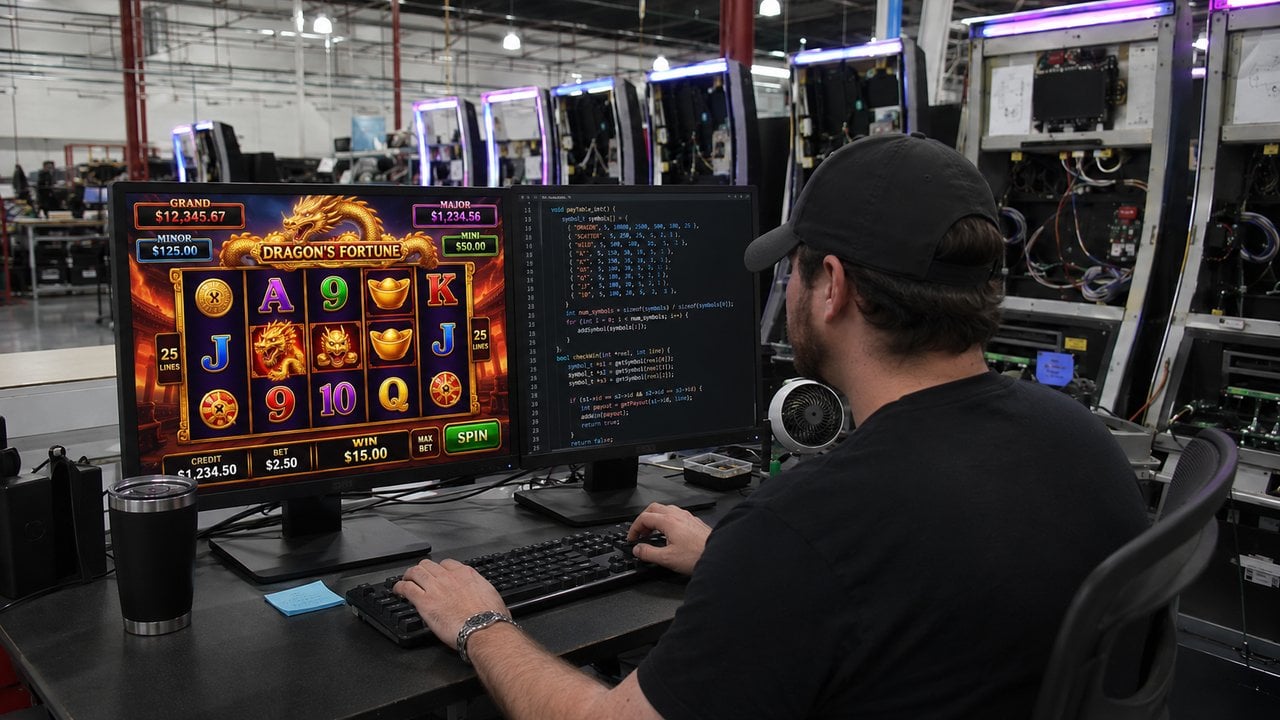
Slot machines are engineered products, and the engineering runs a lot deeper than the reels spinning on the screen. Every part you touch is a decision somebody argued about, from the paytable math down to the physical button under your thumb. I was involved with a game developer that built 8-liners and redemption slot games, and I still write slot games as coding projects. The gap between how that industry builds for a truck stop and how it builds for a casino floor is far wider than most players would guess.
What Do You Call Your "Guys Trips"?
Every machine tells you what it is before you play, if you know which screens to open. None of this takes more than a minute.
- The paytable screen - reachable from the game menu on nearly every cabinet, and it shows what each symbol pays at the bet you currently have set, not at max bet.
- The volatility label - many modern games publish it in the info panel, which tells you whether the machine pays a little often or rarely and large.
- Published return percentages - regulated online games usually list RTP in the game information panel, while a machine on a casino floor rarely shows it anywhere.
- Whether it is a linked progressive - machines tied to a shared jackpot fund it by holding back a slice of every bet placed across the link, and that is disclosed in the game rules.
- A clock on your phone - casino floors are built without windows or wall clocks, and the machine is not going to tell you either.
The hardware, the math, and the way people behave in front of a machine all shape each other, which is why the games keep changing. The lineups of new slot games rolling out now run on the same design principles as a cabinet bolted to the wall of a truck stop, wrapped in better screens and licensed themes. What separates them is mostly what the buyer asked for.
The Business Card In The Button Trick
The most useful thing I learned building these machines had nothing to do with math. Regardless of what you call them - "Fruit Machines" "Eight-Liners" or just plain old slot machines ... players kept jamming business cards into the gap around the spin button so it would stay wedged down and auto-repeat, which spared them from pressing it a few hundred times an hour.
That fed straight back into a hardware decision. Premium arcade buttons are machined tight, with no gap to shim. The cheap ones have the gap, and the cheap ones were what the players in truck stops wanted.
Baja Mexico Cruises
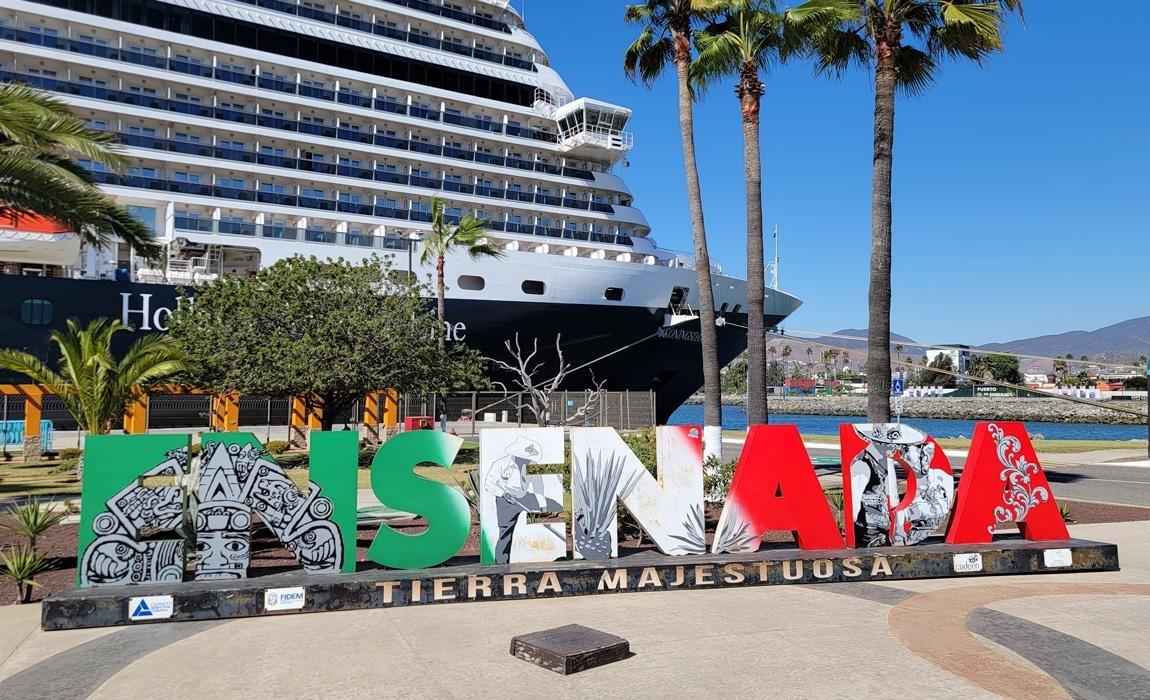
Baja Mexico cruises typically feature short itineraries that include a stop in Ensenada and either San Diego or Catalina Island.

12 Epic Ideas for an Awesome Dubai Guys Trip
Men's guide to Dubai: 12 epic luxury experiences including supercar rentals, hidden speakeasies, desert adventures, and Arabian Gulf cruises. Perfect for guys trips seeking premium thrills in this exclusive destination.

Casa Velas
On Puerto Vallarta's coast, Casa Velas is an exclusive adults-only boutique retreat on Mexico's Pacific Riviera. Enjoy a luxury escape with gourmet dining.

Tours and Transportation in Sri Lanka
Customized Sri Lanka tours built around your preferences, ideal for travelers wanting flexible itineraries and unique activities.
Promoted by FlowAds

Nobody predicts these tricks but it matters a lot when you look at how long a player will sit there pumping the machine full of money. You learn it from what people do with the machine once it is out in the world, and then you build for it.
The machine you feed a few bucks into on a road trip with the guys sits in truck stops, gas stations, and strip-mall game rooms for legal reasons rather than aesthetic ones. Texas allowed them under what became known as the fuzzy animal exception, which caps non-cash prizes at five dollars or ten times the cost of a single play. Texas courts have since ruled that the machines function as illegal lotteries.
The constraint still shaped a generation of hardware. Design around a five-dollar ceiling, and you stop building for jackpot chasers and start building for volume, durability, and a low cost per cabinet.
Man Gear Pick of the Month
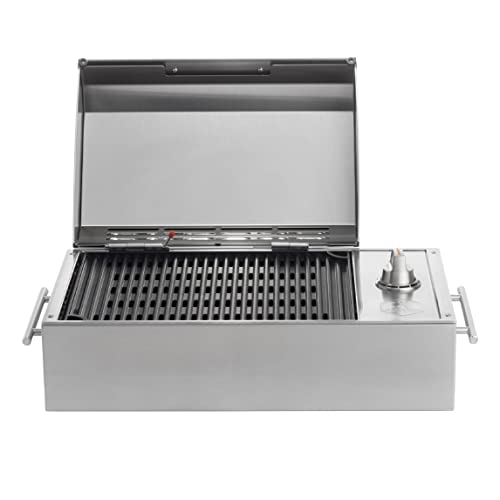
Kenyon City Grill Portable Stainless Steel Electric Grill
Why we picked it: a grill you can actually carry to the campsite, the tailgate or the cabin without borrowing a truck. Stainless, no propane tank to wrestle, and hot enough to cook for four guys rather than reheat for one.
 August's Pick LiberNovo Maxis Electric Big and Tall Ergonomic Office Chair, Graphite 52cm $1,393.00
  July's Pick Powerful Propane Torch Gun, Adjustable Flame Thrower Gun, Kitchen Torch with Detachable Design, Flamethrower Blow Torch for BBQ, Searing Steak, Welding, Camping Charcoal Lighter(Tank Not Included) $42.99
  June's Pick OYASUMI Funny BBQ Man Hot Dog Holders, 4 PCS Reusable Stainless Steel Sausage Stands, Portable Hot Dog Roasters, Barbecue Grill Accessories for Camping & Party Gifts $7.98
 Promoted by FlowAds

Casino Floors Buy The Biggest Cabinet That Fits
A casino purchasing department works from the opposite set of criteria. The floor wants the biggest cabinet the footprint will take: curved screens, seats that rumble, sound tuned to carry across a room, lighting you can pick out from the far end of the pit.
The industry term for what those cabinets are bought to maximize is time on device, meaning hours in the chair rather than spins or coin-in. A cabinet that pulls somebody in from thirty feet away and keeps them comfortable for ninety minutes has done what the purchase order asked.
It is one industry building two products that share little more than the reels. A guys trip to Vegas puts you in front of the expensive version, where the big Strip properties on every list of bachelor party hotels buy machines that have to compete with a sportsbook, a pool deck, and a steakhouse for the same guy. A truck stop machine competes with a shower stall and a rack of jerky, and it wins on being cheap to run.
Virtual Reel Mapping And The Constant Near Miss
The reason a modern slot feels the way it does traces back to one patent from 1984. That May, Inge Telnaes was granted US Patent 4,448,419 for what the industry calls virtual reel mapping. IGT bought it in 1988 and licensed it out across the business.
The mechanism is straightforward. Instead of the odds being fixed by how many physical stops sit on a reel, the machine maps each visible position onto a much larger table of invisible positions held in memory. A jackpot symbol can occupy a single virtual position out of hundreds while sitting in plain sight on the reel beside symbols that occupy dozens.
That is why the top symbol seems to land just above or just below the payline so often. The weighting builds near misses into the display as a routine event, which is close to what the patent itself describes: reducing the probability of a win while keeping the outward appearance of a standard mechanical slot. We covered the house edge and volatility side of this separately in a piece on slot machine probability.
Losses Disguised As Wins And The Sound That Sells Them
Multi-line play created a category of outcome that has its own name in the research literature. Researchers at the University of Waterloo call them losses disguised as wins: you bet twenty-five cents across twenty-five lines, one line comes in for ten cents, and the machine responds with the full celebration while you are fifteen cents down.
Mike Dixon and Kevin Harrigan measured what those moments do to a body. Skin conductance and heart rate responses to a loss dressed up as a win tracked with responses to a real win, and both looked clearly different from a plain loss. Players walked away from sessions overestimating how often they had won.
A follow-up study put 157 participants through 300 spins on a simulator under three audio conditions: the standard celebratory sound, silence, and a negative sound laid over the disguised losses. Under standard sound, most participants miscategorized those outcomes as wins and overestimated their win count. Under the negative sound, the pattern reversed and most of them correctly called the losses losses.
Redemption Games And The Five Dollar Prize Ceiling
Redemption games were the other side of what we built, and they run on inverted math. When the best available outcome is a ticket count or a prize worth a few bucks, there is no jackpot to chase. The math in that category runs toward steady small payouts instead of one rare enormous one.
That produces a different feel by design. The machine has to hold somebody who already knows the ceiling is a plush toy and a fistful of tickets, so the reward comes out of rhythm and pace. There is no big number at the top of the paytable to sit and wait for.
It also explains the hardware. There is no case for a curved 4K display on a machine whose best possible result costs the operator five dollars.
I Don't Gamble Actively, But The Thrill Of Turning Twenty Bucks Into $200 Is Why I Always Play at Least Once When I Visit A Casino
I am not an active gambler. I have still fed a twenty into a machine at dozens of places, from Yaamava' at San Manuel to M Resort down in Henderson, usually while I am standing around waiting on somebody to get out of the bathroom, and I enjoy every minute of it. Knowing how the thing is built has not spoiled any of that. It just made the twenty feel like what it is, which is the price of a few minutes of adrenaline.

Promoted by FlowAds
