The four herbs in my backyard planter were chosen for one specific job: keeping mosquitoes and other pests off the firepit hangout zone without spraying chemicals every weekend. I planted them in the base of the Step2 Firefly String Light Pole Stand - a dual-purpose planter that anchors the string lights overhead - and the four picks below all do double duty as bug deterrents as well as ingredients ready to use for grilling, cocktails, and Saturday afternoon outdoor cooking sessions. Here's why each one earned a spot, plus five other plants worth considering if you're building out a natural pest-control corner around your patio, outdoor kitchen, or firepit.
What Do You Call Your "Guys Trips"?
Planting bug-repellent herbs around the firepit, patio, or outdoor kitchen creates a buffer zone without the chemical fogging or DEET sprays most guys default to.
- Most bug-repellent herbs work through aromatic compounds - 1,8-cineole in rosemary and citronellal in lemon balm both show up in commercial repellent products, and the plants release them naturally as they grow
- Herbs you plant for bug control double as kitchen and cocktail ingredients, which means the planter pays for itself twice (rosemary on the grill, lemon balm in a mojito, lavender in a Bee's Knees variant)
- Bug-repellent herbs grow well in containers, so you don't need lawn space to make them work - a Step2 Firefly Pole Stand planter, a raised bed, or a few patio pots will cover most backyard hangout zones
- The four herbs in this article all bounce back as perennials or self-seed in most US climate zones, making them a one-time plant for years of bug control
- Crushed leaves or muddled stems intensify the aromatic oils that drive insects away - brushing past the plants on the way to the grill or pulling a sprig for a drink puts more compound into the air
Pineapple Sage (Salvia elegans)
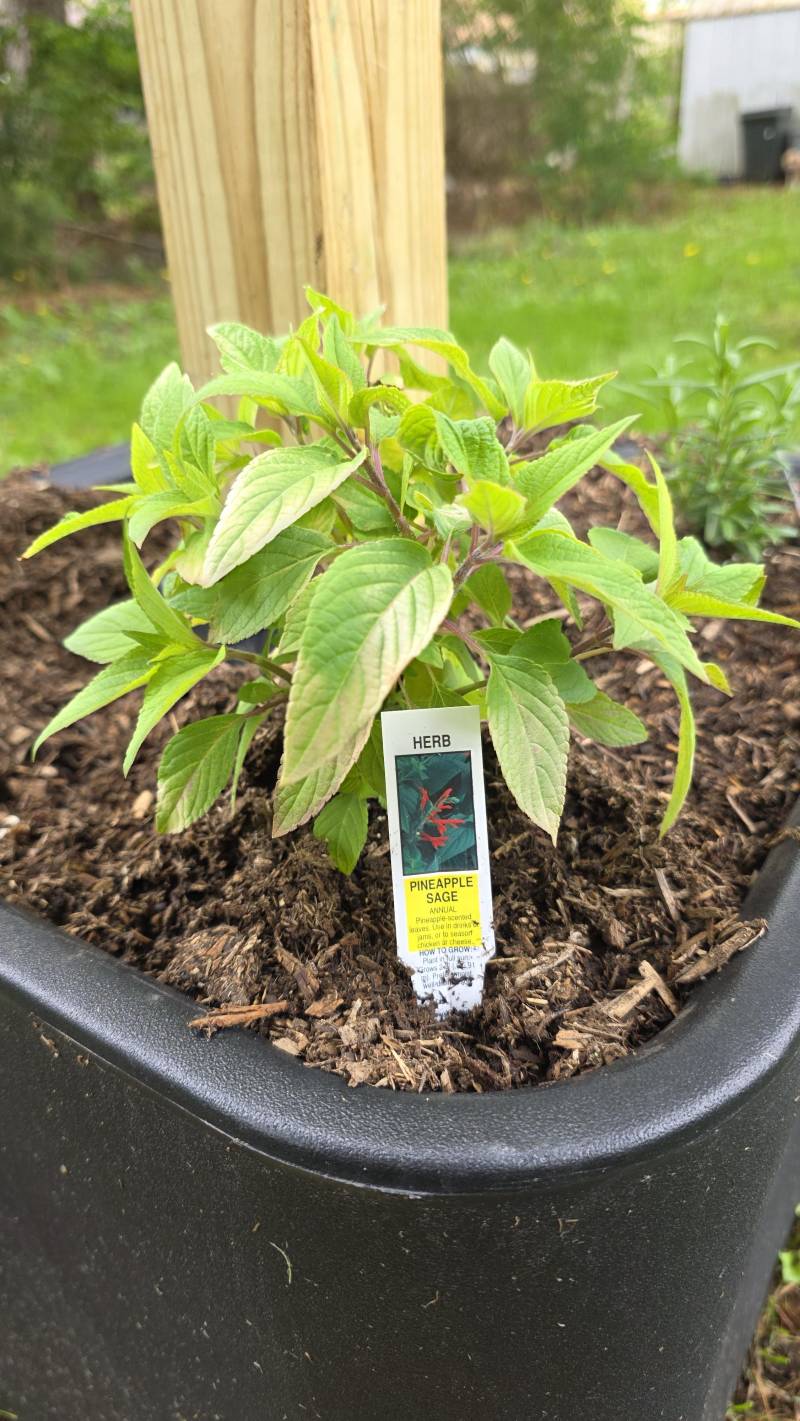
Pineapple sage is the lighter-duty bug repellent of the four - the salvia family carries aromatic compounds that flies, gnats, and some soft-bodied insects avoid, but it's not punching at the level of rosemary or lavender for mosquitoes. What pineapple sage brings is the bonus: edible red tubular blooms and pineapple-scented leaves that work as a cocktail garnish, a fruit salad ingredient, or an infusion base for tropical drinks. Muddle a few leaves into a Tom Collins variant or garnish a rum and pineapple cocktail with the red flowers and you've got a drink that came straight off the patio. The plant grows tall and bushy, so give it room.
GrillBox 2.0 Review: Solid Build, Assembly Frustrations, and Why I Still Recommend It
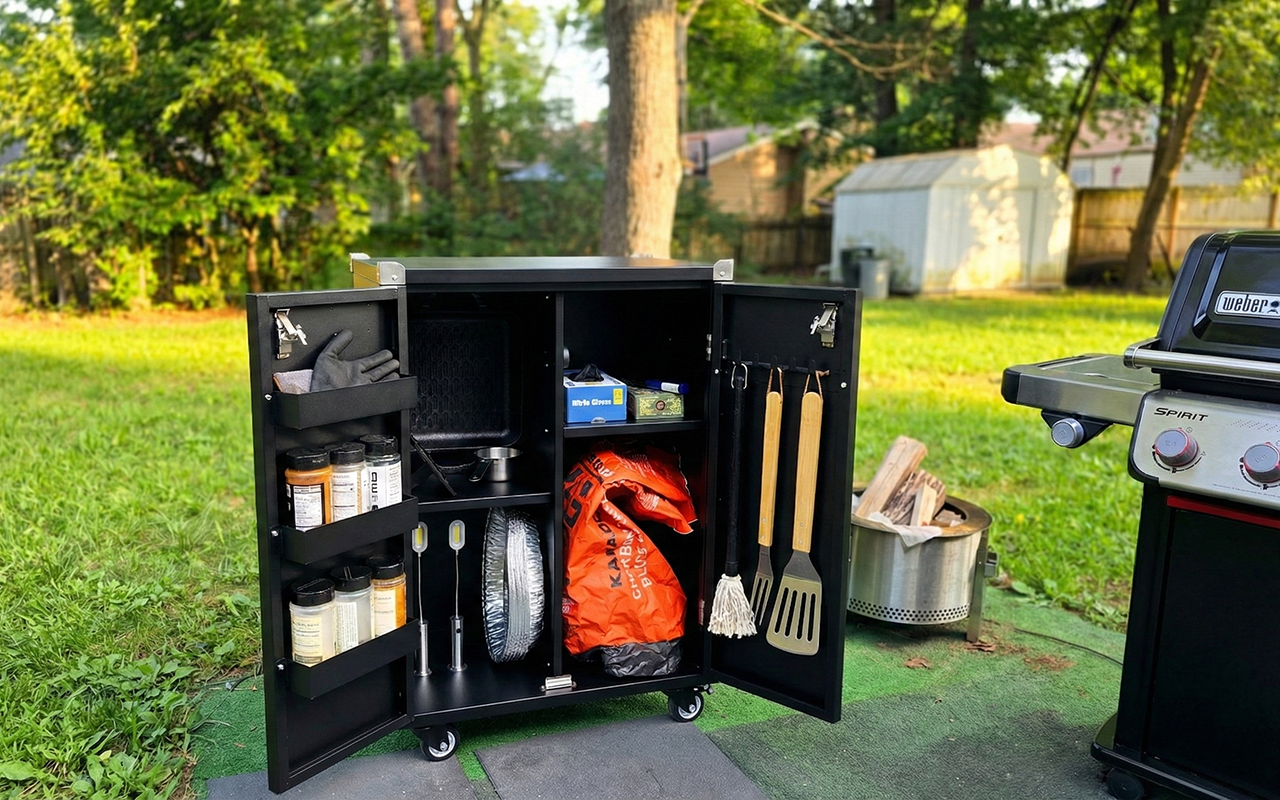
The GrillBox 2.0 keeps grilling gear organized and protected year-round. 18-gauge steel construction, adjustable storage, and 360-degree wheels. Honest take on assembly and pricing considerations.

MeatStick V Duo: The Dual-Probe Wireless Thermometer I Now Trust
The MeatStick V Duo brings dual-probe wireless temperature monitoring and a Smart Base LCD display to serious grillers. Real-world test on a 3-hour pork loin smoke, where this $179 setup earns its premium price.

Scrub Daddy BBQ Grill Cleaner Kit - Bristle Free Grill Brush with Refill
Bristle free steam cleaning grill brush kit with scraper, hook, bottle opener, steel sponges and a refill head. Great for BBQ lovers.
Promoted by FlowAds

Rosemary (Rosmarinus officinalis)
Rosemary is the proven bug repellent of the four. The 1,8-cineole compound in rosemary essential oil shows up in commercial mosquito products and has been studied for repellent activity against multiple insect species. In the backyard it works best when crushed - rub a sprig between your fingers near where you're sitting, or throw a few stems on the firepit coals for a smoke layer that pushes mosquitoes back from the seating area. Rosemary is also the workhorse herb of the four for cooking - lamb, focaccia, potatoes, roast chicken, and rosemary simple syrup for gin cocktails. If you only plant one bug-repellent herb, this is the one.
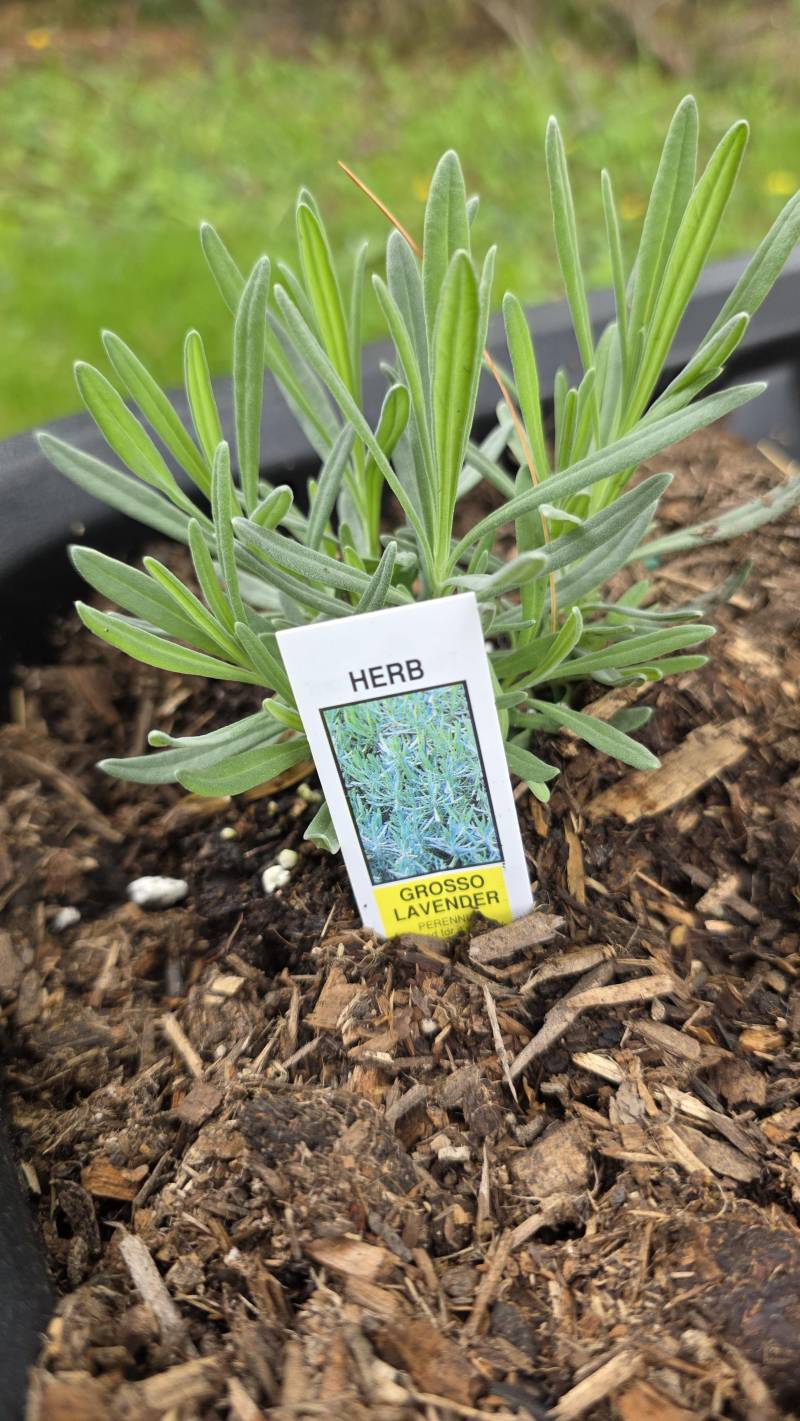
Grosso Lavender (Lavandula x intermedia 'Grosso')
Grosso lavender is one of the highest-oil cultivars commercially available, which means it's punching above its weight on the bug-repellent side. Lavender's aromatic compounds (linalool and linalyl acetate) deter mosquitoes, fleas, and moths, and the higher-oil varieties like Grosso put more of those compounds into the air than common lavender. In a planter near the firepit it does its job quietly - you don't notice the bugs aren't there until you start paying attention. For the bar, Grosso is more often grown for essential oil than for cooking, but in moderation it works in lavender simple syrup, lavender lemonade, and a Bee's Knees variant with a sprig dropped into the gin.
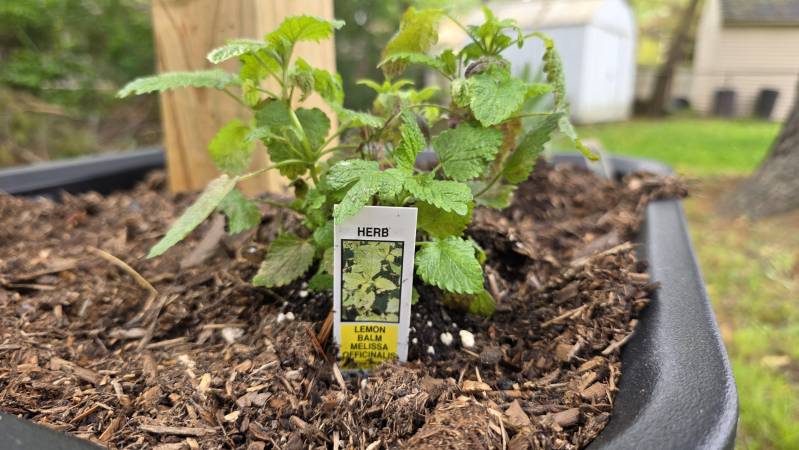
Lemon Balm (Melissa officinalis)
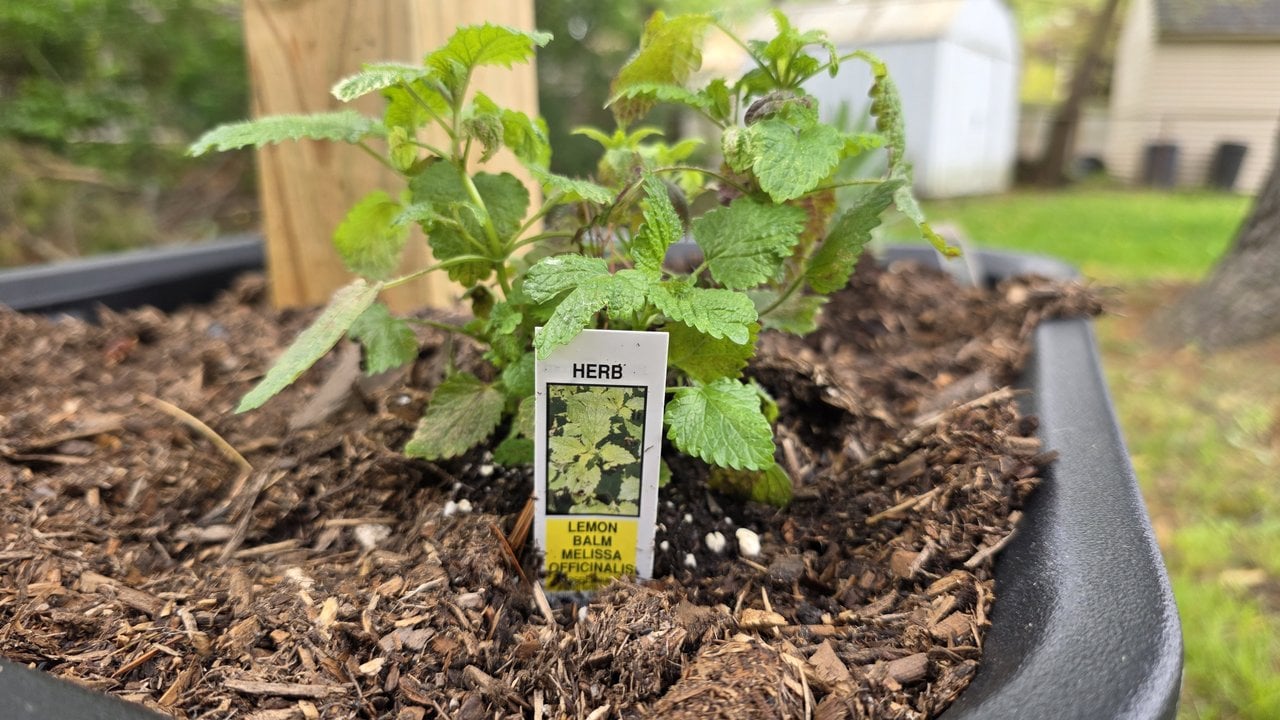
Lemon balm carries citronellal - the same compound family as citronella - which makes it a credible mosquito deterrent in its own right. Crushed leaves rubbed on skin work as a topical repellent in a pinch (test a small patch first), and the plant gives off the scent passively as it grows. The kitchen and bar uses are where lemon balm starts pulling its weight: it substitutes for mint in a mojito, infuses cleanly into simple syrup for vodka or gin cocktails, and adds a soft lemon note to fruit salads and grilled fish. The mint-family caveat applies - lemon balm spreads aggressively in soil, so a contained planter (like the Step2 Firefly base) is the right home for it.
Other Herbs and Plants You Can Use for Natural Bug Control
The four above are the ones I planted, but the bug-repellent plant list is longer. If you're building out a full pest-control corner around your firepit, patio, or outdoor kitchen - or just want options based on what your local nursery actually stocks - the five below all earn their place.
- Citronella grass (Cymbopogon nardus) - the tall ornamental grass that gives citronella candles their name; the live plant produces the same compound but at lower intensity, so plant a clump of three or four for noticeable effect.
- Basil (Ocimum basilicum) - repels mosquitoes and flies through eugenol and linalool, doubles as the obvious kitchen herb for tomatoes, mozzarella, pesto, and grilled fish.
- Catnip (Nepeta cataria) - lab studies at Iowa State University have found catnip's nepetalactone compound effective against mosquitoes, though it'll bring every cat in the neighborhood to your yard.
- Mint (peppermint, spearmint) - aggressive aromatic spreader that deters mosquitoes, ants, and rodents; container-only unless you want it taking over the lawn.
- Marigolds (Tagetes) - technically a flower not an herb but worth including; the roots release a compound that deters nematodes and the blooms keep mosquitoes at distance.
Pick two or three from the alternatives list to round out the four core herbs and you've got a backyard pest-control system that runs on aromatics, doesn't require a sprayer, and gives you grill and cocktail ingredients on the side.
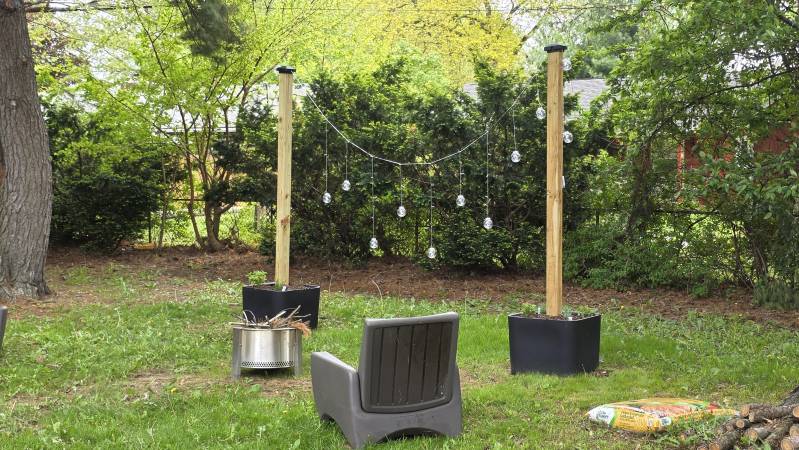
Why I Planted These in the Step2 Firefly Pole Stand
The four herbs above all live in the base of my Step2 Firefly String Light Pole Stand - the planter at the bottom of each pole holds enough soil for four plants with room to spread out and the position around the firepit means the aromatic compounds work where I'm actually sitting. This is especially true when there's no fire, just relaxing on a summer afternoon.
If you're building out a backyard hangout zone, the dual-purpose planter is the cleanest way I've found to get string lights and bug-repellent herbs in one piece of infrastructure.
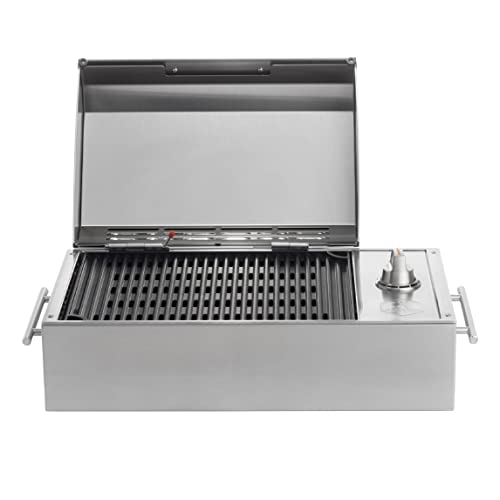
Kenyon City Grill Portable Stainless Steel Electric Grill
Why we picked it: a grill you can actually carry to the campsite, the tailgate or the cabin without borrowing a truck. Stainless, no propane tank to wrestle, and hot enough to cook for four guys rather than reheat for one.


Promoted by FlowAds
