I've watched good men white-knuckle their way through things that were quietly taking them apart, because the very thing that might have helped - admitting out loud that they were struggling - felt like the only thing they couldn't do. The 988 Suicide & Crisis Lifeline was built for exactly that moment: free, confidential, there the second you dial or text it, and almost none of the guys I know have it saved in their phone. Most of us were raised on resilience and never handed a script for being the one who needs the help. This is a piece about that gap, man to man.
What Do You Call Your "Guys Trips"?
The short version, before you scroll. This is the stuff most men never say to each other.
- Men are far less likely than women to reach for mental-health or addiction treatment, and the gap is widest among the guys most certain they're fine.
- Depression in men often shows up as anger, overwork, or one more drink rather than obvious sadness, which is why it gets missed for years.
- Shame, not a lack of information, is the real wall - most men already know help exists; what they lack is permission to use it.
- A direct check-in from another man lands differently than the same question from a partner or a parent, and it is often the only one that gets a real answer.
- When a struggling guy finally goes looking, whether a good local program even shows up for him depends partly on outreach, not just on willpower.
Most of us never picture this part. The moment a man finally decides to get help rarely happens in daylight or in a doctor's office. It happens late, alone, with a phone in his hand, typing words he is ashamed to type into a search bar. Whether a solid local treatment program surfaces for him in that moment is not luck, and it is not only about how hard he is willing to look. Behind a lot of the centers doing honest work there is quiet, unglamorous outreach - the kind a specialized drug rehab marketing agency handles so the right program is findable by the one guy, at the worst hour, who finally went looking. I don't think of that as marketing fluff. It is the difference between a man finding a door and a man deciding there wasn't one.
How "Handle It Yourself" Became the Factory Setting
Nobody sat most of us down and taught this on purpose. We absorbed it. Be the provider, be the fixer, be the steady one, and above all do not be a burden. Those are not bad instincts. The same wiring that makes a guy the one everyone calls when a basement floods is the wiring that tells him his own flooding basement is his alone to bail. The instinct that makes him dependable is the same one that isolates him.
Somewhere along the way "be a man" got translated into "suffer in private," and we passed it down without noticing. A guy can spend twenty years being the reliable one and never once practice the sentence "I am not okay." So when the day comes that he needs those words, they aren't there. That is not a character flaw - it is a skill nobody trained him in.

Alaska's Cultural Side: Why Cruising the Last Frontier Is More Than Just Scenery
Visiting Alaska is about more than just natural beauty, it is an opportunity to explore a unique culture and escape from the rest of the world.

Ways To Learn About Indigenous Cultures And Traditions On An Alaska Cruise
Learn about Alaska Native cultures through village tours, traditional performances, art workshops, authentic cuisine, and local festivals.

Authentic Vietnam 15 Days Tour
A 15 day authentic Vietnam tour from Sapa and Halong Bay to the Mekong Delta, ideal for travelers seeking local culture and hidden charms.

Here's How Easy It Is To Eat Right and Stay Fit on Your Cruise Vacation
Eating right and staying fit is easier than you think on a cruise if you choose to make smart choices.
Promoted by FlowAds

The Difference Between Numb and Fine
Depression in men often does not look like sadness. It looks like a short fuse, a longer workday, a guy who used to laugh and now mostly grunts. It looks like one more drink to take the edge off, then two, then a six-pack that is just "how I unwind." A lot of addiction starts right there - not as partying, but as the only off-switch a man will let himself reach for. And "I'm fine" is the most-worn camouflage we own.
Numb feels like coping right up until it doesn't. By the time the drinking or the pills or the all-night grind is obviously a problem, it has usually been load-bearing for a long time. And the stakes here are not abstract - men make up the large majority of suicide deaths in this country. Naming the trouble early, out loud, to one person is worth more than any amount of white-knuckling.
Why a Buddy Gets the Real Answer
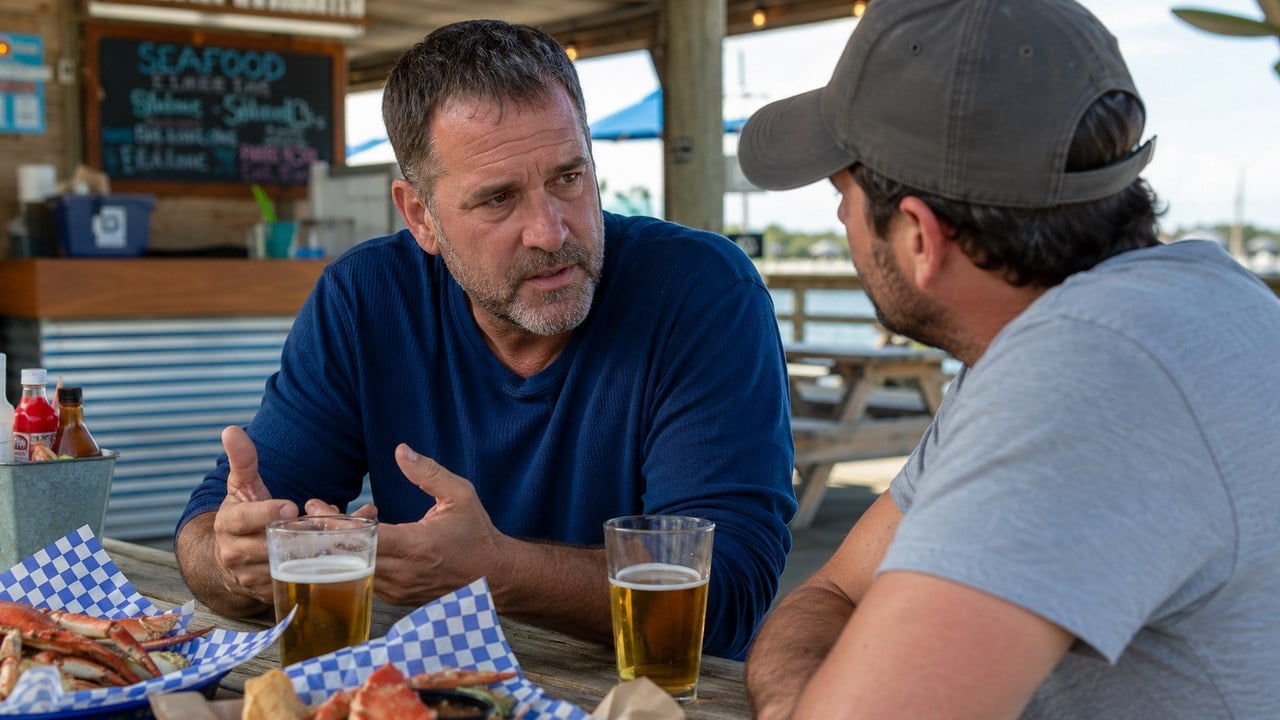
When a wife or a mother asks "are you okay," a lot of guys hear a problem they are supposed to spare her from, so they say "yeah, fine" on reflex. When a buddy says "you've been off lately - what is actually going on," something different happens. There is no one to protect. There is just another man who has been in his own version of the hole and is not going to flinch at the answer.
Man Gear Pick of the Month
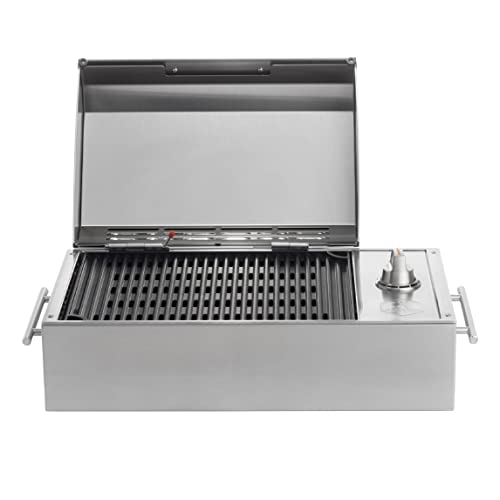
Kenyon City Grill Portable Stainless Steel Electric Grill
Why we picked it: a grill you can actually carry to the campsite, the tailgate or the cabin without borrowing a truck. Stainless, no propane tank to wrestle, and hot enough to cook for four guys rather than reheat for one.
 August's Pick LiberNovo Maxis Electric Big and Tall Ergonomic Office Chair, Graphite 52cm $1,466.00
  July's Pick Powerful Propane Torch Gun, Adjustable Flame Thrower Gun, Kitchen Torch with Detachable Design, Flamethrower Blow Torch for BBQ, Searing Steak, Welding, Camping Charcoal Lighter(Tank Not Included) $41.99
  June's Pick OYASUMI Funny BBQ Man Hot Dog Holders, 4 PCS Reusable Stainless Steel Sausage Stands, Portable Hot Dog Roasters, Barbecue Grill Accessories for Camping & Party Gifts $14.98
 Promoted by FlowAds

That is the whole case for brotherhood, stripped of the slogans. Accountability is not a group text about who hit the gym. It is being close enough to a few guys that you would notice if one of them went dark, and tight enough that you would say something about it. Ask a guy once and you get "fine"; ask twice and you sometimes get the truth.
What the Recovery World Is Doing to Reach Guys Like Us
The people who do this for a living have figured out that men do not come through the front door the way the old brochures assumed. So the better programs have adjusted. Men's-only groups where nobody has to perform. Treatment framed around rebuilding your life and getting your footing back, not just sitting in a circle naming feelings. Peer mentors who are a few years down their own road and can say "I know exactly where you are standing." Telehealth options for the guy who would never walk into a building in his own town where someone might see his truck in the lot.
And there is the findability piece, which matters more than it sounds. A program can be excellent and still be invisible to the man who needs it, simply because nobody made sure he could find it at one in the morning. Getting good help in front of struggling people is its own kind of work, and it is part of why the centers doing it right put real effort into being seen.
How to Be the Guy Who Asks - and the One Who Answers
If you are worried about a buddy, skip "you good?" - it is built to be answered with "yeah." Try something he cannot dodge. "You've seemed off for a couple weeks and I'm not letting it slide. Talk to me." Then shut up and let it be awkward. The silence after the question is usually where the real answer shows up.
If you are the one who is not okay, start smaller than treatment. Tell one person. Save 988 in your phone. Treat your own head the way you treat a truck that is making a noise - you don't wait for it to die on the highway before you look under the hood, and you don't feel weak for taking it in.
The Call You Make Before You Need It
Before you click away from this, do one thing: put 988 in your phone right now, as a real saved contact, so it is there on the night you cannot think straight - yours or a buddy's. Then pick one guy you have been a little worried about and text him today. Not "you good," but "been thinking about you, let's grab a beer or a coffee this week, for real."
We are not going to undo forty years of cultural wiring in one article, and I am not pretending I have asking for help perfectly figured out either. But the men in your life are not statistics and they are not lost causes. There is nothing brave about toughing it out alone. The real courage is saying the words out loud, or standing close enough to hear them when another guy finally does.